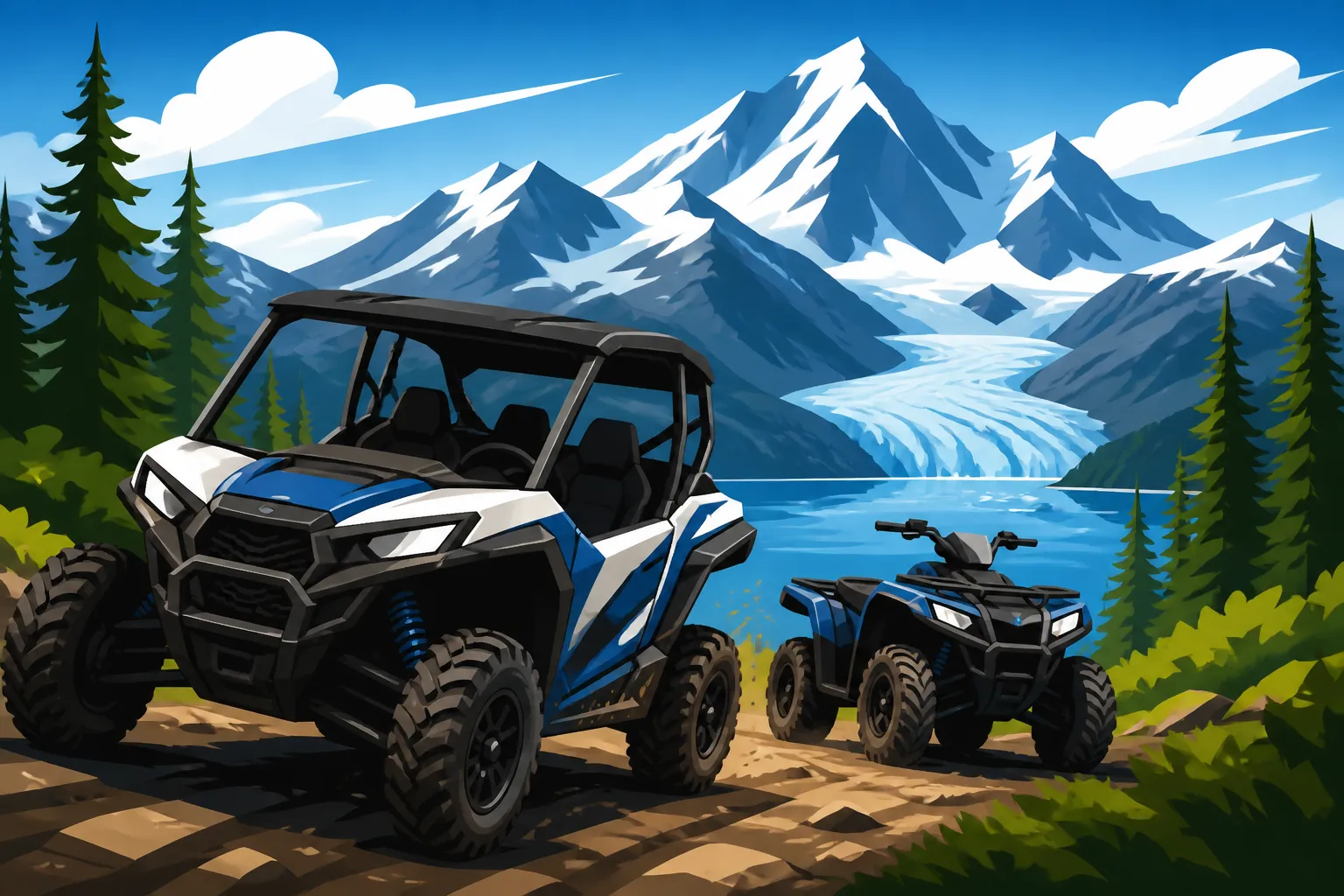
Alaska Side-by-Side Rentals
Choosing a side-by-side rental in Alaska means more than picking a vehicle with enough seats. You also need to match the machine to your route, understand whether the outing is guided, check what the rental includes, and plan for changing weather and remote conditions. This guide explains how to compare options and avoid surprises before you book.
Choose between a self-guided rental and a guided tour
A self-guided rental gives you control over your pace and route, but it also makes you responsible for navigation, machine care, and staying within permitted riding areas. A guided tour provides a planned outing with someone who knows the route and can help manage local conditions. Neither option is automatically better; the right fit depends on your experience, confidence, and reason for riding.
When a self-guided rental makes sense
A self-guided rental may suit you if you are comfortable operating a side-by-side, can follow the rental company’s route instructions, and want flexibility to stop for photos or take breaks on your own schedule. Before booking, ask which areas you may ride, whether the operator supplies a route map, and what to do if you encounter a closure or a trail that feels beyond your ability.
Do not assume that renting a machine gives you permission to ride wherever you can physically reach. Access depends on land ownership, local rules, seasonal conditions, and the rental company’s restrictions. Ask the operator to identify approved riding areas and check whether any separate permit or trailhead pass is needed. Alaska Land Ownership and Who to Ask explains why access can change across a route, even when the starting point is open to riders.
Self-guided riding also asks more of the driver. You will need to monitor fuel, weather, daylight, passenger comfort, and the condition of the route. A trail that looks straightforward on a map may include deep mud, loose rock, water, or uneven ground. If you are unsure how to assess those conditions, a guide can make the outing more manageable.
When a guided tour is a better fit
A guided tour is often the simpler choice for a first-time rider, a visitor with limited time, or a group that wants a route planned around scenery rather than navigation. The guide usually leads the ride and gives a safety briefing, but the exact arrangement varies. Confirm whether you drive your own machine, ride as a passenger, or share a vehicle with someone else.
Ask how long the riding portion lasts, what the tour’s pace is like, and whether the route suits beginners. “Family-friendly” or “scenic” can mean different things to different operators. A useful description should explain the expected terrain, approximate time on the machine, stops, and any age or height restrictions.
Tours may also reduce the amount of trip planning you need to do, but they do not remove every responsibility. You still need clothing for the weather, footwear that works around mud and gravel, and a clear understanding of passenger rules. Read the operator’s instructions before departure rather than relying on a general idea of what an ATV tour includes. For a broader comparison of the two formats, see Alaska Rentals Compared to a Guided Tour.
| What matters most | Self-guided rental | Guided tour |
|---|---|---|
| Route choice | Usually more flexibility within operator limits | Route and pace are set by the operator |
| Navigation | You follow instructions and manage the route | The guide leads the group |
| Experience needed | More confidence and planning are helpful | Can be easier for first-time visitors |
| Schedule | Ask how pickup and return times work | Departure time and tour length are usually fixed |
| Questions to ask | Approved areas, map, fuel range, recovery plan | Group size, route difficulty, stops, passenger setup |
When you compare offers, check the activity itself rather than relying only on the vehicle photo or title. Some listings combine transportation, a guided route, or other activities in different ways. If you use Viator to compare tour listings, verify the operator, meeting location, tour duration, and inclusions directly in the specific listing before booking.
Match the machine to your group and route
Side-by-sides vary in seating, size, handling, and features. A larger vehicle may make it easier to bring several passengers together, but it can also be wider and heavier than a small quad. Think about who will ride, how much space you need, and the terrain you expect—not simply how many seats are available.
Count seats and occupants carefully
A two-seat machine may work well for a driver and one passenger. A four-seat model can keep a family or group together, but do not assume every passenger can ride in every vehicle. Ask the rental company to confirm the legal seating capacity and explain how passengers must be positioned and restrained.
Check whether the stated capacity includes the driver. Ask about the operator’s minimum passenger age and any height or supervision rules. Children’s ability to sit securely and reach the restraints matters; a seat being physically available does not guarantee that it is appropriate for a particular child.
For larger groups, the operator may offer more than one vehicle. That changes the outing: drivers may need to stay together, communicate with each other, and manage different experience levels. Ask how the tour handles a group split across machines and whether everyone must meet the same driver requirements. The details in Alaska Rentals With Four Seats can help you frame questions about family or group seating.
Consider comfort and equipment
A cab enclosure, windshield, doors, or heat can make a ride more comfortable in cold, wet, or windy conditions, but availability varies by machine and rental. A vehicle described as enclosed may not be fully sealed against rain or dust. Ask what protection the specific model offers and whether the doors can be removed or opened.
Other useful questions include:
- Does the machine have seat belts for every passenger?
- Is there a roof, windshield, or other weather protection?
- Is storage available for small bags, water, or extra layers?
- Are helmets included, and what sizes are available?
- Does the vehicle have features such as power steering or a winch?
- Are passenger restraints checked during orientation?
Treat equipment descriptions as starting points, not guarantees. A model name alone does not tell you the condition of the machine or what accessories are installed. Confirm the actual vehicle or an equivalent model with the operator.
Think about size, weight, and handling
A side-by-side can feel familiar to a car driver, but it does not behave like a car. It may be wider than expected, have a different turning feel, and respond differently on loose or uneven ground. A larger vehicle can be harder to place on a narrow trail and may need more care around rocks, ruts, or soft ground.
If you have never driven one, say so when booking. Ask whether the operator offers a practice area or orientation drive, and whether the planned route is intended for beginners. Do not let a passenger or another driver pressure you into a route that feels unsuitable. Turning back or choosing a less demanding outing is better than continuing into terrain you cannot safely handle.
Pick a location and route that fit your trip
Alaska’s riding opportunities are spread across large distances, and rental pickup points are not interchangeable. A machine near Anchorage does not automatically make a distant riding area practical for the same day. Work backward from the pickup location, your lodging, the route, and the time you need to return the vehicle.
Start with where you will be staying
A rental near your hotel or tour pickup point can save time, but proximity alone does not answer whether you can ride from the rental shop to a trail. Some rentals are transported to a designated area; others require you to tow or haul the machine. Ask what the booking actually includes and whether the listed meeting point is the riding location or just the place where you collect the vehicle.
For visitors planning around Anchorage, Palmer, Willow, or another area, compare driving time with the full rental schedule. Build in time for check-in, paperwork, safety instructions, fueling if required, and the return inspection. A booking window can include tasks that do not involve riding, so do not treat the entire stated period as trail time.
Ask what the route is actually like
Ask the operator to describe the terrain in plain terms. Useful details include whether the route is mostly gravel, dirt, mud, rock, or mixed surface; whether it has water crossings; how narrow or steep it gets; and whether conditions change after rain. If a route description relies on broad labels such as “easy” or “moderate,” ask what a first-time driver should expect.
A route can also be affected by weather, closures, water levels, or land-access restrictions. Confirm what happens if the intended area is unavailable on your scheduled day. The operator may switch routes, reschedule, or apply its cancellation policy; do not assume one arrangement.
Where a ride starts near a popular area, check current access requirements. A trailhead pass or day-use charge may be separate from the rental, or the rental operator may handle it. For example, riders considering the Mat-Su area can review Alaska Mat-Su Trailhead Parking Passes and confirm with the operator which, if any, charges apply to their specific outing.
Account for drive time and remoteness
Alaska’s distances can make a short ride part of a full-day plan. Do not schedule a rental immediately before a flight, cruise departure, or another activity with a fixed start time unless you have a generous buffer. A late return, traffic, weather, or a longer-than-expected orientation can disrupt the rest of your day.
Ask how far the riding area is from the pickup point and whether the rental company provides transportation or delivery. If you are expected to move the machine yourself, clarify whether a trailer is supplied, what vehicle is needed to tow it, and where you may park at the riding area. The article Alaska Rentals Without a Truck covers the practical questions to ask if you do not have a suitable tow vehicle.
For remote rides, mobile coverage may be limited or absent. Ask what communication or recovery support the operator provides, what emergency procedure to follow, and whether you should carry a map or other navigation tool. A route close to a road can still have stretches where help is not immediate.
Understand the rental cost and what is included
There is no single price that describes an Alaska side-by-side rental. The amount you pay depends on the vehicle, rental duration, location, season, group size, and what is bundled. Compare the full terms for the exact dates you want, and check with the provider for current figures rather than relying on an old listing or a general estimate.
Compare the full cost, not just the headline
A displayed rental amount may not include every charge. Depending on the provider, there may be separate costs for fuel, delivery, trail access, equipment, cleaning, damage, or a guided service. Taxes and local charges can also affect the total. Ask for an itemized estimate before you commit.
For a self-guided rental, check how the rental period is measured. The clock may start at pickup, at the time on your reservation, or according to the provider’s stated schedule. Ask when the vehicle must be returned and what happens if you are late. A longer booking is not automatically better if much of the extra time will be spent driving to the trail or waiting through check-in.
The guide Alaska Side-by-Side Rental Cost discusses the main factors that can affect what you pay. Use it as a checklist of cost categories, then confirm the current total with the rental company.
Verify gear, fuel, and trail charges
Inclusions differ, even when two listings seem to describe similar rides. One rental may include helmets while another expects you to bring or rent them separately. A guided outing may include a route leader but not meals, outerwear, transportation, or trail fees.
Before booking, ask whether the following are included or charged separately:
- Helmets and other protective gear
- Fuel, and whether you must return the machine with a full tank
- Trailhead passes or day-use fees
- Delivery, pickup, or transportation to the riding area
- Weather gear or outerwear
- Maps, communication devices, or navigation equipment
- Cleaning after mud, silt, or heavy dirt
- Recovery if the machine becomes stuck
- A guide or tour service
Do not assume that a rental includes the safety equipment you need. Confirm sizes, condition, and availability for each rider. Alaska Rentals That Include Gear offers more detail on what to check before departure.
Ask how deposits and damage charges work
Some providers require a deposit or place a temporary authorization on a payment card. The amount and release timing depend on the provider, so confirm those details before travel. Ask whether the deposit is separate from the rental charge and what circumstances could lead to a deduction.
Read the damage terms carefully. Ask how the company distinguishes normal dirt from chargeable cleaning, what happens if a tire is damaged, and who pays for recovery after a machine gets stuck. Do not rely on a verbal summary if written terms are available. Photographing the vehicle at pickup and reporting existing damage before leaving can help establish its condition.
Check booking, pickup, and driver requirements
A reservation is only useful if the named driver qualifies, the group can reach the pickup point, and the paperwork matches the provider’s requirements. Confirm these items before paying or arranging transportation.
Confirm age, license, and driver rules
Rental companies set their own eligibility requirements, which may be different from the rules that apply to riding generally. Ask the operator who may drive, what identification is required, whether an ordinary driver’s license is acceptable, and whether every additional driver must be listed on the booking.
Do not assume that a passenger can switch into the driver’s seat during a ride. The operator may require each driver to complete check-in, orientation, and paperwork. If more than one person wants to drive, confirm that arrangement in advance. For more on the practical questions around eligibility, see Alaska Rental Driver’s License Rules and Alaska Rental Age and Deposit Rules.
International visitors should ask what documents the operator accepts. If your license is not in English or uses a different format, confirm whether extra documentation is needed. Do not wait until pickup to find out that the named driver cannot satisfy the company’s requirements.
Read the agreement and waiver
A rental waiver does not mean that every risk or cost disappears. Read the rental agreement for restrictions on where you may ride, who may drive, passenger rules, hours of use, prohibited behavior, and what happens after a breakdown. Check whether the agreement limits coverage or makes you responsible for certain losses.
If the terms are unclear, ask for an explanation before signing. Pay particular attention to the company’s instructions about water, mud, steep terrain, towing, and taking the machine outside approved areas. Alaska Rental Waivers You Sign can help you identify the sections worth reading closely.
Keep a copy of the contract or confirmation accessible during the ride, along with the operator’s contact information. If the company gives you a route map or instructions, make sure you can access them without relying on a weak mobile signal.
Plan pickup and return logistics
Confirm the exact pickup address, parking arrangements, check-in time, and what happens if your group is delayed. If the rental is delivered to a trailhead, establish who will meet you, how to identify the vehicle, and where to return it.
Ask whether the machine must be cleaned or refueled before return. Clarify whether a late return creates an additional charge and what to do if weather or a mechanical problem delays you. Save the provider’s number and the breakdown or emergency contact separately from the booking app.
At pickup, take time to inspect the machine with staff. Check tires, lights, belts and restraints, controls, mirrors if fitted, and visible body damage. Point out issues before departure and ask the staff member to record them. If a problem appears on the trail, stop in a safe place and contact the operator rather than attempting a repair you are not trained to make.
Ride with safety and Alaska conditions in mind
Alaska weather and trail conditions can change during a ride. A comfortable departure does not guarantee the same conditions later, especially in exposed areas or on routes that include water, mud, or loose surfaces. Plan for variation, and follow the rental company’s route and safety instructions.
Dress for changing weather
Wear layers that can handle wind, rain, and temperature changes. A warm day in town can feel much colder when you are moving in an open vehicle, and a wet layer can make a long ride uncomfortable. Sturdy footwear helps around gravel, mud, and uneven ground. Avoid loose clothing or anything that could interfere with controls or restraints.
Ask which protective equipment is supplied and what you should bring yourself. A helmet should fit securely and be appropriate for the rider. If you wear glasses, ask whether they fit comfortably with the available helmet. Carry any medication, water, and personal items you need, but keep them secured so they cannot fall out.
Use restraints and follow the briefing
Every occupant should use the seat belt or restraint provided. Keep arms and legs inside the vehicle, stay seated while it is moving, and follow the driver’s instructions. Passengers should not distract the driver or lean out to take photographs. Stop in a safe place before handling a camera or phone.
Listen carefully during the orientation. Ask for a demonstration of the controls, braking, shifting, four-wheel drive, and any machine-specific features you have not used before. Make sure you know how to stop the vehicle safely and how to contact the rental operator. If anything is unclear, ask before leaving.
Respect trail conditions and land access
Stay on the route you are authorized to use. Riding around a muddy section or closure can damage vegetation, create a new trail, or take you onto land where access is not allowed. Do not enter private property or assume that a visible track is open simply because another vehicle has used it.
Water crossings deserve particular caution. Depth, current, bottom conditions, and channels can change. Never follow another vehicle into water without judging whether your own machine and experience are suited to the crossing. If the route looks unsafe or conditions have changed, turn back and contact the operator. A rental company’s route instructions do not guarantee that every crossing is safe at the moment you reach it.
If the ride includes a remote stretch, keep the group together and agree on a simple plan for stops and separation. The guide Alaska Guided Tour Cost Per Person is about pricing, but its comparison can also help clarify what services a guided outing may provide compared with managing a route independently.
Book with a clear plan
The best rental is the one that fits your group, route, schedule, and comfort level—not necessarily the largest machine or the longest booking. Before you reserve, use a short checklist to compare the whole outing.
- Choose the format. Decide whether you want a self-guided rental or a guided tour.
- Confirm the route. Ask where you may ride, what terrain to expect, and how closures are handled.
- Match the vehicle to the group. Confirm seating, passenger eligibility, and who may drive.
- Request the complete cost. Ask about fuel, gear, trail fees, delivery, deposits, cleaning, and recovery.
- Check timing and transport. Confirm pickup, return, travel time, towing needs, and parking.
- Read the terms. Review the waiver, damage rules, route limits, cancellation policy, and late-return procedure.
- Plan for conditions. Pack suitable layers, secure essential items, and ask what communication support is available.
If you are comparing listings through Polaris Adventures, check the details for the specific local operator and machine rather than assuming every listing has identical equipment or terms. For marketplace listings on Viator, confirm the tour provider and the practical arrangements directly in the selected offer. In either case, a platform listing is a starting point for comparison; the operator’s current instructions govern the ride.
A little preparation makes it easier to enjoy the scenery and less likely that a preventable detail—such as a missing driver document, unsuitable vehicle, or unclear return time—will disrupt the day. When in doubt, ask the rental company specific questions and choose a route that leaves room for changing conditions.
Frequently Asked Questions
Do I need experience to rent a side-by-side in Alaska?
Requirements vary by rental company. Some operators may accept first-time drivers after an orientation, while others may set experience or age conditions. Tell the company your experience level and ask whether the machine and route are suitable for beginners.
Can I take a rental side-by-side anywhere I find a trail?
No. A rental does not grant general access to land. Follow the operator’s approved route and check land access, closures, and any required passes or permissions before riding.
Are helmets and fuel included?
Inclusions vary. Confirm whether helmets, fuel, trail charges, and other equipment are part of the rental or billed separately. Ask about helmet sizes and whether you must return the machine with a full tank.
Is a guided tour safer than renting on my own?
A guide can help with route navigation and local conditions, which may be useful for beginners or visitors unfamiliar with the area. But every ride still involves risk. Choose an outing suited to your experience, follow the safety briefing, and do not continue into conditions that feel unsafe.
Disclaimer
This article is for general informational purposes only and does not constitute professional advice. Laws, prices and regulations vary by location and change over time. Consult a qualified professional for guidance on your specific situation.