Checking an Alaska Machine for a Theft Report
Buying a used ATV or UTV in Alaska can be a fantastic way to access our incredible backcountry, but it also comes with a unique set of worries. One of the biggest fears for any buyer is unknowingly purchasing a stolen machine, which can turn your dream ride into a legal nightmare. This guide will walk you through the essential steps to check an Alaska machine for a theft report, helping you make a confident and secure purchase.
Why Checking for a Theft Report is Crucial in Alaska
Let's be honest, the thought of buying a great deal on a quad only to find out it was stolen is enough to make anyone's stomach drop. Here in Alaska, where machines are often bought and sold through private parties, sometimes with minimal paperwork, the risk can feel even higher. Taking the time to do your due diligence isn't just a good idea; it's absolutely essential to protect yourself.
The Hidden Risks of an Unchecked Purchase
Imagine this scenario: you find what seems like the perfect side-by-side on a local online marketplace, meet the seller, hand over your hard-earned cash, and eagerly haul it home. A few weeks later, you're out enjoying a trail ride when an Alaska State Trooper pulls you over for a routine check, runs the VIN, and informs you that the machine was reported stolen two years ago from a remote cabin near Tok. Suddenly, your pride and joy is impounded, you're facing uncomfortable questions, and you're out thousands of dollars with no machine to show for it.
This isn't a hypothetical horror story; it happens. If you unknowingly purchase a stolen vehicle, the law is clear: it belongs to its rightful owner. You will lose the machine, and you'll likely receive no compensation for the money you paid. Beyond the significant financial hit, there's the emotional toll. Dealing with law enforcement, potentially being suspected of involvement (even if innocent), and trying to recover your funds from a likely untraceable seller can be an incredibly stressful and frustrating experience that nobody wants to endure.
Alaska's Unique Market and Vulnerabilities
Alaska's vastness and independent spirit, while charming, can sometimes create an environment ripe for less-than-above-board transactions. Our remote communities, lack of widespread formal titling for older machines, and the sheer volume of ATVs and UTVs used for everything from hunting to daily transportation mean that machines can change hands frequently and sometimes informally. An older quad that has been passed down through a few owners in a village, for instance, might not have perfect paperwork, making its history harder to trace. This can be especially true for machines that fall under [Alaska No Title Issued Registrations].
The seasonal nature of riding and storage also plays a role. Machines might be put away for the long winter or summer and then resurface for sale, sometimes after a period where they might have been "misplaced" or taken without permission. The sheer distances involved in Alaska can also make it difficult to track machines across the state, giving unscrupulous individuals more opportunity to move stolen goods. Without a clear paper trail or a way to verify ownership, you, the buyer, are taking on a significant risk.
Essential Steps to Verify Your Machine's History
Okay, so we know why it's important to check. Now, let's talk about how. This isn't rocket science, but it requires careful attention to detail and a bit of persistence. Your goal is to gather as much information as possible to confidently say, "This machine is legitimate."
Locating and Verifying the VIN
The Vehicle Identification Number (VIN) is your machine's unique fingerprint. It's a 17-character alphanumeric code that identifies the manufacturer, make, model, and specific features of the vehicle. If you're serious about protecting yourself, this is the very first thing you need to find and scrutinize.
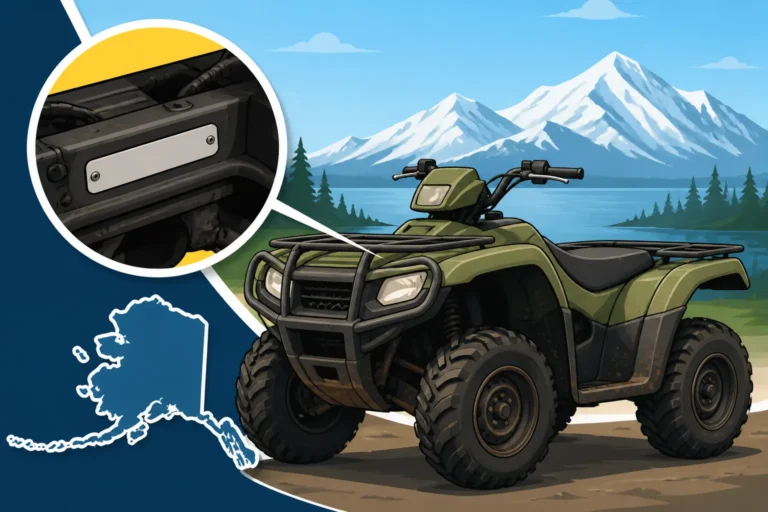
On ATVs and UTVs, the VIN is typically stamped into the frame itself, often on the left-hand side near the front wheel, on the steering column, or sometimes under the seat or on the engine casing. Some newer models might have it printed on a sticker, but it should also be etched into the frame. Take your time to locate it, and once you do, inspect it closely. Look for any signs of tampering: numbers that look like they've been ground off and re-stamped, plates that appear to have been removed and replaced, or any inconsistencies in the font or spacing of the characters. These are huge red flags. It’s also wise to photograph the VIN, especially before winter storage, as covered in [Photographing a VIN Before Winter], as this can serve as an important record.
Critically, the VIN on the machine must match any paperwork the seller provides. This includes a bill of sale, previous registration documents, or even a warranty card for a newer machine. If there's any discrepancy, or if the seller can't provide paperwork showing the VIN, you should be very cautious. Remember, the VIN is unique, and if it looks suspicious, trust your gut. For older machines, understanding [Serial Numbers on an Older Quad] might give you more insight into common locations and formats.
Utilizing Online Databases and Resources
Once you have the VIN, it's time to put it to work. There are several online resources that can help you check for theft reports. The most widely recognized, and free, option is the National Insurance Crime Bureau (NICB) VINCheck tool. This public service allows you to enter a VIN and see if the vehicle has been reported as stolen or a total loss by participating insurance companies. It's a great starting point and a quick way to rule out many problems.
Beyond free services, you might consider paid vehicle history reports. While these services typically focus more on automobiles, some do cover powersports vehicles and can offer a more comprehensive look at a machine's past, including accident history, previous ownership, and sometimes even odometer discrepancies. While they come with a fee, the peace of mind they offer can be invaluable, especially for a significant investment.
When preparing a bill of sale for your transaction, platforms like LawDepot can be incredibly helpful. They offer customizable legal documents, including a robust [Alaska Bills of Sale for a Used Machine] template that ensures all critical information, including the VIN, is properly documented. Having a professionally structured document from LawDepot can add an extra layer of protection and clarity to your purchase.
Contacting Law Enforcement (Troopers or Local Police)
If you've checked online databases and still have questions, or if the online results are inconclusive, don't hesitate to reach out to local law enforcement. You can contact the Alaska State Troopers or your local police department directly. They have access to state and national databases that might not be publicly available, and they can perform a quick check to see if the VIN you provide is associated with any active theft reports.
When you call, be prepared to provide the VIN, any details you have about the seller (their name, contact information, the location where you saw the machine), and your own contact information. They might not be able to give you a detailed history of the vehicle, but they can definitively tell you if it's currently listed as stolen. This direct verification is often the most reliable way to confirm the machine's status and can save you a world of trouble down the line.
Red Flags and Protecting Yourself During the Purchase
Unfortunately, not every seller is honest. It's critical to approach any private sale with a healthy dose of skepticism and to be aware of common warning signs that might indicate a stolen machine or a fraudulent seller. Trusting your instincts is key here.
Common Warning Signs of a Stolen Machine
When you're looking at a machine, certain indicators should immediately raise a red flag and make you question the deal. Being aware of these can save you a lot of grief:
- Price that's too good to be true: If the asking price is significantly lower than similar machines you've seen, especially for a desirable model in good condition, it's a major warning sign. While some sellers might just want a quick sale, an unusually low price can indicate that they're trying to offload stolen goods quickly.
- Seller eager to sell quickly: If the seller is pressuring you to make an immediate decision, insisting on cash, or seems uncomfortable with you asking questions or taking your time to inspect the machine thoroughly, be wary. Scammers and those selling stolen items often want to complete the transaction as fast as possible to avoid scrutiny.
- Lack of paperwork, or inconsistent paperwork: This is perhaps the biggest red flag. A legitimate seller should be able to provide some proof of ownership, whether it's a prior registration, a bill of sale from when they bought it, or a title (especially for newer machines, as [Alaska APV Titling Required Since 2022]). If they claim to have [Alaska Machines With No Paperwork] and have no explanation, or if the VIN on any provided documents doesn't match the machine's VIN, walk away. Similarly, if the names on the documents don't match the seller's ID, that's also suspicious.
- Tampered VIN plate or fresh paint in odd places: As mentioned earlier, physically inspect the VIN. If it looks altered, scratched out, or if there's fresh paint over areas where a VIN should be, this is a clear sign that someone is trying to hide something. Always examine the frame carefully.
- Seller unwilling to provide personal identification or meet at a fixed address: A legitimate seller should be willing to show you their driver's license to verify their identity, especially if you're writing up a bill of sale. If they insist on meeting in a random parking lot or refuse to give you their real name or contact info, they might be hiding something.
- Only generic keys provided: If the machine only comes with a generic key, or if the seller shrugs when you ask about original keys, it could suggest the machine was hot-wired or stolen.
Best Practices for a Secure Transaction
Beyond spotting red flags, there are proactive steps you can take to protect yourself when [Buying From a Private Seller in Alaska]. Think of these as your personal shield against potential fraud.
- Always meet in a public place during daylight hours. This offers safety for you and creates a less intimidating environment. A bank parking lot, a busy store parking lot, or even a local DMV office could work.
- Insist on a detailed bill of sale. This document is your proof of purchase. It should include the full names and addresses of both buyer and seller, the date of sale, the purchase price, and most importantly, the complete VIN of the machine. LawDepot provides excellent templates for [Alaska Bills of Sale for a Used Machine] that you can fill out together, ensuring all necessary legal details are included. This documentation is crucial if you ever need to register the machine or if any issues arise later. You can also refer to [What Alaska's ATV Registration Form Asks For] for details that might be relevant for your bill of sale.
- Verify the seller's identity. Ask to see their driver's license and compare the name on it with the name they are using on the bill of sale. Take a photo of their ID (with their permission) for your records.
- Consider a conditional payment. If possible, arrange for payment that can be tracked, like a cashier's check or bank transfer, and make it conditional on a final VIN verification. This might not always be feasible, but it adds another layer of security.
- Ask for previous registration or title documents. Even if Alaska doesn't require titles for older machines, a responsible owner should have some form of prior registration or a bill of sale from their purchase. This helps establish a chain of ownership. If they have none, and you’re faced with [Registering a Quad When the Paperwork Is Lost], the process becomes more complicated. An affidavit naming the seller might be an option, as detailed in [What an Affidavit Naming the Seller Must Include].
- Bring a friend. Having a second set of eyes and an extra witness is always a good idea, both for safety and for catching details you might miss.
Here’s a quick summary of red flags versus secure practices:
| Red Flag (Warning Sign) | Secure Practice (Action to Take) |
|---|---|
| Price too good to be true | Research market value; proceed with extreme caution |
| Seller pushes for quick cash sale | Insist on proper documentation; meet in public |
| Missing or inconsistent paperwork | Demand a detailed bill of sale with VIN; verify seller ID |
| Tampered VIN or fresh paint | Inspect VIN carefully; if suspicious, walk away |
| Seller avoids ID or fixed address | Meet in public; request seller's photo ID |
| Only generic keys provided | Ask about original keys; inquire about how they obtained it |
| Reluctance to let you inspect machine | Thoroughly inspect the machine and test-ride if possible |
| No history available online | Contact Alaska State Troopers for a direct check |
Following these guidelines will significantly reduce your risk and increase your confidence in your purchase. Always remember that if a deal feels off, it probably is. There will always be another machine.
What to Do If You Discover a Stolen Machine
Despite your best efforts, sometimes things go wrong. Knowing what to do if you encounter a stolen machine—either before or after a purchase—is crucial. Your actions can protect both yourself and the rightful owner.
Immediate Actions to Take
If you suspect a machine is stolen before you've exchanged any money, the advice is simple and firm: walk away immediately. It's not worth the legal headaches, the financial loss, or the emotional stress. Do not try to be a hero, do not try to "reclaim" it yourself, and do not confront the seller. Instead, gather any information you have—the VIN, seller's contact details, location, and photos of the machine—and report it to the Alaska State Troopers or your local police department. Let them handle the investigation.
If, heartbreakingly, you discover the machine you've already purchased is stolen, your immediate priority is still the same: contact law enforcement without delay. Call the non-emergency line of the Alaska State Troopers or your local police. Do NOT attempt to contact the seller yourself, as this could put you in a dangerous situation or complicate the police investigation.
When you report it, provide all the documentation you have: your bill of sale, any communication with the seller, their contact information, the VIN of the machine, and any photos you took. The more information you can provide, the better the chances for law enforcement to investigate and potentially recover the machine for its rightful owner. This also demonstrates your good faith as a buyer and helps clear your name from any suspicion.
The Aftermath and Your Options
Once you've reported a stolen machine you unwittingly bought, prepare for a difficult process. The machine will almost certainly be impounded by law enforcement and, after verification, returned to its original, rightful owner. This means you will lose the machine you bought.
Recovering your money from the seller is often the hardest part, and frankly, it's rarely successful. In most cases, finding the original thief is difficult, and even if they are caught, they often have no assets to repay you. Your recourse typically becomes a civil matter, meaning you would have to sue the seller for the purchase price. This involves legal fees, court time, and there's no guarantee of winning, or even collecting if you do win. The seller might disappear, be uncooperative, or simply have no money to repay you. The entire situation can become a drawn-out, costly, and frustrating experience, providing little to no satisfaction or financial recovery.
This underscores why prevention is so incredibly vital. Taking the time to perform thorough checks—verifying the VIN, utilizing online databases, contacting LawDepot for a secure bill of sale, and engaging law enforcement if needed—is a small investment of time that can save you from immense financial and emotional distress. Better to spend a few hours verifying a machine's history than to lose thousands of dollars and your new ride. While there are some provisions in Alaska for [Two Uncontested Years] of ownership for certain vehicle types when paperwork is lost, this doesn't apply to stolen property. Always err on the side of caution. Your [Alaska Registration Paperwork Checklist] for a new machine should always include clear proof of legal ownership to prevent such a scenario.
Disclaimer
This article is for general informational purposes only and does not constitute professional advice. Laws, prices and regulations vary by location and change over time. Consult a qualified professional for guidance on your specific situation.