Alaska Bans APVs in Wasilla and Palmer
It's incredibly frustrating when you've got your ATV or UTV all shined up, ready for a ride, only to hit a wall of confusion about where you can actually take it in towns like Wasilla and Palmer. You see others riding, or maybe you've heard conflicting stories, and it leaves you wondering if you're risking a ticket just by trying to get from point A to point B. This guide is here to clear up that confusion, diving deep into the specific ordinances in Wasilla and Palmer that affect all-purpose vehicles (APVs), explaining the state laws, and pointing you toward legal riding opportunities nearby, so you can enjoy your machine without the worry.
Understanding Alaska's Statewide APV Road Rules
Before we zoom in on Wasilla and Palmer, it's really important to grasp the bigger picture of how Alaska generally handles All-Purpose Vehicles (APVs) on its roads. The state has a framework, but it gives a lot of power to local municipalities to set their own rules. This is often where the confusion begins, because what's perfectly fine in one rural area might land you a significant fine just a few miles down the road in another community.
The General State Allowance for APVs
First off, let's talk about the statewide baseline. Alaska does have provisions that allow APVs on certain public roads. This isn't some free-for-all, mind you, but a carefully controlled allowance. Generally speaking, if a road is posted with a speed limit of 45 mph or less, and it's not explicitly prohibited by a local ordinance, an APV can potentially be operated on it. This is a common point of misunderstanding because many riders assume "public road" means "any road," and that's just not the case. The intent here is usually to allow access to trail systems, local residences, or subsistence activities, not to create a recreational thoroughfare in every town. You'll also find that to be legal on these roads, your APV has to meet certain equipment requirements, like having proper headlights, taillights, brakes, and a muffler. It's a bit like making sure your machine is up to basic safety standards for sharing the road with other vehicles, even if it's just for a short stretch. For a deeper dive into these broad regulations, you might want to check out [Alaska APV Road Rules Explained].
The Power of Local Ordinances
Here's where things get really localized and complex. While the state sets a general framework, it explicitly grants boroughs and cities the authority to create their own ordinances regarding APV use within their boundaries. This is why you can have such wildly different rules from one town to the next. A borough might allow APVs on certain rural roads, but then a city within that borough might completely ban them on all city streets. This local control is usually driven by concerns about public safety, noise complaints from residents, road wear, and simply the character of the community. Think about the bustling main street of a city versus a quiet gravel road out in the bush. The needs and expectations are totally different. So, even if the state says an APV could theoretically operate on a 45 mph road, a local ordinance can absolutely override that permission within its specific jurisdiction. This is a crucial distinction that often catches riders off guard, leading to tickets and frustration. It really underscores why [Checking a City Code Before You Ride] is so important.
The Specific Bans in Wasilla and Palmer
Now, let's get down to brass tacks regarding Wasilla and Palmer. These aren't just minor restrictions; both communities have taken definitive stances that significantly limit, or outright ban, the use of APVs on most of their public roads. This can be a real shocker for folks new to the area, or those visiting from places with more lenient rules.
Wasilla's APV Ordinance
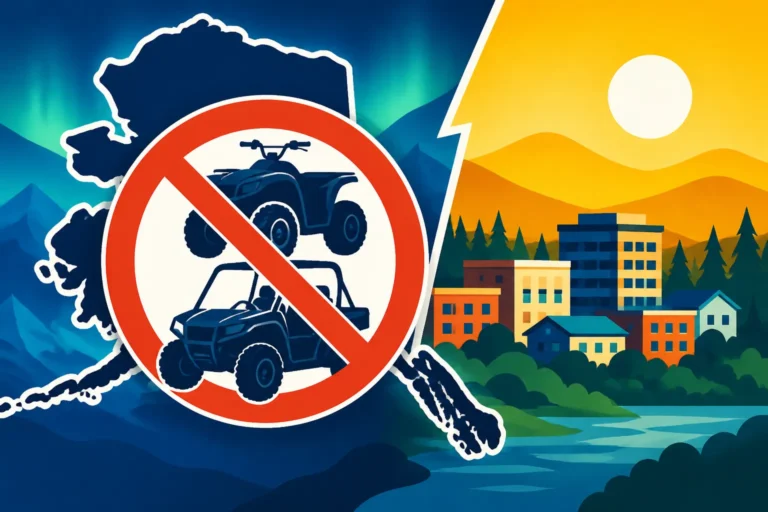
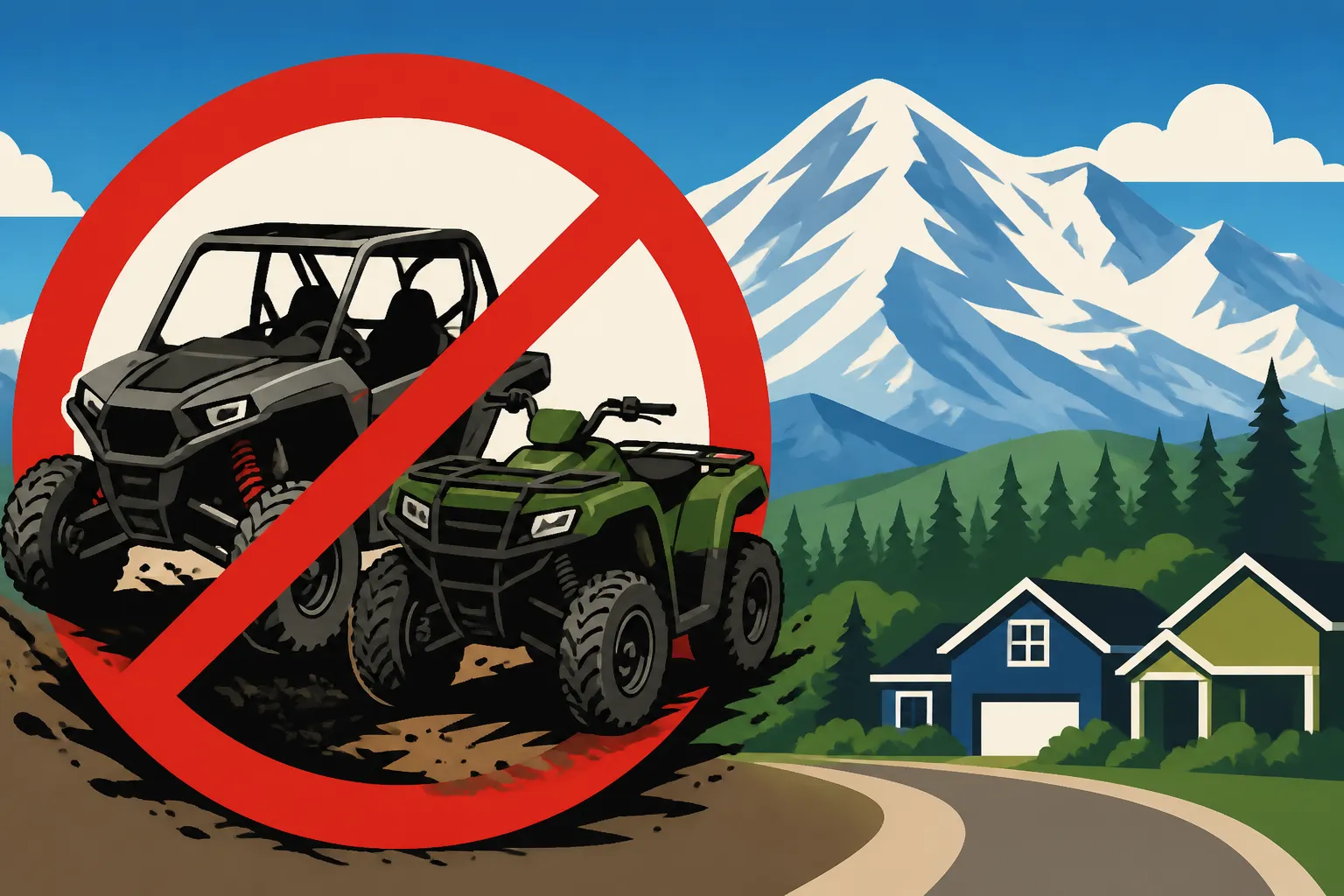
In Wasilla, the situation is pretty clear: the city has an ordinance that generally prohibits the operation of APVs on city streets and rights-of-way. This means that if you're within Wasilla city limits, you typically cannot ride your ATV or UTV on paved or maintained public roads. This isn't a partial ban; it's quite comprehensive. The city's stance is rooted in concerns for public safety, the flow of traffic, and maintaining the quality of life for its residents. Imagine the city's main thoroughfares, like Wasilla-Fishhook Road or parts of the Parks Highway; having ATVs and UTVs regularly traversing these busy roads alongside cars and trucks creates significant safety hazards and traffic congestion. The city aims to keep these vehicles primarily to off-road trails and private property. It's a common misconception that because the surrounding Mat-Su Borough has some areas where APVs are allowed, that permission extends into the city. Unfortunately, it doesn't. You need to be very mindful of where the city limits begin and end, because stepping over that line with your machine can quickly result in a citation. For a broader look at municipal rules, consider [Alaska Municipal ATV Ordinances].
Palmer's APV Ordinance
Palmer, much like its neighbor Wasilla, also has a clear ordinance that bans APV use on most city roads. The picturesque, historic town of Palmer values its quiet charm and pedestrian-friendly atmosphere, and allowing widespread APV use on its streets doesn't align with that vision. You won't find ATVs or UTVs cruising down Palmer's main street or side roads, even if the speed limit is low. The city's regulations are designed to keep these machines off public thoroughfares, directing riders to designated trails and private land instead. This is often a source of confusion because Palmer sits within the Mat-Su Borough, which has vast swaths of land popular with riders. However, the moment you enter the incorporated city limits of Palmer, those general borough rules give way to the city's specific prohibitions. Trying to ride your APV to the grocery store or a local cafe within Palmer is a definite no-go. The local authorities are quite consistent in enforcing these rules, prioritizing the safety and peace of the community over recreational road use. This distinct approach is similar to what you'd find in [Alaska Bans APVs in Anchorage], where larger population centers have more restrictive rules.
Why Local Communities Enact APV Restrictions
It's easy to feel like these bans are just arbitrary rules designed to make your life harder, especially when you love your machine and want to enjoy it. But typically, there are very real, tangible reasons why communities like Wasilla and Palmer decide to restrict or prohibit APV use on their roads. Understanding these motivations can help you grasp the "why" behind the "what."
Public Safety Concerns
One of the biggest drivers behind APV bans on city streets is public safety. Let's be honest, ATVs and UTVs are designed primarily for off-road use. They handle differently than cars or trucks, often have different braking characteristics, and sometimes lack the visibility features standard on street-legal vehicles. When you mix these machines with regular road traffic—especially in busy areas with schools, businesses, and residential zones—the potential for accidents increases significantly. Drivers of traditional vehicles might not expect an APV to be on the road, and APV riders, accustomed to off-road terrain, might not be fully prepared for the dynamics of street traffic. There's also the matter of children; while some larger machines are meant for adults, many smaller ATVs are ridden by younger operators, and putting them in a road environment with cars is a major concern for parents and city officials alike. These towns are trying to prevent serious injuries or fatalities that could result from such interactions.
Noise and Nuisance Complaints
Another significant factor, particularly in residential areas, is noise. Many ATVs and UTVs, especially those with aftermarket exhausts or performance modifications, can be quite loud. While that might be part of the fun out on a trail, it becomes a major nuisance when machines are constantly driving past homes, parks, or quiet neighborhoods. Residents have a reasonable expectation of peace and quiet, and frequent loud engine noise can disrupt that. This isn't just about personal preference; persistent noise can affect property values, stress levels, and the overall livability of a community. City councils often hear from residents who are fed up with machines zipping by at all hours, and these complaints often lead directly to stricter ordinances. Even if your machine is bone stock and quiet, the perception of noise from some machines can unfortunately lead to blanket bans.
Road Wear and Infrastructure
While it might not be the primary reason for a total ban, the issue of road wear and tear can also play a role. APVs, particularly those with aggressive knobby tires, can contribute to accelerated wear on paved surfaces. This is especially true if machines are sliding or spinning tires, which can chew up asphalt. For cities with limited budgets for road maintenance, protecting their existing infrastructure is a serious consideration. Every crack and pothole costs money to fix, and if APVs are seen as contributing disproportionately to that damage, it adds another layer to the argument for keeping them off city streets. Additionally, issues like fluid leaks from older machines or the tracking of mud and debris onto clean roads can also factor into community discussions about allowing APV access.
Where You Can Ride Your APV Legally Near Wasilla and Palmer
Just because you can't ride your ATV or UTV on city streets in Wasilla and Palmer doesn't mean you're out of luck in the Mat-Su Valley. This region is a true paradise for off-road enthusiasts, boasting vast expanses of public land and dedicated trail systems that welcome APVs. The key is knowing where to go and how to get there legally.
Popular Trail Systems and Public Lands
The Mat-Su Valley is renowned for its incredible outdoor recreation opportunities, and that certainly extends to ATV and UTV riding. You'll find a wealth of legal places to ride just a short drive from Wasilla and Palmer.
- Knik River Public Use Area (KRPUA): This is perhaps the most famous and extensive riding area in the region, offering over 200,000 acres of diverse terrain. From wide-open braided riverbeds to technical trails, the KRPUA provides endless exploration opportunities. You can spend days out here and never ride the same path twice. Access points are typically found off the Old Glenn Highway, heading east from Palmer. It’s a vast area, so make sure your machine is prepped for long rides, perhaps with some robust aftermarket parts from a company like SuperATV to handle the rugged Alaska terrain. The scale of this area is phenomenal, perfect for a full day or even a multi-day trip. You can find more details on [Knik River Public Use Area in Alaska].
- Jim Creek Recreational Area: Located near Palmer, Jim Creek offers a mix of designated trails and access to the Knik River area. It's often a bit easier to navigate for newer riders or families looking for a less intense experience, though it still has its challenging sections. There are campgrounds and day-use areas, making it a convenient spot for a weekend getaway. You'll often find families riding together here, enjoying the scenery and the camaraderie. Just be aware of the rules within the campground itself, as speed limits are usually enforced strictly. Consider [Jim Creek Riding in Alaska] for more information on what this area offers.
- Other State Lands and Forest Service Roads: Beyond these major hubs, there are numerous state lands and designated Forest Service roads throughout the Mat-Su Borough that permit APV use. These are often accessible via gravel roads off the main highways, leading to remote areas perfect for hunting, fishing, or simply exploring. It’s crucial to know the land status before you venture out. Always consult Alaska Department of Natural Resources (DNR) maps or apps to ensure you're on public land where APV use is allowed. Some of these areas require a general permit for state land use, so it's wise to be prepared. For areas requiring specific access, sometimes getting appropriate permissions can be key to unlocking unique riding experiences. A good resource to consult is [Alaska State Land Riding Explained].
Accessing Trailheads and Parking
One critical piece of the puzzle is how to legally get your machine to these riding areas without violating the city bans. Since you can't ride through Wasilla or Palmer, you'll need to trailer your ATV or UTV to the designated trailheads.
- Trailer Your Machine: This is the most common and safest method. Load your machine onto a utility trailer and tow it with your truck or SUV. This completely bypasses the city street bans, as your APV is simply cargo, not being operated on the road. Many riders choose to invest in a good trailer for this reason, ensuring they can access all the incredible riding spots Alaska has to offer. Make sure your trailer is properly registered and roadworthy, and that you have all the necessary tie-downs to secure your machine safely for the drive.
- Designated Trailhead Parking: Both the Knik River Public Use Area and Jim Creek have dedicated parking areas for trucks and trailers. Some of these may require a parking pass or a day-use fee, so always check ahead. For example, some Mat-Su trailheads like Government Peak may require [Alaska Trailhead Passes at Government Peak]. These fees often go directly back into trail maintenance and improving facilities, so they're well worth it. Arrive early, especially on busy summer weekends, as parking can fill up quickly. Be respectful of other users, and park only in designated spots to avoid blocking access or damaging vegetation.
Navigating Enforcement and Staying Informed
It's one thing to know the rules, but it's another to confidently navigate the real world where those rules are enforced. Nobody wants to deal with a citation or a run-in with law enforcement, especially when you're just trying to enjoy your hobby. Understanding enforcement and how to stay updated is crucial for responsible riding in the Mat-Su Valley.
Penalties for Violating Bans
If you decide to disregard the local ordinances in Wasilla or Palmer and ride your APV on a prohibited street, you're likely facing a citation. The specific penalties can vary, but generally, they can include fines, and potentially even impoundment of your machine in more egregious or repeated offenses. Local law enforcement, including city police and state troopers, are aware of these ordinances and do patrol areas where violations are common. A ticket can put a significant damper on your day, not to mention the financial cost. For example, general state penalties for riding an unregistered machine can be steep, as covered in [Alaska Penalties for Riding Unregistered], and riding where prohibited adds another layer of violation. It’s not just a slap on the wrist; these can be legitimate fines that impact your wallet and your record. It's always better to err on the side of caution and only ride where you are absolutely certain it's legal.
How to Stay Up-to-Date on Local Rules
The world of local ordinances isn't always static. Rules can change, new designations can be made, or existing enforcement priorities might shift. As a responsible APV owner, it’s in your best interest to stay informed.
- Consult City and Borough Websites: The official websites for the City of Wasilla and the City of Palmer are your primary, most authoritative sources for current ordinances. Look for sections related to "Municipal Code," "Ordinances," or "Public Safety." These sites will have the full text of the laws, which can often be a bit dense to read, but they provide the definitive answers. The Matanuska-Susitna Borough website will also have information relevant to broader borough lands.
- Contact Local Law Enforcement or City/Borough Clerks: If you're unsure about a specific road or area, don't hesitate to call the non-emergency line for the Wasilla or Palmer Police Departments, or the Mat-Su Borough's administrative offices. A quick phone call can save you a lot of trouble. Clerks who handle public inquiries are usually well-versed in common questions about local regulations. It's always better to ask directly than to assume. A specific question like "Can I ride my ATV on X street?" can get you a clear answer, rather than trying to interpret vague signs or rumors.
- Join Local Riding Clubs and Forums: Local ATV and UTV clubs are a fantastic resource. Members are often long-time residents and riders who are intimately familiar with local rules, popular trails, and any recent changes. They can offer practical advice and point you to current information. Online forums or social media groups dedicated to Alaska off-roading can also be good places to ask questions and learn from the community, though always cross-reference information with official sources. For instance, sometimes a well-meaning rider might offer advice based on an outdated rule, so verification is key. Companies like SuperATV, which makes a lot of aftermarket accessories for these machines, also often have communities of riders who share local knowledge, but again, always verify with official sources.
- Read Signs and Posted Notices: When you're out and about, pay close attention to signs. Many trailheads, public land access points, and city limits will have signs posted that indicate permitted or prohibited vehicle use. These signs are there for a reason, and ignoring them won't be an excuse if you're cited. Similarly, if you see a sign that reads "No Off-Road Vehicles" or "APV Prohibited," take it seriously. It’s an immediate indicator of the local rule. You might also want to look for signs related to [Alaska APV Rules by Community] as these can give you a quick overview of what's allowed in that specific area.
| Feature / Location | Wasilla City Limits | Palmer City Limits | General Mat-Su Borough (State Lands) |
|---|---|---|---|
| APV Road Use | Generally prohibited on city streets | Generally prohibited on city streets | Permitted on roads 45 mph or less |
| Enforcement | City Police, State Troopers | City Police, State Troopers | State Troopers, Park Rangers |
| Primary Riding Areas | Must trailer to outside city limits | Must trailer to outside city limits | Knik River PUA, Jim Creek, other state lands |
| Key Concerns Driving Bans | Public safety, noise, traffic | Public safety, noise, town character | Trail access, resource management |
| Required Documents | N/A (not permitted) | N/A (not permitted) | Registration, Proof of Ownership |
Riding an ATV or UTV in Alaska is an incredible experience, offering access to some of the most stunning landscapes in the world. However, like any activity, it comes with responsibilities, especially when it comes to understanding and respecting local laws. While Wasilla and Palmer have made clear decisions to restrict APV use on their city streets, the good news is that the surrounding Mat-Su Valley still offers a wealth of legal and exciting riding opportunities. By trailering your machine to designated trailheads and staying informed about local ordinances, you can enjoy your adventures without the stress of potential fines or conflicts. So, get out there, explore responsibly, and make the most of Alaska's fantastic backcountry!
Disclaimer
This article is for general informational purposes only and does not constitute professional advice. Laws, prices and regulations vary by location and change over time. Consult a qualified professional for guidance on your specific situation.