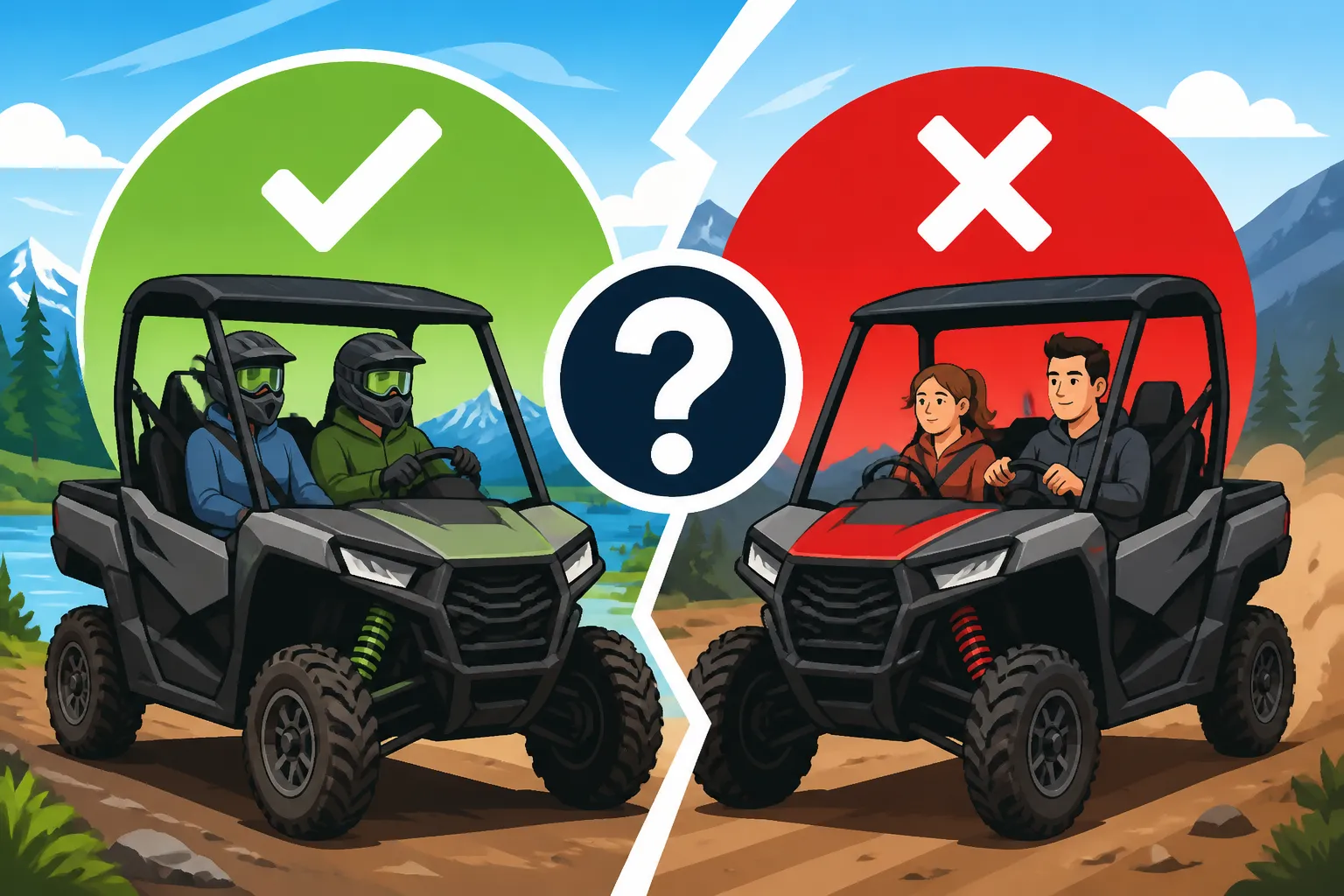
Do APV Passengers Have to Wear a Helmet?
It's a beautiful day for a ride in Alaska, and you’ve packed up the side-by-side with family, gear, and snacks, ready for an adventure. But as everyone piles in, a common question pops up: do all the passengers really need to wear a helmet? It’s a question many of us ask, especially when the law seems a bit hazy, or when we’re just cruising down a quiet trail with experienced riders. This guide is here to cut through the confusion and explain Alaska's specific requirements for APV passengers, helping you keep everyone safe and compliant on your next outdoor excursion.
Alaska's Law for APV Passenger Helmets
When you're out exploring Alaska's stunning landscapes on your all-purpose vehicle (APV), whether it's a quad, a side-by-side, or another eligible machine, safety is always paramount. A big part of that safety, and one often misunderstood, revolves around helmet use, particularly for passengers. It’s easy to assume that if you, as the driver, are over a certain age, helmets are optional for everyone. However, Alaska's law is quite clear, and it specifically addresses the safety of those riding along with you.
The Age Requirement for Mandatory Helmets
Alaska Statute 28.39.020 lays out the foundation for helmet requirements, stating that "a person operating or riding as a passenger on an APV may not operate or ride as a passenger on an APV on public land or a public highway unless the person is wearing a safety helmet." Crucially, it then specifies that this mandate applies to individuals who are under 16 years of age. This means if you have a child, grandchild, or any young person under 16 years old as a passenger in your APV, they absolutely must have a helmet securely fastened while riding on public lands or public highways. This isn't just a suggestion; it's a legal requirement designed to protect our most vulnerable riders.
Think about a common scenario: you're heading out to the Knik River Public Use Area with your family, and your 10-year-old nephew is excited to ride along in the back of your side-by-side. The law doesn't differentiate between the operator and the passenger when it comes to this age group. Both you (if you were under 16) and your nephew must be wearing an approved helmet. This ensures that even in the case of a minor bump or an unexpected stop, they have critical head protection. It’s a measure that reflects the understanding that children, due to their developing bodies and reaction times, are at a higher risk of injury in an accident. You can find more detailed information on this topic in articles like [Alaska Helmet Law for Riders Under 16] and [Alaska Rules for a Child Passenger].
The Driver's Responsibility for Underage Passengers
Beyond the individual requirement, Alaska's APV laws place a significant burden of responsibility on the operator of the machine. As the driver, you are ultimately responsible for ensuring that any passenger under the age of 16 is wearing a compliant safety helmet. This means before you even turn the key, it's your job to confirm that every child on your APV is properly geared up. Failing to do so can result in legal consequences for you, the adult operator, not just the young passenger.
Imagine taking your children or a group of young friends out for a ride on the trails near Jim Creek. You're focused on navigating the terrain, but it’s vital that you've done your due diligence upfront. This responsibility highlights the importance of a thorough pre-ride check. It's not enough to just hand a helmet to a child; you need to ensure it fits correctly and is securely buckled. This preventative step not only fulfills your legal obligation but also provides immense peace of mind. After all, nobody wants a fun day out to turn into a serious incident because of an easily preventable oversight. Understanding [Alaska Passenger Helmet Rules] will give you an even clearer picture of this crucial responsibility.
Beyond the Law: Why All Passengers Should Gear Up
While Alaska's helmet law specifically targets passengers under 16, it's absolutely crucial to understand that a helmet is a smart piece of safety gear for everyone, regardless of age. The trails in Alaska can be unpredictable, and even the most experienced riders and drivers can encounter unforeseen hazards. Relying solely on legal requirements often falls short of truly preparing for the realities of off-road riding. Prioritizing comprehensive safety for all your passengers goes a long way toward enjoying the wilderness responsibly.
The Unpredictable Nature of Alaska Trails
Alaska's trail systems, from the vast expanses of the Mat-Su Valley to the technical loops near Cantwell on the Denali Highway, are wild and untamed. They are precisely what draw us outdoors, but their very nature also presents inherent risks. You could be cruising along a seemingly smooth gravel path one moment, only to hit a hidden rock, root, or unexpected dip the next. A sudden swerve to avoid a moose crossing the trail, an abrupt stop, or even just misjudging a turn can lead to a jarring experience, or worse, a rollover. For passengers, who often have less control over the machine's movement and are relying entirely on the driver, these sudden impacts can be particularly dangerous.
Even at low speeds, a fall or impact can result in serious head injuries if not protected. Think about the heavy gear we carry, the uneven terrain, and the sheer momentum of an APV. A helmet acts as a critical buffer, absorbing and dispersing impact forces that could otherwise lead to traumatic brain injury. It’s not about if you're a good driver; it's about the inherent risks of off-road environments. Prioritizing safety for everyone, including adult passengers, makes every ride safer and more enjoyable.
Choosing the Right Helmet for Safety (and Comfort)
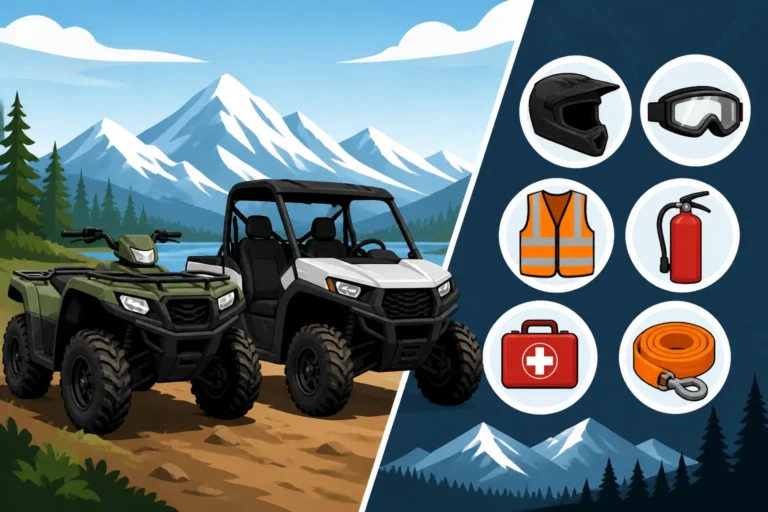
When it comes to helmets, not all are created equal, and choosing the right one is paramount for effective protection. While the law might not specify exact standards for adults, for children, and indeed for anyone, you want a helmet that meets recognized safety certifications. Look for helmets that are certified by organizations like the Consumer Product Safety Commission (CPSC), the Department of Transportation (DOT), or the Snell Memorial Foundation. These certifications mean the helmet has undergone rigorous testing to prove its ability to withstand impacts and provide reliable protection.
A proper fit is just as important as the certification. A helmet that's too loose can shift during an impact, failing to protect effectively, while one that's too tight can be uncomfortable and distracting. For passengers, especially those who aren't constantly engaged in driving, comfort is key to ensuring they actually wear it for the entire ride. Many retailers, including SuperATV, offer a wide range of helmets that meet these rigorous safety standards, ensuring you can find something suitable for every passenger, regardless of age or head size. It’s worth the investment in a quality helmet to know that you and your loved ones are as protected as possible against the unexpected. For more insight into these standards, check out [What the CPSC Helmet Standard Actually Requires] and [Choosing a CPSC Helmet for a Young Rider].
What Happens If a Passenger Isn't Wearing a Helmet?
Nobody wants a fun day on the trails to end with a ticket, but understanding the consequences of not following Alaska's APV helmet laws is essential. It's not just about a minor inconvenience; fines can add up, and repeat offenses can lead to even steeper penalties. More importantly, failing to comply with safety regulations can have significant implications if an accident occurs, affecting everything from insurance claims to overall liability.
Fines and Consequences for Non-Compliance
If a law enforcement officer, such as an Alaska State Trooper or a Wildlife Trooper, observes a passenger under the age of 16 riding without a helmet on public land or a public highway, they can issue a citation. The immediate consequence is typically a fine. While specific amounts can vary and change over time, a first offense for not wearing a helmet, especially for an underage rider, usually carries a fine that can feel quite substantial when you factor in court costs. The critical detail here is that the fine is typically levied against the operator, as they hold the responsibility for ensuring underage passengers are compliant. This means you, as the driver, would be facing the penalty, not the child.
Moreover, Alaska has provisions for repeat offenses. If you are cited a second time for a similar infraction within a certain period, the penalties can increase. This escalating structure is designed to encourage consistent compliance and underscore the seriousness of the safety regulations. It's a reminder that troopers are not just trying to spoil your fun; they are enforcing laws put in place for everyone's well-being. Knowing what to expect can help you avoid these unpleasant situations entirely. For a full breakdown of potential costs, refer to [Alaska's Under-16 Helmet Fine] and [Alaska Second Offense Helmet Fines].
The Broader Impact on Your Ride and Insurance
Beyond the immediate financial penalties, a citation for a helmet violation can have broader, less obvious impacts on your riding experience and even your financial stability. A stop by a trooper can significantly disrupt your planned outing, turning a relaxed day into a stressful encounter. [What a Trooper Can Ask to See] will help you understand what documentation you should have readily available.
More gravely, consider the implications if an accident were to occur while an underage passenger was riding without a helmet. Even if the accident wasn't severe, the fact that a legally required piece of safety equipment was absent could complicate insurance claims. Your insurance provider might scrutinize the claim more closely, or even deny certain coverages, arguing that negligence contributed to the severity of any injuries sustained. This could leave you, as the operator, personally liable for medical expenses or other damages, which can quickly become astronomical. While Alaska does not universally mandate APV insurance, it is required for APVs operated on public roads where they are permitted. Therefore, understanding your policy is crucial. Protecting your passengers with helmets isn't just about avoiding a ticket; it's about safeguarding your financial well-being and, most importantly, the health of those you care about.
Practical Tips for Ensuring Passenger Safety
Ensuring passenger safety on your APV in Alaska goes beyond just knowing the law. It’s about cultivating a culture of safety on every ride, from the moment you plan your trip to the second you unload your machine back home. By implementing a few practical tips and making them part of your routine, you can dramatically enhance the safety and enjoyment for everyone riding with you.
Pre-Ride Checks and Passenger Briefings
Before you even think about hitting the throttle, a thorough pre-ride check is non-negotiable. This isn't just for the machine; it's for your passengers too. Gather everyone and take a few moments to brief them on what to expect. This includes reminding them where to hold on, how to brace for bumps, and the importance of keeping their arms and legs inside the vehicle at all times. For younger passengers, reinforce the "rules of the trail" in a way they can understand. If you've got a side-by-side, ensure seatbelts are fastened correctly and snugly.
Crucially, make sure every single passenger, especially those under 16, has a helmet that fits properly. This means no wobbling, no obstructions to vision, and chin straps securely fastened. It’s a good idea to have a range of helmet sizes available if you frequently ride with different people. Sometimes, passengers might feel silly or uncomfortable, but a brief, firm explanation of why helmets are essential for their safety can make a big difference. Think of it as a captain's briefing before setting sail into the Alaskan wilderness—everyone needs to be on the same page. Before heading out on the trails, especially if you've kitted out your machine with accessories from places like SuperATV for extra utility, take a moment to brief your passengers.
Helmets for Every Age and Size
Finding the right helmet isn't a one-size-fits-all situation, especially when you're accommodating a variety of ages and head shapes. Children, in particular, need helmets specifically designed for their smaller craniums, ensuring maximum protection without excessive weight that could strain their necks. Many reputable brands offer youth-sized helmets that meet the same stringent CPSC or DOT safety standards as adult helmets. Ensuring every passenger, from the smallest child to an adult, has a properly fitting, CPSC-compliant helmet is paramount. Many retailers, including SuperATV, provide sizing guides to help you find the perfect fit, often online, so you can measure ahead of time.
For adult passengers, while legally not always required, advocating for helmet use is always the safest bet. There are various styles available, from full-face helmets that offer maximum protection for the entire head and face to open-face helmets that provide good protection while allowing for more airflow and peripheral vision. Consider helmets with visors or goggles to protect against dust, bugs, and glare, which can significantly improve a passenger's comfort and experience. Having a selection of well-maintained helmets, perhaps stored in a gear bag or a cargo box (from SuperATV, for instance), means you're always ready for a safe ride, no matter who joins your adventure. Remember, safety gear is an investment in fun, not an expense.
Here's a quick summary to help you remember Alaska's APV helmet rules for passengers:
| Rider Type | Age | Legal Helmet Requirement (Public Land/Highway) | Strong Recommendation | Potential Penalty |
|---|---|---|---|---|
| Operator | Under 16 | Yes | Yes | Fine (to operator) |
| Operator | 16 and Over | No | Yes | None |
| Passenger | Under 16 | Yes | Yes | Fine (to operator) |
| Passenger | 16 and Over | No | Yes | None |
This table clarifies that while adults might not be legally compelled to wear a helmet as passengers, the smart choice is always to put one on. The Alaskan wilderness is breathtaking, but it demands respect and preparation. By understanding and adhering to these helmet guidelines, you’re not just following the law; you’re making a conscious choice to prioritize safety and ensure many more memorable rides for everyone. For broader context on APV road use, you might find [Alaska APV Road Rules Explained] helpful.
Disclaimer
This article is for general informational purposes only and does not constitute professional advice. Laws, prices and regulations vary by location and change over time. Consult a qualified professional for guidance on your specific situation.