Alaska Requires Liability Insurance for an APV
Many folks in Alaska dream of taking their ATV or UTV beyond the trails, maybe just to cross a road or run a quick errand. But the rules for street-legal riding in the Last Frontier can feel like a tangled mess of regulations, especially when it comes to insurance. This guide will cut through the confusion, explaining exactly why and when you need liability insurance for your All-Purpose Vehicle (APV) in Alaska, so you can ride legally and with peace of mind.
Understanding Alaska's APV Classification and Road Use
Before we dive into the insurance specifics, it’s crucial to understand what the state of Alaska considers an APV and, more importantly, when it's even allowed to touch public roads. Many people assume that because their machine is registered, it automatically means they can hop on any paved surface. Unfortunately, that's not how it works, and misunderstanding this can lead to some serious headaches, not to mention costly tickets. The law draws clear lines, and knowing them is your first step to responsible riding.
What Qualifies as an All-Purpose Vehicle APV in Alaska
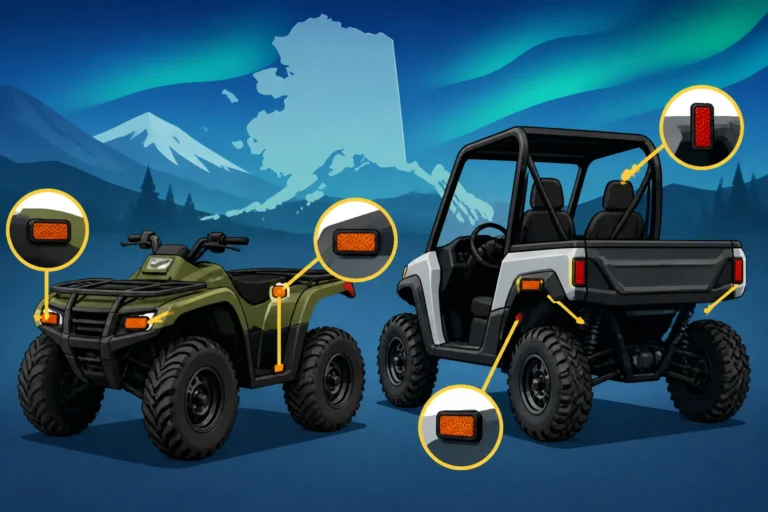
In Alaska, an APV is defined quite broadly, encompassing a wide range of off-highway vehicles. This includes your typical quad-runner ATVs, side-by-sides (also known as UTVs), and even some six-wheelers. The key is that these are machines primarily designed for off-road use, built to tackle rugged terrain, not asphalt highways. You’ll find that the state has a specific definition for these vehicles, distinguishing them from motorcycles, cars, or even snowmobiles, which have their own separate classifications and rules. Getting familiar with [Alaska APV Class Explained] is a great starting point.
However, it's equally important to know what isn't an APV under Alaska law when it comes to registration and road use. For instance, traditional snowmachines (snowmobiles) are specifically excluded from the APV class for registration purposes, and therefore, their road use rules are different. Likewise, three-wheeled ATVs and homemade machines are generally not eligible for APV registration. This distinction matters immensely because if your machine doesn't fit the APV definition, or falls into an excluded category, then the entire set of APV road-use and insurance rules won't apply to you in the way you might expect, adding another layer of complexity to navigate.
The Limited Scope of APV Road Access
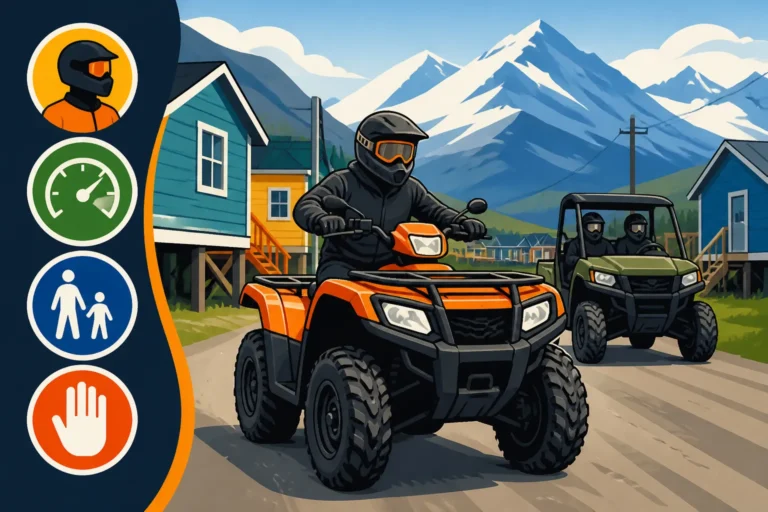
Even if your machine is a bona fide APV, its access to public roads in Alaska is far from unrestricted. This isn't like some states where a few modifications can make your side-by-side fully street legal for general commuting. In Alaska, APV road use is severely limited, typically confined to crossing a highway at an intersection, riding on the shoulder of certain roads with speed limits of 45 mph or less, or using roads that are specifically designated for APV travel, often in rural or unincorporated areas. It's designed for necessary transit, not joyriding down the main street of a town.
Many communities, particularly the larger ones, have outright banned APV use on their roads, or have very strict ordinances in place. For example, you certainly won't be cruising through downtown Anchorage or Fairbanks on your quad, as [Alaska Bans APVs in Anchorage] is a very real prohibition. This means that while the state may have general APV road rules, local municipalities and boroughs can, and often do, enact stricter limitations. Always check local ordinances for the area you plan to ride in, because what's permissible in one remote village might be strictly forbidden just a few miles down the road in another jurisdiction. Understanding these nuances is key to staying out of trouble, as detailed in [Can You Ride an ATV on the Road in Alaska?].
The Mandate: When Liability Insurance Becomes Essential
Now we get to the core of the matter: insurance. Alaska isn't unique in requiring liability insurance for vehicles operating on public roadways, but applying this to an APV can still catch some riders off guard. The state's primary concern is public safety and financial responsibility. If you're going to operate a machine, especially one that can cause significant damage or injury, on public roads where it can interact with cars, trucks, and pedestrians, you need to be able to cover the costs if something goes wrong. This isn't just about protecting yourself; it's about protecting everyone else you might encounter.
Public Road Use as the Trigger for Insurance
The moment your APV touches a public road, highway, or right-of-way, the state's liability insurance requirement kicks in. It's that simple. This isn't tied to how frequently you use the road, or how far you travel on it. Even a quick jaunt across a paved intersection to get to another trail system, or a short trip down the shoulder of a low-speed road, is enough to trigger the mandate. It's the act of being on public vehicular access points that makes it mandatory. Therefore, if your riding plans ever involve even momentary public road use, you absolutely need to have active liability coverage.
This requirement aligns with the general principle that any motor vehicle operating on public thoroughfares must carry insurance. It ensures that if you, as the operator of an APV, are at fault in an accident that causes property damage or bodily injury to another party, there's a financial safety net in place. Without this, the burden of medical bills, vehicle repairs, or other damages would fall entirely on you, potentially leading to devastating financial consequences. Many riders overlook this until they're questioned by a state trooper or local law enforcement, often when it's already too late. Knowing [What a Trooper Can Ask to See] includes proof of insurance is crucial.
Minimum Coverage Requirements for APV Liability
Alaska law specifies minimum liability coverage amounts for motor vehicles, and APVs used on public roads fall under these same requirements. While specific dollar figures can fluctuate and should always be confirmed with a licensed insurance agent or the DMV, the core concept remains the same: you need coverage for bodily injury per person, bodily injury per accident, and property damage. These amounts are designed to provide a baseline level of protection for others. It’s not about ensuring your own machine is fixed; it’s about compensating the other driver, passenger, or property owner if you're deemed responsible for a crash.
It’s tempting for some riders to opt for the bare minimum coverage to save a few dollars, but consider the potential costs of an accident in today's world. Medical bills can quickly skyrocket, and even minor property damage to a newer vehicle can be incredibly expensive. Many experienced riders in Alaska choose to carry more than the state-mandated minimums to provide a more robust financial cushion, especially given the remote locations and potential for serious incidents when operating an APV. It's a calculation of risk versus peace of mind. For an idea of how costs are determined, you might want to look into [Alaska Insurance Cost for an ATV], though remember specific pricing changes.
What Liability Insurance Covers and Doesn't Cover
Understanding liability insurance is often where confusion truly sets in for APV owners. It's easy to assume "full coverage" means everything, but liability is a very specific type of insurance with distinct boundaries. It's crucial to grasp these limitations so you don't find yourself in a situation where you expect your insurance to cover something it simply isn't designed for. Think of it as a protective bubble for others when you're at fault, not a blanket solution for all potential incidents involving your machine.
Protecting Others on the Road
At its heart, liability insurance exists to protect third parties—other people and their property—from damage or injury you cause while operating your APV on a public road. If you make a mistake, misjudge a turn while crossing a highway, and clip the bumper of a passing truck, your liability insurance would typically cover the repairs to that truck (property damage) and any medical expenses for injuries sustained by its occupants (bodily injury). This also extends to striking a fence, a mailbox, or any other property that isn't yours.
This is why it's a mandatory requirement for road use. The state wants to ensure that innocent parties aren't left holding the bag financially if an APV operator causes an accident. It's about personal responsibility and ensuring that anyone sharing the public roadways has a means to be compensated for losses due to another's negligence. Without this safety net, a minor fender bender could turn into a major legal and financial battle, impacting livelihoods and peace of mind for everyone involved.
Understanding Personal Machine Damage and Medical Costs
Here's the critical distinction: basic liability insurance does not cover damage to your own APV, nor does it cover your medical expenses if you are injured in an accident. If you're riding your quad on a public road, are at fault in an accident, and total your machine, liability insurance won't pay for its repair or replacement. Similarly, any hospital bills or physical therapy you might need would not be covered by your basic liability policy. This is a common misunderstanding that can leave riders in a tough spot.
To cover these types of losses, you would need additional types of coverage, such as collision coverage for damage to your own APV, and potentially personal injury protection (PIP) or medical payments coverage for your own medical bills. These are optional coverages that you would specifically add to your policy, and they come with their own premiums. Many riders, especially those with newer or more expensive machines, choose to add these for comprehensive protection, recognizing that the wild terrain and occasional road crossings in Alaska carry inherent risks. Some even invest in aftermarket protection like heavy-duty skid plates or reinforced bumpers from brands like SuperATV, knowing that even with insurance, preventing damage is always better.
Navigating Insurance Providers and Policies in Alaska
Finding the right insurance for your APV in Alaska can feel a bit like searching for a specific caribou in a vast herd. It's not always as straightforward as insuring your family sedan, partly because APVs are considered recreational vehicles and their road use is limited. However, there are definitely options available, and understanding the landscape will help you secure the best protection for your machine and your wallet.
Finding the Right Coverage for Your APV
Most major insurance providers that operate in Alaska offer APV or off-road vehicle insurance policies. Companies like State Farm, Progressive, GEICO, and local Alaskan brokers often have specialized policies designed for ATVs and UTVs. It's a good idea to shop around and get quotes from several providers, as rates and coverage options can vary significantly. Don't assume your auto insurance provider automatically offers the best deal for your APV; sometimes, a specialized off-road vehicle insurer might provide more tailored coverage or better rates.
Factors that influence your premium will include the type and value of your APV, your riding history, where you primarily store and ride the machine, and the specific coverages and deductibles you choose. For instance, a brand-new, high-performance side-by-side might cost more to insure than an older, smaller ATV. Consider bundling your APV insurance with other policies, like your home or auto insurance, as many companies offer discounts for multiple lines of coverage. Always be upfront about how you plan to use your machine, especially if it involves any public road exposure, to ensure you're getting the appropriate coverage.
Common Misconceptions About APV Insurance
There are a few persistent myths about APV insurance that can lead riders astray. One common misconception is that your homeowner's insurance policy will cover your APV if you're involved in an accident, especially if it happens on your own property or near your home. While homeowner's policies might offer very limited coverage for an APV stored on your property, they almost universally exclude liability coverage for accidents that occur when the vehicle is being operated, particularly off-road or on public roads. Relying solely on your homeowner's policy for APV liability is a dangerous gamble and likely won't satisfy the state's requirements.
Another myth is that if your APV is older or doesn't have a high monetary value, you don't need insurance. As we've discussed, the liability requirement isn't about the value of your machine; it's about your financial responsibility for damage or injury you might inflict on others. An older quad can still cause significant damage to a new truck or serious injury to a person. So, regardless of your APV's age or condition, if you're taking it on public roads in Alaska, liability insurance is non-negotiable. Furthermore, don't confuse vehicle registration with insurance. While both are often required, [Alaska Penalties for Riding Unregistered] are separate from the penalties for riding uninsured.
Proof of Insurance and What Troopers Look For
Having insurance is one thing; being able to prove it when asked is another. Just like with your car, you need to be prepared to present evidence of your APV's liability coverage if stopped by law enforcement while on a public roadway. Failure to do so can lead to citations, fines, and other penalties, making an otherwise enjoyable ride quickly turn into a frustrating and expensive experience.
Carrying Your Insurance Documentation
When you purchase your APV liability insurance, your provider will issue you an insurance card or declaration page, similar to what you receive for your automobile. This document serves as proof of insurance. In Alaska, you are required to have this proof with you whenever you are operating your APV on a public road. This could be a physical card that you keep in a waterproof bag or container on your machine, or in some cases, a digital copy on your smartphone might be accepted, though it's always wise to confirm the specific acceptance policies with the state or local law enforcement agencies.
Imagine you're cruising on a permitted stretch of gravel road near Palmer, and a state trooper pulls up to conduct a routine check. They'll likely ask for your driver's license (yes, you need one for road-legal APV use; see [Alaska Requires a Class D License]), proof of registration, and proof of insurance. Having these documents readily accessible and in order will make the interaction smooth and quick. Fumbling around, or worse, not having the required documentation, will only prolong the stop and could lead to unnecessary trouble. Many riders store their documents in a small, secure pouch that attaches to the handlebars or within a storage compartment on their machine, ensuring they're always protected from the elements. This is also why having [Proof of Insurance on a Quad] readily available is so important.
Consequences of Riding Uninsured
Operating an APV on an Alaskan public road without the required liability insurance can lead to significant penalties. These aren't just minor slaps on the wrist; they can hit your wallet hard and even impact your driving privileges. While specific fines can vary, you could face a citation, substantial monetary fines, and potentially even the suspension of your driver's license. The state takes uninsured motor vehicle operation seriously, and APVs are no exception when they are on state-managed rights-of-way.
Beyond the legal penalties, the financial risks of riding uninsured are immense. If you cause an accident and don't have liability insurance, you are personally responsible for all damages and injuries to the other parties. This could mean paying for vehicle repairs, medical bills, lost wages, and potentially pain and suffering—costs that could easily amount to tens or hundreds of thousands of dollars. These financial burdens could lead to liens on your property, wage garnishments, and long-term financial hardship. It's a stark reminder that the cost of insurance, while an expense, is a small price to pay for the financial protection and peace of mind it provides against potentially catastrophic out-of-pocket expenses. When considering equipment upgrades from companies like SuperATV, always prioritize essential safety gear and insurance first.
| Insurance Type | What It Covers | What It Doesn't Cover (Typically) | Mandatory for APV Road Use in Alaska? |
|---|---|---|---|
| Liability | Bodily injury and property damage you cause to others | Damage to your own APV, your medical expenses | YES |
| Collision | Damage to your own APV from a collision with another object | Damage to other vehicles/property, your medical expenses | No (Optional) |
| Comprehensive | Damage to your APV from non-collision events (theft, fire, vandalism, animal strike, hail) | Damage to other vehicles/property, your medical expenses | No (Optional) |
| Medical Payments/PIP | Your medical expenses (and sometimes passengers) regardless of fault | Damage to your own APV or others' property | No (Optional) |
| Uninsured/Underinsured Motorist | Damage to your APV and/or your medical expenses if hit by an uninsured or underinsured driver | Damage to others, your own fault accidents | No (Optional) |
Disclaimer
This article is for general informational purposes only and does not constitute professional advice. Laws, prices and regulations vary by location and change over time. Consult a qualified professional for guidance on your specific situation.