Alaska Requires a Muffler and Emission Controls
It’s a real head-scratcher sometimes, isn’t it? You’ve got your ATV or UTV ready for an epic ride through Alaska’s stunning backcountry or perhaps a quick run down a rural road, and then you start thinking about all the little rules. One of the most common questions I hear from fellow riders is about what kind of muffler you need, and whether those elusive "emission controls" actually matter up here. It’s easy to get frustrated trying to parse out what’s legal and what’s not, but don't worry—this guide is going to break down exactly what Alaska expects for your machine's exhaust and emissions so you can ride with peace of mind.
Understanding Alaska's APV Equipment Rules
Riding an All-Purpose Vehicle (APV), which covers most ATVs and UTVs, in Alaska is an incredible experience, offering access to some of the most remote and beautiful places on Earth. But with that freedom comes a responsibility to adhere to certain equipment standards designed to protect both the environment and the public. These rules aren't just arbitrary roadblocks; they're in place for very practical reasons, like minimizing noise impact on wildlife and other users, and reducing air pollution. It’s all part of making sure our trails and wild spaces remain enjoyable and accessible for everyone, now and in the future.
The Rationale Behind Noise and Pollution Control
Imagine you're out on a peaceful fishing trip, or perhaps hiking deep into the Chugach Mountains, soaking in the quiet vastness of Alaska. The last thing you want is a loud, unmuffled machine disrupting that tranquility. Excessive noise from off-road vehicles can disturb wildlife, impact the experience of other recreationists, and even annoy residents in rural areas. That's why [Alaska Muffler and Noise Rules] are a thing. Similarly, emission controls play a crucial role in safeguarding our pristine air quality. These machines, while fun, do produce exhaust, and minimizing harmful pollutants helps preserve the delicate Alaskan ecosystems we all cherish. It's about finding a balance where we can enjoy our machines without negatively affecting the very environment that draws us here.
Where to Find the Official Regulations
Trying to track down the exact wording of equipment rules can feel like a scavenger hunt across various government websites. Typically, you'll find the most relevant statutes within the Alaska Administrative Code or the Alaska Statutes, particularly sections related to motor vehicles and recreational activities. The Department of Natural Resources (DNR) and the Division of Motor Vehicles (DMV) are key players in outlining and enforcing these rules. While I can't point you to a specific web page right now, knowing which agencies are involved can help you navigate their sites for official documentation. For a general overview, knowing [Alaska OHV Equipment Requirements] is a great starting point, as these documents often consolidate the different aspects of machine readiness, from brakes to lights to, yes, mufflers and emissions.
The Specifics of Alaska's Muffler Requirement
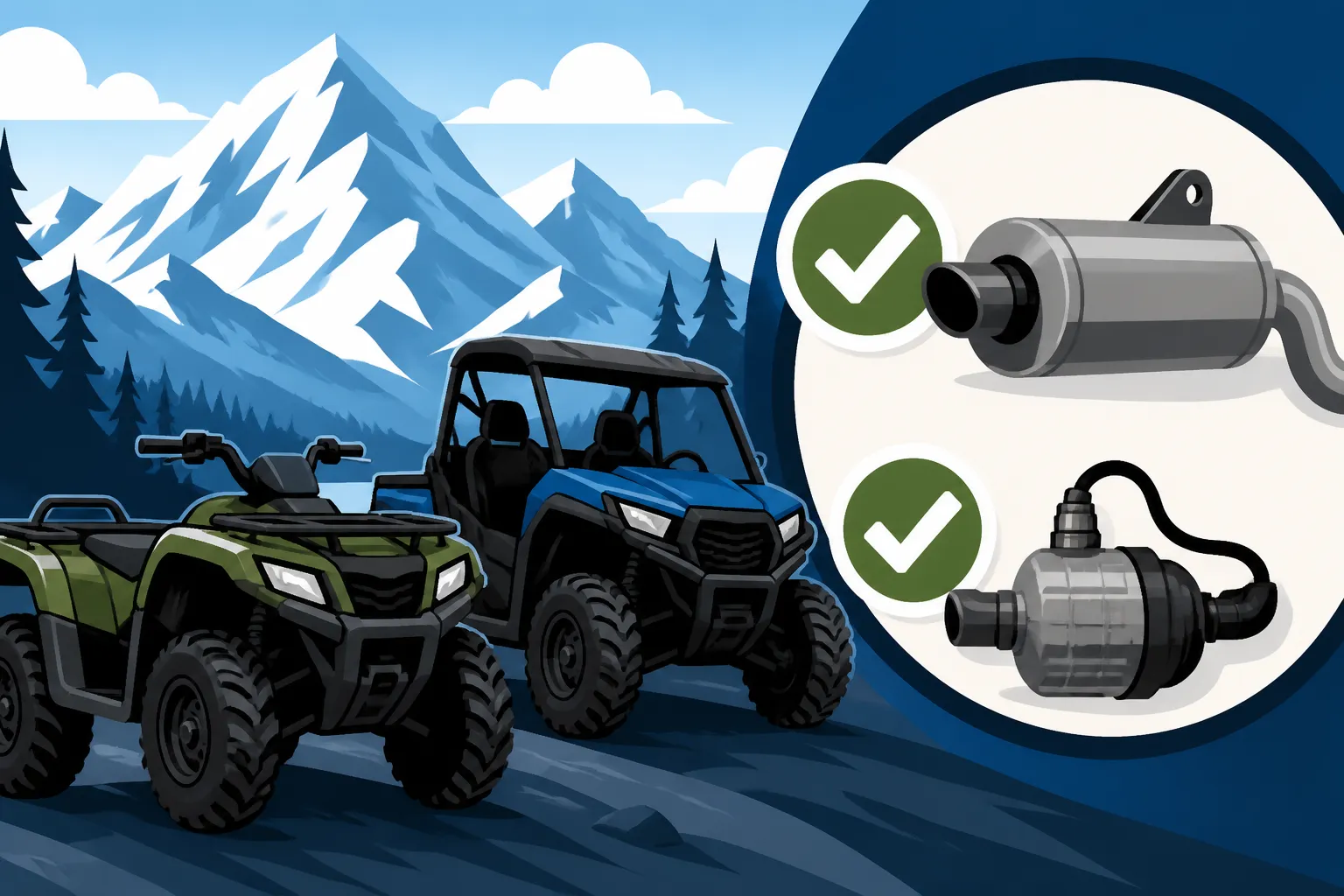
So, what exactly does "Alaska requires a muffler" mean for your quad or side-by-side? It's not just about having something on your exhaust pipe; it's about having a functional, purpose-built device designed to reduce engine noise to an acceptable level. This isn't the place for straight pipes or modified systems that crank up the volume. The intent is clear: keep noise levels down. This often means your machine should be running the manufacturer's original equipment or an aftermarket system that meets or exceeds those same quiet standards.
What Constitutes a Legal Muffler System
A legal muffler system in Alaska is one that effectively reduces exhaust noise. Generally, this means an intact, factory-style muffler that is in good working order. It should not be modified to increase sound output, nor should it be missing any baffles or packing that are integral to its noise-dampening function. [What Counts as a Legal Muffler in Alaska] is often simpler than people think: if it came from the factory and hasn't been tampered with, you're likely in the clear. The goal isn't to silence your machine completely, but to ensure it operates at a reasonable volume that doesn't disturb others or wildlife. This is especially critical when you're riding through areas frequented by hikers, campers, or those seeking solitude.
Why Aftermarket Exhausts Need Careful Consideration
Aftermarket exhausts are a popular modification for many riders, often sought for performance gains or a more aggressive sound. However, this is where you need to be particularly cautious in Alaska. Many aftermarket systems are designed for increased flow and, consequently, increased noise, which can put you in direct violation of state regulations. [Why Exhaust Cutouts Are Not Allowed] is a good indicator of the state's stance on modifying exhaust systems for noise. If you're considering an aftermarket exhaust, do your homework to ensure it's specifically designed to meet or exceed OEM noise standards. Some manufacturers produce "quiet core" inserts or specially designed low-decibel systems that might pass muster. Always prioritize compliance over perceived performance benefits, especially if you plan to ride on public lands or near populated areas.
Emission Controls and Their Importance in Alaska
Beyond just noise, Alaska's regulations also touch on emission controls. This isn't as complex as the systems found in passenger cars, but it's equally important for maintaining our state's environmental quality. For most ATVs and UTVs, the primary emission control device you'll encounter is the spark arrester, though "emission controls" can also refer to maintaining the machine's original fuel system and engine tuning to prevent excessive pollution. The principle is simple: your machine should run as cleanly as possible to minimize its footprint on Alaska's wild landscapes.
Spark Arresters: More Than Just a Noise Reducer
A spark arrester is a critical piece of equipment, especially in a state like Alaska where wildfire risk is a constant concern. This device, usually integrated into the muffler or as a separate component, is designed to prevent hot carbon particles (sparks) from exiting the exhaust system and potentially igniting dry vegetation. It's an often-overlooked but absolutely essential safety feature, particularly during dry seasons. [Alaska Spark Arrester Requirements] are non-negotiable for riding on public lands, and for good reason. A missing or damaged spark arrester isn't just a regulatory violation; it's a direct fire hazard that could have devastating consequences for our forests and tundra. Regular inspection of your spark arrester to ensure it’s intact and clear of carbon buildup is a quick and easy way to stay compliant and ride safely. [Checking Your Spark Arrester Before Fire Season] should be part of every rider's pre-ride routine.
Maintaining Factory Emission Standards
While ATVs and UTVs don't have the same complex catalytic converters as cars, "emission controls" in this context often refer to the machine's original design for fuel efficiency and clean combustion. This means keeping your engine properly tuned, not tampering with the fuel or air intake systems in ways that would drastically alter the air-fuel mixture, and generally ensuring your machine runs as the manufacturer intended to minimize harmful exhaust gases. Using the correct fuel and oil, and performing regular maintenance, contributes significantly to this. It's about respecting the air we breathe and the environment we recreate in. While a state trooper isn't likely to pull out an emissions analyzer, obvious signs of a poorly running, excessively smoky, or smelly machine could draw unwanted attention and suggest a lack of maintenance, which might indicate a failure to meet general operating standards.
Consequences of Non-Compliance on Alaska Trails and Roads
Nobody wants to get a ticket, especially when you're out enjoying yourself. But neglecting Alaska's equipment rules for your ATV or UTV can lead to just that. The state takes these regulations seriously, and enforcement isn't just about revenue; it's about protecting shared resources and ensuring public safety. Understanding the potential repercussions can be a strong motivator to ensure your machine is always up to snuff before you hit the trail or cross a minor road.
Potential Fines and Citations
If a law enforcement officer, such as a State Trooper or a Wildlife Trooper, determines your machine doesn't meet the muffler or emission control requirements, you could face fines and citations. These aren't typically "fix-it tickets" in the traditional sense; they're penalties for operating a non-compliant vehicle. The exact cost can vary depending on the specific violation and whether it's a first offense, but it's almost certainly more expensive than making sure your equipment is proper in the first place. Beyond the monetary cost, a citation can also put a damper on your day, requiring time out of your schedule to deal with the legal process. While [Alaska Penalties for Riding Unregistered] covers registration, similar principles apply to equipment violations – it's best to be compliant to avoid any hassle.
Trail Access and Community Relations
Beyond direct legal consequences, non-compliant machines can also impact where and how we ride in Alaska. Continual noise complaints from residents or other recreational users can lead to increased restrictions, trail closures, or even outright bans in certain areas. This isn't just theoretical; it's a real consequence that affects all riders. For example, if a community experiences excessive noise from modified exhausts, they might lobby for stricter local ordinances, potentially limiting access. [Alaska Sound Limits on Public Land] are there for a reason, and respecting them helps maintain positive relationships with landowners, communities, and other public land users. When you ride responsibly, you're not just protecting yourself from a ticket; you're helping to preserve riding access for everyone in the future.
Tips for Ensuring Your Machine Meets Alaska Standards
Ensuring your ATV or UTV is up to Alaska's standards for mufflers and emissions doesn't have to be a chore. With a few proactive steps, you can confidently hit the trails knowing you're compliant, safe, and respectful of the environment and other users. It's all about thoughtful ownership and preparation, which are hallmarks of any good Alaskan rider.
Regular Inspections and Maintenance
The easiest way to stay compliant is to integrate muffler and emission checks into your regular maintenance routine. Before each season, or even before a significant trip, take a few minutes to:
- Visually inspect your muffler: Look for cracks, holes, or loose components. Is it securely attached? Are there any signs of tampering or modification?
- Check the exhaust pipe: Ensure it's not bent or damaged in a way that could affect sound dampening.
- Inspect your spark arrester: If it's removable, clean it of carbon buildup. Make sure the screen is intact and not clogged or damaged. A damaged spark arrester is a fire risk and a violation.
- Listen to your machine: Does it sound louder than usual? A sudden change in exhaust note can indicate a problem.
- Address excessive smoke: If your machine is smoking excessively or running rough, it might indicate an emissions issue that needs attention.
This simple routine can catch issues before they become violations or, worse, safety hazards. Remember, [Alaska Registration Before Your First Ride] is about more than just paperwork; it’s about making sure your machine is ready to legally and safely explore.
Here’s a quick checklist for your machine's exhaust and emissions:
| Component | Check for | Compliance Goal |
|---|---|---|
| Muffler | Cracks, holes, loose parts, excessive noise | Intact, functional, quiet operation (OEM standards) |
| Spark Arrester | Carbon buildup, damage, presence | Clean, intact screen, prevents sparks |
| Exhaust System | Leaks, modifications (e.g., cutouts), secure mounting | No unauthorized alterations, proper sealing |
| Engine Noise | Excessive loudness, unusual sounds | Meets state and local sound limits |
| Exhaust Smoke | Excessive, unusually colored smoke | Minimal, clean exhaust output (proper tuning) |
Upgrading or Replacing Components Wisely
If you find that your muffler is damaged or your spark arrester needs replacement, choose your parts wisely. When looking for replacements, always prioritize parts that are designed to meet OEM specifications for noise and emissions. This might mean sticking with manufacturer-branded parts, or choosing aftermarket options specifically marketed as "stock replacement" or "quiet compliant."
Brands like SuperATV offer a wide range of accessories and replacement parts for ATVs and UTVs. While they're known for lift kits, winches, and protective gear, if you're looking at exhaust components, it's crucial to select items that explicitly state compliance with sound and emission regulations. For example, if you're replacing a stock exhaust system, look for SuperATV options that are designed to be a direct fit and maintain acceptable sound levels, rather than systems purely focused on increasing horsepower at the expense of noise. Always read product descriptions carefully and, if in doubt, contact the manufacturer or a knowledgeable dealer to ensure the part you're considering will keep your machine legal in Alaska. Making informed choices here can save you a headache (and a fine) down the line. When in doubt, a quick check of your machine’s owner's manual will provide specifics on the original equipment’s design and performance.
Disclaimer
This article is for general informational purposes only and does not constitute professional advice. Laws, prices and regulations vary by location and change over time. Consult a qualified professional for guidance on your specific situation.