Alaska’s $25 Fine for a First Helmet Offense
Navigating Alaska's vast and wild landscapes on an ATV or UTV is an incredible experience, but it comes with a crucial responsibility: understanding and adhering to the state's safety regulations. Many riders, especially those new to Alaska or visiting from out of state, can find themselves caught off guard by the specific rules, particularly concerning helmet use for younger riders. This guide will meticulously break down Alaska's helmet law, focusing on the specific $25 fine for a first offense, and emphasize why compliance is not just about avoiding a penalty, but about ensuring safety for everyone on the trail.
Alaska's Specific Helmet Law for Young ATV and UTV Riders
When you're out exploring Alaska's trails, whether it's the sprawling Knik River Public Use Area or the remote stretches of the Denali Highway, safety should always be your top priority. The state of Alaska has put specific helmet laws in place to protect its most vulnerable riders, recognizing the inherent risks associated with operating these powerful machines. It’s not just a suggestion; it’s a legal requirement that carries consequences if ignored.
Who is Required to Wear a Helmet in Alaska
Alaska Statute 28.39.020 clearly outlines that any person under the age of 16 operating or riding as a passenger on an all-purpose vehicle (APV) must wear a helmet. This isn't just about being on a formal trail system; it applies to public lands, roads, and trails anywhere an APV is legally permitted. The law is designed to safeguard children and young teenagers who might lack the judgment, experience, or physical strength to handle an APV in challenging terrain or unexpected situations. For families enjoying a ride on state land, for instance, ensuring every child under 16 is properly helmeted is non-negotiable.
Parents and legal guardians bear the primary responsibility for ensuring their young riders comply with this law. Imagine a scenario where a family from outside Alaska, perhaps from a state with different or no helmet laws for youth, visits for the summer. They rent a cabin near Wasilla and plan to ride some of the local trails. Unaware of Alaska's specific age restriction, they might let their 14-year-old ride a quad without a helmet, thinking it’s okay if they're supervised. This oversight can quickly lead to an unexpected interaction with law enforcement and a citation, even if their intentions were good. It's a strict liability rule for parents, meaning their children's compliance is their legal obligation.
This age cutoff isn't arbitrary; it reflects a common legislative approach to protecting minors in potentially hazardous activities. Younger riders generally have less developed motor skills, slower reaction times, and are less equipped to make split-second decisions when faced with obstacles or sudden changes in trail conditions. The simple act of putting on a helmet for a child under 16 dramatically reduces the risk of severe injury in the event of an accident, turning a potentially life-altering impact into a survivable one. For more details on the specific age requirements, you can refer to [Alaska ATV Helmet Law Age].
What Kind of Helmet Meets Alaska's Standards
Just wearing "a helmet" isn't always enough to meet safety standards or legal requirements. Alaska's law implies that helmets must meet recognized safety certifications to be truly effective. While the statute doesn't explicitly name DOT (Department of Transportation), Snell, or CPSC (Consumer Product Safety Commission) standards in the same way some other states might, the spirit of the law, and general safety guidelines, dictate that an APV helmet should meet at least one of these certifications. These certifications ensure the helmet has been rigorously tested to withstand impacts, punctures, and provide adequate coverage and retention.
Choosing the right helmet involves more than just picking a cool design. It needs to fit properly—snug but not uncomfortable, with no excessive movement when shaken. For younger riders, especially, a helmet that's too large can shift during a ride, obstructing vision or even coming off in a crash. A full-face helmet generally offers the most comprehensive protection, covering the chin and face, which are common impact points in ATV/UTV accidents. However, open-face helmets with eye protection are also widely used and accepted, provided they meet the appropriate safety standards. Even if you're an adult and not legally required to wear one, equipping yourself with a quality helmet from a reputable manufacturer, perhaps found through a specialty shop or online retailer like SuperATV, is a smart decision for personal safety.
A good rule of thumb is to look for a sticker inside the helmet that indicates DOT compliance. Helmets certified by the CPSC are specifically designed for recreational use and are often a good choice for youth riders, as highlighted in [What the CPSC Helmet Standard Actually Requires]. These certifications mean the helmet has passed tests for impact absorption, penetration resistance, and chin strap integrity. Investing in a certified helmet is not just about avoiding a fine; it's about providing the best possible protection for your head, which is, without a doubt, your most valuable asset on the trail.
Deciphering Alaska's $25 Fine for a First Helmet Offense
The thought of getting a ticket can put a damper on any outdoor adventure. In Alaska, a trooper or other law enforcement officer isn't just looking for speeders or reckless driving; they're also tasked with ensuring all riders, particularly the young ones, are adhering to safety regulations. When it comes to helmet use, the state takes a specific approach to first-time offenders.
The Initial Penalty and How It's Applied
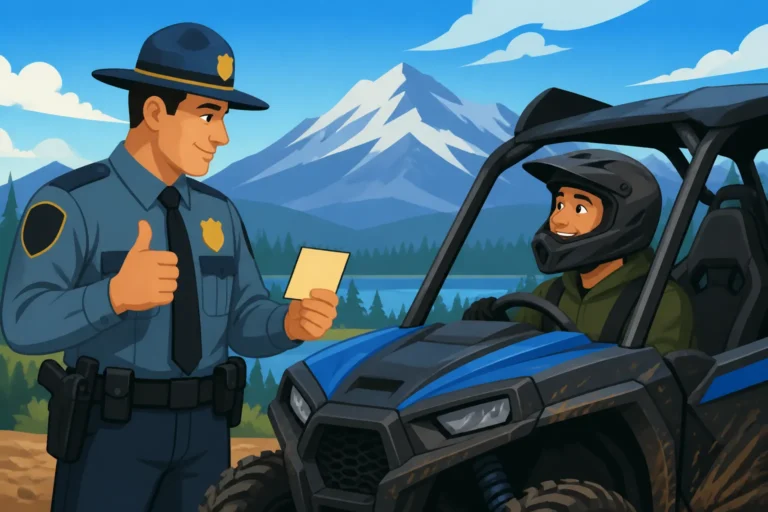
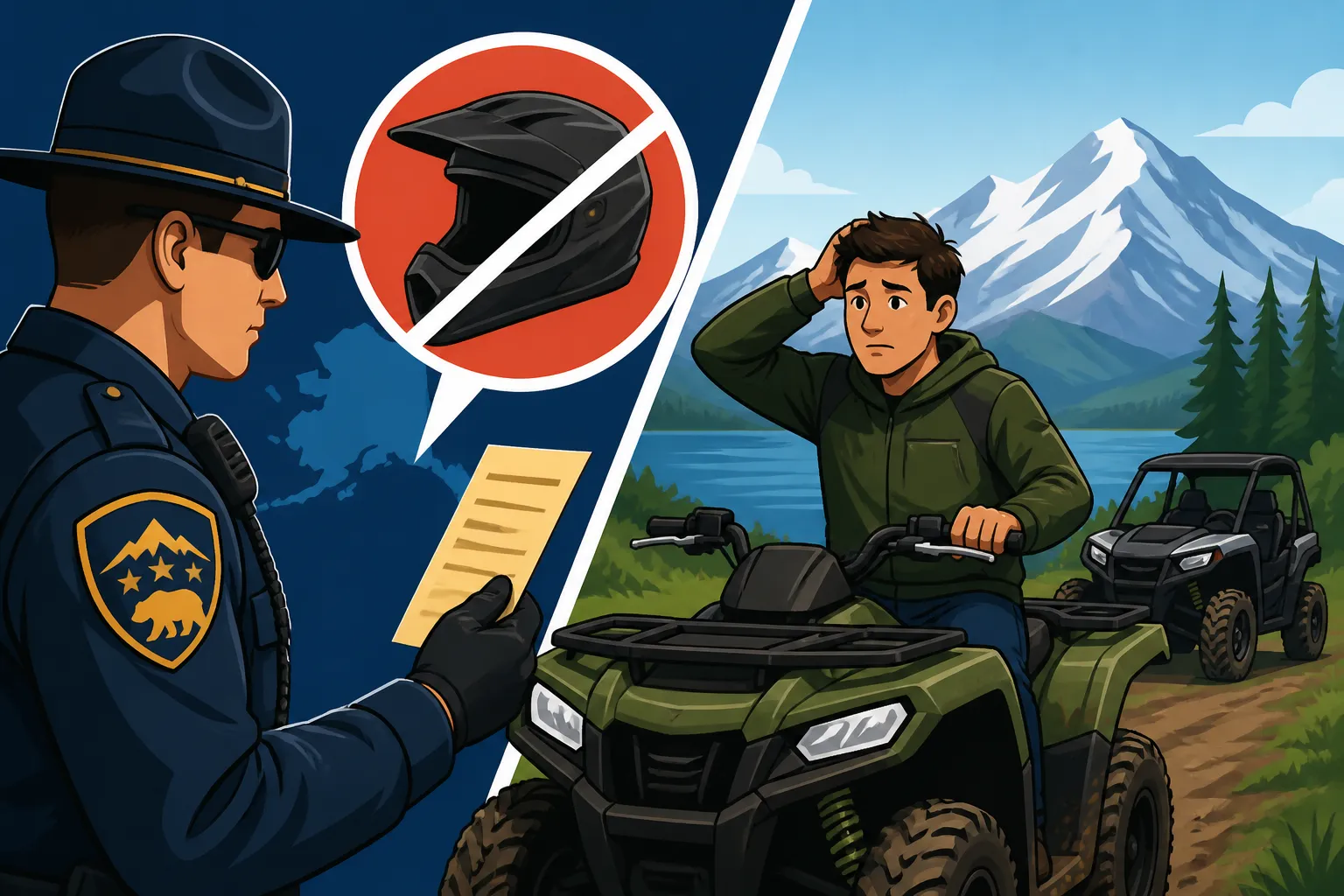
For a first offense where a rider under 16 is caught without a helmet on an APV, Alaska law specifies a relatively modest $25 fine. This isn't meant to be a crushing financial burden, but rather a clear, firm warning and an educational tool. A law enforcement officer, such as an Alaska State Trooper or a local police officer in a community that permits APV use, will typically pull over the offending machine and issue a citation. This initial fine serves as a formal notification to the parents or guardians that they are in violation of state law and that their child's safety is at stake.
The scenario might play out like this: a group of friends, including a 15-year-old, are enjoying a sunny afternoon ride on a designated trail system near Jim Creek. The 15-year-old, perhaps feeling invincible or simply having forgotten their helmet back at camp, is riding without one. A trooper on patrol observes the violation. They initiate a stop, explain the law, and issue the $25 citation. While the immediate financial impact might seem small, it's a legal record. It's a moment for parents to understand the seriousness of the rule and to correct the behavior immediately. It underscores that even in the vast wilderness, rules apply, and law enforcement is present to ensure safety. You can find more specific information on this initial penalty in [Alaska Under-16 Helmet Fine].
It’s important to understand that this $25 fine is specifically for the helmet violation itself. It doesn't preclude a trooper from issuing other citations if additional violations are observed, such as operating an unregistered machine, reckless driving, or other equipment deficiencies. So, while the helmet fine might be low, the overall cost of a citation for multiple offenses can quickly add up, turning an exciting ride into a very expensive lesson.
What Happens After the First Offense
While the initial $25 fine for a first helmet offense is relatively minor, Alaska's law includes provisions for escalating penalties if the violation is repeated. The state doesn't want to see riders making the same mistake twice, especially when it involves the safety of a minor. A second or subsequent offense for failing to ensure a child wears a helmet can result in a significantly higher fine, potentially ranging up to $50, and may involve additional court costs or administrative fees. This increase serves as a stronger deterrent, signaling that continued non-compliance will not be tolerated.
Consider the hypothetical scenario from before: the 15-year-old gets a $25 ticket. Their parents pay it, perhaps with a grumble, but don't strictly enforce helmet use afterward. A few weeks later, the same young rider is out on another trail, again without a helmet, and is stopped by a different trooper. This time, the fine could be higher, and the parents might face more scrutiny from the authorities. Repeated offenses could lead to a pattern of disregard for safety laws, which might invite closer attention from law enforcement and potentially impact the family's ability to ride legally in certain areas. Details on these increased penalties are outlined in [Alaska Second Offense Helmet Fines].
Beyond the monetary penalties, there's also the broader legal and practical impact. Repeated citations, even for minor offenses, can accumulate on a record. While this specific fine might not directly impact a driver's license points for an adult, it signifies a pattern of disregard for safety regulations. In some cases, depending on local ordinances or specific circumstances, persistent non-compliance could even lead to temporary bans from certain public riding areas or require mandatory safety courses. It's far better to view the initial $25 fine as a firm reminder to prioritize safety and ensure compliance, rather than dismissing it as a trivial cost of riding.
Beyond the Fine: The Critical Importance of Helmets for All Riders
While the $25 fine and its potential escalation are tangible consequences of violating Alaska's helmet law for young riders, the most profound reasons for wearing a helmet extend far beyond legal penalties. Safety, first and foremost, is the paramount concern. An ATV or UTV accident can happen in an instant, even to the most experienced rider, and the human head is incredibly vulnerable.
The Harsh Reality of ATV/UTV Accidents and Head Injuries
ATV and UTV riding, by its very nature, involves inherent risks. These machines are powerful, capable of high speeds, and often operated on uneven, unpredictable terrain. Common accidents include rollovers, collisions with obstacles (like trees or rocks), and ejections from the vehicle. In any of these scenarios, the head is often the first point of impact, or it can strike the ground or part of the machine with significant force. The results of such impacts without a helmet can be catastrophic: traumatic brain injuries, skull fractures, concussions, and even death.
Imagine riding a quad on a relatively easy trail in the Mat-Su Valley, perhaps admiring the view of the mountains. Suddenly, you hit an unexpected rut or loose gravel, the machine veers, and you're thrown off. Even at a moderate speed, the momentum is enough to cause severe head trauma if you land on an exposed head. A helmet, however, is specifically designed to absorb and distribute the force of impact, cushioning your skull and protecting your brain from the violent shock. It acts as a vital buffer, turning a potentially life-threatening situation into one where you might walk away with bumps and bruises, rather than permanent disability or worse.
Whether it's a youth helmet for a child under 16 or an adult model, investing in quality gear, perhaps from a trusted source like SuperATV, is paramount. Many seasoned riders will tell you that the cost of a good helmet is insignificant compared to the cost of a head injury – which can involve extensive medical bills, long-term rehabilitation, and a severely diminished quality of life. The choice to wear a helmet is a personal decision for adults in Alaska, but it's one that every rider should make in favor of their own well-being. It’s a simple piece of equipment that provides profound protection against the harsh realities of off-road accidents.
Legal, Insurance, and Parental Responsibility Implications
Beyond the direct fines for helmet non-compliance, there are broader legal and financial implications, especially when minors are involved. If a child under 16 is injured in an ATV/UTV accident while not wearing a helmet, their parents or guardians could face significant civil liability. This means they could be sued for negligence if it's determined that their failure to ensure helmet use directly contributed to the child's injuries. Such lawsuits can be financially devastating, far exceeding any state-issued fine.
Furthermore, the absence of a helmet can impact insurance claims. While Alaska's specific APV insurance requirements are generally focused on liability (as detailed in [Alaska APV License and Insurance Rules]), an insurance company might scrutinize a claim more closely if the injured party was not wearing a helmet, even if it wasn't legally mandated for their age. Depending on the policy terms, an insurer might argue that the lack of safety equipment contributed to the severity of the injury, potentially affecting payouts or coverage. This adds another layer of financial risk to riding without appropriate safety gear.
The moral obligation of parents and guardians to ensure the safety of young riders cannot be overstated. When you bring a child into an activity like ATV/UTV riding, you assume a profound responsibility for their well-being. This extends to making sure they have the right equipment and understand the rules. For example, while not always legally required, parents often ask, [Do APV Passengers Have to Wear a Helmet?]. The answer is that passengers under 16 do require a helmet. But even for older passengers, or in situations where it's not mandated, ensuring all riders are safely geared up reflects a responsible approach to family recreation.
Consider an unfortunate accident where a 14-year-old child, riding without a helmet, suffers a severe head injury. The initial $25 fine becomes utterly insignificant in the face of mounting medical bills, potential long-term care, and the emotional toll on the family. The parents would not only face the legal penalties but also the agonizing question of whether a simple helmet could have prevented such a tragic outcome. This illustrates that the true cost of not wearing a helmet, for any rider, far outweighs any minor inconvenience or perceived freedom.
Best Practices for Safe and Legal ATV/UTV Riding in Alaska
Riding ATVs and UTVs in Alaska offers unparalleled opportunities for adventure and connection with the wilderness. To fully enjoy these experiences safely and legally, it’s crucial to adopt a holistic approach to safety that extends beyond just helmet use. Understanding the full spectrum of regulations and preparing adequately for every ride ensures a responsible and enjoyable outing.
Understanding Alaska's Comprehensive APV Regulations
Helmet laws, while vital, are just one piece of Alaska's broader regulatory framework for All-Purpose Vehicles. Riders must also be aware of age restrictions for operating machines, which can vary by machine size and type. There are also specific rules about carrying passengers, especially children, and how many people can safely ride a particular machine. For example, riding two-up on a quad designed for a single operator is not only dangerous but often illegal. These rules are designed to prevent accidents and ensure that operators have sufficient control over their machines.
It is paramount to know where you are permitted to ride. Alaska has a mix of state, federal, borough, and private lands, each with its own set of rules. While areas like the Knik River Public Use Area are well-known for APV use, other regions or communities may have stricter prohibitions. For instance, [Alaska Bans APVs in Anchorage] in many areas, restricting their use within city limits, while communities in the Mat-Su Valley or Interior often have more permissive local ordinances. Always check local city and borough codes before heading out. State land generally has clear rules, as outlined in [Alaska State Land Riding Explained], but designated trails, open seasons, and vehicle types can vary.
The regulatory landscape can sometimes feel like a maze, especially for newcomers. But taking the time to understand these rules is fundamental to being a responsible rider. Ignoring them can lead to not only fines but also environmental damage, conflicts with other land users, and even potential closure of riding areas. Responsible riders are good stewards of the land, and that starts with knowing and following the regulations that govern their chosen activity.
Essential Safety Gear and Machine Readiness
Beyond the helmet, a comprehensive approach to ATV/UTV safety includes a range of other essential gear and diligent machine maintenance. Just as you wouldn't go fishing without your tackle box, you shouldn't hit the trails without being properly equipped. The right gear can significantly reduce the risk of injury from impacts, scrapes, and environmental factors, while a well-maintained machine is less likely to break down or become unsafe mid-ride.
Here's a quick checklist for essential safety gear and why it matters:
| Item | Why It's Essential |
|---|---|
| DOT/CPSC/Snell Approved Helmet | Crucial head protection, legally required for riders under 16, highly recommended for all to prevent severe head trauma. |
| Eye Protection (Goggles/Shield) | Shields eyes from dust, flying debris, branches, insects, and harsh weather. Crucial for clear vision and preventing eye injuries. |
| Long-Sleeve Shirt & Pants | Protects skin from scrapes, cuts, UV radiation, and brush. Layering with moisture-wicking materials is ideal for Alaska's unpredictable weather. |
| Gloves | Improves grip on handlebars, reduces hand fatigue from vibrations, and protects hands from impacts, blisters, and cold. |
| Over-the-Ankle Boots | Provides essential ankle support to prevent twists and sprains, protects feet from injury, and offers better grip on footpegs. |
| Reflective Gear (Optional but Recommended) | Increases your visibility to other riders, hikers, and wildlife, especially in low-light conditions, fog, or during hunting season. |
In addition to personal protective equipment, your machine needs to be ready for the trail. Conduct a pre-ride inspection every time you head out. Check your brakes for responsiveness and fluid levels. Ensure your tires are properly inflated and have adequate tread. Verify that all lights are functioning, including headlights (which should illuminate objects 100 feet ahead, as per [Alaska Lighting Rules on a Machine]), taillights, and brake lights. Check fluid levels, battery connections, and ensure your self-closing throttle works correctly – it should snap back immediately when released. A spark arrester is also crucial, especially during dry conditions, to prevent wildfires. Many riders enhance their machine's safety and performance with aftermarket parts, and quality components from brands like SuperATV can contribute significantly to a safer riding experience. By diligently checking your gear and your machine, you're taking proactive steps to ensure a safe and enjoyable adventure on Alaska's incredible trails.
Disclaimer
This article is for general informational purposes only and does not constitute professional advice. Laws, prices and regulations vary by location and change over time. Consult a qualified professional for guidance on your specific situation.