Nome’s Citywide OHV Access in Alaska
Navigating Alaska's vast and often roadless terrain with an ATV or UTV can be a lifeline, yet many communities heavily restrict or outright ban their use on city streets. This guide is all about how Nome stands out as a unique exception, offering citywide off-highway vehicle (OHV) access, and what that means for residents and visitors alike who rely on these machines for everyday life and recreation.
The Unique Landscape of Nome and Its ATV Culture
Nome isn't your typical Alaskan town; it's a place where the line between "recreational vehicle" and "essential transportation" is wonderfully blurred for ATVs and UTVs. The very fabric of daily life in Nome is intertwined with the rumble of engines and the churn of tires across its unique urban and surrounding landscapes.
Why Nome Embraces OHV Use
Imagine living in a place where traditional paved roads are scarce, and the vast wilderness literally begins at your doorstep. That's Nome. For generations, people here have relied on snowmachines in winter and ATVs and UTVs in the warmer months to get around. This isn't just a leisure activity; it's a historical necessity. The city's infrastructure wasn't built for a conventional car-centric lifestyle in the same way, say, Anchorage or Fairbanks were. Instead, it evolved with the reality of northern transportation. Residents use their quads and side-by-sides for everything from commuting to work or school, making a quick run to the store, or heading out for subsistence activities like hunting, fishing, or berry picking. It's a pragmatic acceptance that these machines are simply the best tool for the job in this environment, not an indulgence. The sheer practicality has led to a municipal culture that doesn't just tolerate OHVs but actively integrates them into the urban experience, making Nome a real anomaly in the state. [Alaska Boroughs With Their Own Rules]
Beyond Recreation: Essential Transportation
While many of us in other parts of Alaska might trailer our machines to a trailhead for a weekend adventure, for Nome residents, that trailhead is often just outside their front door. ATVs and UTVs aren't merely for fun; they are often the primary mode of personal transportation. Think about it: without a sprawling network of paved roads, getting to the doctor's office, picking up groceries, or even visiting a neighbor often means hopping on your quad. This reliance is particularly stark when you consider the vast distances to other communities; there's no road connecting Nome to the rest of the state's road system. Every piece of infrastructure, every supply, and every personal trip outside the immediate city limits often involves an OHV in some capacity. This makes understanding and navigating the city's unique OHV ordinance not just a matter of convenience, but a fundamental aspect of living and thriving in Nome. It's a powerful testament to the adaptability and resourcefulness of Alaskan communities.
Understanding Nome's Citywide OHV Ordinance
For many who love their ATVs and UTVs, the idea of legally riding them on city streets is a distant dream. Most Alaskan cities have strict bans or heavily restrict OHV use on public roads. But Nome, with its distinct needs and culture, charted a different course. Its citywide OHV ordinance is a breath of fresh air for riders, reflecting a deep understanding of local life.
Key Provisions of the Ordinance
Nome's city ordinance, unlike those in many other Alaskan communities, generally permits the operation of registered off-highway vehicles on city streets and public ways. This "citywide access" means exactly what it sounds like: you can use your ATV or UTV to get around town, much like you would a car. However, this freedom isn't without structure. Riders are still expected to adhere to general traffic laws, including observing speed limits, stopping at stop signs, and yielding right-of-way. While the allowance for general city street use is broad, specific areas like school zones or certain pedestrian-heavy districts might have additional restrictions or recommended practices, often around hours of operation or speed. The key takeaway is that Nome has proactively made OHVs a part of its transportation fabric, acknowledging their necessity. [Alaska Rules for Riding a Village Street] It’s a pragmatic approach that recognizes the vehicle as a tool for living, not just recreation. For residents, this means less time loading and unloading machines and more time simply using them to accomplish their daily tasks.
Distinctions from Other Alaska Municipalities
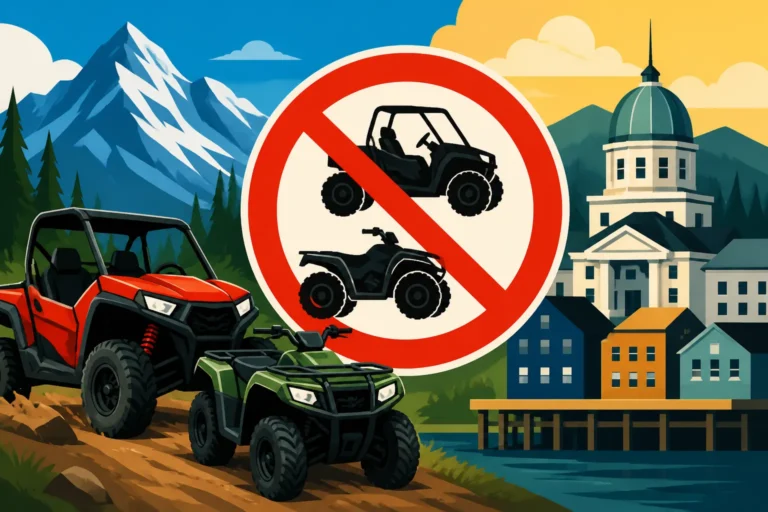
The contrast between Nome and other major Alaskan cities regarding OHV road access is stark. In places like Anchorage, Fairbanks, or Juneau, riding an ATV or UTV on a paved public road is, with very few exceptions, illegal and can result in significant fines. These cities are typically designed with conventional vehicles in mind, and OHVs are seen as a recreational nuisance or a safety hazard on busy thoroughfares. [Alaska Bans APVs in Anchorage] Their ordinances reflect this by either outright prohibiting road use or confining OHVs to specific, often unpaved trails or designated crossings. Nome, on the other hand, made a conscious decision to embrace OHV use on its streets. This isn't just a legal difference; it's a cultural one. The city has fewer traditional "roads" in the lower-48 sense, and the climate and terrain make OHVs incredibly efficient. It's about historical precedent and current necessity. While other cities wrestle with how to manage recreational OHV use, Nome has integrated it as a critical part of its transportation solution, making it a unique and often envied model for communities where conventional road infrastructure is limited. This distinction highlights Alaska's vast diversity in how its communities adapt to their unique environments.
Here's a quick comparison of OHV road access in select Alaskan communities:
| Community | OHV Road Access | Typical Restrictions | Primary Reason for Policy |
|---|---|---|---|
| Nome | Citywide | Follow traffic laws, speed limits | Essential transportation, historical use, limited roads |
| Anchorage | Restricted/Banned | Prohibited on paved roads, limited crossings | Traffic safety, noise, urban planning |
| Fairbanks | Restricted/Banned | Prohibited on paved roads, some designated trail access | Traffic safety, noise, residential concerns |
| Juneau | Restricted/Banned | Prohibited on most public roads, some designated areas | Traffic safety, limited road space, environmental concerns |
| Rural Villages | Varies | Often unrestricted, follow local customs, common sense rules | Essential transportation, traditional use, lack of roads |
Practical Considerations for Riding an OHV in Nome
While Nome offers unparalleled freedom for OHV riders, it’s not a free-for-all. Even in a community that embraces these machines, responsible operation and proper equipment are paramount for safety and to maintain the privilege of citywide access. You'll want to make sure your machine is ready for shared roads.
Equipment Requirements for Nome Streets
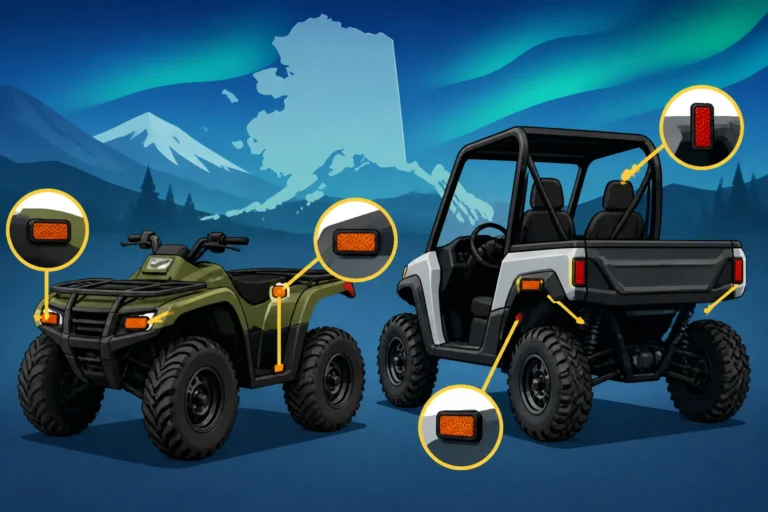
When you're riding your ATV or UTV on public streets, even in Nome, it's crucial that your machine is equipped to be safely visible and controllable. Alaska has general requirements for APVs operating on public roads, and these don't disappear just because a city allows street use. You'll need working headlights that can illuminate the road ahead for a good distance, taillights that are clearly visible from behind, and functional brake lights. A proper muffler and an approved spark arrester are also essential to control noise and prevent wildfires, especially when you're riding through town or near vegetated areas. Good brakes, of course, are non-negotiable. Many aftermarket accessories from companies like SuperATV can help you meet these requirements, whether it’s adding a robust light bar for better visibility in Nome's long winters or ensuring your machine has durable mirrors for safe lane changes, even if the lanes aren't always painted on the ground. Think about how cars are equipped for road travel; your OHV should mirror these safety features as much as possible when sharing the asphalt (or gravel) with other vehicles and pedestrians. [Alaska OHV Equipment Requirements]
Safety and Courtesy on Nome's Shared Roads
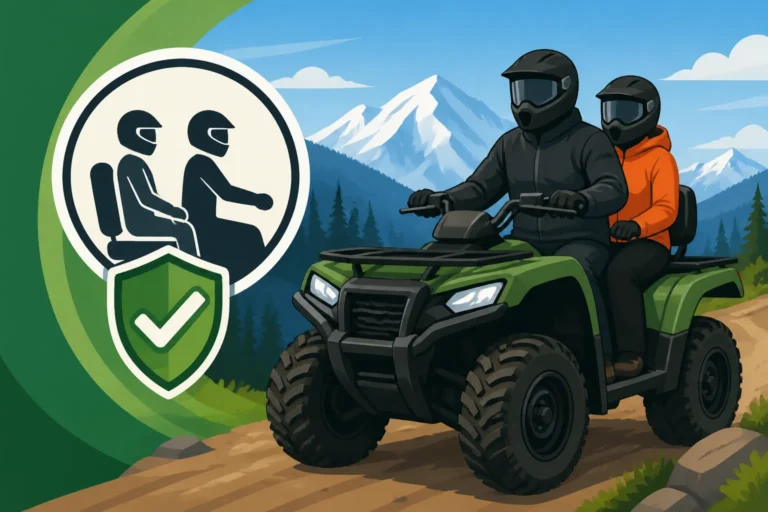
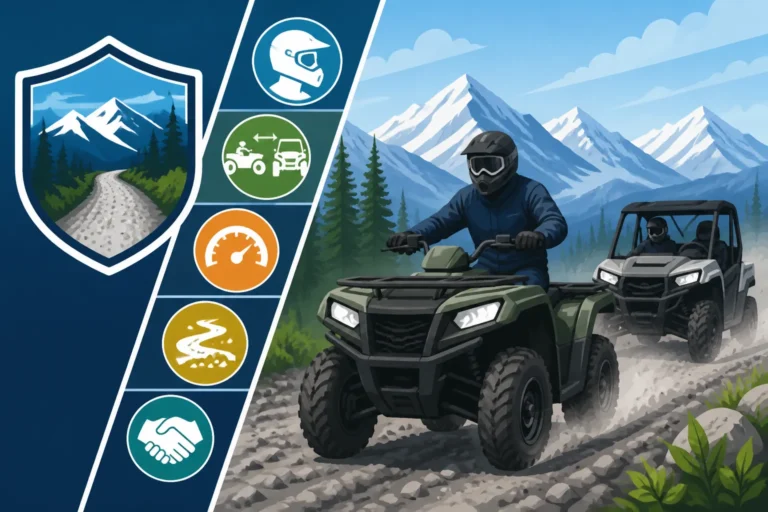
Just because you can ride your OHV on Nome's streets doesn't mean you should ride it recklessly. Common sense, courtesy, and safety are even more important when sharing space with pedestrians, bicycles, and traditional vehicles. Always observe posted speed limits, which are usually lower in town. Remember that the [Alaska's 45 mph Road Limit for APVs] is a statewide cap, but city streets will often be much lower. Slow down in residential areas, near schools, and when passing pedestrians. Dust control is also a consideration on unpaved sections; nobody wants a cloud of dust in their face. Be mindful of noise, especially early in the morning or late at night. Yield to pedestrians, just as you would in a car, and use hand signals or turn signals to indicate your intentions. It's all about maintaining a positive image for OHV riders and ensuring that the privilege of citywide access continues. Riding responsibly helps everyone, and shows respect for the community that has chosen to embrace this unique mode of transportation. Imagine a scenario where a local resident is walking with their child; your considerate riding makes their experience safer and more pleasant, strengthening community harmony. [Alaska APV Road Rules Explained]
Registration, Licensing, and Insurance for Nome Riders
Even with citywide access, the freedom to ride an OHV in Nome comes with responsibilities. Like any other vehicle on public lands or roads in Alaska, ATVs and UTVs in Nome must comply with statewide regulations regarding registration, operator licensing, and insurance. These aren't just bureaucratic hurdles; they're essential for accountability and safety.
Alaska's Statewide Registration Rules in Nome
Whether you're exploring the remote tundra outside Nome or zipping down Front Street to the store, your ATV or UTV needs to be registered with the State of Alaska if you're riding on public land or roads. Nome's citywide access doesn't exempt you from this statewide requirement. When you register your machine, you'll receive a decal that must be prominently displayed. This decal isn't just a sticker; it serves as your registration number, which is crucial for identification and enforcement. [Why Your Decal Number Is the Registration Number] The process is straightforward, requiring proof of ownership and a completed application, often handled through the DMV or a partner office. Think of it like licensing your car; it's a necessary step to legally operate your vehicle on shared infrastructure. Without proper registration, even in Nome, you could face fines and other penalties. It's a foundational requirement for all riders across the state, ensuring that there's a record of who owns and operates these machines. [Alaska Registration Before Riding Public Land]
Driver's License and Insurance Needs
Operating an ATV or UTV on public roads in Alaska, including Nome's city streets, generally requires that the operator hold a valid driver's license. Just as you wouldn't drive a car without one, you typically need a Class D license to legally operate an APV on a public highway or road. [Do You Need a License for an ATV in Alaska?] This requirement ensures that riders have a basic understanding of traffic laws and safe operating practices. Furthermore, liability insurance is also mandated for APVs operating on public roads. This isn't just a suggestion; it's a critical safety net. In the unfortunate event of an accident, liability insurance protects you and others by covering damages or injuries you might cause. [Alaska Insurance Requirements for an APV] Given the mixed traffic environment in Nome, where OHVs share the road with cars, trucks, and pedestrians, having appropriate insurance is particularly vital. It’s peace of mind, knowing that if something goes wrong, you're covered. Some riders might opt for enhanced coverage to protect their own machine, especially if they've invested in significant upgrades or accessories, perhaps from SuperATV, to customize their ride for Nome's unique demands.
Navigating Challenges and Embracing Opportunity
Riding an OHV in Nome offers incredible freedom and utility, but it also means navigating the unique challenges posed by its remote location and extreme environment. From seasonal changes to community support, understanding these factors enhances the riding experience.
Seasonal Riding and Environmental Factors
Nome's location on the Bering Sea coast means extreme seasonal variations profoundly impact OHV riding. Winter, with its deep snow and frozen ground, turns many trails and roads into snowmobile routes, but even then, ATVs might be used for heavy hauling or on plowed areas. Breakup in spring is perhaps the most challenging time. The thawing permafrost and melting snow create incredibly muddy, soft conditions, often making travel difficult or impossible and leading to temporary closures to protect sensitive tundra. [Alaska Riding in Winter] Summer brings relatively drier conditions, though rain can quickly turn trails into slick, silty bogs. Riders need to be prepared for all of it. This means having the right tires, potentially a winch from SuperATV, and always dressing in layers. The ground conditions dictate everything, from what kind of machine is best suited for the day to how far you can venture. Understanding these environmental realities isn't just about planning; it's about respecting the land and ensuring your safety.
Supporting the OHV Lifestyle in Nome
The robust OHV culture in Nome isn't just a coincidence; it's supported by a community that understands its value. Local businesses, from hardware stores to mechanics, cater to the needs of ATV and UTV owners, providing parts, service, and fuel. This creates a small but vital economic ecosystem around these machines. For many, an OHV is an investment in their ability to live and work in Nome, and local shops are there to keep them running. This community support also extends to local advocacy and a general understanding among residents about sharing the road. When almost everyone relies on these vehicles for some aspect of their life, there's a collective appreciation that helps maintain the citywide access. It’s an embrace of self-sufficiency and resourcefulness that defines life in rural Alaska. Whether you're a long-time resident with a fleet of machines or a new arrival looking to get around, the OHV lifestyle in Nome is more than just a hobby—it's a way of life, sustained by the practical needs and community spirit that characterize this unique Alaskan town.
Disclaimer
This article is for general informational purposes only and does not constitute professional advice. Laws, prices and regulations vary by location and change over time. Consult a qualified professional for guidance on your specific situation.