Alaska Helmet Law for Riders Under 16
Navigating the world of ATVs and UTVs in Alaska can sometimes feel like trying to find your way through an ice fog – especially when it comes to understanding the laws, particularly for our younger riders. Many parents worry about what's required to keep their kids safe and legal on the trails. This guide is here to cut through the confusion, offering a clear, in-depth look at Alaska's helmet law for riders under 16, breaking down why it exists, where it applies, and what you need to know to ensure your family enjoys Alaska's incredible backcountry responsibly.
The Heart of the Matter: Alaska's Youth Helmet Law Explained
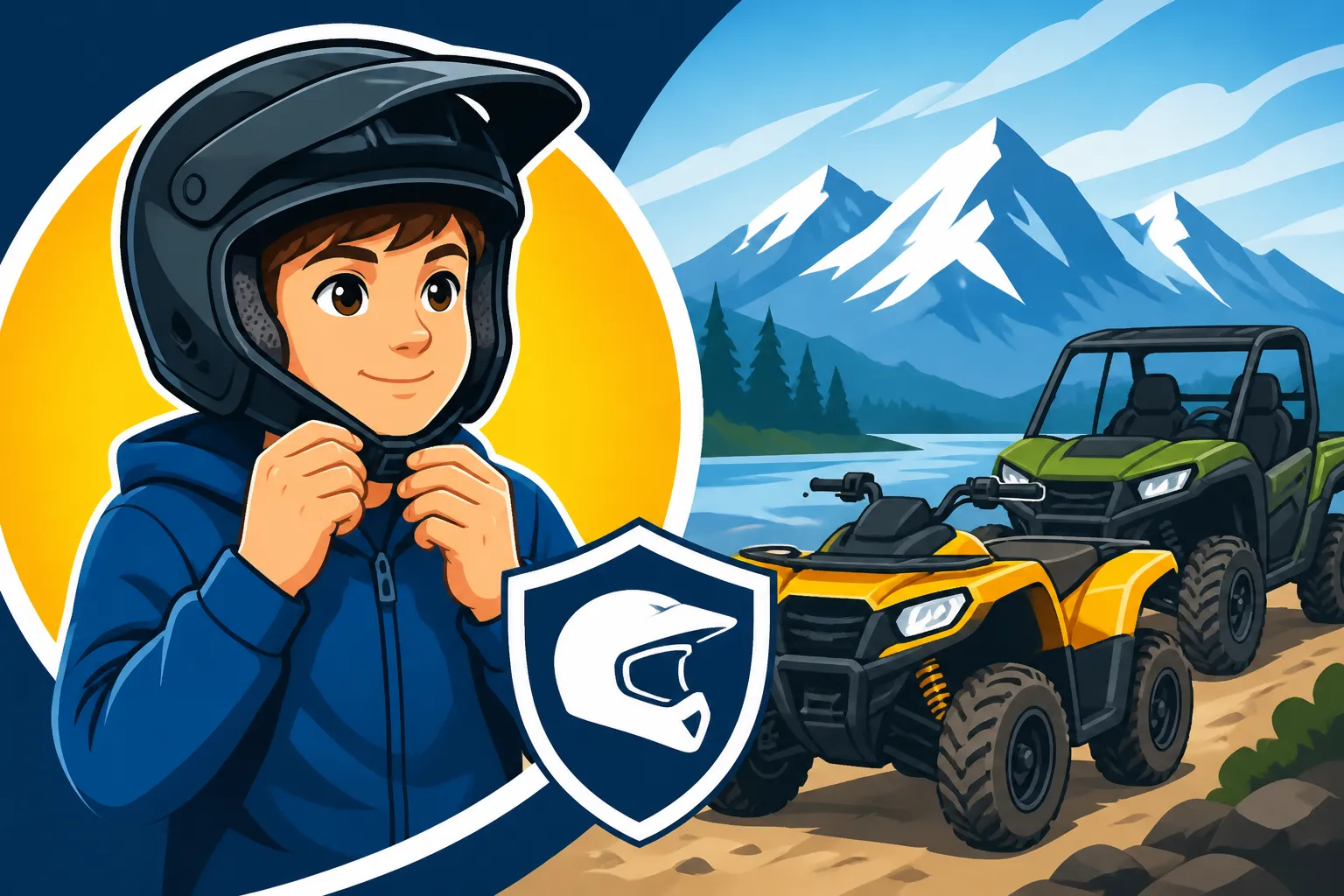
Let's face it, when you're gearing up for a family ride across the tundra or along a winding forest path, the last thing you want is a legal headache. The good news is, Alaska's law concerning helmets for younger riders is pretty straightforward once you understand the core principle. The state has a clear mandate: any person under the age of 16 operating or riding as a passenger on an all-purpose vehicle (APV) must wear a safety helmet. This isn't just a suggestion; it's a legal requirement designed with the safety and well-being of our children in mind. It covers everything from dirt bikes to quads to side-by-sides, essentially any machine that falls under the APV classification in Alaska, with some specific exceptions we’ll get into later.
The Specifics: Age and Machine Type
When we talk about "under 16," we mean it. From the moment your child can safely operate a machine, or even just ride along as a passenger, until their 16th birthday, a helmet is non-negotiable. This isn't about how experienced your young rider is, or how slow they're going; it's a blanket rule. The law defines an all-purpose vehicle as a motorized vehicle, other than a snow machine or tracked vehicle, that has an unladen weight of 1,500 pounds or less, is 50 inches or less in width, and is designed to travel on land on three or more tires. However, the helmet rule is often applied more broadly in practice to other off-road vehicles like side-by-sides, which might exceed the weight or width limits but are still commonly ridden by youth in off-road settings. While the specific APV definition is crucial for [Alaska APV Class Explained], the intent behind the helmet law extends to general youth safety on nearly all off-highway vehicles.
It's vital to remember that while the state law specifies APVs, many communities and land managers interpret "off-highway vehicle" broadly when it comes to youth safety. For example, if your child is riding a small dirt bike that doesn't fit the APV definition, common sense and the spirit of the law dictate a helmet is still absolutely necessary. The goal is protection, regardless of the precise vehicle class.
How the Law is Enforced in Our Communities
So, who's watching out there? Enforcement of the helmet law for riders under 16 falls primarily to Alaska State Troopers and local law enforcement. In rural areas, this might also include village public safety officers or other community enforcement personnel. When they encounter a young rider without a helmet, they're not just looking to issue a ticket; they're often trying to educate and prevent serious injury. However, education can quickly turn into a citation. [Alaska's Under-16 Helmet Fine] isn't just a slap on the wrist; it's a signal that safety is taken seriously.
Enforcement isn't limited to specific times or places; it can happen anywhere an APV is being operated or ridden. This could be on designated trails in the Knik River Public Use Area, crossing a gravel road on the Kenai Peninsula, or even on village streets where APVs are permitted. The key is visibility and opportunity. If an officer sees a violation, they have the authority to act. This proactive approach by law enforcement is a critical component of ensuring rider safety, making sure that what's written on paper translates into safer practices on the ground.
Who is Responsible: Parent or Rider?
This is a question that often comes up, and it's an important one for parents and guardians. In Alaska, the responsibility for ensuring a child under 16 wears a helmet typically falls on the parent or legal guardian. It's not just the young rider who can face consequences; the adult supervising or allowing the ride can also be held accountable. This means if you're out with your kids and one of them isn't wearing a helmet, you, as the responsible adult, are likely to receive the citation. This legal framework emphasizes the critical role parents play in fostering a safe riding environment.
This responsibility extends beyond simply providing a helmet; it means ensuring it's worn correctly every single time the child gets on the machine. It’s about more than avoiding a fine; it’s about instilling a lifelong habit of safety. This makes those pre-ride checks even more important, ensuring helmets are buckled, fitted properly, and in good condition. After all, you're the first line of defense in protecting your child when they're out on the trails.
Why the Under-16 Rule Matters So Much
For many of us who grew up riding machines in Alaska, the idea of mandatory helmets might feel a little new. We might remember riding bare-headed for miles, feeling the wind in our hair. But times change, and so does our understanding of safety. This law isn't about stifling fun; it's about safeguarding the most vulnerable among us: our kids. The statistics on head injuries in ATV accidents are sobering, and for children, the risk is even greater due to their developing bodies and less mature judgment.
The Vulnerability of Young Riders
Children aren't just smaller adults; their bodies are different. Their heads are proportionally larger and heavier, and their neck muscles are less developed, making them more susceptible to severe head and neck injuries in a crash or even a sudden stop. Their bones are still growing and aren't as dense as an adult's, and their brains are still developing, making them more vulnerable to long-term damage from trauma. These physiological differences mean that even a minor fall that an adult might shrug off could have serious, lasting consequences for a child. This isn't fear-mongering; it's simply a recognition of biological fact, underscoring why specific protections like the helmet law are so crucial for young riders.
Moreover, children often lack the experience, coordination, and judgment of an adult rider. They might misjudge terrain, react slowly to obstacles, or simply push their limits without fully understanding the risks involved. This combination of physical vulnerability and developing judgment makes them uniquely susceptible to injury.
Preventing Head Injuries: A Lifelong Impact
A helmet is the single most effective piece of safety equipment an ATV rider can wear, especially for protecting against head injuries. In the event of a crash, a properly fitted helmet can absorb significant impact energy, dispersing forces that would otherwise be concentrated on the skull and brain. This can mean the difference between a bump and a concussion, or even between life and death. Traumatic brain injuries can have devastating, lifelong impacts, affecting cognitive function, motor skills, and even personality. The cost, both human and financial, of a severe head injury is immense.
By requiring helmets for young riders, Alaska is taking a proactive step to prevent these tragic outcomes. It’s an investment in our children’s future, ensuring they can grow up healthy and continue to enjoy the outdoor adventures that define life in Alaska. We want our kids to remember the thrill of the ride, not the aftermath of an preventable accident. [Alaska Accident Reporting for an ATV Crash] often highlights the severe injuries sustained without proper gear, reinforcing the necessity of these simple safety measures.
Setting a Good Example
Beyond the legal requirement and the direct physical protection, the helmet law for youth also serves a vital purpose in setting a positive example. When adults consistently wear helmets and ensure their children do the same, it normalizes safe riding practices. Kids learn by watching, and if they see their parents, older siblings, or other mentors always gearing up, they're more likely to adopt those habits themselves. This isn't just about compliance; it's about developing a culture of safety within the riding community.
This culture of safety extends to other aspects of riding, too. If kids see adults taking safety seriously with helmets, they're also more likely to heed advice about staying on designated trails, avoiding reckless speeds, and respecting wildlife. It's a holistic approach to responsible riding, where the helmet serves as a highly visible symbol of that commitment. Teaching our kids to respect the machine, the environment, and their own safety starts with the fundamentals, and a helmet is right at the top of that list.
Where This Law Applies (and Where it Might Not)
Understanding where Alaska's helmet law for riders under 16 applies can be tricky, especially in a state with such vast and varied landscapes. We have private land, public lands managed by different agencies, and roads that may or may not be open to APV use. The general rule is quite broad, but there are nuances you need to be aware of. The law primarily targets public riding scenarios, but its spirit should guide all riding decisions, regardless of location.
Public vs. Private Land: A Key Distinction
Here's where it gets a little complicated for some folks. Alaska's helmet law for riders under 16 explicitly applies to the operation or riding of an APV on "public land." This includes state lands, federal lands, and generally any land open to public access for recreational riding. So, whether you're out exploring the Knik River Public Use Area, traversing a Bureau of Land Management (BLM) trail, or riding along an unmaintained public right-of-way, the helmet rule is in full effect. [Alaska State Park Riding Rules] also fall under this umbrella, so if you're riding a designated trail in a state park, your young ones need helmets.
However, the law typically doesn't extend to private property. If your child is riding an ATV exclusively on your own private land, fenced off and not accessible to the public, the state helmet law generally doesn't apply. This doesn't mean it's suddenly safe to forgo a helmet! It simply means the state won't issue a citation. From a safety perspective, riding on private land carries the same risks as public land, if not more, depending on the terrain and supervision. We always recommend wearing a helmet, private land or not. This is a crucial distinction, but it should never be interpreted as a reason to be less safe.
Road System vs. Off-Road Trails
Alaska’s laws about APVs on the road system are complex, and it’s important to distinguish between riding on a public road and riding strictly off-road. The under-16 helmet law is primarily focused on off-road use, or situations where an APV is legally operating on a public road where APV use is permitted. For example, if your village has an ordinance that allows APVs on certain streets, your child under 16 would still need a helmet if riding on those streets. [Alaska APV Road Rules Explained] details the conditions under which APVs can even be on roads, and for youth, the helmet rule is consistently applied in those scenarios.
Where the APV is strictly off-road, whether on a maintained trail, an unpaved track, or simply open country, the helmet rule is in force. The state wants to protect young riders no matter where their adventure takes them, provided it's on public ground. This is why you'll see troopers monitoring trailheads and popular riding areas, not just paved roads.
Community-Specific Ordinances
While the state law provides a general framework, it's also important to remember that some Alaskan communities and boroughs may have their own ordinances regarding ATV and UTV use, and these can sometimes add additional restrictions or clarify existing ones. These local rules can cover anything from speed limits to curfews, and occasionally, even more stringent helmet requirements or age restrictions for certain areas. [Alaska APV Rules by Community] vary widely across our vast state, from Nome's citywide OHV access to bans in Anchorage and Fairbanks.
Before you head out, especially if you're riding in a new area, it's always a good idea to check with the local city or borough government for any specific regulations that might apply. A quick phone call to the borough office or a look at their website could save you a lot of hassle and potential fines. These local rules are designed to address specific community concerns and conditions, and they are just as enforceable as state laws.
What Exactly Counts as a "Helmet" in Alaska?
Okay, so we know a helmet is required for young riders. But what kind of helmet are we talking about? Can any old helmet do the trick, or are there specific standards it needs to meet? This isn't just a trivial detail; it's about ensuring the helmet actually provides the protection it's designed for. An improperly rated or ill-fitting helmet offers little real safety, giving a false sense of security.
CPSC Standard Explained
In Alaska, the law specifies that helmets must conform to the safety standards established by the United States Consumer Product Safety Commission (CPSC) or an equivalent standard. The CPSC standard is widely recognized and rigorously tested to ensure helmets provide adequate protection against impact. This isn't just a label; it means the helmet has undergone specific tests to ensure it can withstand the types of forces encountered in an ATV accident. When you're shopping for a helmet for your child, look for a sticker or label that indicates CPSC compliance. This is your assurance that the helmet meets minimum safety requirements.
Sometimes, you'll also see helmets rated by the Department of Transportation (DOT) or Snell Memorial Foundation. While these are often for motorcycle helmets, many ATV helmets also meet or exceed these standards. A DOT or Snell-certified helmet will certainly meet the CPSC requirement. [What the CPSC Helmet Standard Actually Requires] delves into the technical specifications, but for parents, the key takeaway is to look for that certification. Brands like SuperATV, known for a wide range of powersports accessories, often carry helmets that meet or exceed these critical safety standards, giving you peace of mind.
Proper Fit and Maintenance
A helmet, no matter how highly rated, is useless if it doesn't fit properly. For children, this is especially critical because they are still growing. A helmet that's too large can shift during a ride or a crash, exposing vulnerable areas of the head. One that's too small will be uncomfortable and might not be worn at all. When fitting a helmet, it should feel snug all around the head, without any excessive pressure points. It shouldn't move side-to-side or front-to-back when the chin strap is fastened. The chin strap should be tight enough that you can't slip more than one finger underneath it.
Equally important is helmet maintenance. Helmets should be inspected regularly for cracks, dents, or frayed straps. Even if a helmet hasn't been in a major crash, its protective materials can degrade over time, especially with exposure to sunlight and harsh conditions. If a helmet has been involved in any kind of impact, even if it looks fine on the outside, it should be replaced immediately, as its ability to protect in a subsequent impact may be compromised. Treat helmets like any other critical safety equipment – inspect them, clean them gently, and replace them when necessary.
What About Bicycle Helmets?
This is a common question, especially for younger kids who might already have a bike helmet. While bicycle helmets are essential for cycling, they are generally not appropriate for ATV riding. Bicycle helmets are designed to protect against different types of impacts, typically at lower speeds and with different impact angles than what an ATV accident might involve. The materials, construction, and coverage of a bicycle helmet are simply not robust enough to offer adequate protection for powersports use.
An ATV helmet is specifically designed to handle higher-energy impacts, often provides more comprehensive coverage (especially around the chin and jaw), and is constructed with materials that can absorb and distribute greater forces. Using a bicycle helmet for ATV riding is akin to using a baseball helmet for football – it just doesn't provide the right kind of protection for the activity. Always ensure your child has a helmet specifically designed and rated for off-road vehicle use to give them the best chance of protection.
The Consequences: Fines and Other Penalties for Non-Compliance
Nobody wants to get a ticket, especially when you're out enjoying Alaska's stunning scenery. But the helmet law for riders under 16 carries real consequences for non-compliance. These aren't just minor inconveniences; they're designed to underscore the seriousness of protecting our youth and to deter unsafe practices. It's much cheaper and safer to invest in a good helmet than to pay a fine or, worse, deal with the aftermath of an injury.
Initial Fines and Warnings
If a law enforcement officer observes a child under 16 riding an APV without a helmet on public land, they have the authority to issue a citation. The specific amount of the fine can vary, but generally, [Alaska's Under-16 Helmet Fine] for a first offense is typically a civil penalty, rather than a criminal one. This means it's usually treated like a traffic ticket, incurring a monetary cost. The exact dollar amount is set by statute and can change, so it's always best to check current regulations. However, be prepared for a fine that stings enough to make you think twice about letting it happen again.
Sometimes, especially if it's a first offense and the situation allows for it, an officer might issue a warning. This is a discretionary act, however, and you should never count on it. The intent behind a warning is educational: to inform you of the law and encourage compliance. But repeated warnings are unlikely, and the next encounter will almost certainly result in a ticket. It's a reminder that troopers are out there and they prioritize the safety of young riders.
Escalating Penalties for Repeat Offenses
Just like with other traffic violations, repeat offenses for not wearing a helmet can lead to escalating penalties. While a first offense might be a civil citation, subsequent violations could potentially carry higher fines, or in some cases, might lead to other actions. [Alaska Second Offense Helmet Fines] are generally steeper than first offenses, clearly indicating that the state takes persistent non-compliance seriously. This tiered penalty system is a strong incentive for parents and guardians to ensure their young riders are always properly geared up.
The goal here isn't to punish severely but to ensure compliance with a law designed for child safety. Consistent disregard for the helmet law indicates a pattern of unsafe behavior that authorities want to correct. It's far better to educate, equip, and enforce good habits than to face the increasing costs and legal hassles that come with repeat violations.
Impact on Insurance and Future Riding Privileges
While not always immediately apparent, persistent non-compliance with safety laws, even minor ones, could potentially have ripple effects beyond direct fines. In some cases, a history of citations could theoretically be considered by insurance providers if an accident were to occur. While ATV insurance requirements in Alaska are generally limited to specific scenarios like riding on the road system, personal liability coverage is always a wise choice. A pattern of disregard for safety might, in extreme cases, be viewed negatively, though this is less common for a simple helmet violation.
More directly, and perhaps more importantly, is the educational impact. A history of fines means that the message about safety isn't getting through. For the child, repeatedly being caught without a helmet could also lead to discussions about their privilege to ride. While the state won't revoke a child's "riding license" (as there isn't one), parents might need to consider if their child is responsible enough to operate an APV if they consistently disregard safety rules. It's about fostering responsible behavior and understanding that riding is a privilege, not a right, especially on public lands where rules are in place for everyone's safety.
Beyond the Law: Promoting a Culture of Safety
While the law dictates the minimum standard for safety, true protection for our young riders goes far beyond simply ticking a box. As Alaskan outdoor enthusiasts, we understand that the backcountry can be unpredictable. Promoting a genuine culture of safety means instilling good habits, providing comprehensive training, and ensuring adult supervision that extends beyond mere presence. It's about empowering kids to make smart choices, even when no one is looking.
Mandatory vs. Recommended Safety Training
Alaska doesn't currently mandate an ATV safety course for all riders, including youth, unlike some other states. However, this lack of a mandatory requirement should never be seen as a reason to skip out on safety education. In fact, taking a voluntary ATV safety course is one of the best investments you can make for your young rider. These courses, often offered by certified instructors through organizations like the ATV Safety Institute (ASI), cover critical skills, hazard awareness, proper riding techniques, and responsible operation. [Alaska Voluntary Safety Courses] are available and highly recommended.
These courses teach kids how to assess terrain, handle emergencies, and understand the capabilities and limitations of their machines. They learn about risk management and environmental ethics, which are invaluable lessons for any Alaskan outdoor activity. Even if your child has been riding for years, a formal safety course can reinforce good habits and introduce techniques they might not have learned otherwise. It's not just about what they can do, but what they should do to stay safe.
The Role of Adult Supervision
Adult supervision is absolutely critical when children are riding ATVs, especially in Alaska's often challenging terrain. This means more than just being somewhere in the vicinity; it means active, engaged supervision. Adults should ride with their children, observe their riding habits, and be prepared to intervene if a dangerous situation arises. This also means choosing machines appropriate for the child's age, size, and skill level, as detailed in [Alaska Rules for a Child Passenger].
Supervision also involves regularly checking the child's machine for mechanical issues, ensuring they are wearing all their protective gear, and reviewing the planned route for potential hazards. In the remote Alaskan environment, an adult's ability to respond to an emergency, whether a mechanical breakdown or an injury, is paramount. Never let a child ride alone, especially in unfamiliar or remote areas. The vastness of Alaska demands extra vigilance.
Fostering Responsible Riding Habits
Ultimately, the goal is to foster a sense of responsibility in young riders that will last a lifetime. This goes beyond just wearing a helmet; it encompasses respecting the land, understanding trail etiquette, and making sound judgments. Teach them about [Alaska Trespass Law for Riders] and why it's important to know land ownership. Discuss the impact of riding on sensitive tundra or wetlands and the importance of staying on designated trails to prevent environmental damage.
Encourage them to ride within their abilities, to avoid showing off, and to always put safety first. Talk about potential wildlife encounters, the importance of carrying emergency supplies, and how to communicate if they get separated from the group. These conversations, coupled with leading by example, build a foundation for responsible riding. The helmet is the physical symbol, but the underlying values of respect and safety are what truly protect our kids on Alaska's trails.
Equipping Your Young Rider: Gear Beyond the Helmet
While the helmet is paramount, it's just one piece of the puzzle when it comes to keeping young riders safe and comfortable on Alaska's trails. Our diverse climate, from dusty summer trails to chilly shoulder seasons, demands a full suite of protective gear. Thinking holistically about gear ensures that your child is not only protected from impacts but also from the elements, enhancing their overall riding experience and reducing fatigue.
Essential Protective Gear Beyond the Helmet
Beyond the CPSC-approved helmet, several other items are crucial for a child's safety on an ATV:
- Eye Protection: Goggles or shatter-resistant glasses are non-negotiable. Dust, flying rocks, mud, and branches are constant threats to eyesight. In Alaska, you also contend with bright sun glare off snow or water, and potentially stinging insects. Clear, anti-fog goggles are often best, and many full-face ATV helmets have built-in eyeport designs to accommodate them.
- Gloves: Sturdy gloves protect hands from blisters, abrasions, and impacts, while also improving grip on the handlebars. They're also vital for warmth in cooler weather, which can happen even on a summer day in the mountains.
- Long Sleeves and Pants: Even in warm weather, long sleeves and pants made of durable material (like denim or specialized riding apparel) are essential. They protect against scrapes, cuts, sunburn, and provide a layer of insulation. While not explicitly part of [Alaska OHV Equipment Requirements] beyond general safety, this is pure common sense.
- Over-the-Ankle Boots: Sturdy boots protect feet and ankles from impacts, provide ankle support, and keep them from slipping off footpegs. Avoid open-toed shoes or sneakers.
- Chest Protectors/Armored Jackets: For more aggressive riding or for very young children, a chest protector or an armored riding jacket offers additional protection for the torso, shoulders, and elbows against impacts and abrasions.
Investing in quality gear is investing in your child's safety. It might seem like a lot of expense upfront, but it's nothing compared to medical bills or lifelong injury.
Visibility and Comfort Considerations
In Alaska, visibility on the trail can be a significant safety factor. Brightly colored riding gear, especially neon or fluorescent colors, helps make your child more visible to other riders, especially in dusty conditions, dense forests, or during changing light. This is particularly important if you're riding in a group or on multi-use trails where you might encounter other vehicles or even hikers.
Comfort is also key. Uncomfortable gear can be distracting, leading to poor concentration, or worse, kids might try to remove it mid-ride. Ensure all gear fits well, allows for a full range of motion, and doesn't chafe. Look for breathable fabrics for warmer weather and waterproof layers for our often-damp climate. A comfortable child is a more focused and safer child on the trail.
Finding the Right Size and Quality
When it comes to gear, especially for growing kids, finding the right size is paramount. Never buy gear that's "a little big to grow into" if it compromises safety. Helmets, in particular, must fit snugly now. Many manufacturers, including brands like SuperATV, offer youth-specific sizing for helmets, goggles, and riding apparel, ensuring a proper fit for smaller bodies. Don't hesitate to visit a local powersports dealer to have your child properly fitted for a helmet and other essential gear.
Quality also matters. Cheap, poorly constructed gear might save you a few dollars initially, but it won't offer the same level of protection or durability as reputable brands. Look for gear made from robust materials, with strong stitching and reliable fasteners. Read reviews, ask for recommendations from experienced riders, and choose gear that's built to withstand the rigors of Alaskan riding. A high-quality helmet that meets CPSC standards and fits your child well is not an accessory; it's a life-saving necessity.
Common Misconceptions and Clarifications for Alaska Parents
Despite clear laws and abundant safety information, some common misconceptions persist among ATV riders, especially concerning youth and helmets. These misunderstandings can inadvertently put young riders at risk. Let's tackle some of these head-on to ensure everyone is operating with accurate information.
"It's just a dirt road!"
This is a classic line we often hear, and it usually comes with the assumption that a "dirt road" is inherently safer than a groomed trail or rough terrain, thus negating the need for a helmet. The reality in Alaska is far different. Many of our "dirt roads" are unmaintained, full of potholes, loose gravel, unexpected ruts, and can be shared with full-size vehicles, trucks, and even other recreational users. Accidents can happen at any speed, and even a low-speed tip-over on a seemingly benign dirt road can lead to a serious head injury if a helmet isn't worn. The surface material offers no magical protection.
Furthermore, a "dirt road" on public land still falls under the purview of public access, meaning the under-16 helmet law is still applicable. Whether it’s a remote two-track, a gravel path to a fishing hole, or an unpaved village street where APVs are allowed, the law and the need for protection remain constant. The type of surface does not diminish the risk of head injury.
"My kid is an experienced rider."
This is another common sentiment from parents, often used to justify lax safety practices. While experience certainly plays a role in a rider's skill and ability to navigate challenges, it does not make them invincible. Even the most seasoned adult riders can have an unexpected accident due to unforeseen obstacles, mechanical failure, or momentary lapses in judgment. For a child, no amount of experience can fully compensate for their developing cognitive abilities and physical vulnerability.
An experienced rider might be less likely to crash, but if they do, the risk of head injury without a helmet is still the same. Experience reduces the likelihood of an accident, but a helmet reduces the severity of injury if an accident occurs. These are two distinct safety principles, and both are essential. Encourage their skill development, but never let it overshadow the fundamental requirement of proper safety gear.
"Nobody enforces these rules out here."
This is a dangerous assumption to make anywhere in Alaska. While you might be riding miles from the nearest town, law enforcement, including Alaska State Troopers and Wildlife Troopers, patrol vast areas of public land. They understand that remote areas are popular for APV use, and they actively enforce safety regulations, including the helmet law for minors. You never know when you might encounter a patrol, whether by vehicle, snow machine, or even aircraft.
Beyond formal enforcement, remember that every interaction you have on the trail is a reflection of the riding community. Unsafe practices, like letting children ride without helmets, not only put your child at risk but also contribute to a negative perception of ATV users. This can lead to increased restrictions, trail closures, and less access for everyone. Be a responsible ambassador for the sport, not just because it's the law, but because it's the right thing to do for your child and for the future of riding in Alaska.
Comparing Penalties for Youth Helmet Violations
To give you a clearer picture of what you might face for not adhering to Alaska's helmet law for riders under 16, here's a general overview of how penalties often escalate. Please remember that specific fine amounts can change and are subject to local regulations and judicial discretion. This table provides a conceptual framework, not exact dollar figures. Always consult official Alaska DMV or legal resources for the most current information.
| Offense Type | Typical Penalty (General Shape) | Key Takeaway |
|---|---|---|
| First Offense | Monetary fine (often a few hundred dollars) | Primarily an educational and deterrent measure |
| Second Offense | Increased monetary fine (significantly higher than first) | Escalating seriousness, demonstrating repeated disregard |
| Subsequent Offenses | Potentially higher fines, possible court appearance, broader implications | Strong signal of a pattern of non-compliance and safety risk |
This table clearly illustrates that Alaska takes repeated violations seriously. The intent is not just to collect revenue but to ensure the safety of our youngest riders. It's a progressive system designed to encourage immediate and consistent compliance with a crucial safety law.
Disclaimer
This article is for general informational purposes only and does not constitute professional advice. Laws, prices and regulations vary by location and change over time. Consult a qualified professional for guidance on your specific situation.