Bear Encounters on a Trail
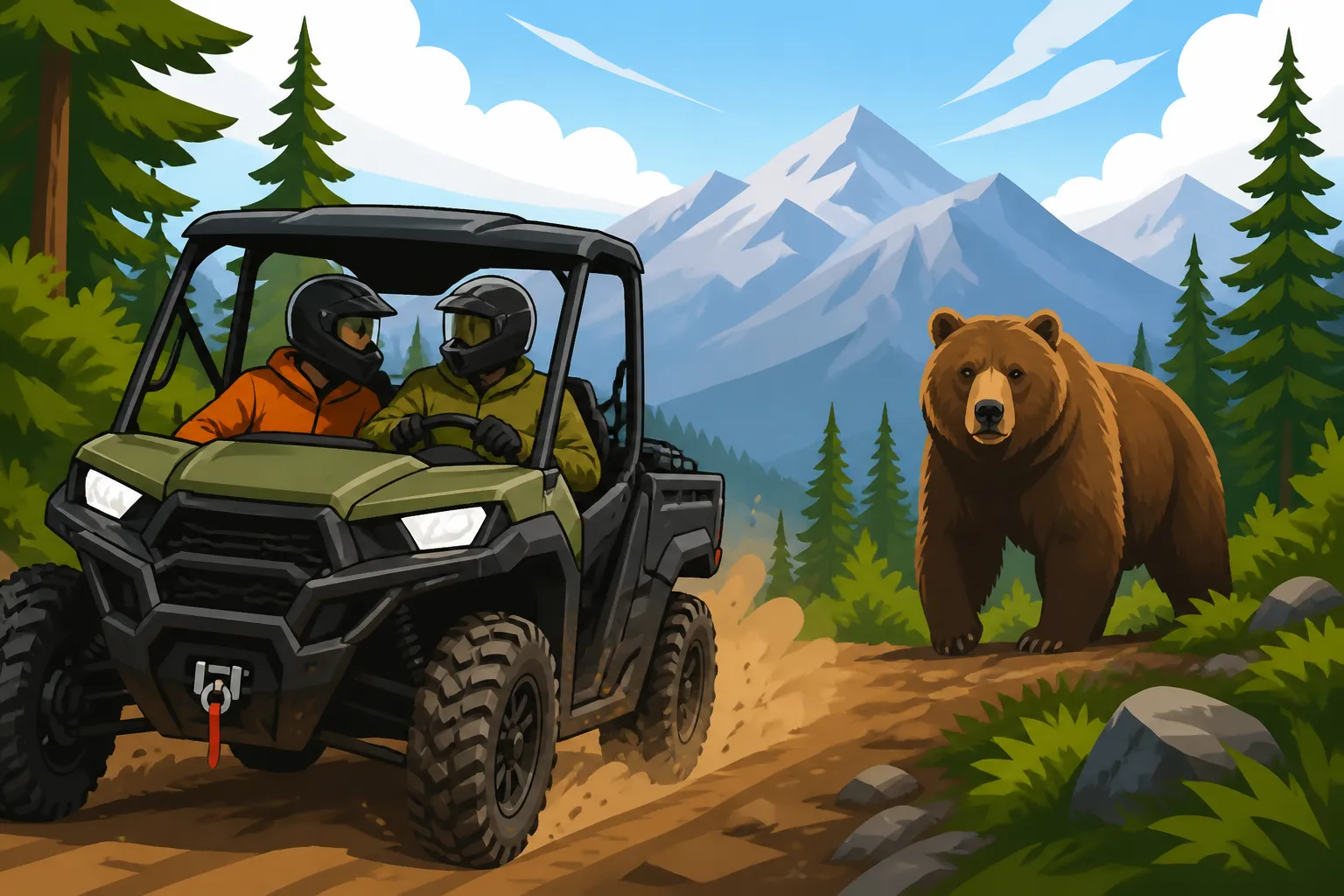
There's a unique thrill that comes with riding an ATV or UTV through Alaska's vast wilderness – the crisp air, the stunning scenery, the feeling of freedom. But with that comes the very real possibility of encountering one of Alaska's magnificent, yet powerful, residents: bears. It's a concern that weighs heavily on many riders' minds, especially when heading out into less traveled areas, and understanding how to act can be the difference between a memorable wildlife viewing and a dangerous situation. This guide will walk you through what to know and what to do before, during, and after a bear encounter on an Alaska trail.
Understanding Alaska's Bear Neighbors on the Trail
Alaska is prime bear country, and while the thought of seeing one can be exciting for some, it's also a serious reminder that we are visitors in their home. It's crucial to approach every ride with respect for these animals and an understanding of their behavior.
The Different Bears You Might Meet
When you're out on the trails, you're most likely to encounter two main types of bears: black bears and brown bears (which include grizzlies). While they both demand respect, their typical reactions and the advice for dealing with them can differ.
Black bears are generally smaller, often black in color (though they can also be brown, cinnamon, or even blonde), and have a straight facial profile with a small, narrow muzzle. They're often found in forested areas and are generally more timid, though they can become accustomed to human food. They're usually less aggressive than brown bears, but don't let that fool you – a black bear can still be dangerous, especially if it feels threatened or has cubs nearby. You might see them foraging in berry bushes or even crossing a trail quickly.
Brown bears, which include the iconic grizzly bears, are typically larger, with a prominent shoulder hump, a dished facial profile, and longer claws. Their color can vary widely from blonde to dark brown. These bears are more widespread throughout Alaska's diverse habitats, from coastal regions to high alpine tundra. They can be incredibly powerful and are known for being more assertive and defensive, especially mothers with cubs or bears protecting a food source, like a recent kill. Coming across a brown bear unexpectedly can be a heart-stopping moment, and knowing how to react correctly is paramount. While less likely on typical ATV trails, if you're venturing far north or along specific coastal areas, you might also be in polar bear territory, which presents a different set of challenges, though they are primarily sea ice dwellers. For the purposes of most trail riding in interior Alaska, black and brown bears are your primary focus.
Why Bears and Humans Cross Paths
Bears aren't out to get you; they're simply trying to survive. Encounters often happen for a few key reasons. One common scenario is simply surprising a bear. Your ATV or UTV can be loud, but it can also mask your approach, especially around blind corners, dense brush, or near noisy streams. A bear might not hear you coming until you're right on top of it, leading to a startled reaction from both sides. This is often the cause of defensive encounters.
Another reason is food. Bears are constantly searching for food, and if you're not careful with how you store your snacks, lunch, or even scented items like toothpaste, you could inadvertently attract a bear. Bears have an incredible sense of smell, far superior to a bloodhound's, and can detect food from miles away. Leaving coolers unsecured or food scraps near your machine at a stop can create a problem, not just for you but for future riders as well, as bears that learn to associate humans with food can become habituated and dangerous. This is why many trail regulations emphasize [Smart Food and Scent Management] when camping or stopping for an extended period. Bears are also creatures of habit, using established trails and game paths, which often overlap with human-used routes, increasing the likelihood of an encounter.
Proactive Steps to Prevent Bear Encounters While Riding
The best bear encounter is the one that never happens. Being proactive and making smart choices before and during your ride can significantly reduce your risk and help keep both you and the bears safe.
Making Your Presence Known
One of the most effective ways to avoid a surprise encounter is to let bears know you're in the area. While your ATV or UTV naturally makes noise, don't rely solely on its engine hum. When riding in dense areas, around blind curves, or through thick brush, it's a good idea to periodically make additional human noise – shouting "Hey bear!" or talking loudly with your passengers. Some riders even attach a small bell to their machine, though the engine noise often drowns this out. The goal is to give any nearby bear ample warning that you're approaching, allowing them time to move off the trail without feeling surprised or threatened.
Riding in a group can also help. A larger group of machines and people makes more noise and presents a more formidable presence, which can deter curious or territorial bears. If you're planning a trip into remote areas, consider [Alaska Group Ride Planning] to increase your visibility and safety. Avoid riding silently, especially if you're coasting downhill or through particularly quiet stretches. Consistent, human-identifiable noise is key to preventing those jarring, close-quarters surprises that can escalate quickly.
Smart Food and Scent Management
Bears are opportunistic eaters, and their noses are legendary. This means anything with a scent, not just food, can attract them. Before you head out, pack all your food in airtight, hard-sided containers. Soft bags and plastic wrap simply won't cut it. When you stop for a break or a meal, never leave food unattended on your machine or on the ground. Keep it in your vehicle, secured, or better yet, in bear-resistant containers if you're planning an overnight trip. All garbage, even empty wrappers, needs to be packed out immediately and stored just as carefully as your food.
This extends beyond just food. Items like toothpaste, deodorant, bug spray, and even pet food can be highly attractive to bears. Store these scented items with the same diligence as your food. If you're planning on [Alaska OHV Camping With Trail Access], consider using a bear-resistant food locker if available, or hanging your food and scented items from a tree limb at least 10-12 feet off the ground and 4 feet from the tree trunk. The idea is to deny bears easy access to human food, which helps keep them wild and reduces the chance of them associating humans with a free meal. A secure cargo box from a company like SuperATV can be invaluable for keeping scents contained and preventing accidental spills or unsecured items from becoming a beacon for bears.
Riding Habits That Reduce Risk
Beyond noise and food, certain riding habits can further enhance your safety. Always stay on marked trails. Veering off-trail can lead you into dense cover where a bear might be resting or foraging, increasing the chance of a surprise encounter. Maintaining a reasonable speed is also important – fast speeds reduce your reaction time and can make it harder to spot a bear ahead, or for a bear to react to your approach. Slow down, especially around blind corners, crests of hills, and areas with dense vegetation.
Pay attention to your surroundings. Look for signs of bear activity, such as fresh tracks, scat, overturned rocks, or claw marks on trees. If you see signs of recent activity, be extra vigilant. Consider what time of day you're riding; dawn and dusk are often peak activity times for many wildlife, including bears. While [Alaska Riding After Dark] can be an incredible experience, it also reduces visibility for both you and wildlife, making encounters more likely to be a surprise. If you spot a bear from a distance, give it a wide berth. If possible, turn around and find an alternate route. Never try to approach a bear for a closer look or a photo; this is not only dangerous but also highly disrespectful to the animal.
What to Do When a Bear Appears on Your Route
Even with the best preventative measures, encounters can still happen. The most important thing is to stay calm, assess the situation, and react appropriately. Panic can make a bad situation worse.
Identifying Bear Behavior and Intent
When you spot a bear, the first step is to figure out what kind of bear it is (black or brown/grizzly) and, more importantly, what its behavior indicates. Is it acting defensively, or is it showing predatory interest? This distinction is critical because your response will differ significantly.
A defensive bear is typically surprised, threatened, or protecting cubs or a food source. Signs of a defensive bear include:
- Head down, ears back.
- Huffing, jaw popping, or woofing sounds.
- Swatting the ground.
- Bluff charges (running towards you, then stopping abruptly).
- Standing on hind legs (this is often a bear trying to get a better look, not necessarily aggressive).
With a defensive bear, your goal is to show you are not a threat and to de-escalate the situation.
A predatory bear is much rarer but far more dangerous. These bears typically approach silently, may follow you, and show a sustained interest in you as a potential food source. Signs include:
- Head up, ears forward, intent stare.
- Silent approach, often trying to circle you.
- Lack of huffing or other defensive vocalizations.
Predatory attacks are almost exclusively associated with black bears, though any bear can be predatory in extreme circumstances (e.g., starvation). If you encounter a predatory bear, your response must be immediate and aggressive.
Dealing with a Defensive Bear
If you encounter a defensive bear, your main strategy is to show it that you are not a threat and that you want to move away.
- Stop your machine and stay together if in a group. Do not try to run. Running can trigger a chase response.
- Make yourself look as large as possible. Stand tall, spread your arms, hold your helmet over your head.
- Speak in a calm, firm voice. Say "Hey bear" or "Whoa bear" to let it know you are human and not prey.
- Slowly back away. Do not turn your back. Keep facing the bear, maintaining eye contact without staring aggressively. Create distance.
- Do NOT drop your pack or food. This is giving the bear a reward for approaching you.
- Have bear spray ready. If the bear continues to approach or bluff charge within close range (20-30 feet), deploy your bear spray. Aim for the bear's face and chest, saturating the area. Companies like SuperATV even make mounts to keep your bear spray easily accessible on your machine.
- If a defensive brown bear makes contact, play dead. Lie on your stomach, clasp your hands behind your neck, and spread your legs to prevent the bear from rolling you over. Remain still until you are certain the bear has left the area. This behavior signals you are no longer a threat.
Responding to a Predatory Bear
This is a rare but critical distinction. If a bear is stalking you, approaching silently, or showing persistent interest with an upright posture and focused gaze, you must fight back.
- Do NOT play dead. This is for defensive encounters only.
- Fight back aggressively. Use anything at your disposal – rocks, sticks, your helmet, bear spray, or even your fists and feet. Aim for the bear's face, especially the eyes and nose.
- Try to intimidate the bear. Shout, make yourself look as large as possible, make loud noises.
- Use bear spray. Again, deploy bear spray if the bear is within range and is actively approaching with predatory intent.
Understanding the difference between defensive and predatory behavior is paramount. When in doubt, most charges are bluff charges or defensive, but always be prepared to defend yourself.
After an Encounter and Staying Prepared for the Next One
Even a non-contact encounter can be incredibly intense and leave you rattled. Knowing what to do afterward and ensuring you're always prepared can provide a sense of control and significantly increase your safety.
Reporting and Learning from the Experience
After any bear encounter, especially a close one or one that involved aggressive behavior, it's vital to report it to the appropriate authorities. This usually means the Alaska Department of Fish and Game (ADFG) or the Alaska State Troopers. Providing details about the type of bear, its behavior, the location, and what you did can help wildlife officials monitor bear activity, identify potential problem areas, and issue warnings to other users of the trail. This also contributes to the overall safety of the public and helps wildlife managers in their conservation efforts.
Take a moment to debrief with your riding partners. What worked well? What could have been done differently? Learning from the experience, even a frightening one, helps you refine your approach for future rides. Don't let a single encounter deter you from enjoying Alaska's trails, but use it as a powerful reminder of the importance of vigilance and preparedness.
Essential Gear for Bear Country
Riding in Alaska's backcountry means being self-sufficient and carrying the right tools. When it comes to bear safety, a few items are absolutely non-negotiable:
- Bear Spray: This is arguably the most effective deterrent for a charging bear. Carry it in an easily accessible holster on your body or your machine (like a SuperATV UTV cab accessory mount), not buried in your backpack. Check the expiration date regularly. Practice drawing and aiming it so you're not fumbling in a high-stress situation.
- First Aid Kit: In the unfortunate event of an injury (bear-related or otherwise), a well-stocked first aid kit is essential. Consider taking a wilderness first aid course, as help can be hours or even days away in remote areas.
- Communication Device: Cell service is often nonexistent once you leave the road system. Carry a satellite messenger or an emergency locator beacon (PLB). These devices can be life-savers, allowing you to call for help in an emergency. For tips on how these devices help, check out [Carrying a Satellite Messenger for a Backcountry Ride].
- Tools for your machine: A good tool kit, spare parts, and a winch (many UTVs and ATVs from manufacturers like Polaris or Can-Am come with these, or you can add one from SuperATV) can get you unstuck quickly, which is crucial if you need to make a swift exit from an area.
Safety in Numbers and Training
There's strength in numbers, especially in bear country. Riding with at least one other machine, and ideally more, increases your visibility and noise, making encounters less likely. It also means you have immediate help if something goes wrong, whether it's a mechanical issue or a bear encounter. [Alaska Group Ride Planning] can help ensure everyone in your party is on the same page regarding bear safety protocols.
Consider taking a bear safety course. Many organizations and state agencies offer these, providing hands-on training for deploying bear spray, understanding bear behavior, and practicing various scenarios. This kind of practical experience can be invaluable for building confidence and ensuring the correct response when the adrenaline is pumping. Even if Alaska doesn't have a general safety certificate rule for ATVs, voluntary courses are highly recommended for anyone venturing into bear habitat. Knowing how to ride responsibly and safely in Alaska's wild landscapes ensures you can keep enjoying the trails for years to come.
| Bear Species | Key ID Features | Primary Habitat | Common Behavior | Recommended Response for Close Encounter |
|---|---|---|---|---|
| Black Bear | Straight facial profile, no shoulder hump, varied color | Forested areas, mountains, coast | Often timid, can be curious/predatory | Stand tall, make noise, fight back if attacked |
| Brown Bear/Grizzly | Dished facial profile, prominent shoulder hump, large claws | Diverse, open tundra to forests | Often defensive, especially with cubs/food | Stand tall, make noise, play dead if attacked |
Disclaimer
This article is for general informational purposes only and does not constitute professional advice. Laws, prices and regulations vary by location and change over time. Consult a qualified professional for guidance on your specific situation.