What a Village Council Can Require of Riders
Village council ATV rules depend on land ownership and authority; confirm permission, route limits, permits, and local requirements before riding.
Your sticker stops at the state line.
Non-resident permits, what they cost and how long they last, and which states honor each other’s — or, increasingly, none at all.
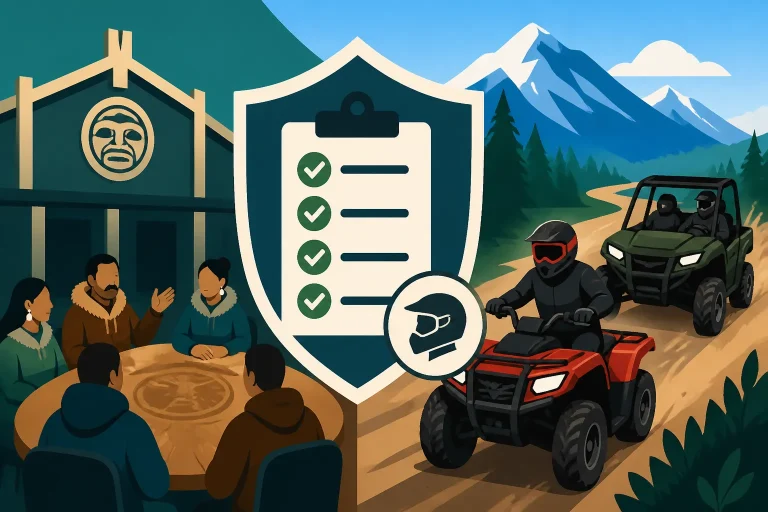
Village council ATV rules depend on land ownership and authority; confirm permission, route limits, permits, and local requirements before riding.
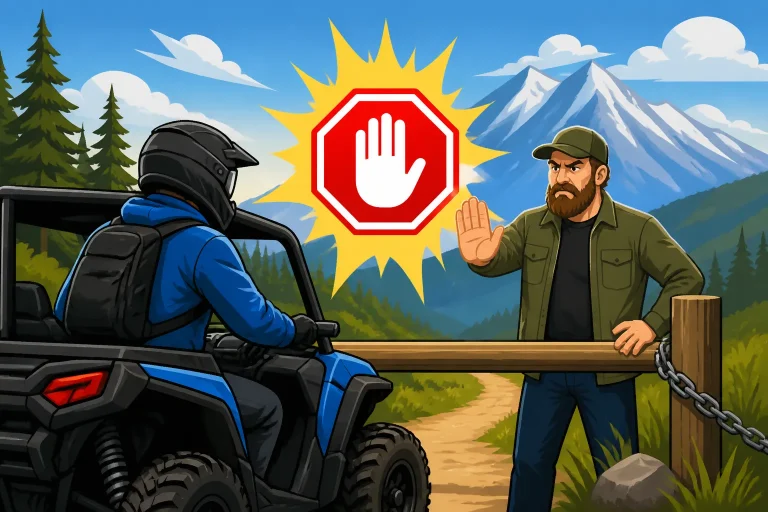
Alaska ATV and UTV riders should verify private-land access, clarify any crossing fee, and check for a public easement before riding through.
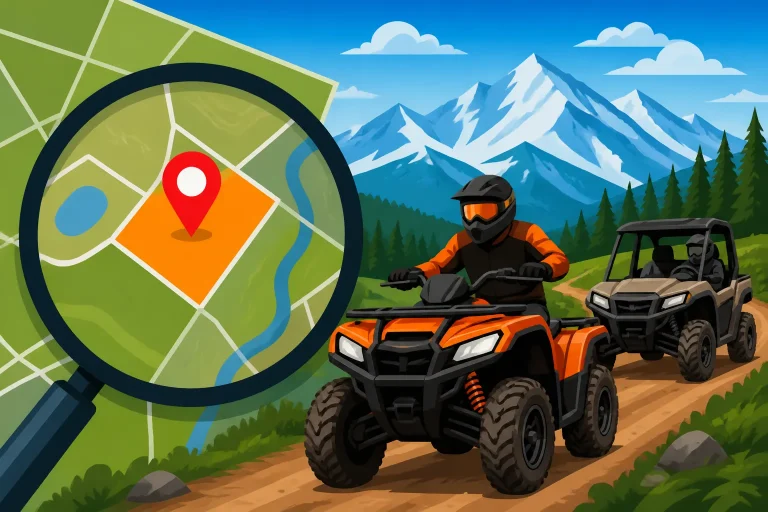
Alaska Mapper helps ATV and UTV riders check parcel ownership before a route; mapped boundaries are a starting point, not riding permission.
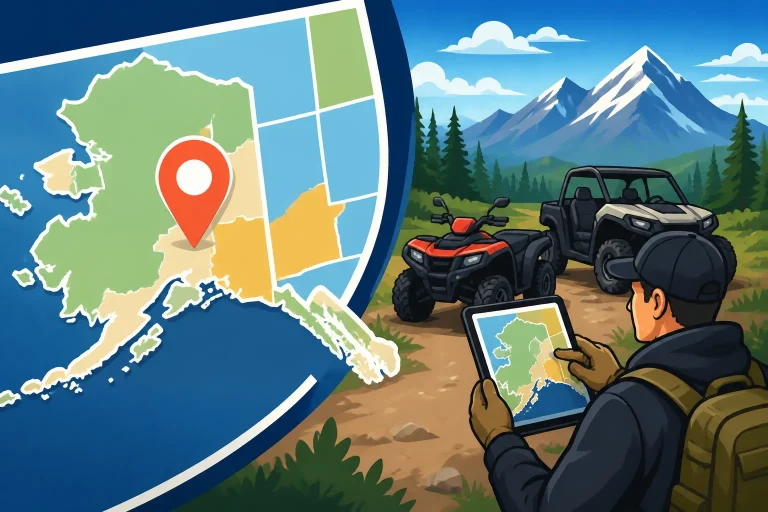
Checking a Land Status Map in Alaska helps ATV and UTV riders identify land ownership, but map boundaries alone do not grant riding access.

Riding an Alaska ATV or UTV onto another agency’s land requires checking that manager’s trail rules, permits, boundaries, and current access conditions.
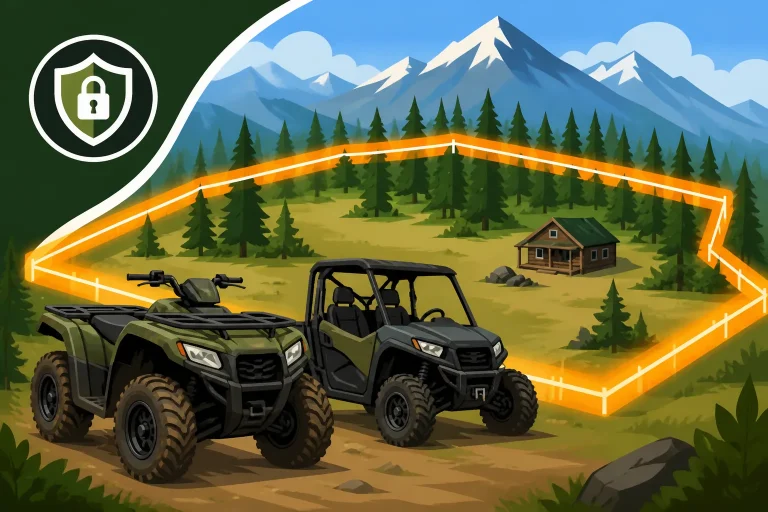
Private ground can sit inside a public-land boundary in Alaska. Check parcel ownership, route access, and motorized-use permission before riding.

Alaska’s statewide ATV permit does not cover state parks. Check each land boundary, park rule, and route authorization before riding.
Legislatively designated land in Alaska follows site-specific rules, so check the area’s law and manager before assuming an ATV permit allows riding.
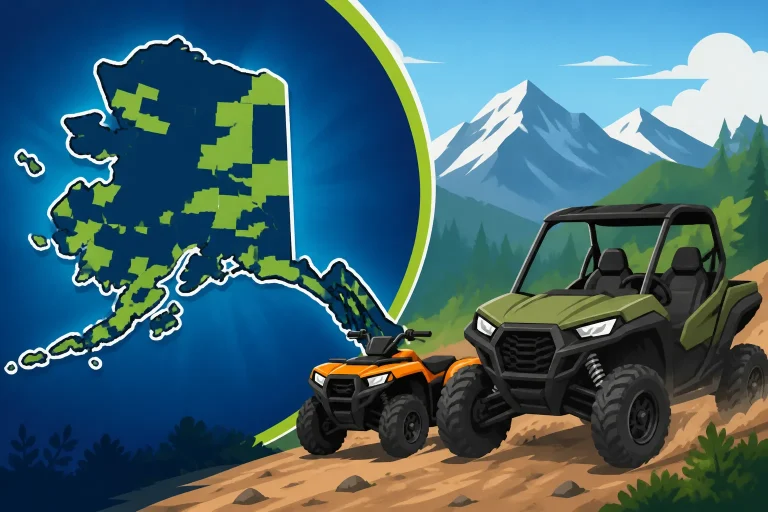
Alaska’s state-land general permit covers qualifying ATVs and UTVs only on general state land, not parks, private parcels, or land managed by other agencies.
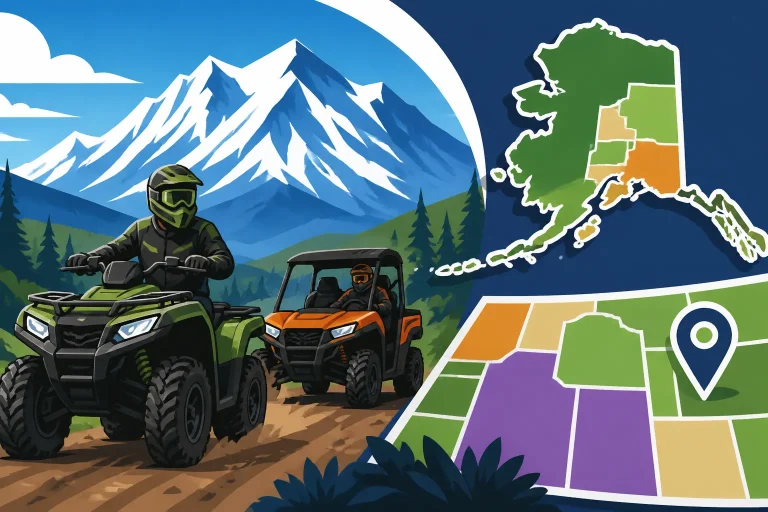
Alaska land ownership lookups help ATV and UTV riders identify who controls a route, then confirm access permission before riding on unfamiliar ground.