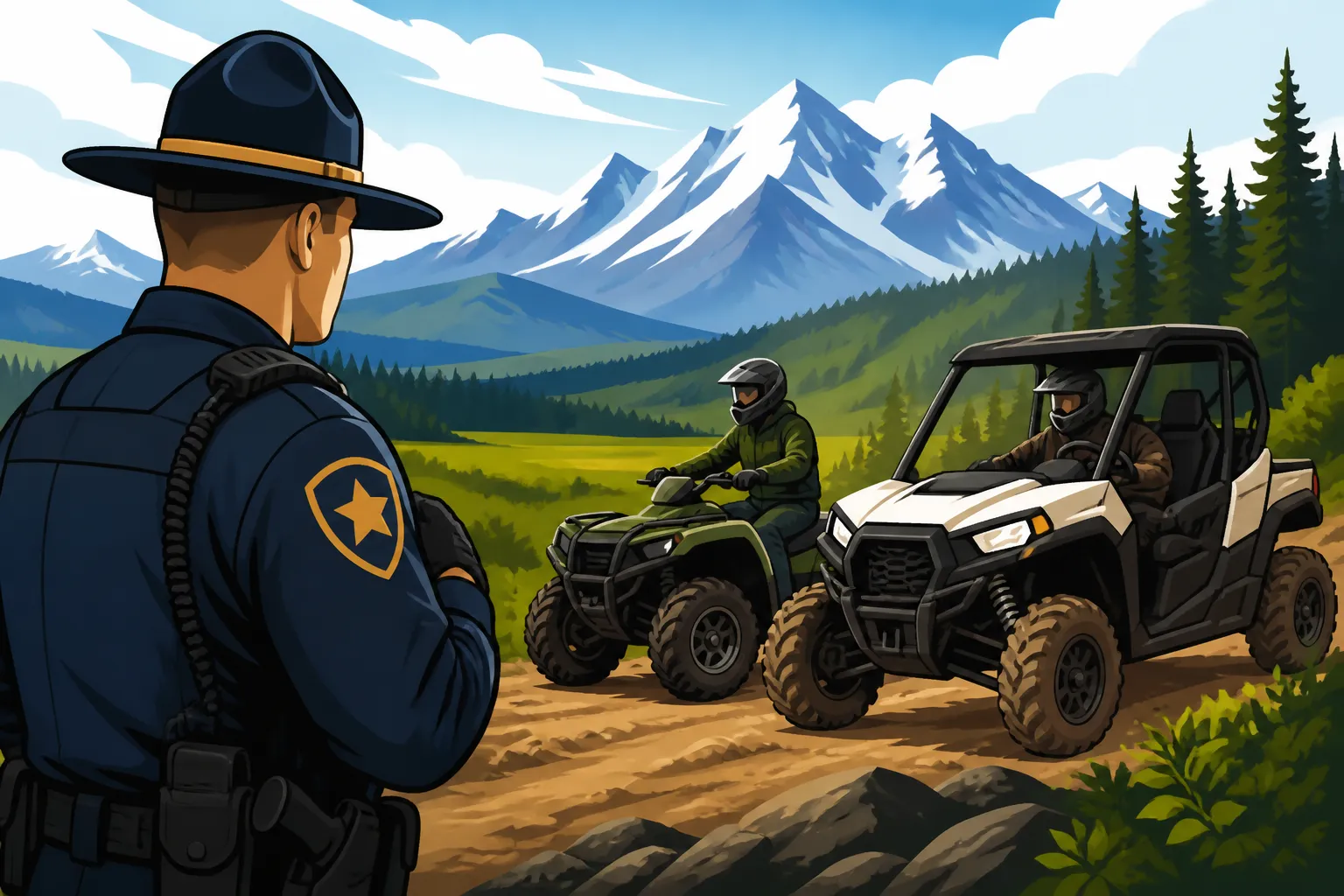
Trooper Patrols on Public Land
There's nothing quite like the freedom of exploring Alaska's vast public lands on your ATV or UTV. The raw beauty, the solitude, the sheer adventure—it’s what draws so many of us out here. But let's be real, even miles from the nearest paved road, the law is still very much a part of the landscape. Many riders feel a pang of anxiety when they spot a marked vehicle in the remote backcountry, wondering what an encounter with a state trooper or other law enforcement might entail. This guide is here to demystify those encounters, helping you understand who patrols Alaska's public lands, what they're looking for, and how to ensure your ride is not only epic but also fully compliant and stress-free.
Riding Remote: Understanding Trooper Patrols on Alaska's Public Lands
You might feel like you're in the middle of nowhere, miles from civilization, but Alaska's public lands, from sprawling state parks to vast tracts of BLM and state recreation areas, are actively managed and patrolled. It's easy to assume that enforcement only happens on the main roads, but that's simply not the reality for ATV and UTV riders here.
Who You Might Encounter and Where
When you're out on the trails or exploring the expansive wilderness, it's not just Alaska State Troopers you might see. Depending on where you're riding, you could encounter a few different types of law enforcement or land managers. Wildlife Troopers, a specialized division of the Alaska State Troopers, are often heavily involved in patrolling remote areas, particularly during hunting and fishing seasons. They have a deep understanding of natural resources laws and land use regulations. You might also come across park rangers in state park units like the Knik River Public Use Area in Alaska or Jim Creek Riding in Alaska, or even federal agents on BLM or Forest Service land, especially if those areas are accessible by vehicle.
These patrols aren't just limited to popular trailheads either. While it's common to see enforcement at well-known access points where large groups gather, troopers and rangers often utilize their own ATVs, UTVs, snowmachines, or even aircraft to reach remote areas. This means that even if you've ventured deep into the backcountry, far from any paved road, you should always be prepared for a potential encounter. The vastness of Alaska sometimes gives a false sense of absolute freedom, but it's important to remember that these lands are shared resources with rules designed to protect both the environment and public safety.
The Core Reasons Behind Backcountry Patrols
It's not about spoiling your fun or handing out tickets just for the sake of it. The presence of law enforcement on Alaska's public lands is rooted in several critical objectives that benefit all users. First and foremost, safety is a huge concern. Troopers are often responding to distress calls, assisting with search and rescue operations, or investigating accidents, which unfortunately can be common with off-road vehicles. They're also there to ensure that riders are operating their machines safely, preventing reckless behavior that could lead to injury for themselves or others.
Beyond immediate safety, patrols are crucial for environmental protection. Alaska's delicate ecosystems, particularly the tundra and wetlands, can be easily damaged by improper vehicle use. Troopers enforce regulations like [Alaska Wetland Travel Restrictions Explained] and rules against [Alaska Tundra Damage and Riding] to preserve these fragile habitats for future generations. They also monitor for illegal dumping, poaching, or unauthorized trail creation. Furthermore, they ensure compliance with land use regulations, which can be complex, especially on mixed-ownership lands, helping to prevent trespass issues or conflicts between different user groups. Their presence is a vital part of maintaining responsible access to Alaska's natural treasures.
What Troopers Are Looking For: Common Compliance Checks
When a trooper pulls you over on the trail, it can be a little jarring. But knowing what they typically check for can help you prepare and ensure a smooth interaction. Most checks revolve around proper documentation, machine equipment, and responsible land use.
Your Machine's Paperwork and Identification
This is probably the most straightforward check, but also one of the most common reasons for a citation. Every ATV or UTV operating on public land in Alaska generally needs to be registered. Troopers will ask to see proof of registration, which usually means your current registration decal clearly displayed on your machine, as well as the actual registration card. For new residents or those buying a used machine, understanding processes like [How to Register an ATV in Alaska] or [Alaska APV Titling Required Since 2022] is crucial.
They'll also want to verify ownership, often by checking the VIN (Vehicle Identification Number) against your registration. It's smart to have your bill of sale or title handy, especially if you're riding a newly acquired machine. If you're riding a machine with a loan or lien, understanding how [Alaska Registration and Lien Records] work can save you a headache. Keeping all your documents in a waterproof bag or container is a must in Alaska's unpredictable weather, as soggy, unreadable paperwork won't cut it. They might also check your driver's license, as [The Alaska Driver's License an APV Rider Needs] is a requirement for operating on any public land where registration is enforced.
Essential Safety Gear and Equipment
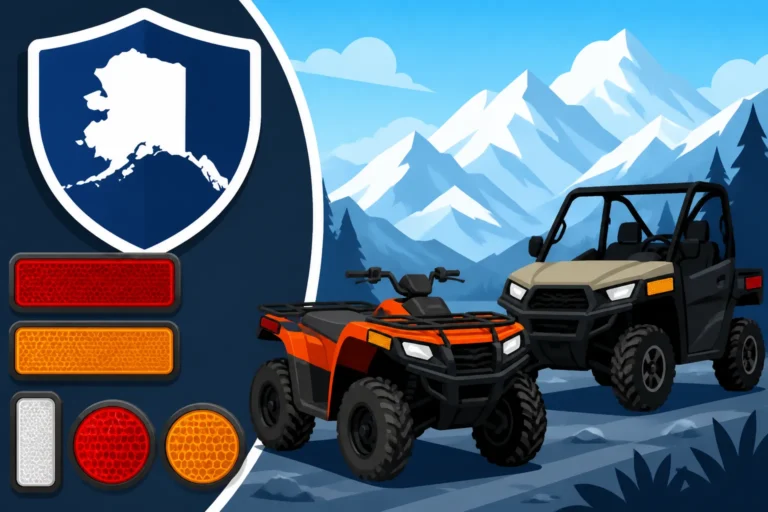
Alaska has specific requirements for ATV and UTV equipment, especially if you plan to ride on certain public access roads or during specific times of day. Troopers are keen on ensuring these safety measures are met. They'll be looking for things like proper working headlights and taillights, especially if you're out near dusk or dawn. Remember, [Alaska Headlight Distance at Night] and [Alaska Taillight Distance at Night] rules exist for a reason.
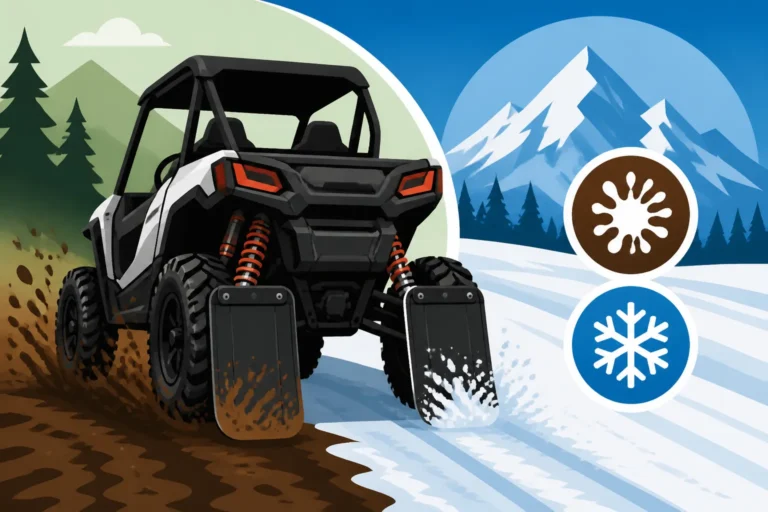
Mufflers and spark arresters are also on the checklist. [Alaska Spark Arrester Requirements] are in place to prevent wildfires, a very real threat in dry conditions. Many riders also upgrade their machines with robust aftermarket parts, perhaps from a reputable brand like SuperATV, which offers everything from enhanced lighting to durable skid plates. However, ensure any modifications still meet legal requirements. For younger riders, or any rider under 16, [Alaska ATV Helmet Law Age] is strictly enforced, and troopers will certainly be checking for compliant helmets. Other equipment like functional brakes, a self-closing throttle, and even mud and snow flaps may be part of an inspection, so it’s wise to go through an [Alaska OHV Equipment Requirements] checklist before every ride.
Respecting the Land: Environmental and Access Rules
This category covers a broad range of regulations designed to protect Alaska's environment and ensure responsible access. Troopers often patrol to prevent riders from straying off marked trails, particularly in sensitive areas. Creating new trails or cutting across vegetation, especially tundra, can lead to severe environmental damage that takes decades to heal. They'll also monitor for compliance with seasonal closures, which might be in place due to wildlife concerns, trail conditions during breakup or freeze-up, or even fire danger.
Furthermore, knowing whose land you're on is paramount. [Alaska Land Ownership and Who to Ask] is a critical step before venturing out, as trespassing on private land, Native Corporation land, or even certain restricted federal areas can lead to serious legal trouble. For instance, [Alaska Native Corporation Land Permissions] are often required to ride across those specific parcels. Troopers will be looking for signs of illegal camping, littering, or any activity that violates the terms of land use permits. Understanding the nuances of [Alaska's Statewide General Permit for ATV Use] and knowing when it applies (or doesn't, like in state parks or private land) is essential for any responsible rider.
Navigating an Encounter: Your Rights and Responsibilities
Coming face-to-face with a law enforcement officer in the backcountry can be intimidating, but knowing how to act and what to expect can make the interaction calm and straightforward. It’s about mutual respect and cooperation.
Staying Calm and Cooperating During a Stop
If you see a trooper or ranger signaling for you to stop, do so safely and promptly. Pull your machine over to the side of the trail or road in a clear, safe spot. Turn off your engine and remove your helmet, so the officer can clearly see and hear you. Keep your hands visible, perhaps on your handlebars or lap. This simple act of compliance and transparency immediately sets a positive tone for the interaction.
Remember, the officer is doing their job, often in remote and unpredictable environments, and they prioritize their safety as much as yours. A calm and cooperative demeanor goes a long way. Resist the urge to argue or become defensive, even if you believe you haven't done anything wrong. You'll have an opportunity to explain your situation, but the initial stop is not the time for confrontation. A polite "Good afternoon, officer, how can I help you?" is always a better start than a challenging tone. [What a Trooper Can Ask to See] includes your license, registration, and proof of insurance, so be ready to provide those.
Providing Information and Understanding Citations
When asked, provide your identification, registration, and any other requested documents promptly. If you don't have something, or if it's stored somewhere difficult to access, explain the situation calmly. The officer may ask you a series of questions related to your ride, your destination, or the conditions of your machine. You are generally required to provide your name and identity. While you have the right to remain silent regarding self-incriminating statements, it's usually in your best interest to answer factual questions truthfully and courteously.
If a trooper identifies a violation, they may issue a warning or a citation. A citation will detail the specific offense and typically include instructions on how to pay the fine or appear in court. It’s important to read it carefully and ask for clarification if something isn’t clear. Understand that receiving a citation doesn't mean you're immediately guilty; you'll have the option to contest it in court if you believe it was issued in error. However, signing the citation is usually an acknowledgment of receipt, not an admission of guilt. Knowing [Alaska Penalties for Riding Unregistered] or [Alaska's Under-16 Helmet Fine] can help you understand the gravity of certain offenses.
Here's a quick summary of what troopers typically check for:
| Category | What Troopers Look For | Required Documents/Equipment |
|---|---|---|
| Operator Identification | Valid driver's license | Class D driver's license |
| Vehicle Registration | Current decal and registration card | [Alaska OHV Registration Terms Explained] |
| Proof of Ownership | Bill of Sale, Title, or MCO copy | [Alaska Bills of Sale for a Used Machine] |
| Insurance | Proof of liability insurance (if applicable) | [Alaska Insurance Requirements for an APV] |
| Safety Equipment | Helmet (if under 16), working lights, brakes | CPSC-approved helmet, functional lights |
| Environmental Equipment | Spark arrester, intact exhaust system | [Alaska Spark Arrester Requirements], muffler |
| Land Use Compliance | Staying on designated trails, respecting closures | [Alaska State Park Riding Rules], permit if needed |
| No Impaired Operation | Signs of alcohol or drug impairment | Sobriety, [Alaska DUI Law and Off-Road Machines] |
Proactive Steps for a Worry-Free Alaska Ride
The best way to ensure a pleasant and uninterrupted riding experience, free from unwanted legal issues, is to be prepared. A little foresight goes a long way when venturing into Alaska's backcountry.
Your Comprehensive Pre-Ride Prep
Before you even load your machine, take the time for thorough preparation. First, ensure your machine is in top mechanical condition. Check tires, brakes, lights, and fluid levels. A breakdown miles from the road system is not just inconvenient; it can be dangerous. Equip your machine for the terrain, whether that means robust skid plates (SuperATV offers many durable options) for rocky riverbeds or a winch for muddy crossings.
Next, gather all necessary documentation. Create a waterproof packet containing your driver's license, machine registration, proof of insurance, and any land use permits you might need. [Alaska Registration Paperwork Checklist] can help you compile everything. For those exploring vast state lands, confirm if [Do You Have to Carry Alaska's General Land Permit?] is applicable to your route. It's also wise to research the specific area you plan to ride. Are there any unique local ordinances, like those mentioned in [Alaska Municipal ATV Ordinances]? What's the land ownership status? Knowing these details can prevent accidental trespassing or riding in a restricted zone. Don't forget an emergency kit, including a first-aid kit, tools, extra fuel, and communication devices like a satellite messenger, since [No Cell Coverage Off the Road System] is the norm in much of Alaska.
Staying Up-to-Date on Alaska's APV Regulations
The rules and regulations for ATVs and UTVs in Alaska can change, and specific areas often have unique requirements or temporary closures. It's your responsibility as a rider to stay informed. Regularly check the Alaska Department of Natural Resources (DNR) website for updates on state land, and the BLM or Forest Service sites for federal lands. Many specific public use areas, like those managed by the Mat-Su Borough, will also have their own pages.
Joining local ATV clubs can be an excellent way to stay current, as club members often share information about trail conditions, closures, and regulatory changes. They might even organize [Alaska Poker Runs and Club Rides] where you can learn from experienced riders. Always look for signage at trailheads, which often contain critical, up-to-the-minute information about local rules or hazards. By being proactive and informed, you can minimize the chances of a negative encounter with law enforcement and maximize your enjoyment of Alaska's incredible riding opportunities. After all, the goal is to ride free, not to worry about what's around the next bend.
Disclaimer
This article is for general informational purposes only and does not constitute professional advice. Laws, prices and regulations vary by location and change over time. Consult a qualified professional for guidance on your specific situation.