Alcohol and a Backcountry Ride
A drink before or during an Alaska ATV or UTV ride can turn a routine trip into a serious safety and legal problem. Remote trails add slow emergency response, changing terrain, and limited communication to the risks of impaired riding. This article explains how to think about alcohol, passengers, land rules, and trip planning so you can make a clear decision before leaving the trailhead.
Why alcohol and backcountry riding are a dangerous mix
Alcohol can affect judgment, balance, coordination, reaction time, and the ability to judge distance. Those skills matter on any ride, but the consequences can be more severe off the road system. A rider may need to avoid a sudden obstacle, respond to a passenger’s movement, or stop before a changing stream channel. A small delay or poor choice can lead to a crash, rollover, collision, or stranding.
A backcountry ride also limits the help available after something goes wrong. Cell service may be absent, and reaching a road or medical care can take time. A companion may have to leave the injured person to find help, while weather, darkness, or water conditions can make the return harder. Alcohol can make it more difficult to recognize those hazards early and choose to turn around.
The machine itself can add risk. ATVs and UTVs may be heavy, powerful, and difficult to recover if stuck or overturned. A passenger can change how a vehicle handles, and a loaded machine may respond differently from an empty one. Alcohol does not need to cause obvious stumbling to undermine safe control; reduced attention or overconfidence can be enough to change a decision.
It is also not a safe plan to assume that a short ride, familiar trail, slow speed, or experienced rider makes drinking acceptable. Familiarity can encourage risk-taking, and conditions can change quickly. Glacial rivers can shift, wet ground can conceal soft spots, and a trail that seemed easy on the outbound trip may be harder on the return.
| Situation | Safer choice | Why it matters |
|---|---|---|
| You plan to ride later | Wait until the riding is finished before drinking | A set boundary avoids guessing whether you feel impaired |
| You have already had alcohol | Do not operate an ATV or UTV | Impairment can affect judgment and control before it feels obvious |
| A passenger has been drinking | Do not assume the passenger is harmless or safe to carry | A passenger may have trouble staying seated, following directions, or responding in an emergency |
| You are camping near the trail | Park and secure the machine before drinking | Keep riding and drinking separate, including decisions about moving the vehicle later |
| The route is remote or conditions are changing | Make the trip shorter, postpone, or turn back | Remote recovery and rescue can take much longer |
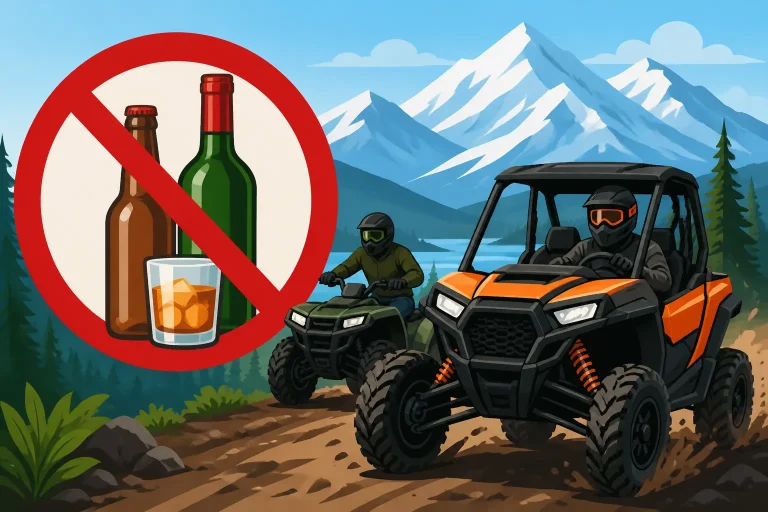
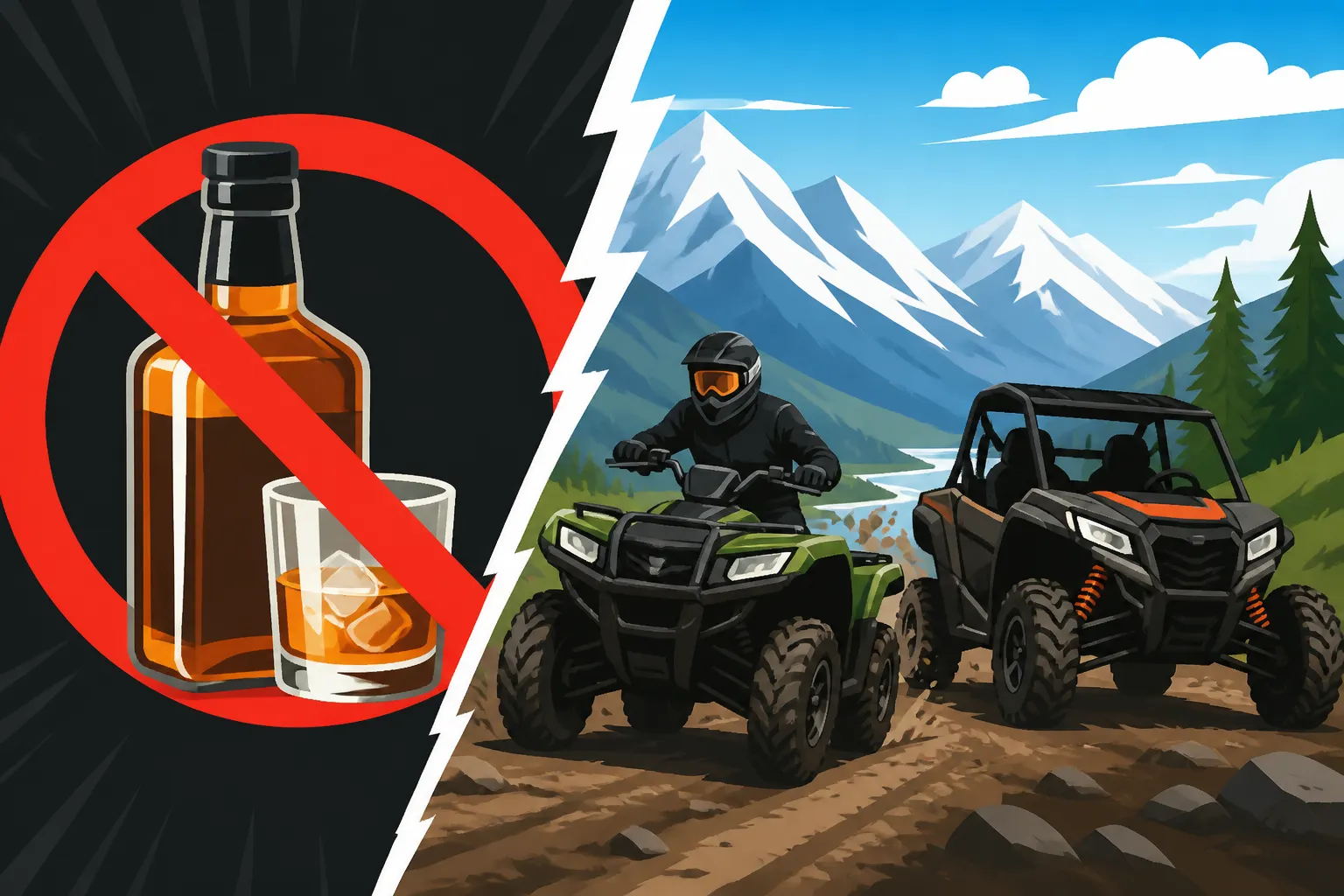
The most dependable rule is simple: do not ride after drinking, and do not drink during a ride. Waiting until the vehicle is parked for the night is safer than trying to estimate how much alcohol is too much or how long you need to wait. There is no universal amount or waiting period that guarantees someone is fit to ride.
What the law and land rules may cover
Alcohol-related rules can depend on the machine, the place, and the circumstances. Alaska has laws addressing impaired operation, but whether a particular ATV or UTV and location fall under a specific rule can depend on the applicable legal definitions and facts. Do not assume an off-road machine is exempt just because it is not being driven on a paved road. For legal details, see Alaska DUI Law and Off-Road Machines.
Other rules may matter too. A route can cross state land, federal land, a state park, borough property, private land, or Alaska Native corporation land. Each area may have its own access conditions, restrictions, or permit requirements. A land-use permit is not permission to ride while impaired, and permission to ride on one parcel does not automatically apply to the next. Start by confirming who manages the ground and what access is allowed; Asking Who Owns the Ground First explains why that step matters.
Alcohol possession and consumption rules are separate questions from impaired operation. Do not assume that carrying a drink in a vehicle or drinking at a remote campsite is allowed everywhere. Open-container restrictions or land-manager rules may apply in a particular place or situation. Check the rules for the route and destination rather than relying on what is permitted at home or at a different trailhead. General permit information is covered in Alaska General Permit Requirements.
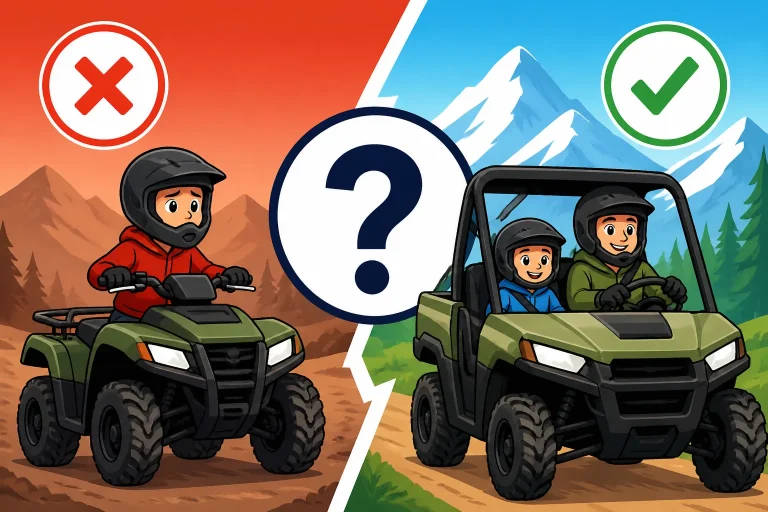
Passengers and drivers can also be treated differently under some rules, but a passenger’s drinking is not automatically risk-free. A passenger who is unsteady, sleepy, distracted, or unable to follow instructions can create danger in a UTV or on a two-up ATV. A passenger may need to help with balance, remain seated through rough terrain, or respond quickly when the operator stops. If there is any doubt about a passenger’s ability to ride safely, do not take them along.
For a side-by-side, the driver remains responsible for operating the machine safely and following applicable rules. Seat belts, doors or nets, passenger limits, and instructions from the operator all matter. Find machine-specific considerations in Alaska Rules for a Side-by-Side Driver. The operator should set expectations before departure, including that nobody rides if the driver or passenger has been drinking.
If you are unsure how a rule applies, confirm it with the responsible land manager or an appropriate Alaska authority before the trip. Ask about the exact route and location, not just the general area. Rules can differ across boundaries, and an access permit, trailhead pass, or permission from a landowner answers only the question it was issued to cover.
Plan the ride so alcohol is not part of operating
The easiest way to avoid a difficult judgment call is to agree on the plan before anyone drinks. Decide who will drive, when the machine will be parked, and whether the group will remain at the campsite or lodging afterward. If drinking is part of the evening, make sure nobody needs to move a machine later to reach a tent, cabin, parking area, or another gathering spot.
A practical plan can include these steps:
- Name a sober operator before the group leaves. That person should not drink before or during the ride. Do not make the decision at the trailhead after people have started drinking.
- Set a firm end to riding. Park the machines in their final safe location before alcohol comes out. Avoid a plan that depends on someone “just moving” a vehicle later.
- Keep keys with the designated operator. This does not replace safe judgment, but it can reduce the chance that someone else takes a machine without permission.
- Tell the group the rule. Make clear that no one rides after drinking, including on a short trip or a familiar route.
- Have a backup if someone drinks unexpectedly. The backup should be staying sober and capable of arranging a safe alternative. If there is no safe option, stay put.
- Check the destination’s rules. Confirm access, camping, and alcohol restrictions with the relevant land manager or property owner.
The plan should account for the whole journey, not only the trail itself. A rider may have to cross a road, travel between staging areas, or return to a vehicle or lodging. A ride that ends at a remote campsite is still part of the day’s machine operation if someone later chooses to drive the ATV or UTV.
Do not rely on coffee, food, a cold shower, or fresh air to make an impaired person safe to ride. Those things do not reliably restore the judgment and coordination needed to operate a machine. If someone has been drinking, the safer choice is to leave the machine parked and arrange another option that does not involve that person driving.
For longer or remote trips, build the alcohol decision into the same preparation used for route and emergency planning. Tell someone where the group is going and when it expects to return. Carry appropriate communication and emergency supplies, and make sure the group knows how to respond if a rider is injured. Those precautions do not make impaired riding safe; they help reduce other risks when everyone is riding sober. For related preparation, see Filing a Trip Plan With Someone and Why Alaska Riders Travel in Pairs.
If someone has been drinking or a crash occurs
If a person has been drinking, do not debate whether they seem “fine.” Stop the ride, keep the machine parked, and arrange a sober way to handle any necessary travel. If no safe ride or lodging option is available, staying where you are may be the safer choice. Do not let pressure from the group, a schedule, or the distance back to the trailhead turn into permission to take a risk.
If a rider appears impaired but insists on leaving, focus on preventing access to the machine without creating a physical confrontation. Ask a sober friend to help, contact appropriate local assistance if needed, and avoid getting on the vehicle as a passenger. A group’s willingness to pause can prevent a dangerous situation from escalating.
After a crash, prioritize immediate safety. Check for injuries, move away from hazards only if it is safe to do so, and contact emergency help when possible. In remote Alaska, give responders a clear location, route description, and information about the injured person’s condition. Do not let an impaired person take over the machine or make decisions about continuing the ride. More information about reporting a crash is available in Alaska Accident Reporting for an ATV Crash.
A crash can also raise questions about insurance, land access, and responsibility. Keep relevant documents accessible and follow instructions from responders or land managers. If the incident involves another person, property damage, or a possible violation, avoid guessing about legal obligations; get appropriate guidance. Carrying proof of coverage may be part of trip preparation, as discussed in Alaska Insurance Proof at a Trailhead.
The safest approach is not complicated: decide in advance that alcohol and operating an ATV or UTV will not overlap. Check access and land rules for the route, keep passengers able to follow directions, and leave the machines parked once drinking begins. In remote country, a cautious decision made at camp is far easier than dealing with an avoidable emergency on the trail.
Disclaimer
This article is for general informational purposes only and does not constitute professional advice. Laws, prices and regulations vary by location and change over time. Consult a qualified professional for guidance on your specific situation.