Questions Worth Asking a DMV Clerk
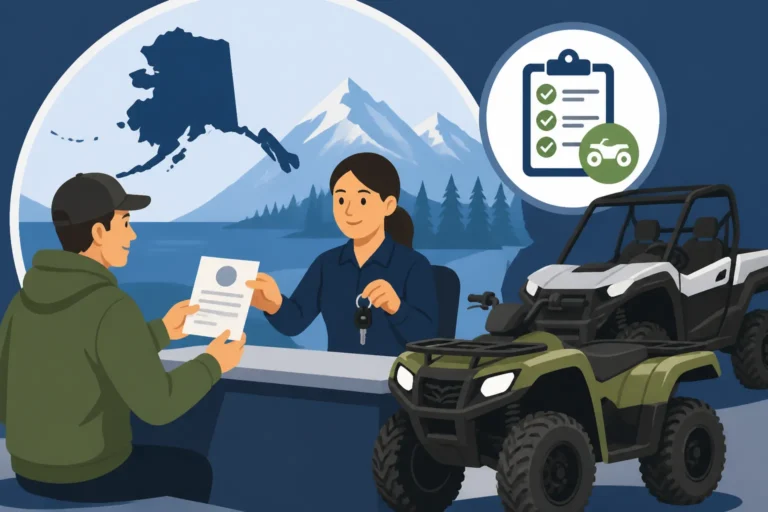
Navigating the Department of Motor Vehicles (DMV) in Alaska for your ATV or UTV registration and titling can feel like a maze, especially with specific requirements for All-Purpose Vehicles (APVs). It's easy to walk in, feel overwhelmed by the process, and leave without all the information you need, leading to frustrating return trips or even costly mistakes down the line. This guide is designed to empower you with the right questions to ask a DMV clerk, ensuring you get clear answers and can confidently manage your APV paperwork in the Last Frontier.
Preparing for Your DMV Visit: Laying the Groundwork
Before you even step foot into a DMV office or one of Alaska's partner offices that register OHVs, a little preparation can save you a ton of headaches. It's like planning a trail ride – you wouldn't just head out into the backcountry without checking your gear, would you? The same goes for dealing with government bureaucracy. Having a clear idea of what you already have and what you need will make your conversation with the clerk much more productive and less stressful.
Gathering Your Existing Paperwork
First things first: gather every scrap of paper you have related to your ATV or UTV. This includes any previous registrations, bills of sale, titles (if you have one), warranty cards for new machines, or even old insurance documents. Sometimes, what seems like an insignificant piece of paper can provide the clerk with a crucial piece of information to help your case. It’s better to have too much than not enough. A good practice is to organize it all in a folder or even just a large envelope, so it’s all in one place when you hand it over. Think of it as your machine's life story, documented for the state.
Even if you’re pretty sure you have everything in order, a quick double-check against a basic [Alaska Registration Paperwork Checklist] can be incredibly helpful. Make sure all names, VINs, and dates match up across your documents. If there are any discrepancies, make a note of them so you can specifically ask the clerk for guidance. This proactive approach helps you identify potential red flags before the clerk does, allowing you to formulate more precise questions.
Understanding Basic Alaska APV Rules
Knowing the fundamental rules for APVs in Alaska can help you understand the clerk's responses and prevent misunderstandings. For instance, are you aware that [Alaska APV Titling Required Since 2022]? This is a relatively new change for many long-time Alaskan riders. Before, many machines went without titles, relying solely on registration. Understanding this shift is crucial, especially if you're dealing with an older machine or a recent purchase. Knowing the basics helps you speak the same language as the clerk and demonstrate that you've done some homework.
You should also have a general idea of whether your machine qualifies as an APV under Alaska's classification. For example, some vehicles like snowmobiles are specifically excluded from the APV class. If you're unsure, it's a prime question to ask. Familiarize yourself with the core purpose of registration – generally, it's required for riding on public lands, but there's also an [Alaska Private Land Registration Exemption]. Understanding these nuances allows you to ask targeted questions about your specific riding intentions, ensuring you don't register unnecessarily or, worse, ride unregistered where you shouldn't.
Essential Questions About Registration
Once you're at the counter, armed with your documents and a basic understanding, it's time to get down to the specifics of registration. This is where most people begin their journey with their APV, and ensuring you get it right the first time can prevent future headaches.
Confirming Ownership and Proof
One of the most common hurdles for APV owners is proving legal ownership, especially with used machines or those passed down through generations. You’ll want to ask the clerk: "Based on my documents, what is the exact proof of ownership you need for this specific machine?" They might require a manufacturer's certificate of origin (MCO) for new machines or a properly filled-out [Alaska Bills of Sale for a Used Machine]. If you don’t have a traditional bill of sale, perhaps because you bought it from a friend years ago, you might need an [Alaska Affidavits Naming a Seller]. LawDepot, for example, offers templates for these kinds of legal documents that can help formalize transactions, even after the fact, which can be immensely helpful when trying to satisfy DMV requirements.
Don't be shy about asking for clarification if the proof of ownership requirements seem murky. For instance, if you have a bill of sale but it's very old or lacks key information, ask: "Is this bill of sale sufficient, or do I need to take additional steps to verify ownership, such as getting an affidavit?" Sometimes, even a warranty card for a new machine can serve as initial proof of ownership, so clarify if that's an option. This ensures you're not doing extra work you don't need to, or missing a critical step that will send you home empty-handed.
Navigating Term Lengths and Expirations
Alaska offers different registration term lengths, and understanding the options and how they work is vital for planning and budgeting. A good question to ask is: "What are the available registration terms for my APV, and when would the registration expire for each option?" You'll learn that Alaska typically offers terms of [Two, Four or Six Years at a Time], and crucially, that [Every OHV Registration Term Expires on September 30], regardless of when you initially registered. This detail can be a real surprise for some, leading them to miscalculate their registration period.
You might also ask about the cost difference for these terms, though the rates are typically fixed at $10 for two years, $20 for four, and $30 for six. Knowing the expiration date up front helps you set a reminder and avoid riding with an expired decal. Furthermore, if you're considering selling your machine in the near future, you might ask: "If I choose a longer term, like six years, and sell the machine sooner, what happens to the remaining registration?" Understanding these scenarios helps you make an informed decision rather than simply picking the shortest term out of uncertainty.
Clarifying Decal Placement and Purpose
Once your registration is approved, you'll receive a decal, not a license plate. It’s important to know exactly what this decal signifies and where it needs to go. Ask the clerk: "Where specifically should this decal be placed on my type of APV, and what are the rules regarding its visibility?" For quads, the general rule is [Alaska Decal Placement on the Tunnel Side], meaning it should be visible when you are seated on the machine. For side-by-sides, it might be slightly different, perhaps [Alaska Decal Placement on a Side-by-Side], but the principle of clear visibility remains.
The decal itself contains important information, as [Why Your Decal Number Is the Registration Number] explains. It's not just a sticker; it's your machine's unique identifier for that registration period. You should also inquire about what to do if the decal gets damaged or lost: "What is the process for [Alaska Decal Replacement If Lost] or if it becomes unreadable from mud or wear and tear?" Knowing this ensures you can keep your machine compliant, especially if you're frequently riding in challenging Alaskan conditions where mud is a given.
Diving Deeper into Titling Challenges
Titling an APV in Alaska, especially an older one or one without a clear paper trail, can be more complex than registration. This is where many riders encounter significant frustrations, so asking the right questions is critical.
Understanding No Title Issued (NTI) Situations
For many years, some ATVs and UTVs in Alaska were only registered, never titled. With the new titling requirements, this has become a more common issue. If you’re in this boat, ask the clerk: "My machine has no title; what are the exact steps for an [Alaska No Title Issued Registrations] process?" They will likely explain the requirement for a waiting period, often [Waiting Two Years for a Title] if there are no security interests or liens on the machine. This waiting period is a crucial detail that many people overlook.
You'll want to clarify the interim steps: "What documentation do I need to submit to initiate the NTI process, and what happens during the two-year waiting period?" Often, this involves filling out [The Vehicle Transaction Application Every OHV Owner Files] and ensuring all ownership claims are clear. If there's any uncertainty about past ownership or if the machine might have an undisclosed lien, you must ask: "How do [Alaska Security Interests and NTI Titles] interact, and what steps do I need to take if there's a lien recorded?" This is where good record-keeping or robust affidavit forms from services like LawDepot can prevent issues, showing a clear chain of possession.
Addressing Complex Ownership Transfers
Transferring ownership of an APV can sometimes be straightforward, but often involves unique circumstances that require careful navigation. Perhaps you bought a machine from an estate, or it had multiple owners. You should ask: "If I'm buying a used machine, what specific documents are required from the seller to ensure a smooth ownership transfer?" This might include the previous title, if one exists, or a completed bill of sale signed by all previous owners.
Consider scenarios like buying from a private seller in a remote area, or if there were multiple owners listed on a prior registration. You’ll want to clarify: "How do I handle [Two Names on One Registration Record] if I'm only buying from one of the listed individuals?" The clerk can guide you on whether both parties need to sign off on the bill of sale or if an affidavit is needed to explain the situation. When dealing with unusual transfers, having a comprehensive Bill of Sale, perhaps generated using a platform like LawDepot, can provide the necessary details and legal standing for the DMV to process the transaction.
Special Circumstances and Troubleshooting
Alaska is a unique state, and sometimes your situation with an APV might fall outside the typical registration and titling processes. Don't be afraid to ask about these specific scenarios.
Questions for New Residents or Unique Machines
If you've recently moved to Alaska and brought your machine with you, your questions will differ from a long-time resident. Ask: "What are the specific requirements for [Alaska Registration for a New Resident] bringing an APV from out of state?" You'll need to know if your existing title or registration from your previous state is sufficient or if you'll need to go through a new titling process for Alaska. Clarify any specific inspections or forms required for imported machines.
Similarly, if your machine is a bit unusual—perhaps an older, custom-built, or even a military surplus vehicle—it's worth asking: "Does my specific type of machine qualify as an APV, or are there special considerations for its registration?" You might discover that [Machines Alaska Will Not Register as an APV] includes things like homemade ATVs or certain tracked vehicles. Being upfront about your machine's characteristics can save you from wasted time and effort trying to register something that simply doesn't fit the category.
What to Do When Paperwork is Missing or Damaged
One of the most common and frustrating scenarios is when critical paperwork is lost, stolen, or damaged beyond recognition. This is where a good conversation with the DMV clerk becomes invaluable. Ask directly: "I'm trying to register my quad, but some of the original paperwork is lost. What is the process for [Registering a Quad When the Paperwork Is Lost]?" They will guide you through the options, which might include filing an affidavit of lost title, using alternative proofs of ownership, or potentially even having to apply for an NTI if a title was never issued.
You might also have a situation where a critical piece of information, like the VIN, is unreadable or missing from your machine. This can be a real showstopper. Ask: "My machine’s VIN is damaged/unreadable; what are the steps I need to take to verify its identity for registration or titling?" The clerk might explain that a physical inspection is required, or that you might need to seek assistance from law enforcement to verify the machine's identity and ensure it isn't stolen. Preparing for these possibilities by asking proactive questions can turn a potential roadblock into a solvable challenge.
Here's a quick summary table of common scenarios and key questions:
| Scenario | Key Questions to Ask | Potential Documents/Actions |
|---|---|---|
| New Registration | What exact proof of ownership is needed? What are the term options? | MCO, Bill of Sale, [What Alaska's ATV Registration Form Asks For] |
| No Title | What is the NTI process? How long is the waiting period? | [Alaska No Title Issued Registrations], [Waiting Two Years for a Title], Affidavit of Ownership |
| Used Machine Purchase | What documents from the seller ensure smooth transfer? | [Alaska Bills of Sale for a Used Machine], notarized signatures, [Alaska Affidavits Naming a Seller] (e.g., via LawDepot) |
| New Resident | What's required to register an out-of-state APV? | Out-of-state title/registration, [Alaska Registration for a New Resident] forms |
| Lost/Damaged Paperwork | How can I register/title without original documents? | Affidavit of Lost Title, police report (if stolen), alternative proof of ownership |
| Decal Placement/Issues | Where does the decal go on my machine? How to get a replacement? | [Alaska Decal Placement on the Tunnel Side], [Alaska Decal Replacement If Lost] form |
| Unique Machine | Does my specific machine type qualify as an APV? | Provide details of machine (make, model, features), clarify [Machines Alaska Will Not Register as an APV] |
| Multiple Owners | How to register/title with multiple names, or if buying from one? | [Two Names on One Registration Record] guidance, specific signatures/affidavits |
Remember, the DMV clerks are there to help, but they can only assist effectively if you provide them with clear information and ask precise questions. By preparing ahead of time and knowing what to inquire about, you can make your APV registration and titling process as smooth as possible, leaving you more time to enjoy Alaska's incredible trails.
Disclaimer
This article is for general informational purposes only and does not constitute professional advice. Laws, prices and regulations vary by location and change over time. Consult a qualified professional for guidance on your specific situation.