Alaska Registration for a New Resident
Moving to Alaska is an adventure, but bringing your beloved ATV or UTV along can sometimes feel like navigating a maze of new rules and regulations. If you've just hauled your rig up the Alaska Highway or barged it north, you're probably wondering how to get it legally registered for the Last Frontier's incredible trails and backcountry. This guide is here to cut through the confusion, walking you through everything a new resident needs to know to register an off-highway vehicle (OHV) in Alaska, ensuring your machine is ready for adventure.
Understanding Alaska's APV Laws for Newcomers
When you arrive in Alaska with your ATV or UTV, one of the first things you'll realize is that the terminology and regulations might be a little different from what you're used to back home. What was once just an "ATV" or "UTV" in your previous state often falls under a broader classification here: the All-Purpose Vehicle, or APV. This class is crucial to understand as a new resident, as it dictates how your machine is registered and what rules you'll need to follow.
What "All-Purpose Vehicle" Means in Alaska
In many states, ATVs and UTVs have distinct categories or are simply referred to by their common names. Alaska, however, groups these machines, along with dirt bikes and other similar vehicles, into the "All-Purpose Vehicle" class. This classification specifically covers motorized vehicles designed for off-highway travel, usually with three or more tires, a maximum width, and certain weight limits. It can definitely be a bit disorienting if your old state had different definitions or didn't even require registration for some of these machines! Just know that your quad, side-by-side, or dirt bike likely fits squarely into this category.
It’s also important to note what an APV doesn't include. For example, snowmachines (what many call snowmobiles) have their own separate registration category here in Alaska. So do many tracked vehicles and even certain older, less common three-wheelers, which might not qualify for APV registration. Understanding these distinctions right off the bat will save you a lot of headache. The state's goal is to ensure all these diverse machines are accounted for, whether they're tearing up the Knik River Public Use Area or simply being used to get firewood to your remote cabin. For a deeper dive into the specifics, you might find [Alaska APV Class Explained] to be a helpful resource.
Why Registration Matters in the Last Frontier
You might have come from a state where OHV registration was optional, or only required for a few specific types of public lands. Here in Alaska, the landscape is different, and so are the rules. Registering your APV isn't just a suggestion; it's a legal requirement if you plan on operating it on any public land or trail in the state. This includes popular riding areas, designated state trails, public access routes, and even crossing certain roads. Failure to register can lead to fines and could even result in your machine being impounded, which is a stressful way to start your Alaskan adventure.
Beyond the legalities, registration helps Alaska manage its vast network of trails and public lands. The fees collected go back into maintaining these areas, ensuring future generations of riders can enjoy them. It also helps authorities track ownership, especially in cases of theft or accidents. For many Alaskans, their APV is more than just a toy; it's a vital tool for hunting, fishing, trapping, and general transportation in areas off the road system. So, while the paperwork might feel like a hurdle, it's an important step in integrating into the Alaskan outdoor lifestyle. Trust me, you don't want to get caught riding without the proper decals when a trooper checks your machine out on the trail. Getting your machine registered before you hit the trails is key, which is why we always recommend checking out resources like [Alaska Registration Before Riding Public Land].
The Paperwork Trail for Out-of-State Machines
One of the biggest questions new residents have is, "What documents do I need if my machine is already titled or registered in another state?" This is where things can get a little tricky, as different states have different requirements for titling and proof of ownership. Alaska is pretty specific about what it needs, but rest assured, if you've got valid documents from your previous state, you're usually in good shape.
Proving Ownership When You're New
The core of your registration application will always be proving that you, the applicant, are the rightful owner of the APV. If your machine came with a title from another state, that's often the easiest path. You'll present that title, along with your identification, to the Alaska DMV or authorized agent. They'll use that to establish your ownership and begin the process of transferring it to an Alaska registration. It’s a good idea to bring your current out-of-state registration card too, if you have one, just to show a complete history.
What if you've lost the title from your previous state? Or perhaps your old state didn't title ATVs, and you only have a bill of sale or a manufacturer's certificate of origin (MCO)? Don't panic! Alaska has provisions for these situations. A clear, properly executed bill of sale from when you purchased the machine can often serve as proof of ownership, especially if your previous state didn't issue titles for APVs. For new machines, an MCO is typically what you'll use. If you’re ever in a position to sell your machine here in Alaska and need to create a new bill of sale, or even an affidavit, a service like LawDepot can provide you with templates that comply with general legal standards, making the process straightforward. They offer customizable forms for various legal documents, including bills of sale. For more specifics on what counts, take a look at [Alaska Bills of Sale for a Used Machine] or [Alaska Warranty Cards for a New Machine]. It's always best to have as much documentation as possible.
The Vehicle Transaction Application (Form V1)
Regardless of whether your APV is brand new to you or simply new to Alaska, you'll need to fill out the state's universal form: the Vehicle Transaction Application, also known as Form V1. This isn't just for cars and trucks; it's the standard application for all vehicle-related transactions, including APV registrations and titling. Don't let the multi-page form intimidate you; many sections won't apply to your APV registration.
You'll need to fill in your personal details as the owner, including your Alaska address. There will be sections for vehicle information like the VIN (Vehicle Identification Number), make, model, year, and fuel type. This is where you'll also indicate that you're applying for an "All-Purpose Vehicle" registration. Pay close attention to the sections asking for previous registration information, as this is where you'll list the state your machine was previously registered in and any old registration numbers. Accuracy is paramount here; double-check the VIN especially, as a single digit error can cause significant delays. Take your time with it, or even print a blank copy to practice on before filling out the official one. Having everything correct on [The Vehicle Transaction Application Every OHV Owner Files] will certainly make the process smoother.
Navigating the Registration Process as an Alaskan Newbie
Once you have your ownership documents in order and the V1 form completed, the next step is to actually submit your application and get that shiny new Alaska decal. This process is fairly straightforward, but it's important to know your options and what to expect.
Where to Go and What to Expect
Unlike some states that have robust online systems for OHV registration, Alaska generally requires you to register your APV in person. This means a trip to your local Alaska Division of Motor Vehicles (DMV) office or one of their authorized partner offices. These partner offices are often local businesses, like auto parts stores or small general stores, especially in more rural areas, that are authorized to process vehicle registrations. They can be a real lifesaver if the nearest full-service DMV is hours away. Finding the closest one to you can make the whole experience much more convenient. While the thought of going to the DMV might evoke images of long lines, many Alaskans find the process for APV registration to be relatively quick and efficient, especially if you have all your paperwork organized. For a good overview of locations, you can check out [Registering an OHV at a DMV Partner Office]. Remember, if you were hoping for an armchair registration, [Alaska Has No Online OHV Registration] means you'll need to make that in-person visit.
When you go, be prepared for the clerk to ask a few questions, especially since you're a new resident. They'll want to verify your identity and ensure all your documents are legitimate. Don't be shy about asking questions yourself if something is unclear; they're there to help. They might ask about where the machine was previously registered, if you have a lien on it, or if it's new to you or just new to the state. Having everything clearly laid out will make their job easier and get you out the door faster with your temporary registration in hand.
Fees, Terms, and Decal Delivery
Alaska offers flexible registration terms for APVs: you can choose to register your machine for two, four, or even six years at a time. This is a great benefit, as it means less frequent trips to the DMV. Obviously, choosing a longer term will cost a bit more up front than a two-year registration, but it means you won't have to worry about renewal for a good while. The fees are quite reasonable, designed to help fund the state's public land management efforts. For example, a two-year registration typically involves a small fee, which increases slightly for the longer terms. To give you an idea of the cost shape, [Alaska Charges $10 for Two Years] is a good reference point for the basic registration fee.
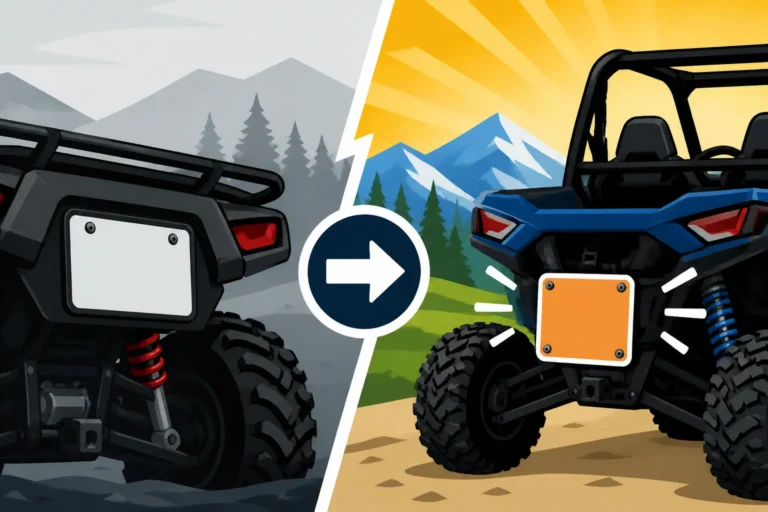
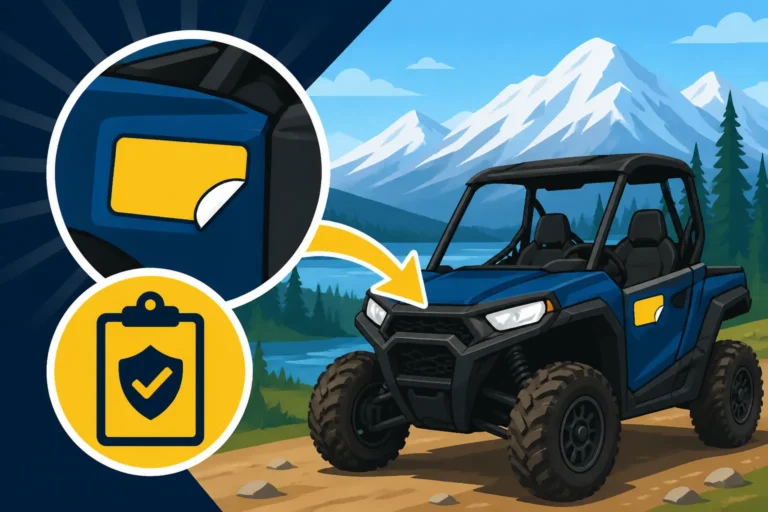
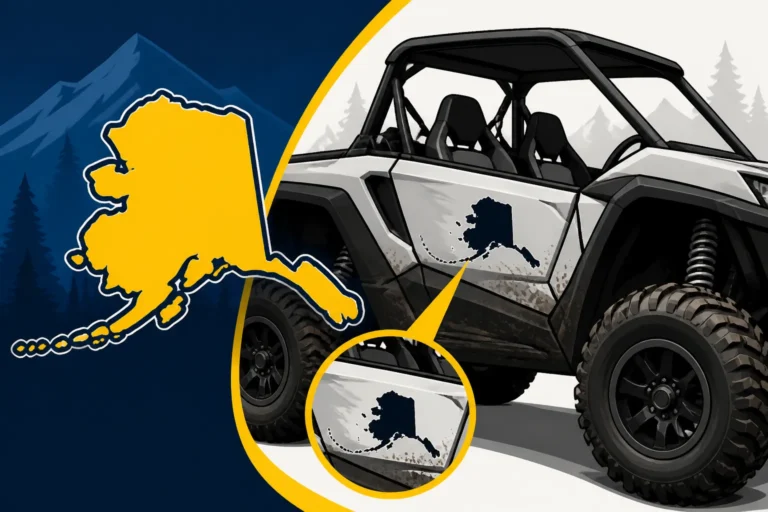
Once your application is approved and fees are paid, you won't get a traditional license plate for your APV. Instead, Alaska issues a registration decal. This decal includes your unique registration number and the expiration date, and it needs to be prominently displayed on the left side of your machine's tunnel or fender, where it's easily visible when you're seated. It's not just for show; it's how law enforcement can quickly confirm your machine is legally registered. This is one of those quirks that new residents sometimes miss. For more details on where to put it, check out [Alaska Decal Placement on the Tunnel Side]. You’ll typically receive your permanent decal in the mail within a few weeks, though processing times can vary. While you wait, you'll get a temporary registration that you can carry with you so you can hit the trails legally right away. Knowing the [Alaska Registration Processing Time] can help you plan your first ride.
Common Pitfalls and Smooth Sailing Tips for Newcomers
Alaska's unique environment and regulations can present a few unexpected hurdles for new residents registering their APVs. Being aware of these common issues beforehand can save you time, stress, and potential headaches.
Don't Forget the Title!
This is a big one, especially if you're coming from a state that historically didn't title ATVs or UTVs. Until recently, Alaska also didn't require titles for APVs, only registration. However, that changed in 2022. Now, most APVs in Alaska are required to be titled, similar to cars and trucks. This means if you're bringing in an out-of-state machine that did have a title, you'll need to apply for an Alaska title as well as registration. If your previous state didn't issue titles, you might still be able to register your machine under a "no title issued" (NTI) status, but it's a specific process with certain conditions. This is a crucial distinction that often catches new residents off guard, so it’s worth double-checking your machine's titling status both from your old state and under current Alaska law. Resources like [Alaska APV Titling Required Since 2022] and [Alaska No Title Issued Registrations] can provide more detailed guidance. Make sure you understand whether your machine needs a title or if it can be registered without one, as this impacts the paperwork you need.
Insurance, Safety, and Local Ordinances
Just like with cars, Alaska has specific rules about APV operation. While registration covers the machine itself, you also need to be aware of other legal requirements as a rider. One often-overlooked point for new residents is insurance. If you plan to operate your APV on any public roads or highways (even if just crossing them or riding a designated shoulder), Alaska law requires you to have liability insurance. This isn't necessarily true for purely off-road use in some other states, so it's a critical difference here. Your existing auto insurance policy might not cover your APV, so you’ll want to check with your provider or look into specific OHV insurance. For more details on this, take a look at [Alaska Insurance Requirements for an APV].
Beyond statewide rules, individual communities in Alaska can also have their own local ordinances regarding APV use. For example, some cities have strict bans on APV use within city limits, while others have designated routes or specific hours of operation. What might be perfectly legal in a rural borough could land you a ticket in a more populated area. Always check local regulations for any community you plan to ride near. Don't assume that just because you're registered, you can ride anywhere. Safety courses are also highly recommended, especially for younger riders, to ensure everyone understands safe operating practices in Alaska's challenging terrain. Finally, get familiar with [Alaska APV Road Rules Explained] before you even think about putting a tire on pavement. It's always better to be informed than to face a citation.
Here’s a quick overview of document scenarios:
| Scenario | Proof of Ownership Required | Other Documents & Considerations |
|---|---|---|
| New Machine (Never Registered) | Manufacturer's Certificate of Origin (MCO) | Completed Form V1, new resident ID, sales receipt. |
| Used Machine (Titled in old state) | Out-of-state title, signed over to you. | Completed Form V1, new resident ID, bill of sale (if any). |
| Used Machine (No title in old state) | Bill of Sale (from previous owner), previous registration (if any). | Completed Form V1, new resident ID, check if NTI applies. Consider getting a template from LawDepot for any future private sales. |
| Lost Previous State Title | Contact old state DMV for duplicate; or Affidavit of Ownership. | Completed Form V1, new resident ID. May require a lengthy process. |
Remember, moving to Alaska and getting your APV registered is just the first step in unlocking incredible riding experiences. Take the time to understand the rules, get your paperwork in order, and you'll be well on your way to exploring the Last Frontier's vast backcountry.
Disclaimer
This article is for general informational purposes only and does not constitute professional advice. Laws, prices and regulations vary by location and change over time. Consult a qualified professional for guidance on your specific situation.