Leaving a Quad at a Remote Cabin Over Winter
Leaving your beloved quad or side-by-side at a remote cabin for the long, harsh Alaska winter can feel like leaving a child at boarding school – you hope it’s safe, well-prepared, and will greet you in good health come spring. But let's be realistic: an Alaskan winter is not just a little chill; it’s an unforgiving force that can turn a perfectly running machine into a rusted, rodent-chewed, non-starter if you don't take the right precautions. This guide is all about giving you the detailed, practical advice you need to ensure your machine survives the deep freeze and greets you ready for adventure next season.
Why Winterizing Your Quad for Cabin Storage is Crucial in Alaska
When you think about leaving your machine tucked away for months, it’s easy to assume "out of sight, out of mind" will work. But in Alaska, that mindset leads straight to frustration, expensive repairs, and a delayed start to your riding season. The sheer extremity of our winters demands a proactive approach, especially for machinery left in unheated, remote locations.
The Harsh Realities of an Alaskan Winter on Machinery
Imagine temperatures plummeting to -40 degrees Fahrenheit, snow piling up feet deep, and periods of thaw and refreeze that create layers of ice and condensation. These aren't just minor inconveniences; they are direct threats to every component of your ATV or UTV.
For starters, the extreme cold can wreak havoc on fluids. Engine oil thickens to molasses, losing its protective qualities. Coolant, if not properly mixed for our sub-zero temperatures, can freeze and expand, cracking engine blocks, radiators, and hoses – a catastrophic and costly repair. Fuel, especially untreated gasoline, can degrade, separating into its components and forming varnish or gum that clogs carburetors and fuel injectors. This makes starting virtually impossible and requires extensive cleaning or replacement of fuel system parts.
Then there's the moisture. As temperatures fluctuate, condensation can form inside fuel tanks, engines, and exhaust systems, leading to rust and corrosion in vital areas. Gaskets and seals can shrink and crack in the cold, creating leaks when the machine warms up again. Beyond the cold, don't forget the wildlife. Remote cabins are often magnets for rodents, rabbits, and even larger critters looking for shelter and a chew toy. These animals see wiring, seat foam, and rubber hoses as prime nesting material or a tasty snack, leading to chewed electrical systems, damaged upholstery, and even compromised brake lines. Finding your machine in spring with a nest of mice in the airbox and half its wiring harness gnawed through is a truly disheartening experience, trust me.
Preventing Costly Repairs and Headaches Next Spring
Thinking of proper winterization as a weekend chore is missing the point. It's an investment – an investment of time and a little money now that saves you significantly more of both later. The alternative is a spring filled with diagnostics, waiting for parts, and shelling out cash for repairs that could have been easily avoided.
Consider the cost of a new battery alone, which can be easily ruined by a winter of neglect. Or the labor cost to drain and clean a gummed-up fuel system. These small, preventable issues quickly add up to hundreds, if not thousands, of dollars. More importantly, they steal precious riding time. When break-up finally happens, and the trails start calling, you want to be able to pull the choke, hit the starter, and go. You don't want to spend your first few sunny days of spring tinkering with a machine that won't start, or worse, waiting for a mechanic appointment.
Proper winterization ensures your machine's longevity, maintains its resale value, and most importantly, preserves your peace of mind. Knowing your quad is tucked away safely, prepped against the elements and critters, means you can focus on enjoying the winter knowing your spring adventures are ready and waiting. This preparation also makes tasks like verifying your [Alaska OHV Registration Terms Explained] in advance of the new season a simple formality, rather than an urgent scramble alongside fixing your machine.
Step-by-Step Guide to Winterizing Your Quad for Long-Term Storage
Preparing your ATV or UTV for months of solitude in the Alaskan backcountry is a ritual that demands attention to detail. It’s not just about covering it up; it’s about treating every vital system to ensure it withstands the cold and emerges ready for action.
Fuel System Preparation for Months of Idleness
The fuel system is often the first culprit behind spring starting problems. Gasoline, especially modern ethanol-blended fuels, can degrade rapidly, attracting moisture and forming harmful deposits.
First and foremost, you need a high-quality fuel stabilizer. This isn't an optional step; it's absolutely crucial. Add the recommended amount of stabilizer to a full tank of fresh, non-ethanol gasoline if possible. Why a full tank? Because it minimizes the air space in the tank, reducing condensation and preventing rust inside the tank itself. Once added, run the engine for at least 10-15 minutes. This ensures the treated fuel circulates through the entire fuel system – the fuel lines, fuel pump, carburetor (if applicable), and injectors. You want that stabilized fuel protecting every internal component.
For carbureted machines, which are more susceptible to gumming, some riders opt to drain the carburetor float bowl after stabilization, if their machine has a drain screw. This completely removes fuel from that critical area. However, if you've run the stabilizer through properly, simply filling the tank to the brim with stabilized fuel and running the engine is often sufficient. For fuel-injected machines, draining isn't an option, so ensuring the stabilizer has fully circulated is paramount. Neglecting this step often leads to clogged fuel filters, fouled injectors, and a frustrating no-start situation in the spring, requiring costly professional cleaning or replacement of parts. This is a common issue folks ask about, right after they get their [Alaska Registration Paperwork Checklist] in order for the season.
Protecting the Engine and Other Critical Fluids
The heart of your machine needs special care to endure the deep freeze.
Start with an oil change. Even if you haven't put many hours on it since the last change, old oil contains contaminants and acids that can cause corrosion during long storage. Fresh oil provides maximum protection. Change the oil filter at the same time. While you’re at it, check your coolant. Ensure it's topped off with the correct antifreeze/water mix, designed for the lowest temperatures expected in your cabin's region. This prevents catastrophic freezing, expansion, and cracking of engine components.
Next, consider fogging the engine. This involves spraying a special fogging oil into the engine's intake and spark plug holes while the engine is running or briefly turning over. This creates a protective coating on internal engine components like cylinder walls, piston rings, and valve seats, preventing rust and corrosion during prolonged inactivity. It’s like putting a wax seal on your engine's insides.
The battery is another common casualty of winter. Remove the battery from the machine and store it in a warmer, dry location, ideally above freezing. Connect it to a trickle charger or battery maintainer. This device will keep the battery at its optimal charge level without overcharging, preventing sulfation and ensuring it holds a charge through the winter. A dead battery is not only inconvenient but often means you’ll need to buy a costly replacement. Before you put it away, make sure you know [Why Your Decal Number Is the Registration Number] in case you need to look up details later.
Tires, Chassis, and Exterior Maintenance
While not as critical as the engine, these areas require attention to prevent premature wear and deterioration.
Give your quad a thorough cleaning. Wash off all mud, dirt, grime, and especially any salt from road crossings. Pay attention to the underside and suspension components. A pressure washer can be useful, but be careful not to blast directly into bearings or electrical connectors. After washing, allow the machine to fully dry. Once dry, lubricate all grease zerks on the suspension, steering, and drive shafts. Use a good quality chassis grease. This pushes out any trapped moisture and protects moving parts from rust and corrosion.
For tires, inflate them to a few pounds above the manufacturer's recommended operating pressure, but don't overinflate to the maximum sidewall pressure. This helps prevent flat spots from developing over months of sitting in the same position, especially if the ground under the tires freezes unevenly. If possible, put the machine up on jack stands or blocks to take the weight off the tires completely. This is ideal, but not always practical in a remote cabin setting.
Finally, cover your quad with a breathable, water-resistant cover. This protects it from dust, curious critters, and moisture. Avoid non-breathable plastic tarps directly on the machine, as they can trap condensation and promote mold or rust. As a final deterrent against rodents, block any openings where they might enter the engine or exhaust, such as the exhaust pipe and air intake, with steel wool or hardware cloth. This physical barrier can prevent them from building nests or chewing wires.
Securing Your Quad at a Remote Cabin: Beyond Basic Winterization
Leaving a valuable machine unattended in the wilderness presents unique challenges. Beyond the elements, you also need to consider theft and damage from wildlife. The "bush" might feel remote and safe, but opportunists exist everywhere, and Alaska's wildlife is nothing to scoff at when it comes to curiosity or hunger.
Deterring Theft in Remote Locations
It’s easy to think a remote cabin is impervious to theft, but that’s a dangerous illusion. Just because it's off the road system doesn't mean it's immune. People travel by snowmachine, boat, and even small aircraft, and they notice what's around.
Layered security is your best defense. Start with robust chains and high-quality padlocks. Don't just loop a chain through a wheel; try to secure the machine to something immovable, like a cabin foundation, a heavy log, or a ground anchor cemented into the earth. The harder you make it for a thief, the more likely they are to move on to an easier target. Consider removing vital components that would render the machine inoperable. Taking the battery is a good start, especially if you're already removing it for winter storage. You could also remove the spark plug wires, or even a wheel if you’re particularly determined. These small acts can be significant deterrents, as they make the machine much harder to steal quickly.
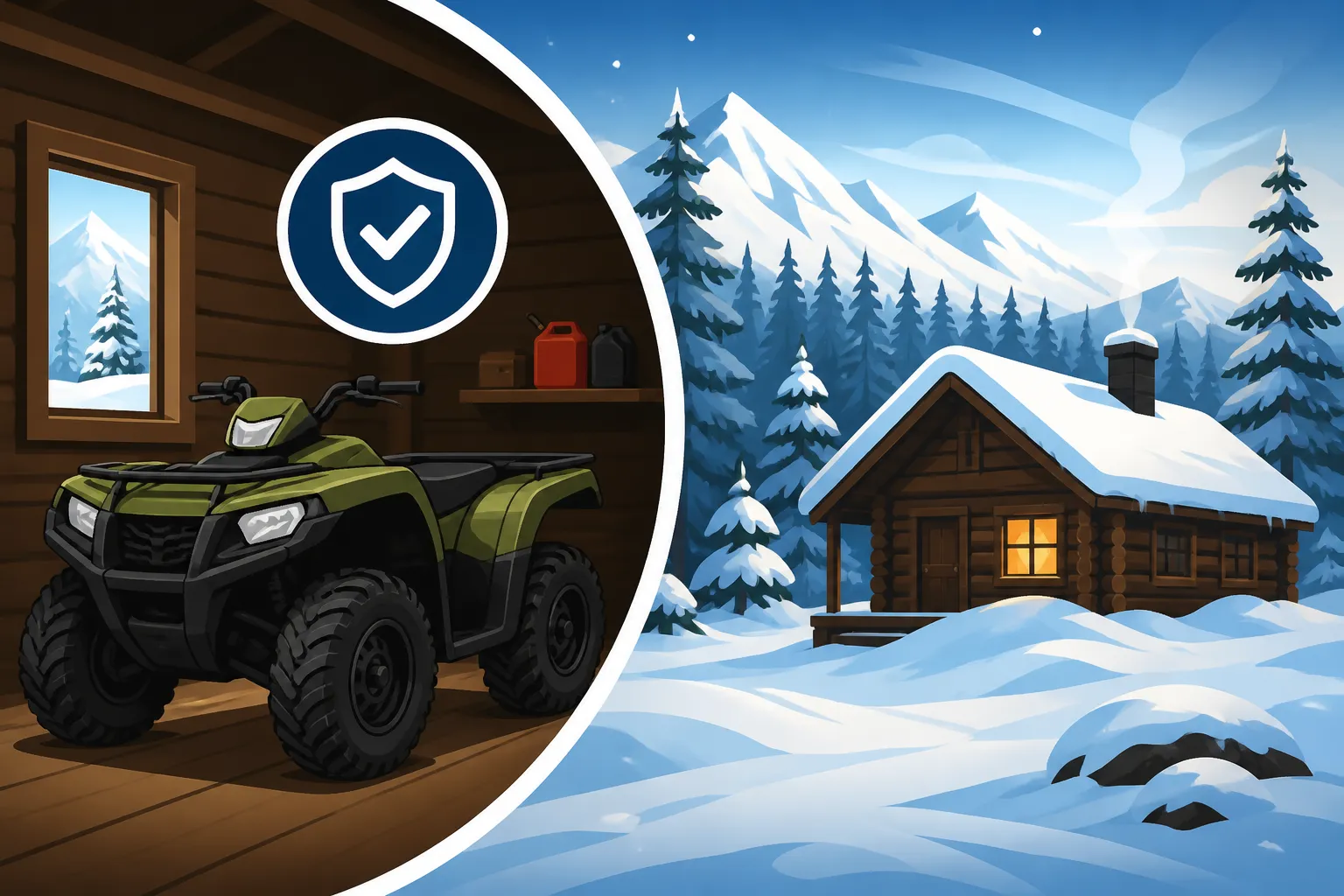
Concealment can also play a role. If possible, park the quad inside a secure shed or cabin. If it must be left outside, a well-placed, opaque tarp can make it less visible to casual observers. You want it to blend into its surroundings, not stand out as a shiny target. While preparing your machine, it's also a good idea to remember how to [Photographing a VIN Before Winter] as a record for your insurance company or law enforcement in case the worst happens.
Protecting Against Wildlife and Environmental Damage
Alaska’s wildlife is resourceful and persistent. Bears can tear through flimsy structures, wolverines are incredibly strong and curious, and smaller rodents are always looking for a warm, dry place to nest.
As mentioned in the winterization section, physical barriers like steel wool in exhaust pipes and air intakes are crucial to keep mice and other rodents out. But don't underestimate larger animals. Bears are particularly attracted to anything with a lingering scent of food or fuel. Ensure your quad is thoroughly cleaned, and remove any items that might smell appealing. If your machine is stored in a shed, make sure the shed itself is as bear-proof as possible – solid doors, strong latches, and no obvious points of entry. Porcupines are notorious for chewing on rubber hoses and electrical wires, possibly because they contain salts or minerals. Consider wrapping vulnerable hoses with a protective tape or mesh.
Environmental factors also pose threats. Heavy snow loads can collapse sheds or damage covers. Ensure your storage structure is robust enough to handle the deep snowfalls common in Alaska. Moisture, even in an unheated shed, can still be an issue. Good ventilation can help prevent condensation. Some people use moisture absorbers in enclosed spaces, though in truly remote, unheated cabins, their effectiveness over an entire winter might be limited. The key is to minimize direct exposure to wet snow and extreme temperature swings that encourage condensation.
Paperwork and Legalities When Storing a Quad Remotely
Even when your quad is just sitting idle at a remote cabin, the paperwork associated with it still matters. From proving ownership to understanding insurance coverage, having your ducks in a row can save you significant hassle and potential financial loss.
Proving Ownership and Registration While Away
If your remote cabin is truly off the beaten path, the chances of a trooper checking your registration might seem slim. However, incidents can still happen – theft, fire, or other damage – and in those scenarios, proving you legally own the machine is paramount. You need copies of your key documents, such as your title, bill of sale, and current registration. Remember, [Alaska APV Titling Required Since 2022], so having that title in order is more important than ever. While it's tempting to leave all your important documents with the machine, that's generally a bad idea. Store the originals of your [What Alaska's ATV Registration Form Asks For] and title in a secure location at home, not at the cabin, where they could be lost to fire, theft, or extreme weather.
It's a smart practice to keep digital copies (photos on your phone, scans on a cloud drive) as well as a physical copy of your registration card (not the title) in a waterproof bag on the machine itself. This way, if a situation arises and you're at the cabin, you have immediate proof. If your machine is ever stolen from the cabin, having those records readily available makes filing a police report and an insurance claim much smoother. Think about using a service like LawDepot to create a formal bill of sale or affidavit if you've recently acquired the quad, especially if the original paperwork is minimal. This can help solidify your proof of ownership.
Insurance and Liability Considerations
Many riders focus on the "riding" aspect of insurance, but what about coverage for a machine stored remotely and unattended for months? This is where you need to check your [Alaska Insurance Requirements for an APV] policy carefully.
Call your insurance provider and explicitly ask about coverage for theft or damage when your ATV or UTV is stored at a remote, unheated cabin. Some policies might have limitations or specific requirements for unattended storage. For example, they might require it to be in a locked building, or have certain security measures in place. Understanding these limitations before you leave the machine is critical. You don't want to find out after a theft or fire that your policy doesn't cover the circumstances of its storage.
Beyond damage to your machine, consider liability. What if, somehow, an unauthorized person gains access to your machine at the cabin and gets injured? While trespassers generally have limited legal standing, there can still be complex liability issues, especially if the machine was not adequately secured. Having proper liability coverage on your policy is essential, even when the machine is not actively being ridden. This is another area where formal documentation of ownership or agreements regarding access can be useful. A robust general liability policy, often part of your homeowners or specific ATV insurance, can provide a safety net. If you share ownership or lend your machine for others to use at the cabin, having a clear understanding of [Alaska Registration With Two Owners] and who carries what insurance is vital.
Documenting Shared Ownership or Lending
Many remote cabins are family affairs, and so are the machines kept there. Often, a quad is co-owned, or lent out among friends and family who use the cabin. A casual handshake agreement might work when everyone is getting along, but if something goes wrong – an accident, damage, or disagreement over maintenance costs – those informal agreements can fall apart quickly.
If the quad is co-owned, create a formal co-ownership agreement. This document should clearly outline who owns what percentage, who is responsible for maintenance, winterization, storage costs, and what happens if one party wants to sell their share. For situations where you lend your quad to someone for their use at the cabin, even a trusted friend or family member, consider a simple loan agreement. This document can specify the duration of the loan, who is responsible for damage during that period, and any specific rules or conditions for use. Resources like LawDepot can provide templates for these types of agreements, making it easy to formalize arrangements and avoid future disputes.
Clarity in these matters protects everyone involved. It establishes expectations and responsibilities upfront, which is far easier than trying to sort out disputes after the fact. It’s an act of foresight that can preserve relationships and prevent legal headaches, letting everyone focus on enjoying the Alaska wilderness.
| Winterization Checklist Item | Why It's Important | Impact of Neglect |
|---|---|---|
| Fuel Stabilizer | Prevents fuel degradation, varnish, and gumming. | Clogged carburetor/injectors, fuel pump issues, no-start in spring. |
| Fresh Oil & Filter | Removes contaminants, provides maximum internal engine protection. | Internal engine corrosion, premature wear, reduced engine life. |
| Antifreeze Check | Prevents coolant from freezing and expanding. | Cracked engine block, radiator, hoses – catastrophic damage. |
| Engine Fogging | Coats internal engine parts to prevent rust and corrosion. | Rust on cylinder walls, piston rings, difficult starting, reduced compression. |
| Battery Removal/Maintenance | Prevents battery from freezing, discharging, and sulfation. | Dead battery, requiring costly replacement, potential electrical damage. |
| Thorough Cleaning | Removes corrosive dirt, mud, and salt, prevents rust. | Accelerated rust on frame, suspension, fasteners, aesthetics. |
| Grease All Fittings | Pushes out moisture, lubricates moving parts. | Seized components, premature bearing wear, difficult steering/suspension. |
| Tire Over-Inflation/Blocking | Prevents flat spots, preserves tire integrity. | Damaged tires requiring replacement, unbalanced ride. |
| Rodent Barriers (Steel Wool) | Blocks entry points for mice and other critters. | Chewed wires, hoses, seat foam; nests in airbox/exhaust; fire hazard. |
| Secure Covering | Protects from dust, moisture, and UV light; deters casual observation. | Faded plastics, dust accumulation, animal access, condensation issues. |
| Layered Security (Chains/Locks) | Deters opportunistic thieves. | Quad theft, loss of valuable asset. |
| Documentation (Copies) | Proof of ownership, aids insurance claims and theft reports. | Difficulty proving ownership, delays in insurance claims/recovery. |
| Insurance Review | Confirms coverage for remote, unattended storage. | Uncovered losses for theft or damage, significant financial burden. |
Disclaimer
This article is for general informational purposes only and does not constitute professional advice. Laws, prices and regulations vary by location and change over time. Consult a qualified professional for guidance on your specific situation.