What the CPSC Helmet Standard Actually Requires
There's a lot of chatter out there about ATV and UTV helmets, and honestly, it can get confusing trying to figure out what standard really matters, especially when you're gearing up for Alaska's unique trails and varying regulations. Many riders wonder if they just need a helmet or if there's a specific type that offers the best protection for the kind of riding we do up here. This guide is here to cut through the noise, explaining the CPSC helmet standard and why it's so important for keeping you safe on your Alaskan adventures.
Understanding the CPSC Helmet Standard for ATV Riders
When you're out exploring the vast wilderness of Alaska on your ATV or UTV, safety is always paramount. While there are several helmet standards out there, the Consumer Product Safety Commission (CPSC) standard holds a unique and critical place, especially for helmets marketed specifically for off-road use by younger riders. It's not just another government acronym; it's a testament to rigorous testing designed to protect your most valuable asset: your head.
What is the CPSC and Why Does it Matter for Helmets?
The CPSC is an independent U.S. government agency dedicated to protecting the public from unreasonable risks of injury or death associated with consumer products. Their role is to ensure that products sold to consumers meet certain safety criteria before they ever hit the shelves. For helmets, this means setting a baseline for impact protection and other crucial safety features. While you might also see DOT (Department of Transportation) or Snell Foundation certifications on helmets, the CPSC standard is specifically tailored to the types of impacts and forces common in off-road activities, particularly for helmets sold for children's use.
Think about it: an ATV rider might face different types of tumbles and collisions than someone on a street motorcycle. The speeds might be lower, but the terrain is often unforgiving, full of rocks, stumps, and uneven ground. The CPSC standard focuses on impact absorption at varied speeds and against different surfaces, making it incredibly relevant for the kind of accidental spills that can happen on a challenging trail ride. For parents, understanding this standard offers a huge peace of mind, knowing that the helmet they choose for their child has met stringent federal safety requirements. It's not just about looking cool; it's about life-saving protection in the unforgiving Alaskan backcountry.
Key Performance Requirements of the CPSC Standard
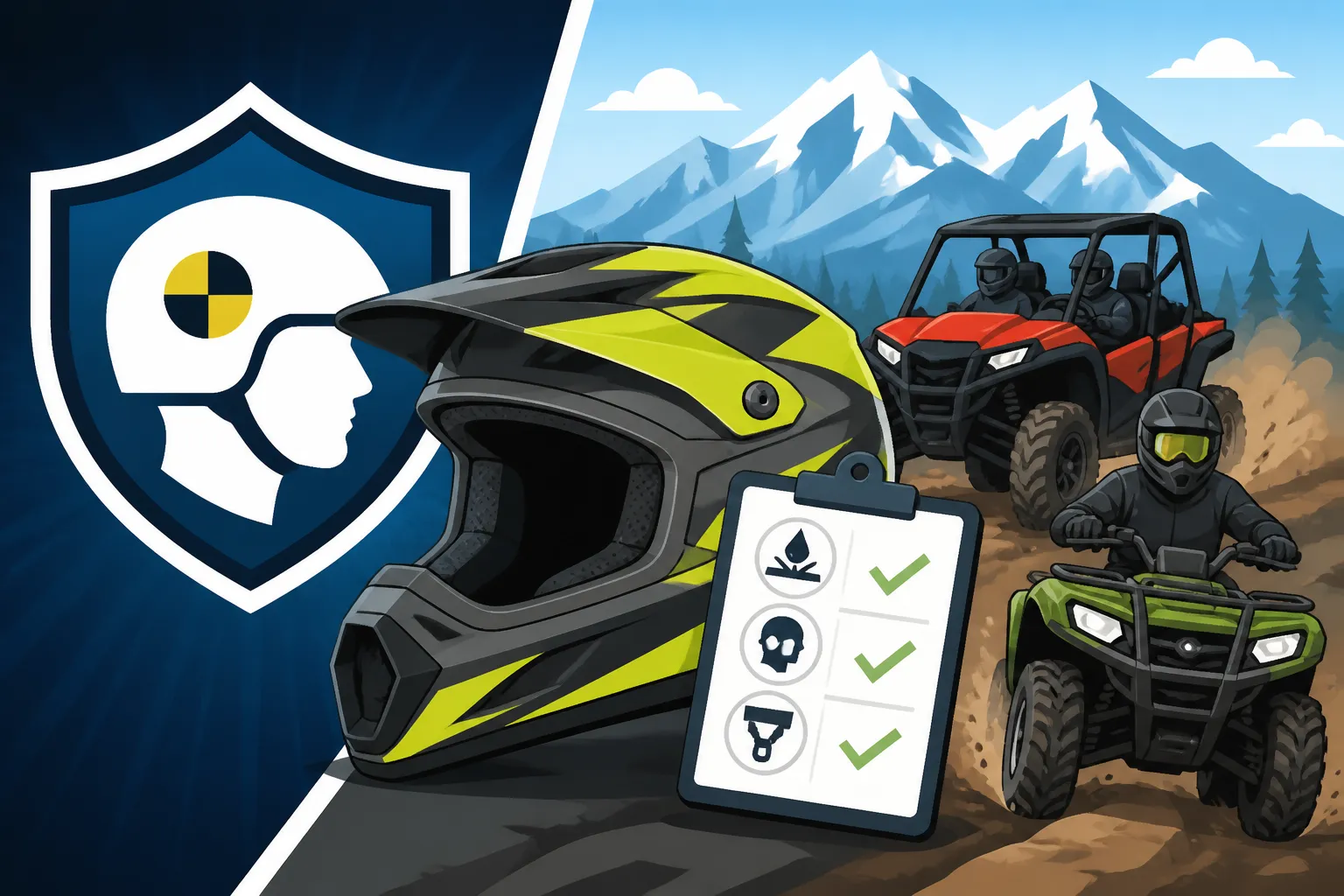
The CPSC standard isn't just a stamp; it's a comprehensive set of tests that a helmet must pass to be deemed compliant. One of the most critical aspects is impact absorption. Helmets are subjected to controlled drops onto various anvils (flat, hemispherical, and curbstone) from specific heights, mimicking different types of real-world impacts. The sensors inside the test heads measure the G-forces transmitted through the helmet, ensuring they stay below a certain threshold. This means the helmet is designed to disperse and absorb energy, preventing your skull from taking the full brunt of the force. It's about cushioning your brain during an unexpected encounter with a tree root or a rock.
Beyond impact, the retention system—that trusty chin strap—is rigorously tested. It must withstand significant pull forces without stretching excessively or breaking. There are also "roll-off" tests, where forces are applied to try and pull the helmet off the head form, ensuring it stays securely in place during a crash. After all, a helmet can't protect you if it flies off! Peripheral vision is another key element; the helmet design must allow for a minimum field of view, so riders can see hazards approaching from the sides. Finally, CPSC-compliant helmets have specific labeling requirements, indicating the standard they meet, so riders can easily identify a certified product. When you're picking up a helmet, knowing these requirements helps you understand that what's on your head is truly engineered for protection.
How CPSC Helmets Differ from Motorcycle or Bicycle Helmets
While all helmets serve the fundamental purpose of protecting your head, CPSC-certified ATV helmets have distinct characteristics that set them apart from their motorcycle or bicycle counterparts. Bicycle helmets, for instance, are designed for lower-speed impacts, typically involving falls onto pavement or trails. They prioritize lightweight design and ventilation, and while they offer good protection for cycling, they simply aren't built to withstand the higher impact forces or types of impacts common with ATVs. Using a bike helmet on an ATV is a dangerous compromise that could have severe consequences.
Motorcycle helmets, particularly those certified by DOT or Snell, are engineered for much higher speeds and different types of road impacts. While many motorcycle helmets offer excellent protection and can be used for ATV riding, CPSC-specific ATV helmets often feature different materials and construction optimized for off-road environments. They might have slightly different ventilation schemes to combat dust and mud, or a more robust peak to shield against sun glare and roost. The weight and balance can also be different, designed for the upright riding position and dynamic movements of ATV operation. Understanding these subtle but significant differences reinforces why choosing the right helmet for the specific activity—an ATV helmet for ATV riding—is a critical safety decision.
Identifying a CPSC-Compliant Helmet
In the world of off-road riding, especially here in Alaska, there's a lot of gear out there. Knowing what to look for when it comes to helmet safety isn't just helpful, it's essential. A CPSC-compliant helmet isn't just something a manufacturer claims; it's something that can be verified through specific markings and an understanding of what constitutes a quality product.
The CPSC Label: What to Look For
The most straightforward way to identify a CPSC-compliant helmet is to look for the CPSC label or sticker. This isn't just a marketing tag; it's a specific certification mark indicating that the helmet has undergone and passed the rigorous testing mandated by the Consumer Product Safety Commission. You'll typically find this label on the inside of the helmet, often affixed to the EPS (expanded polystyrene) foam liner, or sometimes on the back exterior of the helmet. The label will explicitly state "CPSC" and may include the specific standard number (e.g., "Meets CPSC Safety Standard for Bicycle Helmets for Persons Age 5 and Older," or similar phrasing for ATV helmets).
When you're shopping for a helmet, especially for younger riders who are legally required to wear one in certain situations, this label is your absolute assurance. Without it, you cannot be certain that the helmet meets the federal safety requirements. Don't be shy about asking a salesperson to point it out if you can't find it. Verifying this label is a quick but incredibly important step in ensuring you're purchasing a helmet that provides the baseline protection mandated for consumer safety. It’s a small detail that makes a monumental difference in terms of head protection on the trails.
Beyond the Label: Other Indicators of Quality
While the CPSC label is non-negotiable for compliance, there are other indicators of a quality helmet that contribute to overall safety and rider comfort. Reputable brands are a great place to start. Established manufacturers have a vested interest in rider safety and typically exceed minimum standards. While SuperATV is known more for robust UTV accessories and parts, the principles of quality and durability they embody in their product lines are also important to seek in your safety gear. When you're looking for helmets, consider brands that are recognized within the off-road community for their commitment to rider protection and innovation.
Fit and comfort are also paramount. A helmet that doesn't fit correctly can't protect you properly. It should be snug, without being uncomfortably tight, and shouldn't move freely when you shake your head. A comfortable helmet is also one you're more likely to wear consistently. Beyond that, consider features like ventilation which is crucial for staying cool on a long summer ride, or in Alaska's varied conditions, potentially for managing fogging. Durability of materials in the shell and liner, a strong visor, and a reliable retention system all speak to a helmet's overall quality and its ability to withstand not just an impact, but also the wear and tear of regular use. Investing in a high-quality helmet is an investment in your personal safety, providing peace of mind as you traverse rough terrain.
Alaska's Helmet Laws and the CPSC Standard
Riding an ATV or UTV in Alaska is an incredible experience, offering access to some of the most stunning landscapes on Earth. But like any motorized activity, it comes with responsibilities, including understanding and adhering to the safety regulations, particularly those concerning helmets. While Alaska's specific helmet laws might seem straightforward on the surface, understanding their nuances and the underlying intent of standards like CPSC is crucial for safe and legal riding.
Who Must Wear a Helmet in Alaska?
Alaska's law is quite clear regarding who must wear a helmet when operating or riding an all-purpose vehicle (APV) like an ATV or UTV. The rule states that any person under 16 years of age must wear a safety helmet when riding an APV on public land, public easements, or other public property. This includes designated trails, public roads where APVs are permitted, and any other area considered public domain. The law is designed to protect our youngest and most vulnerable riders, recognizing that they may have less experience and are more susceptible to severe injuries in a crash. It's a pragmatic approach to youth safety, ensuring that minors are afforded an extra layer of protection when engaging in what can be a high-risk activity.
For adult riders, while a helmet is not legally mandated in all situations, exercising good judgment and wearing one anyway is always the wisest choice. The fines for non-compliance for those under 16 can range from a warning to a monetary penalty. [Alaska's Under-16 Helmet Fine] underscores the state's commitment to this safety measure. It’s not just about avoiding a ticket; it's about fostering a culture of safety from a young age and ensuring that everyone comes home safely after a day of riding.
Why Adults Should Still Choose a CPSC Helmet Even If Not Required
It's a common scenario: you're over 16, you're an experienced rider, and you know Alaska's trails like the back of your hand. The law says you don't have to wear a helmet in many situations. So why bother? The answer is simple: safety doesn't stop at age 16. While Alaska's law specifically targets younger riders, the risks of head injury are universal. Choosing to wear a CPSC-compliant helmet, even when not legally required, is a proactive decision for your own well-being. These helmets are designed to prevent or significantly reduce the severity of traumatic brain injuries (TBIs), which can have devastating, life-altering consequences.
Consider the diverse and often unpredictable terrain we ride in Alaska – from rocky creek beds to dense forest trails, and even frozen rivers. A sudden loss of control, an unexpected obstacle, or even a low-speed tip-over can result in a head impact. While a basic helmet might offer some protection, a CPSC-certified helmet has been rigorously tested to absorb and dissipate impact energy effectively, providing a superior level of defense. Don't wait for an accident to realize the value of proper head protection. Many veteran riders will tell you that the one time they skipped their helmet was the time they regretted it most. Make the smart choice; your brain will thank you.
Helmet Requirements for Passengers and Towed Sleds
Alaska's helmet law extends its protective umbrella beyond just the operator of an APV to include passengers, especially the younger ones. Just as with operators, any passenger under 16 years of age must also wear a safety helmet when riding on an APV on public property. This means if you're taking your child, grandchild, niece, or nephew out for a ride, and they're under that age threshold, a properly fitting CPSC-compliant helmet is a non-negotiable piece of gear. [Do APV Passengers Have to Wear a Helmet?] is a common question, and for those under 16, the answer is a resounding yes. It's not just about the driver's safety; it's about the safety of everyone enjoying the ride.
The law even considers the scenario of children riding in towed sleds behind an APV. If a child under 16 is being transported in a sled towed by an APV on public land, they, too, are required to wear a safety helmet. [Children Riding in a Towed Sled] is a specific detail that many might overlook, but it speaks to the comprehensive nature of Alaska's commitment to protecting its youth. The reasoning is clear: even in a towed sled, there's a risk of impact or rollover, and head protection remains vital. For all riders, whether operator or passenger, young or adult, ensuring a helmet fits properly is just as important as the helmet itself meeting the CPSC standard. A loose helmet can shift during an impact, compromising its protective capabilities.
Choosing the Right CPSC Helmet for Alaska Riding
Selecting a helmet isn't just about grabbing the first one you see with a CPSC sticker. For Alaska riders, where conditions can swing wildly from freezing temperatures and deep snow to dusty trails and bright summer sun, the "right" helmet involves a blend of safety, comfort, and practical features. Thinking beyond the basic standard will significantly enhance your riding experience and, more importantly, your protection.
Factors to Consider Beyond the Standard
When you're looking for a CPSC-compliant helmet for Alaska, consider the unique demands of our environment. Riding conditions are paramount:
- Winter riding: Look for helmets designed with good cold-weather features, perhaps with a breath box to prevent fogging, good insulation, or compatibility with cold-weather goggles.
- Mud and dust: Excellent ventilation, a robust peak, and easy-to-clean materials become crucial. You'll want a helmet that works well with your choice of goggles to keep your vision clear.
- Extreme cold/heat: Some helmets offer adjustable ventilation systems to adapt to changing temperatures.
The type of riding you do also plays a role. Are you primarily trail riding, using your UTV for utility work, or engaging in more aggressive sport riding? Different helmets might excel in different scenarios. For example, a helmet with a more aggressive peak might be great for deflecting roost on a sporty ride, while a more subdued design might be preferred for long, scenic tours. Don't forget fit, weight, and ventilation. A lightweight helmet reduces neck fatigue on long rides, and proper ventilation keeps you comfortable. Most importantly, ensure goggle compatibility if your helmet uses goggles instead of a built-in visor. Some helmets are designed to integrate seamlessly with specific goggle brands, offering a wider field of view and better seal against the elements.
Maintenance and Care of Your CPSC Helmet
Just like your ATV or UTV needs regular maintenance, your CPSC helmet requires proper care to ensure it continues to provide optimal protection. Neglecting your helmet can compromise its structural integrity and safety features. First, cleaning instructions are critical. Use mild soap and water for the exterior shell and interior padding. Avoid harsh chemicals, solvents, or petroleum-based products, as these can degrade the helmet's materials, especially the EPS liner, without visible signs of damage. Most interior padding is removable and washable, which helps keep your helmet fresh and hygienic, a big plus after a sweaty summer ride.
Storage tips are equally important. Always store your helmet in a cool, dry place, away from direct sunlight, extreme temperatures, or chemicals like gasoline, solvents, or exhaust fumes. Storing it in a garage near tools or chemicals can slowly degrade the helmet's components over time, weakening its ability to protect you. Perhaps the most crucial advice is when to replace a helmet. A helmet should always be replaced after any significant impact, even if there's no visible damage. The EPS foam is designed to crush and absorb energy once, and after an impact, it won't offer the same level of protection. Many manufacturers also recommend replacing helmets every 3-5 years, regardless of impacts, due to material degradation from UV exposure, sweat, and general wear and tear. A well-cared-for helmet is a safe helmet.
Accessories and Upgrades for Enhanced Safety
While the helmet itself is your primary line of defense, a variety of accessories and upgrades can enhance both your safety and your riding comfort, especially in Alaska's challenging conditions. For helmets that require them, quality goggles are non-negotiable for eye protection against dust, debris, and glare. Look for anti-fog and UV-protected lenses. Some helmets are compatible with integrated communication systems, which can be incredibly useful for group rides or guiding, allowing you to talk to fellow riders or passengers without shouting.
For cold weather, consider a cold weather liner or a breath box that directs your breath away from your goggles, preventing fogging. These simple additions can make winter riding significantly more comfortable and safe by maintaining clear vision. While SuperATV is widely recognized for offering robust upgrades and accessories for the performance and utility of your UTV or ATV—think durable winches, lift kits, or protective bumpers—the same meticulous approach to quality and suitability should extend to your personal safety gear. While they may not specialize in helmets, ensuring all your gear, from the machine's components to your head protection, meets high standards creates a comprehensive safety strategy. When selecting any accessory, always prioritize compatibility with your CPSC-compliant helmet and ensure it doesn't impede vision or compromise the helmet's original protective features.
| Helmet Standard | Primary Purpose | Key Tests/Focus | Typical Applications | Who it Applies To Generally |
|---|---|---|---|---|
| CPSC | Federal safety standard for bicycle & some ATV helmets | Impact absorption, retention system, peripheral vision | Bicycles, skateboards, some ATVs (especially youth) | Consumers, especially youth |
| DOT | Federal standard for on-road motorcycle helmets | Impact absorption (higher speed), penetration resistance, retention | Motorcycles, scooters, some ATVs (on-road sections) | All riders on public roads |
| Snell M2020 | Independent, voluntary higher performance standard | Multi-impact absorption, shell penetration, chin bar integrity | Racing, high-performance motorcycles, some ATVs | Voluntary, higher protection seekers |
[Alaska ATV Helmet Law Age]
[Alaska Second Offense Helmet Fines]
[Alaska Rules for a Child Passenger]
[Alaska Rules for Passengers on a Quad]
[Alaska Trails Open Year-Round]
[What a Trooper Can Ask to See]
[Do You Need a License for an ATV in Alaska?]
[Alaska Riding in Winter]
[Alaska Riding After Dark]
[Alaska Safety Course Options]
Disclaimer
This article is for general informational purposes only and does not constitute professional advice. Laws, prices and regulations vary by location and change over time. Consult a qualified professional for guidance on your specific situation.