Alaska Rules for a Child Passenger
Navigating the wilds of Alaska with your family on an ATV or UTV is an incredible experience, but figuring out the exact rules for bringing children along can feel like trying to read a blurry map in a blizzard. Parents often worry about what's legal, what's safe, and how to best protect their youngest adventurers. This comprehensive guide will clear up the confusion, walking you through Alaska's specific regulations and offering practical advice for ensuring a safe and memorable ride for every child passenger.
Understanding Alaska's General Rules for All-Purpose Vehicles APVs
Before we dive into the specifics of child passengers, it’s really helpful to understand the baseline for all-purpose vehicles, or APVs, in Alaska. This class of vehicle covers a lot of ground, including your standard ATVs, side-by-sides, and even some types of dirt bikes, when they're being operated in a way that triggers state registration and road use rules. Understanding the fundamental framework helps you see why certain rules exist, especially when it comes to the safety of our most precious cargo: our kids.
The Legal Definition of a Passenger
It might seem obvious, but what constitutes a "passenger" can sometimes get a little blurry, especially with kids. In Alaska, a passenger is generally defined as any person riding on an APV who is not the operator. This distinction is crucial because the design of your machine plays a huge role in whether it can legally and safely carry a passenger. A single-rider ATV, for instance, is built and intended for one person only – the operator. Trying to squeeze a small child on the seat in front or behind the driver, even if they’re just "riding along" and not actively controlling the machine, still makes them a passenger. The vehicle is simply not designed for the weight distribution, seating security, or control dynamics necessary for two people.
On the flip side, side-by-sides (UTVs) are explicitly designed with multiple seating positions, often resembling a small car with bucket seats or bench seats, seatbelts, and roll cages. These features immediately signal their intent to carry passengers safely. So, the first step is always to look at your machine: Is it designed for more than one person? If not, carrying a passenger, especially a child, introduces significant safety risks and potential legal issues.
General Age and Licensing Requirements for Drivers
The rules for who can drive an APV in Alaska are a big piece of the puzzle, as they directly impact who can even consider having a child passenger. Generally speaking, to operate an APV on public roads or trails where state rules apply, the operator needs a valid driver's license. For road-legal APV use, this typically means a Class D license, the standard driver's license most Alaskans carry for their cars and trucks. You'll want to check out [Alaska Requires a Class D License] for more details on that.
While this article focuses on passengers, it's critical for parents and guardians to understand that if they are the operator, they must meet these requirements. Allowing an underage or unlicensed person to operate the APV, especially with a child passenger, could lead to serious legal consequences and, more importantly, put everyone at risk. The responsibility for ensuring the driver is qualified and the vehicle is appropriate for passengers falls squarely on the adult in charge.
When and Where These Rules Apply
This is where many people get tripped up. Alaska's APV rules aren't a blanket statement that applies everywhere. Generally, the state's comprehensive APV regulations, including those for child passengers, primarily apply when you're operating on public land, public trails, or any public road that allows APV access. This means state parks, public use areas like the Knik River Public Use Area, and any paved or gravel roads where APVs are explicitly permitted. If you're solely riding on your own private property, away from public access points, the state's specific APV registration and operating rules often don't apply, though common-sense safety and liability concerns certainly do.
However, the moment your tires touch public ground, even for a short stretch to get to your private land, the rules can kick in. This is often referred to as [Public Property as the Trigger]. It's crucial to know the land status of your riding area. Many Alaska communities have their own specific ordinances regarding APV use within city limits or borough boundaries, which can be even stricter than state law. Always check local regulations for the area you plan to ride in, especially if you're venturing into a new community or considering riding on a village street.
Specific Regulations for Child Passengers on ATVs in Alaska
Alright, let's get down to the nitty-gritty: putting kids on ATVs. This is where the distinction between ATVs and UTVs becomes absolutely critical, as the regulations and safety considerations are vastly different. ATVs, or all-terrain vehicles, are typically single-rider machines, and Alaska's laws, coupled with manufacturer warnings, reflect that design.
The Age Requirement for ATV Passengers
Here's the stark truth for ATVs: Alaska state law, consistent with nearly all ATV manufacturers, does not permit carrying passengers on an ATV designed for a single operator. Period. There isn't a minimum age because the act of carrying any passenger on a single-seat ATV is generally prohibited by safety guidelines and, in many cases, state law when riding on public lands. Trying to squeeze a child, no matter how small or well-behaved, onto a single-seat ATV with the driver compromises stability, handling, and the ability of the driver to react safely to unexpected situations.
Manufacturers explicitly state that their ATVs are designed for one rider only. The weight distribution, suspension, and steering are all calibrated for a single person. Adding a passenger, especially a squirming child, can make the ATV incredibly unstable, increasing the risk of rollovers or loss of control. So, while you might see an age for operating an ATV (check out [Alaska Rules for a Teen Rider] for more on that), there's no age for an ATV passenger because ATVs aren't designed for them. If you're planning a family ride, and ATVs are your only option, then each child who isn't old enough to legally and safely operate their own machine should not be on an ATV.
Helmet and Safety Gear Mandates for Children
Even though carrying a child passenger on a single-seat ATV is generally not advised or legal on public land, let's address safety gear because these rules do apply to children operating their own age-appropriate ATVs, or children riding as passengers in UTVs (which we'll discuss next). In Alaska, if a child is riding an APV, whether as an operator or a passenger in a multi-seat vehicle, certain safety gear is legally mandated.
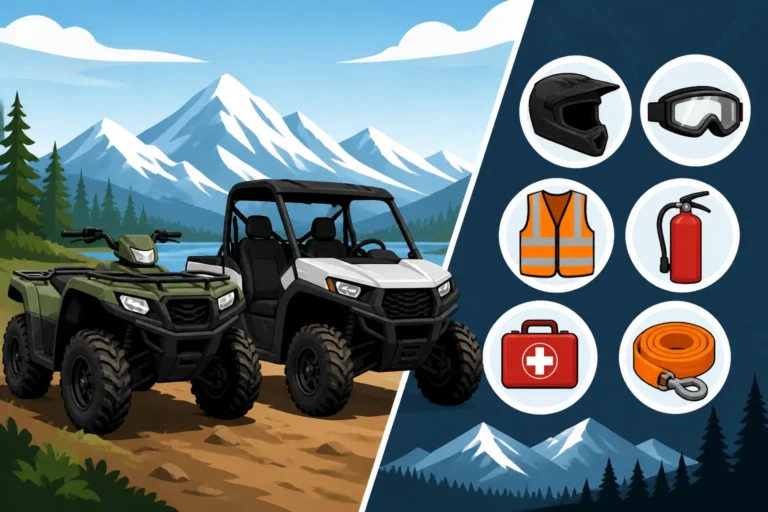
The biggest one is the helmet. Alaska law is clear: [Alaska Helmet Law for Riders Under 16] states that any person under the age of 16 operating or riding as a passenger on an APV must wear a helmet that meets the U.S. Department of Transportation (DOT) standards. This isn't just a suggestion; it's the law, and there are fines for non-compliance. Beyond helmets, common sense dictates additional safety gear for kids:
- Eye Protection: Goggles or a helmet with a face shield are essential to protect against dust, debris, bugs, and branches.
- Over-the-Ankle Boots: Sturdy boots protect feet and ankles from impacts, hot engine parts, and rough terrain.
- Long Pants and Long-Sleeved Shirt: These help prevent scrapes, cuts, and burns, even in warm weather. Durable materials like denim or riding gear are best.
- Gloves: Protect hands from blisters and improve grip.
Imagine you're out near Jim Creek, and your child wants to ride along. Even if it's on a multi-passenger UTV, ensuring they have the right gear, especially that DOT-approved helmet, is non-negotiable. It's not about spoiling their fun; it's about protecting their brain from serious injury in the event of an unforeseen incident. For more details on choosing the right head protection, you can look up [Choosing a CPSC Helmet for a Young Rider].
Seating and Machine Capacity Rules
This circles back to the design of the vehicle. As we've discussed, ATVs are typically single-rider machines. Attempting to carry a passenger on one not only violates manufacturer guidelines but also specific state statutes that dictate vehicle capacity for safety. The law specifically addresses [Riding Two Up on a Single-Seat Quad in Alaska] and generally prohibits it on public land. This isn't an arbitrary rule; it's born from years of accident data and safety research demonstrating the severe risks associated with exceeding an ATV's design capacity.
The dangers are manifold:
- Reduced Control: The driver's ability to shift their weight, a critical component of ATV steering and stability, is severely hampered.
- Increased Rollover Risk: The added weight, especially if it's high or shifting, significantly raises the center of gravity, making rollovers far more likely, particularly on uneven terrain or during turns.
- Impaired Braking: Stopping distance can increase, and the ATV's ability to brake effectively can be compromised.
- Distraction: A child passenger, particularly a young one, can be a major distraction to the driver, leading to lapses in attention.
If your family includes children who cannot operate their own ATV, and you want to ride together, a UTV (side-by-side) is the unequivocally safer and legally compliant option for carrying passengers.
Navigating UTV Passenger Rules with Kids in Alaska
When it comes to carrying child passengers, UTVs (Utility Terrain Vehicles, often called side-by-sides) are a game-changer. Unlike ATVs, UTVs are specifically engineered with multiple seating positions, seatbelts, and protective structures, making them a much safer and legal choice for family outings on the trails.
UTV Design and Passenger Capacity
One of the primary reasons UTVs are so popular with families in Alaska is their design for carrying multiple people. These machines typically feature bucket seats or bench seats, similar to a car, which allow passengers to sit securely next to the driver. Key safety features inherent in UTV design include:
- Roll Cages: A strong, integrated roll-over protective structure (ROPS) provides a safety cell around occupants.
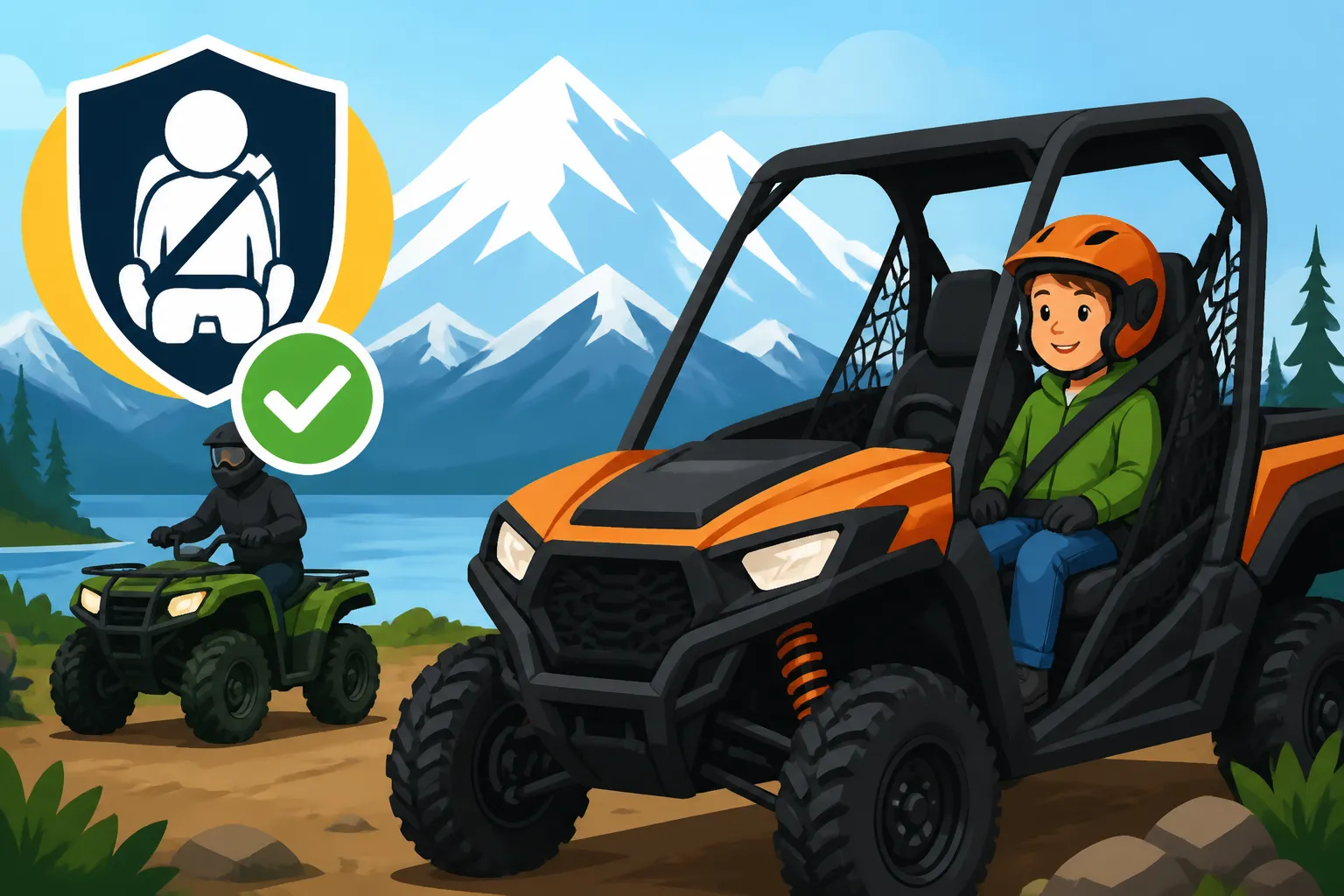
- Seatbelts: Most UTVs come standard with three-point seatbelts for all seating positions, and many riders upgrade to four- or five-point harnesses for even greater security, especially on rough trails.
- Grab Handles: Passengers often have dedicated grab handles to steady themselves during turns or bumps.
- Enclosed Cabins (Optional): Many UTVs offer enclosed or partially enclosed cabins, which can provide additional protection from the elements and debris.
When choosing a UTV for family use, consider the number of passengers you typically carry and ensure the vehicle has enough dedicated, belted seating positions for everyone. Don't try to cram more people than the manufacturer intended into the available seats. A four-seat UTV means four people, not four people plus a small child on someone's lap. This is crucial for safety and for staying within the law.
Child Restraints and Safety Seats in UTVs
While Alaska law mandates helmets for passengers under 16, it doesn't typically specify requirements for child-specific car seats or booster seats in UTVs in the same way it does for passenger vehicles on public roads. However, this doesn't mean you should ignore best practices. For very young children or toddlers, simply relying on a standard UTV seatbelt might not provide adequate restraint, as the belt might not fit snugly across their small body.
Many UTV owners with young children look to aftermarket solutions to enhance safety. Companies like SuperATV offer a range of accessories that can make your UTV more family-friendly and secure, from safety harnesses that provide better restraint for smaller bodies to additional grab handles or cargo nets that can prevent little arms and legs from straying outside the vehicle. You might find seat inserts or even specially designed UTV seats that are better suited for children, providing a more secure and comfortable fit than a standard adult-sized seat. The goal is always to ensure the child is held securely in place, their head and neck are protected, and they cannot easily fall out or come into contact with moving parts. This is about going above and beyond minimum legal requirements to ensure maximum safety.
Supervising Young Passengers
Even in a safe, multi-passenger UTV with all the right gear, active supervision of child passengers is paramount. Kids get bored, restless, or overly excited, and their unpredictable movements can be a distraction to the driver or even a safety hazard.
- Clear Communication: Before you even leave the trailhead, have a chat with your kids about the rules. Explain that they need to keep their hands and feet inside the vehicle at all times, stay seated, and follow instructions.
- Regular Check-ins: Periodically check on your passengers. Are they comfortable? Are they getting too cold or too hot? Are they staying seated?
- Designate a "Spotter": If you have an older child or another adult passenger, they can help keep an eye on younger children, making sure they stay buckled and behave safely.
- Appropriate Terrain: Always match the terrain to the experience level of your youngest or least experienced passenger. A smooth, wide trail is much better for a first-timer than a rocky, technical climb.
Think of it like this: you wouldn't let your kids run wild in a moving car, and a UTV, even with all its safety features, is no different. Your attention as the driver needs to be primarily on operating the machine safely, but a watchful eye and clear rules for your passengers create a much safer environment for everyone.
Practical Safety Tips and Best Practices for Riding with Kids
Beyond the legalities, there are countless practical steps you can take to make riding with children safer and more enjoyable. After all, the goal is to create lasting memories of Alaska's incredible outdoors, not to endure a stressful or dangerous experience.
Pre-Ride Checks and Preparations
A little preparation goes a long way, especially when kids are involved. Before every family ride, get into a routine of essential checks:
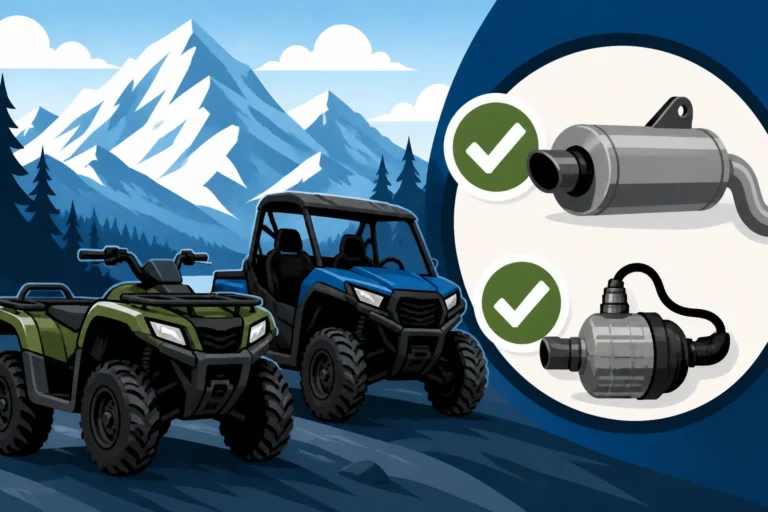
- Machine Inspection: Check tire pressure, fluid levels (oil, coolant), brakes, lights (especially if there's any chance of riding in dim conditions, per [Alaska Night Riding Equipment Rules]), and the functionality of all seatbelts. Make sure your spark arrester is in good working order to prevent wildfires.
- Fuel Up: Always start with a full tank of gas, and consider carrying extra fuel in an approved container, especially if venturing into remote areas where gas stations are few and far between.
- Pack Essentials:
- First-Aid Kit: A comprehensive kit for cuts, scrapes, and minor emergencies is a must.
- Water and Snacks: Dehydration and hunger can quickly turn a fun trip into a meltdown, especially with kids.
- Extra Layers: Alaska weather can change on a dime. Pack hats, gloves, rain gear, and warm layers, even on a sunny day.
- Navigation: A map, compass, or GPS device is crucial. Cell service is unreliable off the road system.
- Emergency Communication: A satellite messenger (like a Garmin InReach or Spot device) is highly recommended for backcountry rides where cell service is non-existent.
- Tools: A basic tool kit for minor repairs can save a lot of headaches.
- Route Planning: Know where you're going, the difficulty of the trail, and any potential hazards like river crossings or steep climbs. Share your plan with someone who isn't riding with you.
Matching Terrain to Skill and Experience Levels
This is perhaps one of the most critical safety considerations. Never push your limits, or your children's comfort levels, when riding off-road.
- Start Simple: For first-time riders or very young passengers, choose easy, wide, relatively smooth trails. Gentle inclines and flat terrain are ideal.
- Avoid Overwhelm: Going too fast, over too many bumps, or through deep mud and water crossings can be scary for kids and lead to motion sickness or anxiety. Take it slow, and let them get comfortable.
- Gauge Reactions: Pay attention to how your children are reacting to the ride. Are they enjoying it, or are they clutching their seatbelts with wide eyes? Adjust your speed and trail choice accordingly.
- Build Confidence: Gradually introduce more challenging terrain as your children gain confidence and experience. The goal is to make riding an enjoyable activity they look forward to, not something they dread.
Communication and Education
Engaging your children in the safety process can empower them and make them more compliant with rules.
- Explain the "Why": Instead of just saying "wear your helmet," explain why it's important (to protect their head). Instead of "stay seated," explain why (to keep them safe in bumps or turns).
- Establish Hand Signals: If you have an enclosed UTV or are riding in conditions where it's hard to hear, teach simple hand signals for "slow down," "stop," or "I need a break."
- Safety Courses: While Alaska doesn't mandate safety courses for all riders, considering a voluntary course is always a good idea. [Alaska Safety Course Options] exist and can provide valuable skills and safety awareness for older children who might eventually want to operate their own machines, or even for adults to brush up on their skills. The more educated everyone is, the safer the ride will be.
Aftermarket Accessories for Enhanced Child Safety
As mentioned earlier, UTVs offer a fantastic platform for customization that can significantly boost child safety. While the stock features are good, specific accessories can address unique family needs:
- Child-Specific Harnesses: For smaller children, a racing-style four- or five-point harness, designed for youth, offers far better retention and impact protection than a standard three-point seatbelt. Ensure it's properly installed and adjusted.
- Seat Inserts/Boosters: If standard seats are too big, a seat insert or booster can help position a child correctly so that the seatbelt or harness fits snugly across their chest and hips.
- Door Nets/Enclosures: Even with doors, adding robust door nets or lower door inserts can prevent children from inadvertently sticking limbs out of the vehicle or from falling out during extreme maneuvers. Many SuperATV products focus on improving the functionality and safety of UTVs, and their offerings often include items that enhance passenger protection and comfort, which is invaluable when riding with kids.
- Passenger Grab Bars: While most UTVs have these, ensuring they are robust and easily accessible for a child to hold onto can make them feel more secure.
- Dust Masks/Balaclavas: In dusty Alaska conditions, a mask can make a huge difference in comfort and lung health for kids.
These accessories are investments in your child's safety and comfort, allowing you to enjoy Alaska's incredible trails with peace of mind.
Comparing ATV and UTV for Child Passengers
To help solidify the differences, here's a quick comparison of ATVs and UTVs when it comes to riding with child passengers.
| Feature | ATV (All-Terrain Vehicle) | UTV (Utility Terrain Vehicle / Side-by-Side) |
|---|---|---|
| Seating Design | Single-rider, straddle-seat | Multi-rider, bucket or bench seats |
| Passenger Legality | Generally not legal for passengers on public land; manufacturer warnings against it. | Designed and legal for carrying passengers |
| Safety Features | No seatbelts, no roll cage, relies on rider body English for stability. | Seatbelts, roll cage (ROPS), doors/nets, often grab handles. |
| Child Restraints | N/A (no passengers) | Standard seatbelts; can add aftermarket harnesses/boosters. |
| Stability | Less stable with added weight; higher risk of rollover with passengers. | More stable due to wider stance and lower center of gravity; better for multiple occupants. |
| Rider Comfort | Single rider focused | More comfortable for passengers; often smoother ride. |
| Best for Kids | Only for children old enough and skilled enough to operate their own age-appropriate ATV. | Ideal for carrying child passengers safely. |
It's clear that if you want to bring your children along for a ride in Alaska, a UTV is the safer, more appropriate, and legally compliant choice.
Riding ATVs and UTVs in Alaska is a fantastic way to explore the Last Frontier, create family memories, and connect with the incredible landscape. By understanding and adhering to Alaska's rules for child passengers, prioritizing safety through proper gear and preparation, and choosing the right vehicle for your family, you can ensure that these adventures are not only thrilling but also safe and responsible. Always put the well-being of your young passengers first, and enjoy every moment on the trail!
Disclaimer
This article is for general informational purposes only and does not constitute professional advice. Laws, prices and regulations vary by location and change over time. Consult a qualified professional for guidance on your specific situation.