Alaska Rules for Passengers on a Quad
The vastness of Alaska calls to us, inviting us to share its incredible landscapes and the thrill of off-road adventure. For many of us who own quads or side-by-sides, the dream includes sharing that experience with a friend, a family member, or especially a child. But before you let someone hop on the back, you need to understand the serious rules and safety guidelines around carrying passengers on an ATV in Alaska. It’s not as simple as just finding a space for them; the law, and plain common sense, have specific requirements to keep everyone safe and avoid costly citations. This guide will break down everything you need to know about Alaska's rules for passengers on a quad, from legal definitions to essential safety practices.
The Core Alaska Law: Single-Seat vs. Designed for Passengers
One of the biggest misconceptions out on the trail is that if there’s space, there’s a ride. This simply isn't true for ATVs in Alaska, and understanding the core legal distinction between a single-seat machine and one designed for multiple riders is your first step to staying compliant and safe. The state's regulations are primarily concerned with the manufacturer's intent and the safety features built into the machine.
What Constitutes a "Passenger" in Alaska's Eyes?
In Alaska, the legal definition of an ATV, or All-Purpose Vehicle (APV), often emphasizes its design for a single operator. When we talk about carrying a "passenger," the law isn't just picturing someone along for the ride; it's looking at whether the machine was actually built to accommodate a second person safely. A "passenger" implies dedicated seating, handholds, and footrests for that individual. If your machine lacks these, anyone riding with you is not a legal passenger in the eyes of the law.
Think about it this way: your standard single-rider ATV, the kind with a long seat that looks like it could fit two, is engineered for one person's weight distribution, balance, and control. Adding a second person fundamentally changes how that machine handles, brakes, and responds, making it far more unstable and dangerous. From a legal standpoint, carrying a passenger on a machine not explicitly designed for it is a violation, potentially leading to fines and putting everyone at undue risk. This is a critical point that many riders misunderstand, often learning the hard way when a trooper pulls them over.
Two-Up Quads and Side-by-Sides: Designed for Company
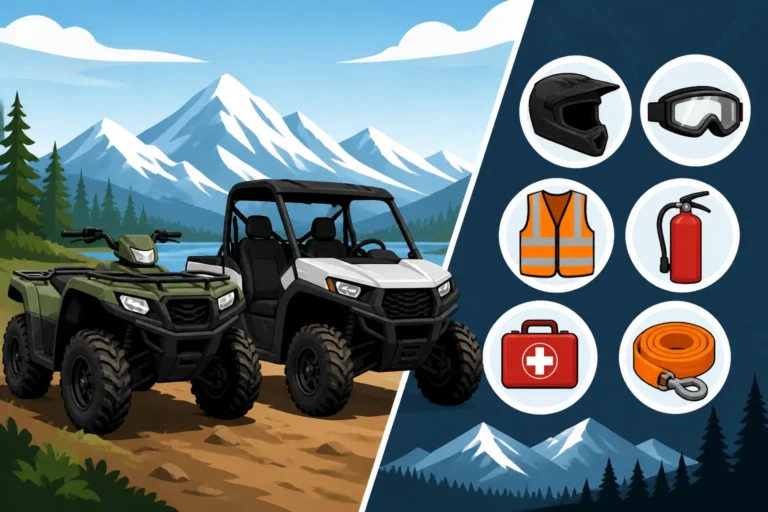
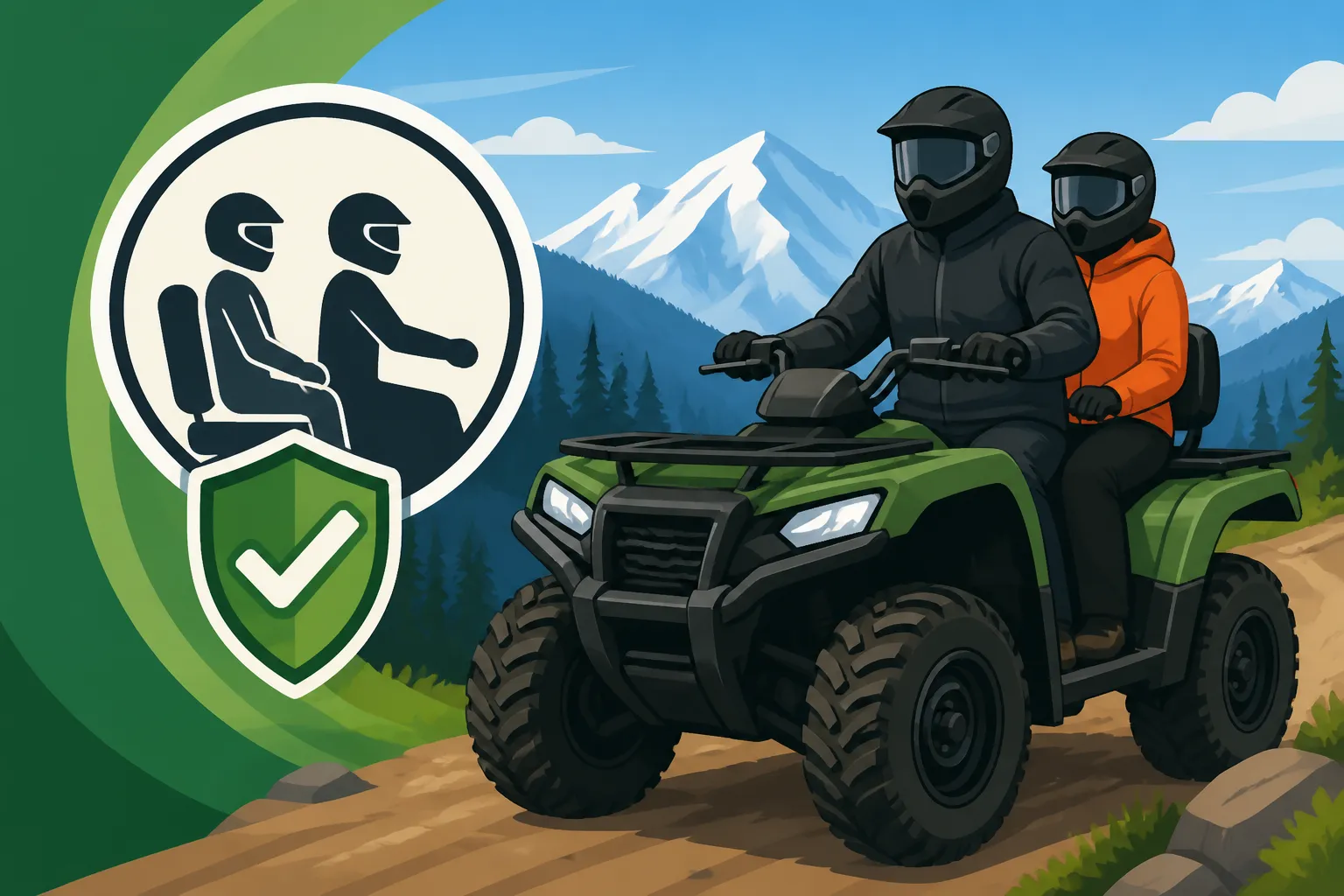
Thankfully, the market has evolved to meet the desire for shared adventures, giving us "two-up" ATVs and Utility Terrain Vehicles (UTVs), commonly known as side-by-sides. These machines are the heroes of group riding. A "two-up" quad is an ATV specifically designed by the manufacturer with an extended frame and seat, along with dedicated passenger footrests and handholds, making it safe and legal for two riders. [Riding Two Up on a Single-Seat Quad in Alaska] clarifies why a standard quad isn't suitable.
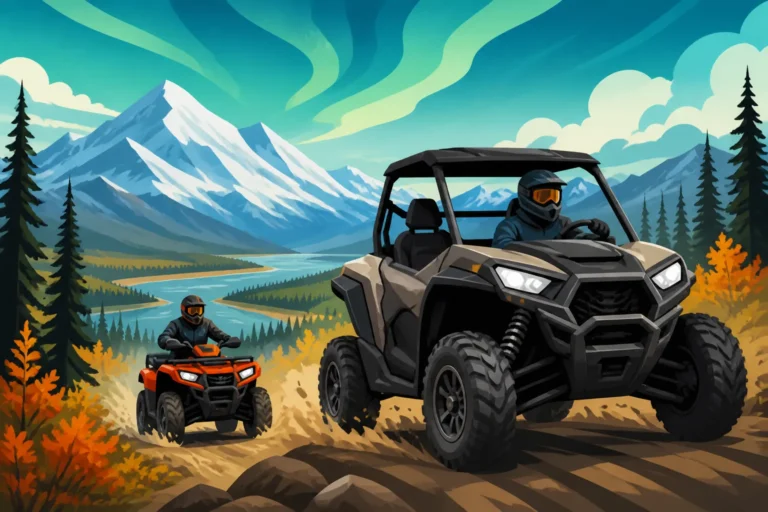
Side-by-sides take this even further, offering bench or bucket seating, seatbelts, roll cages, and steering wheels, much like a small off-road car. These are explicitly built for multiple occupants, often two, four, or even six people. When you purchase one of these machines, its manufacturer specifications will clearly state its seating capacity. Always defer to these specifications. This design intent is what Alaska's law respects when it comes to carrying passengers. They provide the necessary safety infrastructure, from proper ergonomics to protection, ensuring that your friends and family can truly enjoy the ride with you, as long as you're following all the other rules. These machines are a fantastic way to introduce new riders to the trails in a controlled and comfortable environment.
Age, Helmets, and Safe Practices for Quad Passengers
Beyond the machine itself, passenger safety is paramount, and Alaska has specific regulations, especially concerning younger riders. Ignoring these isn't just risky; it's illegal. Safety isn't an option; it's a requirement for a good time.
Alaska's Helmet Law for Young Riders and Passengers
When it comes to helmets, Alaska doesn't mess around, particularly for kids. State law mandates that any person under the age of 16, whether they are operating an APV or riding as a passenger, must wear an approved helmet. This isn't just a recommendation; it's a legal requirement. The helmet must meet the standards set by the Consumer Product Safety Commission (CPSC) to ensure it offers adequate protection. [Alaska Helmet Law for Riders Under 16] goes into more detail on this, and [Alaska Passenger Helmet Rules] directly addresses passengers.
Even if you, as an adult operator, choose not to wear a helmet (which, for the record, is a personal choice for adults over 16 but always a less safe one), any child riding with you absolutely must have one securely fastened. This law is designed to protect the most vulnerable riders from head injuries, which can be devastating. As an operator, you are responsible for ensuring your young passengers are properly equipped before the wheels even turn. We all want our kids to enjoy the Alaskan outdoors, but their safety should always be the top priority, and a CPSC-approved helmet is non-negotiable for them. [What the CPSC Helmet Standard Actually Requires] explains what to look for.
The Unspoken Age and Maturity Factor for Passengers
While Alaska law specifically sets helmet requirements for passengers under 16, there isn't a strict statewide minimum age for a child to ride as a passenger on a machine designed for it. However, this absence of a hard age limit doesn't give us a pass on common sense. It falls squarely on the shoulders of the operator to assess a child's maturity, physical capability, and ability to follow instructions before allowing them to be a passenger. [Alaska Rules for a Child Passenger] offers further guidance.
Can a five-year-old safely hold on for a bumpy, hour-long trail ride? Probably not. Can a ten-year-old sit still, keep their feet on the rests, and listen to warnings? Possibly. Every child is different, but you must consider their size, strength, balance, and attention span. A child who can't hold themselves steady, keep their feet properly placed, or maintain focus could easily be injured or distract the operator, creating a dangerous situation. Think about the terrain you'll be covering – a gentle gravel road is vastly different from a technical, rocky climb or a deep river crossing. Always err on the side of caution and remember that you, the adult, are responsible for their well-being.
Positioning and Safety Gear Beyond Helmets
Proper positioning and additional safety gear are crucial for passengers, especially when tackling Alaska's diverse and often challenging terrain. On a two-up ATV, passengers should sit behind the operator, holding onto the designated handholds or the operator's waist, keeping their feet firmly on the passenger footrests. They should lean with the operator, anticipating turns and bumps, rather than trying to counteract the machine's movements. This cooperative riding style is essential for maintaining balance and control. For side-by-sides, passengers must remain seated with their seatbelts fastened at all times, keeping their arms and legs inside the vehicle.
Beyond helmets, eye protection is non-negotiable for all passengers to guard against dust, mud, branches, and insects. Sturdy gloves can help maintain a grip and protect hands from abrasions. Appropriate clothing, including long sleeves and pants, offers protection from scrapes and the elements, which can change rapidly in Alaska. Layering is key! Strong, over-the-ankle boots are also vital for foot protection and stability. Sometimes, aftermarket accessories can enhance passenger comfort and safety; for instance, some SuperATV products might include enhanced grab handles or more secure footrest options for specific UTV models, which could be a worthwhile investment for frequent passenger use. Always consult your owner's manual for machine-specific recommendations and [Alaska OHV Equipment Requirements] for general safety gear.
Legal Repercussions and Community Rules for Passengers
Understanding the "why" behind the rules is just as important as knowing the rules themselves. There are real consequences for ignoring Alaska's APV passenger laws, not just in fines but also in liability. Furthermore, state laws are often augmented by local ordinances, adding another layer to consider.
Penalties for Unsafe Passenger Transport
The thrill of a joyride can quickly turn into a headache if you’re caught carrying an illegal passenger. While specific citation amounts can vary, carrying a passenger on a single-seat ATV is a violation of Alaska's APV regulations. You could face a citation and a fine, which is never a fun way to end a day on the trails. Beyond the immediate financial penalty, the legal and financial ramifications can escalate dramatically if an accident occurs.
If an accident happens while you are carrying an unauthorized passenger, you could be held liable for any injuries sustained by that passenger. Your insurance policy might even deny coverage, arguing that the machine was being used outside its intended parameters or in an unsafe manner. This could leave you personally responsible for substantial medical bills, property damage, and legal fees. [Alaska Accident Reporting for an ATV Crash] explains the process if things go wrong. It’s a sobering thought, but one that underscores the importance of adhering to the rules. A few minutes of extra fun with an illegal passenger is simply not worth the potential lifetime of financial and emotional burden.
Local Ordinances and Land Use Rules
While Alaska's state laws provide a foundation for APV operation, it’s critical to remember that local municipalities and land management agencies can, and often do, implement their own specific rules. This means that what might be permissible in one area of the state could be prohibited in another. For example, some boroughs or cities might have stricter rules regarding the age of child passengers, or they might restrict APV access entirely on certain trails or roads where passengers might otherwise be allowed. [Alaska Municipal ATV Ordinances] highlights this complexity.
Before heading out, especially to a new riding area, it's always a good practice to check for any local ordinances or specific land use rules. Public use areas managed by the state or federal government may have their own posted regulations. Even private land, if you have permission to ride, might have stipulations about how many people can be on a machine or what safety gear is required. A quick call to the local borough office, a visit to the land manager's website, or checking signs at the trailhead can save you a lot of trouble and ensure your adventure stays on the right side of the law. Don't assume that because it's Alaska, anything goes; responsible riding includes being informed about specific location rules.
Insurance and Liability Considerations
Understanding your insurance policy is just as crucial as knowing the state laws, particularly when passengers are involved. Most APV insurance policies are designed to cover the vehicle and, to some extent, the operator and authorized passengers. However, if you're operating a single-seat ATV with an unauthorized passenger, or if an accident occurs because of unsafe passenger practices (like a child not wearing a helmet), your policy might have clauses that could void your coverage.
It's a conversation worth having with your insurance provider. Ask them directly about coverage for passengers on your specific machine, and clarify any age restrictions or helmet requirements they might impose as conditions for coverage. Having adequate liability insurance is incredibly important, especially in a state like Alaska where medical transport and care can be costly and remote. Don't wait until after an incident to discover you're not covered. A few minutes on the phone with your agent can provide immense peace of mind and ensure that you, your machine, and your passengers are protected. [Alaska Insurance Requirements for an APV] is a must-read for all riders.
Here's a quick comparison to help you visualize the differences:
| Machine Type | Passenger Legal? | Safety Features for Passengers | Common Misconceptions |
|---|---|---|---|
| Single-Seat ATV | No (Generally Illegal) | None (designed for one) | "Long seat means two people fit." |
| "It's just a short ride, it's fine." | |||
| Two-Up ATV | Yes | Extended seat, handholds, footrests | "It's the same as a single-seat, just longer." |
| "My regular ATV can be modified to be a two-up." | |||
| Side-by-Side (UTV) | Yes | Bucket/bench seats, seatbelts, roll cage, dedicated handholds, footwells | "Seatbelts aren't necessary off-road." |
| "Kids can ride in the cargo bed." (Illegal and highly dangerous!) |
Disclaimer
This article is for general informational purposes only and does not constitute professional advice. Laws, prices and regulations vary by location and change over time. Consult a qualified professional for guidance on your specific situation.