Why the Helmet Law Covers a Towed Sled
It might come as a bit of a surprise, especially if you’re new to the backcountry or just getting into the swing of riding an all-purpose vehicle (APV) here in Alaska, but the helmet law extends beyond just the driver and passenger directly on the machine. Many folks are caught off guard to learn that if you're towing a sled with people in it, those passengers often need helmets too. This guide aims to clear up that confusion, diving deep into why this rule exists, what it means for your family outings or necessary village travel, and how to stay safe and compliant on Alaska's diverse terrain.
Understanding Alaska's APV Helmet Law Beyond the Driver
When most of us think about helmet laws for ATVs and UTVs, our minds immediately go to the person gripping the handlebars or the passenger right behind them. However, Alaska's law is crafted to provide a broader safety net, especially for younger riders who might be more vulnerable in any riding scenario. It's not just about what part of the machine you're on, but whether you're actively participating in the ride as an occupant of a towed device. This broader interpretation reflects the reality of how many Alaskans use their machines – not just for thrill rides, but for practical transportation, hunting access, and getting around remote areas, often with multiple family members in tow.
Who the Law Protects on an APV
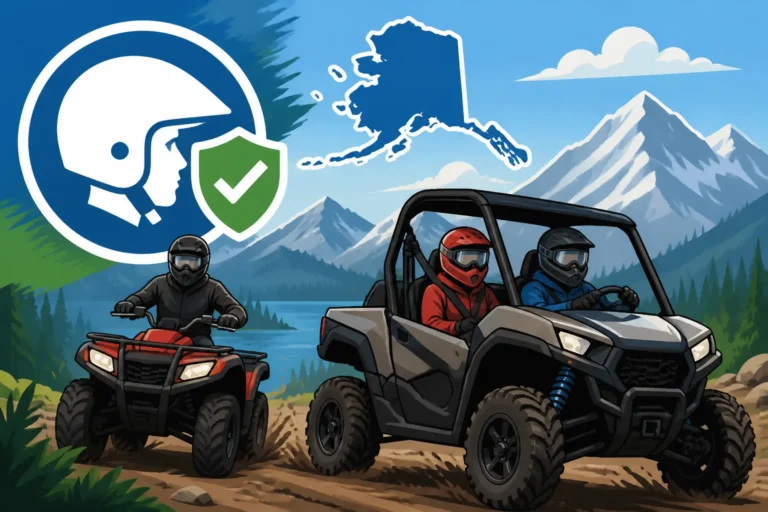
The primary intent of Alaska's helmet law for APVs is clear: to protect young riders. Specifically, it states that operators and passengers under the age of 16 must wear an approved helmet. This isn't just a suggestion; it's a critical safety measure designed to minimize serious head injuries in the event of an accident. Think about how many children ride with their parents, whether it's a short jaunt down a trail to a fishing spot or a longer trip to a remote cabin. These young riders are often less experienced, have slower reaction times, and are more susceptible to severe injury. The law casts a wide net to cover any situation where a child might be considered a passenger, regardless of whether they're sitting directly on the machine's seat or riding in a device being pulled by it. It’s about ensuring that critical protection is there when it's most needed. This core principle, protecting the vulnerable, is the bedrock of why the law extends further than many initially expect.
The Definition of an "All-Purpose Vehicle" and its Passengers
To understand why a towed sled is covered, we need to look at how Alaska defines an "all-purpose vehicle" and, crucially, who qualifies as a "passenger." An APV, under Alaska law, generally encompasses a range of off-highway vehicles, including ATVs, UTVs (or side-by-sides), and even some off-road motorcycles, that are designed for use off paved surfaces. For a deeper dive into what constitutes an APV in Alaska, you might find our article [Alaska APV Class Explained] helpful. What becomes critical here is the definition of a passenger. The law isn't narrowly focused on just those seated on the APV itself. Instead, it often considers anyone "riding on or in" the APV or any device towed by the APV as a passenger. This broad wording is intentional, designed to encompass the various ways Alaskans utilize their machines for transport. Whether a child is in the main seat, a back cargo seat, or a towed sled, they are considered an occupant of the vehicle system, and thus, the helmet requirements apply. This is where the surprise often sets in for riders who may have thought a helmet was only necessary for direct contact with the machine itself.
The Rationale: Why Towed Sleds Aren't Exempt
At first glance, it might seem counterintuitive to require a helmet for someone in a sled being pulled by an ATV or UTV. After all, they’re not on the actual machine, right? But once you start to consider the dynamics of riding off-road, especially with a towed attachment, the reasoning becomes incredibly clear. Safety isn't just about direct impact; it's about the entire environment of the ride. A towed sled, while offering a different kind of experience, still exposes its occupants to significant risks that necessitate head protection, especially for those under the age limit.
The Dangers of Being a Passenger in a Towed Sled
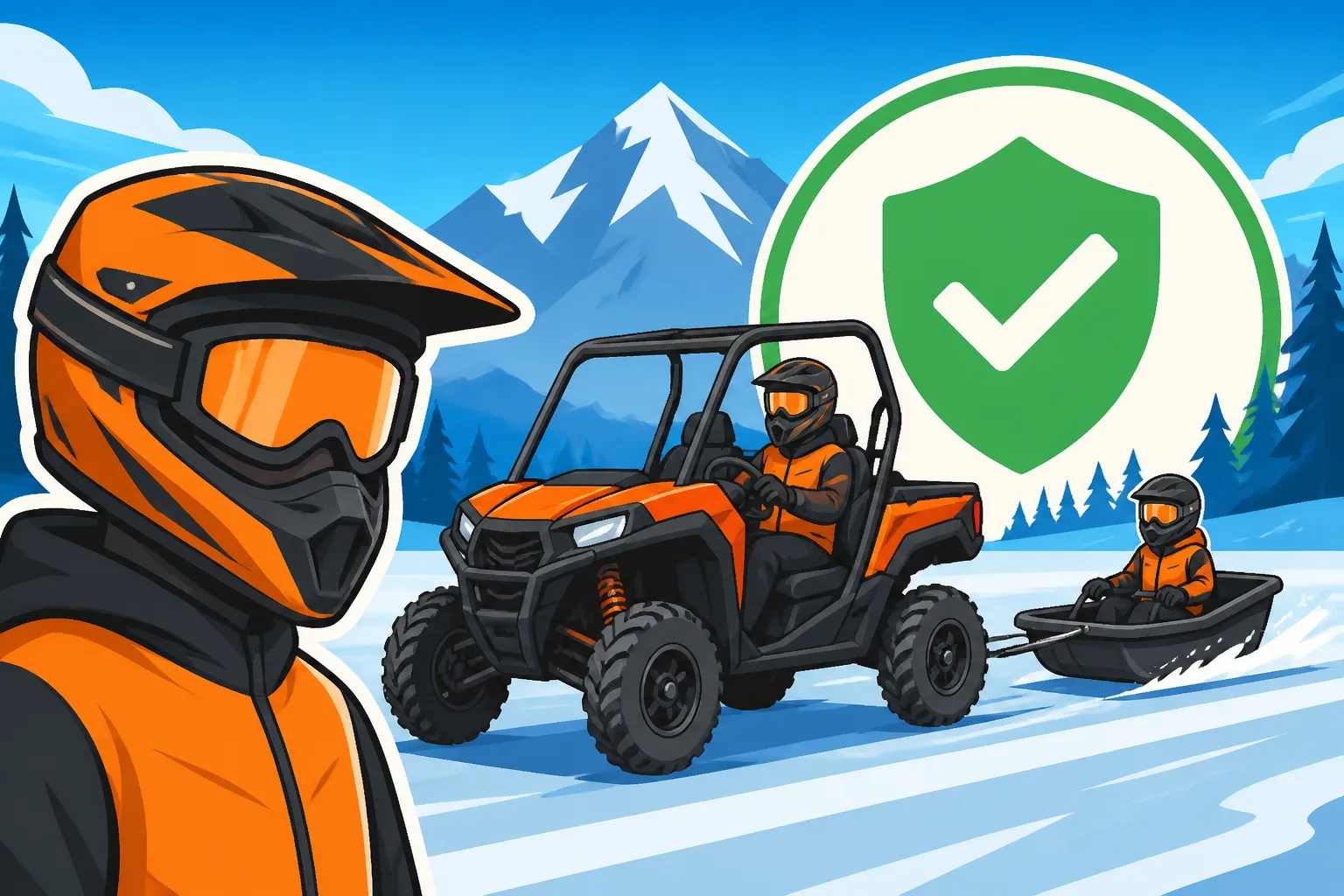
While a towed sled might feel more secure than being perched on the back of an ATV, it comes with its own set of dangers, making head protection just as vital. Imagine navigating a bumpy trail, crossing a frozen river with sastrugi, or tackling a snow-covered rise. A towed sled can easily tip, flip, or swerve unexpectedly, especially on uneven terrain, during sharp turns, or if the APV driver has to brake suddenly. Passengers, particularly children, could be ejected or suffer impacts against the sled itself, the ground, or even other objects along the trail. The risk of collision with trees, rocks, or other trailside hazards remains significant, even for someone in a towed container. Furthermore, consider the potential for objects or debris, like flying ice, rocks, or branches, to be kicked up by the APV's tires or to strike the sled. Without a helmet, a child's head is completely exposed to these impacts. Protecting children is paramount, and these very real risks underscore why the law mandates helmets even for those in towed sleds. Our article [Children Riding in a Towed Sled] offers more insights into safe practices.
Legal Interpretation: "Operating or Riding On or In" an APV
The crux of why Alaska's helmet law covers towed sleds lies in the specific language of the statute itself. The law typically doesn't just refer to riding on an APV, but often includes "riding on or in an APV." Critically, it then extends this definition to any device that is "being towed by the APV and in which a person is riding." This broad wording is deliberate. Lawmakers recognized that Alaskans use their APVs in incredibly versatile ways, including towing cargo sleds or passenger sleds. By explicitly including anyone riding in a towed device, the law ensures consistent safety standards across all modes of APV transport where passengers are involved. It eliminates any loopholes that might otherwise expose passengers, especially those under 16, to unnecessary risk. So, whether your child is sitting on the back rack of a quad (not recommended for passengers unless designed for it) or nestled in a pulk behind your snowmachine or UTV, if they're under 16, the law requires them to wear an approved helmet. This interpretation ensures that the spirit of the law – protecting young heads – is consistently applied throughout the entire "train" of an APV and its attachments when people are occupying them.
Practical Implications for Alaska Riders with Towed Sleds
Knowing why the law exists is one thing, but understanding the practical implications for your everyday riding in Alaska is another. It's about ensuring you're compliant, but more importantly, that you're prioritizing the safety of everyone enjoying the ride with you, especially the young ones. This rule can affect everything from a quick trip down the village street to a multi-day trapline expedition, and being prepared means having the right gear and knowledge.
Ensuring Compliance: What Gear You Need and Who Wears It
Staying compliant with Alaska's helmet law when towing a sled involves a few straightforward steps. First, ensure that every passenger under the age of 16, whether they are on the APV itself or in a towed sled, has an appropriate helmet. This isn't just any helmet; it needs to be one that meets recognized safety standards, such as those set by the Consumer Product Safety Commission (CPSC) or Snell. For more details on what to look for, check out [What the CPSC Helmet Standard Actually Requires]. These aren't flimsy bicycle helmets; they're designed to withstand the types of impacts common in off-road riding. You'll want to make sure the helmet fits snugly, is fastened correctly, and is in good condition.
Remember, a helmet that's too loose or damaged won't offer the protection it's supposed to. If you’re ever stopped by a trooper or game warden, they’ll be looking for this compliance. Failing to comply can result in fines. The initial fine for a first offense might be manageable, but repeat violations can escalate. You can learn more about the consequences in our piece on [Alaska Second Offense Helmet Fines]. It’s much easier, and safer, to just make sure everyone has their head protected from the start. Brands like SuperATV offer a range of accessories that, while not directly helmets, can enhance overall safety for your towed setup, like rugged cargo boxes that might complement safe sled towing (though the sled itself must be designed for passenger transport).
Scenarios: Village Travel, Trapline Runs, and Recreational Outings
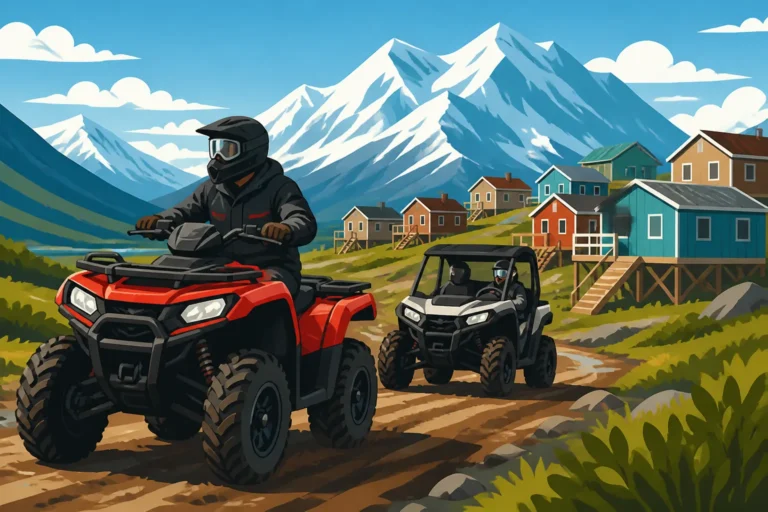
This specific helmet rule comes into play in a variety of real-world scenarios across Alaska. Consider village travel: in many rural communities, APVs are the primary mode of transportation. It's common to see families heading to the store, visiting neighbors, or traveling between villages with children in towed sleds. On these [Alaska Rules for Riding a Village Street], the helmet law for those under 16 still applies. It's not just for remote wilderness trails; it’s for any public access where APVs operate.
Then there are trapline runs and hunting excursions. When heading into the bush, it's not unusual for multiple family members to travel together, often with younger individuals assisting. If a child under 16 is riding in a gear sled or specifically designed passenger sled being pulled, they need a helmet. Similarly, for recreational outings, perhaps a day trip to a fishing hole or a scenic overlook, if your kids are enjoying the ride from a towed sled, their helmets are a must. There's no exception based on the 'purpose' of the ride – if a child is a passenger in a towed device, they need that head protection.
Beyond Helmets: Other Safety Considerations for Towed Sleds
While helmets are critical, safe towing involves more than just head protection. When you’re pulling a sled with passengers, especially children, there are several other factors to consider to ensure everyone’s safety.
- Proper Hitching: Make sure the sled is securely attached to your APV with a sturdy, appropriate hitch. Loose or makeshift connections can lead to dangerous detachments or erratic sled behavior.
- Weight Distribution and Load Limits: Don't overload the sled. Distribute weight evenly to maintain stability and avoid tipping, especially on turns or uneven terrain. Know the weight limits of both your sled and your APV’s towing capacity.
- Visibility: Ensure the sled and its occupants are visible, particularly if you’re riding in low light, adverse weather, or near other traffic (where permitted). Adding reflectors or even a small flag to the sled can significantly increase its visibility to others.
- Communication: Establish clear communication signals between the APV driver and the sled occupants, especially if the sled is far behind or out of direct sight. Hand signals or a simple two-way radio system can be invaluable.
- Speed and Terrain: Adjust your speed to suit the terrain and conditions, always remembering that you have a towed load. Take turns wider and brake more gently than you would when riding solo. Avoid excessively steep slopes or unstable ground.
- Emergency Supplies: When heading into the backcountry with passengers, always pack extra emergency supplies. This includes a first-aid kit, extra clothing, emergency shelter, and communication devices like a satellite messenger, especially since cell service is often nonexistent off the road system.
- Sled Design: Use sleds specifically designed for carrying passengers, if possible, rather than just cargo sleds. These often have higher sides, seats, and sometimes even harnesses for added security. SuperATV, for instance, has accessories that can bolster the resilience and functionality of your APV, making it better equipped for challenging conditions, but always ensure any towed passenger setup is safe and appropriate for human occupants.
Considering all these elements in addition to helmets ensures a much safer and more enjoyable experience for everyone on your Alaska APV adventures. It's about a holistic approach to safety, acknowledging the unique challenges of our Alaskan environment and the responsibilities we have as riders.
Disclaimer
This article is for general informational purposes only and does not constitute professional advice. Laws, prices and regulations vary by location and change over time. Consult a qualified professional for guidance on your specific situation.