Logging Roads and Alaska Riders
It can be incredibly frustrating to see a tempting network of gravel and dirt roads winding off into the Alaska wilderness, only to be unsure if you're actually allowed to ride your ATV or UTV on them. Many folks assume that if a road isn't paved, it's fair game for their off-highway vehicle, but logging roads in Alaska often come with a complex patchwork of ownership and access rules that can quickly turn an exciting day of riding into a legal headache. This guide will help you understand the ins and outs of navigating Alaska's logging roads, ensuring your rides are both thrilling and legal.
Understanding Logging Roads in Alaska: More Than Just Dirt Tracks
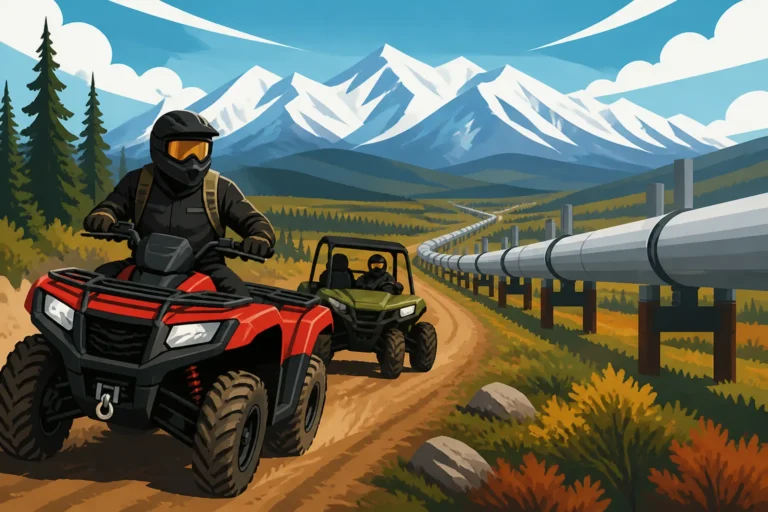
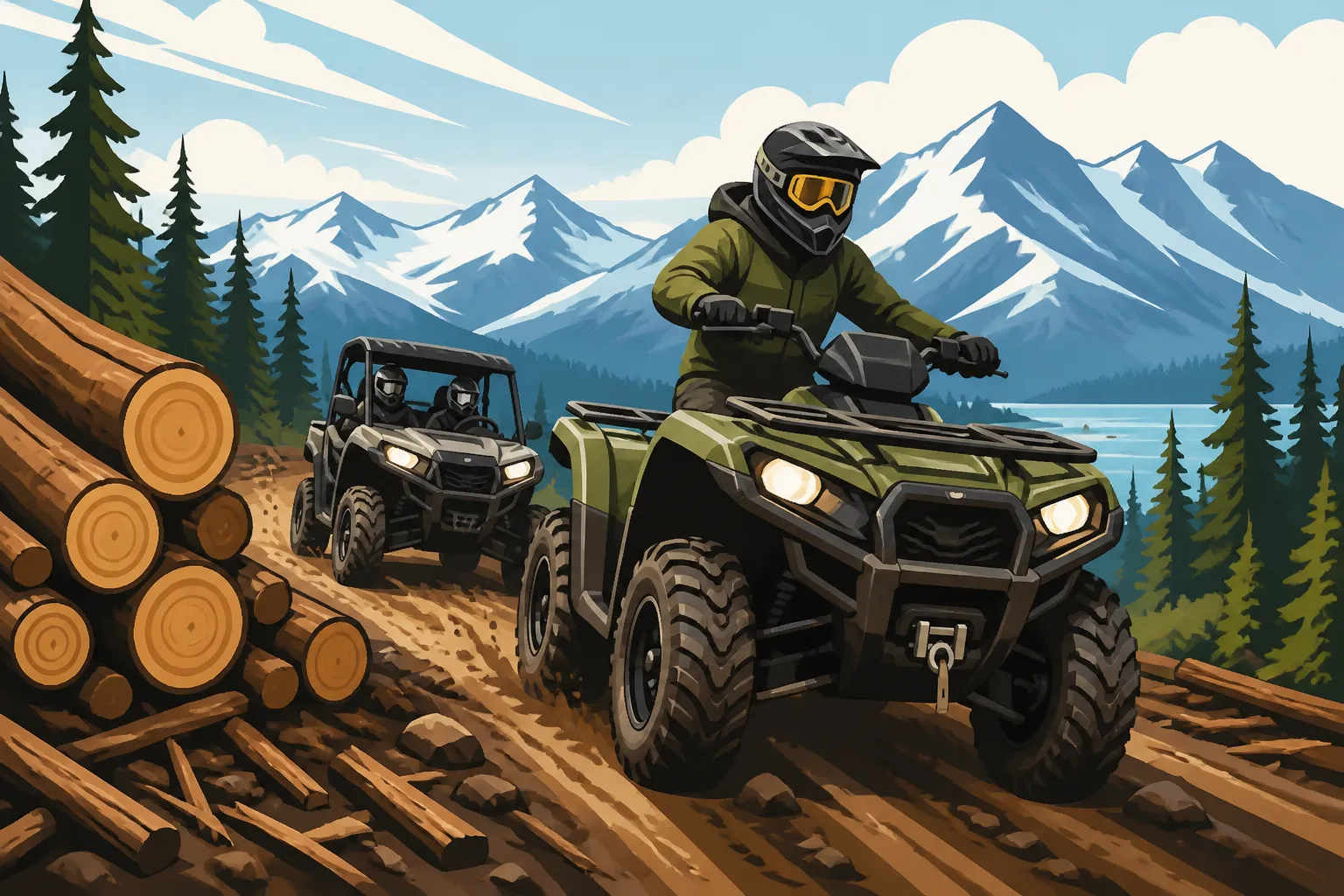
When we talk about "logging roads" in Alaska, we're not just referring to any old unpaved path. These are purpose-built infrastructure, designed and maintained for the very specific and heavy-duty task of transporting timber from remote forests to mills or shipping points. They range from well-graded gravel thoroughfares capable of handling massive logging trucks to rough, single-lane tracks that might be barely passable for a pickup, let alone a recreational ATV. The key difference between these and, say, a recreational trail is their primary function – they are industrial arteries, not necessarily public access routes.
The confusion for many ATV and UTV riders stems from their appearance. They often look like perfect places to explore, offering access to beautiful, remote areas that might otherwise be unreachable. However, beneath that inviting gravel surface lies a complex web of land ownership and operational regulations that riders absolutely must understand before venturing out. Ignoring these can lead to trespass, fines, or even dangerous encounters with active logging operations.
Who Owns These Roads? State, Federal, Private, and Native Corporations
One of the biggest hurdles to understanding logging road access in Alaska is the sheer diversity of land ownership. Unlike a tidy, uniform road system, logging roads can traverse land owned by several different entities, each with its own set of rules.
First, you have state land. The Alaska Department of Natural Resources (DNR) manages vast tracts of forest and timber resources. Logging roads on state land are often built and maintained by the state or by private timber companies operating under state contracts. While some state lands are generally open for recreational use under the statewide [Alaska's Statewide General Permit for ATV Use], specific logging roads within those areas might have temporary or permanent restrictions due to active operations or sensitive environmental concerns.
Then there are federal lands, primarily managed by the U.S. Forest Service in areas like the Tongass and Chugach National Forests. These forests have extensive logging road networks. Access rules here are governed by federal regulations, which can be quite different from state laws. Sometimes, federal lands require specific permits for vehicle use or have designated ATV trails, with logging roads being entirely off-limits or restricted to certain times of the year. It's crucial not to assume that general federal land access applies to these specific industrial roads.
Perhaps the most complex are roads on private lands and Alaska Native Corporation lands. Private timber companies own some forest lands outright, and their roads are unequivocally private property. Access, if granted at all, is usually by explicit permission only. Similarly, Alaska Native Corporations, formed under the Alaska Native Claims Settlement Act (ANCSA), manage significant land holdings, many of which contain active logging operations. These corporations often have their own specific permitting processes and fees for accessing their lands, even for non-logging purposes. You cannot assume public access to these lands; trespass on Native Corporation land is a serious matter. Understanding [Alaska Native Corporation Land Permissions] is vital.
It's common to find a single logging road that crosses through a mosaic of these different ownership types. What might be legal on one segment could be strictly forbidden on the next, making advance research absolutely critical.
Why Access Varies So Much: Active Operations, Environmental, and Safety
The reasons for varying access rules on logging roads are multilayered, stemming from practical, environmental, and safety considerations. These aren't arbitrary rules; they exist to protect both people and the environment, and to ensure the efficiency of the logging industry.
Active Logging Operations are perhaps the most immediate and significant reason for restrictions. Imagine riding your ATV around a blind corner only to come face-to-face with a massive logging truck hurtling down the road, or encountering heavy machinery felling trees. This isn't just dangerous; it's potentially catastrophic. Logging trucks are enormous, often overloaded, and have long stopping distances. They also generally have the right-of-way on these industrial roads, and drivers are focused on their job, not necessarily on recreational riders. For your own safety, active logging areas are almost always restricted. These restrictions might be seasonal, weekday-only, or full-time depending on the scale and duration of the operation.
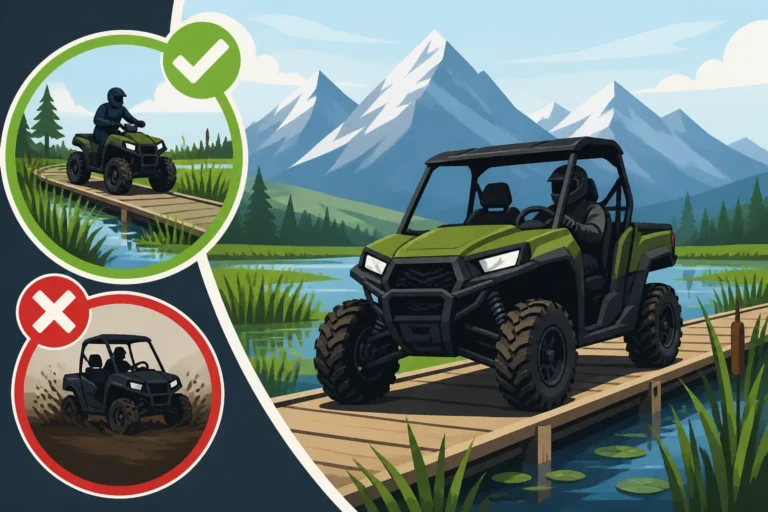
Environmental Concerns also play a large role. Logging areas often involve sensitive ecosystems, stream crossings, and areas susceptible to erosion. Unregulated ATV and UTV use can exacerbate these issues, damaging fragile habitats, increasing sediment in salmon streams, or disturbing wildlife. Land managers (whether state, federal, or private) implement closures or restrictions to protect these resources, especially during certain times of the year, like spring breakup when roads are soft and vulnerable to damage, or during fish spawning seasons near critical waterways. [Alaska Wetland Travel Restrictions Explained] often come into play on these types of roads.
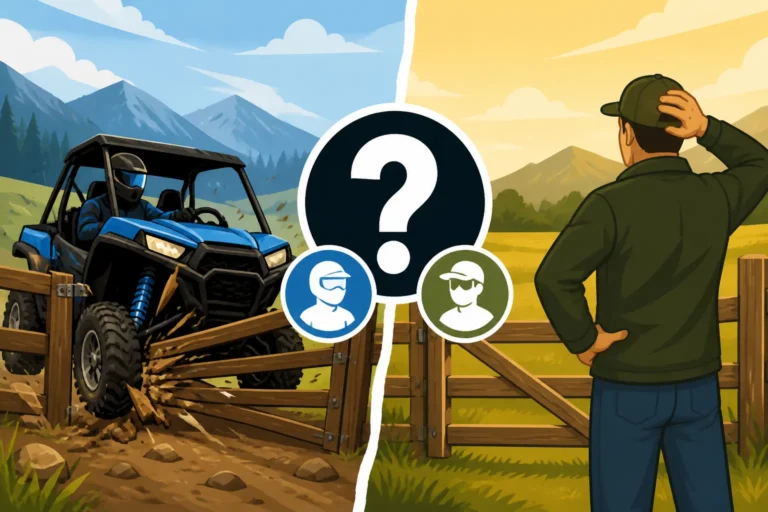
Finally, Public Safety and Infrastructure Protection are always at the forefront. Logging roads are expensive to build and maintain. Uncontrolled recreational use, especially by heavy UTVs, can accelerate road degradation, create potholes, or damage culverts, increasing maintenance costs for the landowners. Sometimes, gates are installed not just to block access but to protect the road surface itself from unauthorized use during wet periods. Additionally, there may be hidden hazards like unstable slopes, deep ruts, or sharp debris that make them unsafe for recreational vehicles without proper oversight.
Navigating the Legalities of ATV and UTV Use on Logging Roads
Given the complexity, how does an Alaska rider figure out what's allowed? The key is proactive research and a healthy respect for property rights and safety. There isn't a one-size-fits-all answer for "can I ride my ATV on this logging road?" Instead, it requires asking the right questions and checking the right sources for each specific area you plan to visit.
Many riders mistakenly assume that because a road is open to a pickup truck, it's also open to an ATV. This is often not the case, especially on private or actively managed industrial roads. A truck may be authorized for specific work, while a recreational ATV is not. Always verify the rules before you load up and head out.
When Are They Open to Riders? Permits, Posted Signs, Seasonal Access
Determining when a logging road is open to ATV and UTV riders often comes down to a few critical factors:
Permits: For many private or Native Corporation logging roads, a specific permit is required. This isn't just a formality; it's a way for landowners to track who is on their property, ensure they understand the rules, and sometimes collect a fee for the privilege of access. These permits might be obtained annually or for a specific trip. Don't assume you can just show up and get one on the spot; plan ahead. [Alaska Native Corporation Land Permits] details this further.
Posted Signs: Always, always, always pay attention to signs. "No Trespassing," "Private Road," "Active Logging Area," "Road Closed," or "Authorized Vehicles Only" signs mean exactly what they say. Ignoring these is a direct invitation for a citation, or worse, a dangerous encounter. Conversely, some landowners might post signs indicating public access, sometimes with specific hours or conditions for ATV use. If there are no signs, it doesn't automatically mean open access; it just means you need to do more research.
Seasonal Access: Many logging roads, particularly those on state or federal land, have seasonal restrictions. During spring breakup (usually April-May), the ground thaws, making roads extremely soft and prone to damage. Most landowners will close these roads to all but essential traffic to prevent irreparable damage and costly repairs. Similarly, certain areas might be closed during hunting seasons to prevent conflicts or during specific wildlife migrations. In winter, some logging roads might be groomed for snowmachine use and closed to wheeled vehicles, or they might be completely impassable. Check the [Alaska Riding Seasons and Breakup] to understand these patterns.
Alaska's General Permit and Other Landowner Permissions
Alaska has a statewide General Permit for the Use of Off-Highway Vehicles (OHVs) on State Lands, managed by the Department of Natural Resources (DNR). This permit generally allows OHV use on unencumbered state land, which includes many logging roads that are no longer actively used for commercial timber harvesting. It's a fantastic resource for riders and covers a lot of ground. However, it's critical to understand its limitations:
- It does NOT cover federal lands, private lands, or Native Corporation lands. For these, you must seek permission directly from the managing entity.
- It does NOT cover state parks or other legislatively designated state areas that have their own specific regulations. For example, a logging road within a state park might have different rules.
- It does NOT override temporary closures or specific restrictions put in place by DNR or its timber partners due to active operations, environmental concerns, or public safety issues.
So, while the General Permit is a great starting point, it's never the final word on logging road access. You still need to cross-reference with specific land managers. To figure out who owns the land a particular road crosses, you'll need to use tools like [Alaska Land Status Maps] or [Alaska Land Ownership Lookups]. These resources can point you to the correct agency or corporation to contact for detailed access information. Don't be afraid to call the local DNR office, Forest Service ranger station, or Native Corporation land department. They are the ultimate authority on their respective lands.
| Land Type | General Access Rule | How to Confirm Access |
|---|---|---|
| State Land | Covered by Alaska's General OHV Permit (with exceptions) | Check DNR website, local DNR office, posted signs |
| Federal Land | Generally restricted; specific rules for each forest/refuge | Contact U.S. Forest Service or BLM office |
| Private Land | No Trespassing; explicit permission required | Contact landowner directly; assume closed unless stated |
| Native Corp. Land | No Trespassing; often requires purchase of a permit | Contact specific Native Corporation land department |
Essential Gear and Safety Considerations for Logging Road Riding
Riding logging roads isn't like cruising a manicured trail. These are industrial pathways, often rough, unpredictable, and sometimes shared with heavy equipment. Proper preparation, both for your machine and yourself, is paramount for a safe and enjoyable trip. Never underestimate the Alaskan backcountry, even on a road.
One crucial safety aspect that often goes overlooked on these types of roads is the sheer remoteness. Cell service is often non-existent once you leave the main highway. Carrying a satellite messenger or a satellite phone is highly recommended, especially if you're venturing far from civilization. Make sure someone knows your route and expected return time.
Equipping Your Machine for Rough Logging Terrain
Your ATV or UTV needs to be up to the challenge of logging roads. These aren't always smooth gravel; they can feature deep potholes, sharp rocks, ruts from heavy trucks, and unexpected washouts.
- Tires: Invest in durable, aggressive tires that can withstand punctures from sharp logging debris and provide good traction on loose gravel, mud, or even icy patches. Standard trail tires might not be robust enough.
- Suspension and Clearance: A good suspension system is crucial for comfort and control over rough terrain. If your machine is low-slung, consider aftermarket lift kits to increase ground clearance and protect your undercarriage from rocks and stumps. Brands like SuperATV offer a range of suspension and lift kit options that can significantly improve your machine's capability on these challenging roads. Skid plates are also a wise investment to shield vital components.
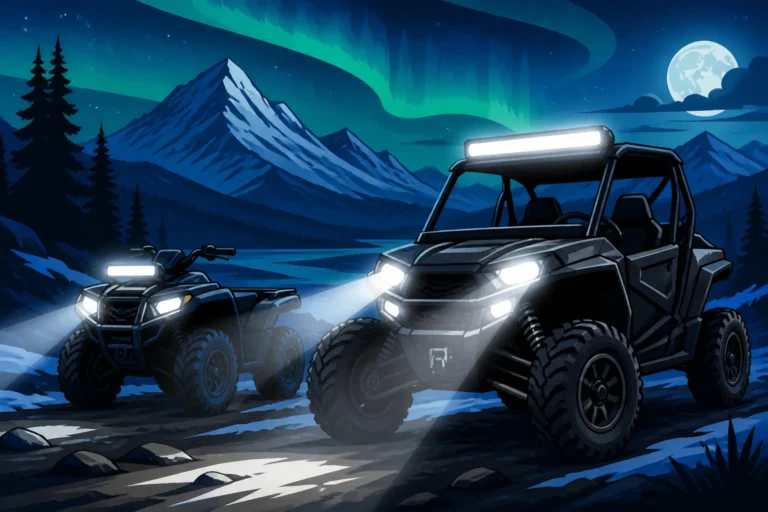
- Lighting: While logging roads might be industrial, they are often covered by general [Alaska OHV Equipment Requirements] for public land. Ensure you have functioning headlights and taillights, especially if you might be riding near dusk or dawn. Auxiliary lighting can greatly improve visibility in dusty conditions or dense tree cover.
- Winch: A winch is practically a necessity. Getting stuck in mud or deep ruts on a remote logging road can be a serious problem if you're alone.
- Fuel and Spares: Always carry extra fuel. Logging roads can add significant mileage to your trip, and fuel stations are few and far between. Bring a basic toolkit, tire repair kit, and any spare parts (like belts) that you know are prone to failure on your specific machine.
Beyond the machine itself, always pack appropriate survival gear for Alaska's unpredictable weather, including warm layers, rain gear, fire starters, and emergency food. [Carrying a Firearm on a Machine in Alaska] is also a common practice for personal safety against wildlife.
Sharing the Road Safely with Commercial Traffic
This is arguably the most critical safety consideration. Logging roads are working roads, and logging trucks have priority. These aren't your typical highway drivers; they are often moving at speed, carrying heavy loads, and may not expect recreational vehicles.
- Assume they are always coming: Even if a road seems quiet, always assume a logging truck or other heavy machinery could be just around the next blind corner. Drive defensively and be prepared to stop or pull over quickly.
- Visibility is key: Make yourself as visible as possible. Wear bright clothing. Consider adding flags or additional reflective tape to your machine. Always have your headlights on, even during the day.
- Yield to commercial traffic: If you see a logging truck, pull over as far as possible, ideally off the road entirely, and wait for it to pass. Give them plenty of room. Remember, they have limited maneuverability and stopping power.
- Dust management: Logging trucks kick up enormous amounts of dust in dry conditions, which can severely reduce visibility for everyone. If you're following a truck, maintain a significant distance. If you're encountering one, be aware that you might be momentarily blinded.
- Radio communication: Some logging roads operate on a radio call system where drivers announce their location on specific FRS/GMRS channels. If you have a radio, it's worth tuning in and listening, or even making calls if you know the system. This can give you advance warning of oncoming traffic.
- Heed warnings: If you encounter signs warning of active logging, or see logging equipment, turn around. Your safety is not worth the risk.
How to Research Access Before You Ride
The effort you put into research before your wheels hit the gravel can save you a lot of trouble later. Think of it as an essential part of your trip planning, just like packing your gear or fueling up your machine. It’s not just about avoiding a ticket; it’s about respecting landowners, ensuring your safety, and preserving access for all responsible riders. [Alaska Rules Riders Get Wrong] often center around these access issues.
Many parts of Alaska are remote, and once you're out there, getting answers can be impossible. Do your homework at home, where you have internet access and phone service. This pre-trip planning will become second nature as you become a more experienced Alaska rider.
Resources for Checking Land Status and Road Closures
Knowing the land ownership is the first and most critical step. Here are some resources to help you:
- Alaska Land Ownership Maps: The Alaska DNR provides online interactive maps and downloadable PDFs that clearly delineate state, federal, private, and Native Corporation lands. Search for "Alaska DNR Land Ownership Map" to find these. These maps are invaluable for understanding the patchwork of ownership.
- U.S. Forest Service Maps: For federal lands, specifically the Tongass and Chugach National Forests, consult the U.S. Forest Service. Their websites often have maps indicating logging road status, closures, and designated ATV trails. Call the local Ranger District office for the most current information.
- Alaska Native Corporation Websites: If maps indicate Native Corporation land, visit their respective websites or call their land or resource management departments directly. Many corporations, like Ahtna, Inc. or Doyon, Limited, have specific pages detailing their land use policies, permit requirements, and contact information.
- Local DNR Offices: For state lands, the regional Alaska DNR Public Information Centers or Area Offices are excellent resources. They can provide specific details about logging operations, seasonal closures, or any special regulations affecting logging roads in their jurisdiction. You can often find this information by searching for [Alaska DNR and Who Issues the Permit].
- Borough Websites: Some boroughs in Alaska might have their own land use plans or online maps that could provide additional context, though less commonly for remote logging roads.
- Online Forums and ATV Clubs: While not official sources, local Alaska ATV forums and clubs can be great places to get anecdotal information, recent ground conditions, and tips on who to contact for specific areas. Just remember to verify any information with official sources. Consider joining local groups; they're often excellent sources of information about [Alaska ATV Clubs Worth Joining].
Always confirm information from multiple sources if possible, especially if the maps are older. Land status and operational plans can change.
Respecting Boundaries and Protecting Access for All
Every time you ride on a logging road, you are essentially an ambassador for all ATV and UTV riders. Your actions directly impact future access. Respecting boundaries and operating responsibly is not just about avoiding fines; it's about preserving the privilege of riding these unique Alaskan routes.
- Stay on designated roads/trails: Do not create new trails or venture off the established logging road unless it is explicitly marked as an open trail. Going off-road can cause significant environmental damage, especially to fragile tundra or wetlands, and is a surefire way to get areas closed to everyone.
- Pack it in, pack it out: Leave no trace. This includes all trash, broken parts, and human waste.
- Minimize impact: Avoid spinning your tires or damaging the road surface. If a road is wet and muddy, consider if your machine is causing excessive damage.
- Report issues: If you notice illegal dumping, trail damage, or irresponsible riding, report it to the relevant land management agency.
- Educate others: Share what you know about responsible riding and access rules with fellow riders. The more informed everyone is, the better the chances of maintaining access to these incredible areas.
- Consider a safety course: Even if not required, taking an ATV safety course can improve your skills and awareness, making you a more responsible rider. There are several [Alaska Safety Course Options] available.
By taking the time to understand the complexities of logging road access, equipping your machine appropriately, prioritizing safety, and acting as a responsible steward of the land, you can unlock a vast network of riding opportunities across Alaska. These roads offer unparalleled access to stunning wilderness, but with that privilege comes a significant responsibility. Ride smart, ride safe, and enjoy the vastness of Alaska.
Disclaimer
This article is for general informational purposes only and does not constitute professional advice. Laws, prices and regulations vary by location and change over time. Consult a qualified professional for guidance on your specific situation.