Mud Flaps Behind the Tires
Navigating Alaska's incredible landscapes on your ATV or UTV is an experience like no other, but it also comes with its share of practical considerations. One common frustration riders face, especially when sharing roads or trails, is the constant barrage of mud, rocks, and debris flung by their machine's tires. This guide is here to shed light on why mud flaps aren't just a nicety but often a necessity for legal compliance, safety, and a more enjoyable ride in the Great Land.
Understanding Alaska's Mud Flap Requirements for ATVs and UTVs
Riding an ATV or UTV in Alaska means embracing the elements. Mud, gravel, slush – it's all part of the adventure. But when that adventure takes you onto public roads, even briefly, you're expected to play by certain rules designed to keep everyone safe. Mud flaps are a prime example of an often-overlooked regulation that can save you a headache (and a ticket).
Why Alaska Cares About What Your Tires Throw
Imagine you're driving your truck down a gravel road, and an ATV passes, flinging a rooster tail of rocks and mud that splatters your windshield. Not only is it startling, but it can temporarily blind you, create a safety hazard, and potentially chip your paint or crack your glass. This isn't just a minor annoyance; it's a real danger, especially at higher speeds or on busy access roads. Alaska's unique terrain, with its abundance of unpaved roads, glacial silt, and wet conditions for much of the year, exacerbates this issue. The sheer volume of material your tires can kick up is significant, making splash guards a critical piece of equipment for shared routes.
The state's regulations are primarily focused on ensuring the safety of other road users. When your APV (All-Purpose Vehicle) is operating on a public road or highway where it's legally permitted, it essentially needs to behave like other vehicles on that road. This means minimizing hazards. Preventing flying debris is a big part of that. It's about respecting other drivers and protecting them from the inevitable spray and projectiles that come with off-road tires. It’s also about preventing unnecessary wear and tear on the road surface itself from constantly being pelted by debris.
What the Law Says About Mud Flaps
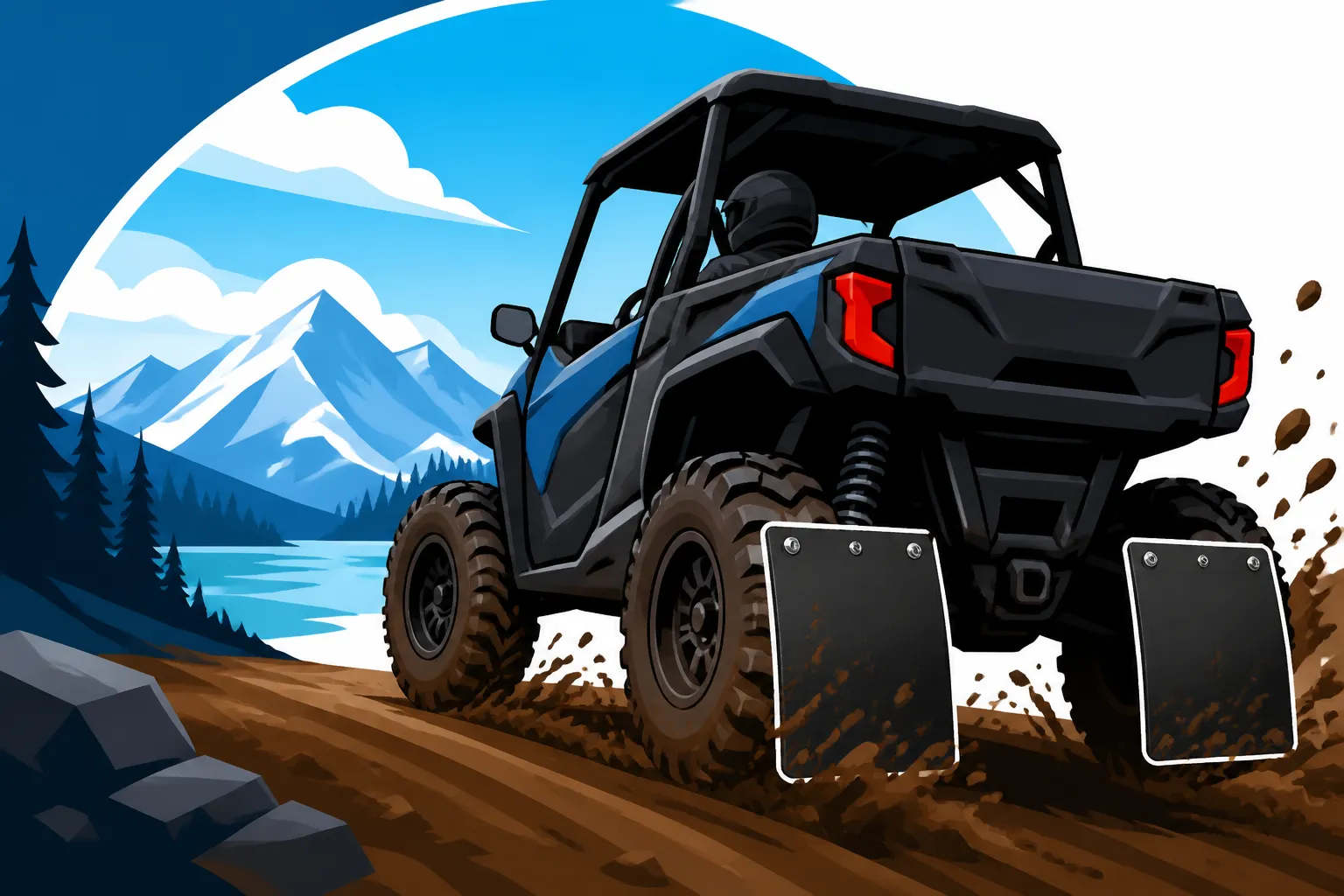
Alaska Statute 28.35.210 explicitly addresses splash guards for vehicles operating on highways. While the language might initially seem geared towards larger trucks, the principle applies to any vehicle, including ATVs and UTVs, that are legally permitted to operate on certain public roads. The law generally states that a vehicle's rear wheels must be equipped with mud flaps or splash aprons that are wide enough to cover the full width of the tire tread. Furthermore, these flaps need to extend downward to a specific distance, often within a certain number of inches from the ground, ensuring they effectively contain the spray.
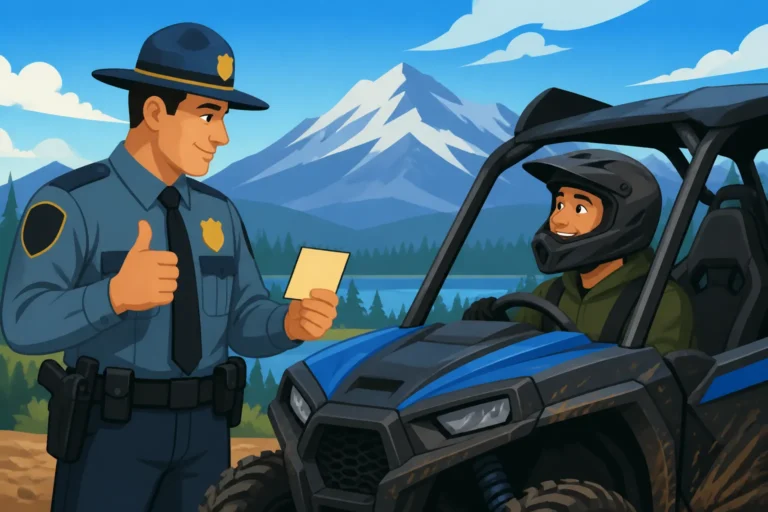
For ATV and UTV owners, this means your mud flaps aren't just for show. They need to be functional and meet these specific dimensions. A trooper checking your machine might measure how far down your flaps extend and ensure they cover the entire width of your tire. This is especially relevant if you've added wider, more aggressive tires that extend beyond the factory fender flares. If your machine doesn't comply, you could be facing a citation. It’s a crucial part of being road-legal in Alaska, alongside other requirements like lights, brakes, and a muffler. You can learn more about these necessities in [Alaska OHV Equipment Requirements].
Choosing the Right Mud Flaps for Your Alaska Ride
Selecting the right mud flaps for your ATV or UTV isn't just about slapping something on; it's about choosing equipment that will withstand Alaska's demanding environment while effectively doing its job. The wrong choice can lead to damage, ineffective protection, or even failure to meet legal requirements.
Materials and Durability for Alaskan Conditions
When it comes to mud flaps, materials matter significantly, especially in Alaska. You're dealing with everything from freezing temperatures and ice to deep, abrasive mud and sharp gravel. Traditional rigid plastic flaps, while affordable, can become brittle in sub-zero temperatures and easily crack or shatter when struck by a rock or flexed excessively. This is a common frustration for riders who see their investments break down quickly.
Flexible rubber or heavy-duty composite materials are often the best choice for Alaskan conditions. These materials can absorb impacts from flying debris without cracking and maintain their flexibility even in extreme cold. They're designed to bend and flex, rather than break, when snagged on a trail obstacle. Many aftermarket companies, like SuperATV, offer robust mud flap solutions made from durable compounds specifically designed for off-road abuse, providing much-needed longevity. Investing in quality material upfront can save you from repeated replacements and ensures consistent compliance, even when you're battling the elements on a muddy trail.
Installation Considerations and Best Practices
Proper installation is just as important as the material itself. A poorly installed mud flap is an ineffective one. Most mud flaps come as universal kits or model-specific designs. Universal kits often require drilling into your fender flares or frame, which can feel daunting but offers a secure, custom fit. If you're going this route, be sure to use appropriate hardware – stainless steel bolts, large washers, and lock nuts are your friends here, preventing rust and ensuring they stay put over rough terrain. Positioning is key: they need to cover the entire width of your tire tread and extend downwards far enough to meet state regulations, typically a few inches from the ground.
For those with UTVs, particularly side-by-sides, ensuring the flaps are securely mounted and can withstand aggressive riding without tearing off is vital. Consider reinforcing attachment points if you frequently ride in deep mud or tight brush. Some riders even add quick-release pins for easy removal when going fully off-road and less concern about legal compliance. Always double-check your work before hitting the trail, especially if you plan on using any public roads. Imagine a trooper pulling you over for missing a mud flap because it rattled off on a bumpy gravel road! This is where attention to detail pays off. Also, while you're thinking about mounting accessories, it's worth remembering placement guidelines for other items like registration decals. Learn more about that in [Alaska Decal Placement on a Side-by-Side].
Aftermarket Options and Custom Solutions
The good news for Alaskan riders is that the aftermarket industry offers a huge range of solutions for mud flaps. You don't have to settle for flimsy, inadequate protection. Many companies produce specific kits designed to integrate seamlessly with popular ATV and UTV models, often utilizing existing mounting points or offering clean-look installations. These kits typically come with all the necessary hardware and instructions, taking much of the guesswork out of the process.
Beyond model-specific kits, there are universal mud flaps that can be trimmed and adapted to fit almost any machine. This is a popular choice for riders with custom setups or those looking for a more economical option. Just remember that with universal flaps, you'll need to pay extra attention to ensuring they meet the width and length requirements for legal road use in Alaska. For the truly DIY-minded, fabricating custom mud flaps from heavy-duty rubber matting is also an option. This allows for complete customization in size, shape, and even how they attach, making it possible to integrate them with other accessories like rock sliders or rear bumpers. Whatever route you choose, the goal is always the same: effective splash protection that complies with [Alaska Mud and Snow Flap Rules] and handles whatever Alaska throws at it. A brand like SuperATV can be a good starting point for finding both pre-made and adaptable options.
Beyond Compliance: The Practical Benefits of Mud Flaps
While legal compliance is a significant reason to install mud flaps, their benefits extend far beyond simply avoiding a ticket. They offer tangible improvements to your riding experience, protecting both your machine and yourself from the harsh realities of Alaska's trails and roads.
Protecting Your Machine and Gear
Think about all the mud, sand, gravel, and small rocks your tires kick up, especially at speed. Without mud flaps, this constant spray acts like a sandblaster on your machine's underside. Over time, it can chip paint, wear down suspension components, and even abrade wiring harnesses. Mud flaps act as a crucial barrier, deflecting much of this debris and significantly reducing wear and tear on your ATV or UTV's chassis, A-arms, shock absorbers, and even critical engine components. This prolongs the life of your machine and helps maintain its value.
Beyond the structure of your machine, mud flaps also protect your cargo and passengers. If you're hauling gear in a cargo box or have a passenger riding with you, they'll appreciate not being constantly pelted with mud and water. It keeps backpacks, coolers, and anything else you're carrying much cleaner and drier. Consider the radiator as well; a mud-caked radiator is an inefficient radiator, leading to potential overheating, especially during strenuous rides. By keeping more of that debris off the front and sides of your machine, mud flaps help keep your engine running cooler and cleaner, reducing maintenance needs and ensuring your ride is always ready for the next adventure.
Enhanced Safety and Visibility
The safety aspect of mud flaps, especially when operating on public roads or shared trails, cannot be overstated. When your ATV or UTV is throwing a massive spray of mud or dust, it severely impairs the visibility for any vehicle or rider behind you. On a dusty gravel road, this can create a white-out effect, making it impossible for a following driver to see the road, traffic, or even you. This is a leading cause of accidents in environments where ATVs and UTVs share space with other vehicles.
Mud flaps drastically reduce this spray, allowing other drivers and riders to see clearly. This isn't just about preventing accidents; it's about being a courteous and responsible member of the riding community. Furthermore, by keeping your machine cleaner, mud flaps help ensure that your taillights, brake lights, and reflectors remain visible. A mud-caked taillight is much less effective, especially in low light conditions or during inclement weather, compromising your safety. For comprehensive details on what equipment you'll need, check out [Alaska Equipment Requirements]. Remember, being seen is just as important as seeing where you're going.
Maintaining a Cleaner Ride Experience
Let's be honest: part of the fun of off-roading is getting a little dirty. But there's a difference between a little trail dust and being completely caked in mud from head to toe, especially if you're trying to stay comfortable or are heading into town after a ride. Mud flaps significantly cut down on the amount of mud and water that splashes up onto you, your passenger, and your machine's interior. This means a more comfortable ride, less time spent scraping mud off your goggles, and a much cleaner experience overall.
Beyond personal comfort, mud flaps make post-ride cleanup a breeze. Instead of spending hours blasting thick, caked-on mud from every nook and cr cranny of your machine, you'll find the job is much quicker and easier. Less mud stuck to the frame, suspension, and body means less scrubbing and more time planning your next trip. And if you're ever renting a machine, you'll certainly appreciate less mud, as many rental agreements have clauses about returning a clean machine to avoid extra charges – a helpful tip for those thinking about [Washing Glacial Silt Off Before You Return a Rental]. In Alaska, where mud can be thick and tenacious, this saved effort is a huge win.
Equipping your ATV or UTV with proper mud flaps in Alaska is a smart decision, offering a blend of legal compliance, enhanced safety for yourself and others, and a far more enjoyable and cleaner riding experience. Given Alaska's unique and often challenging terrain, where mud and debris are a constant companion, taking this simple step ensures you're ready for whatever the trail (or the road) throws at you. Before you hit those public roads or shared trails, double-check your setup and make sure your tires are properly guarded.
Disclaimer
This article is for general informational purposes only and does not constitute professional advice. Laws, prices and regulations vary by location and change over time. Consult a qualified professional for guidance on your specific situation.