Breakup and Why Trails Close
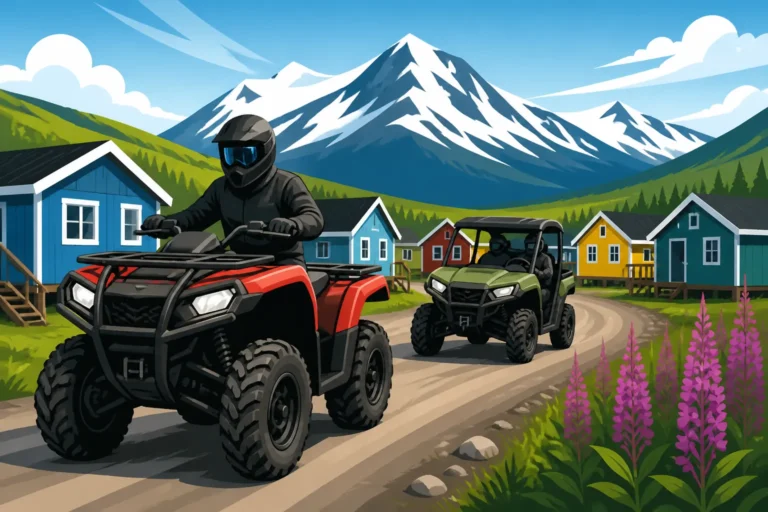
There’s a unique kind of restlessness that settles over Alaska riders as the days get longer and the snow begins to soften. You’ve been dreaming of dusty trails and open country all winter, but just as the sun starts to feel warm on your face, the trails become a soupy, impassable mess. This guide dives deep into "breakup"—Alaska's notoriously muddy season—explaining why trails close and what you can expect when the landscape decides it's time to thaw.
What Exactly is "Breakup" in Alaska?
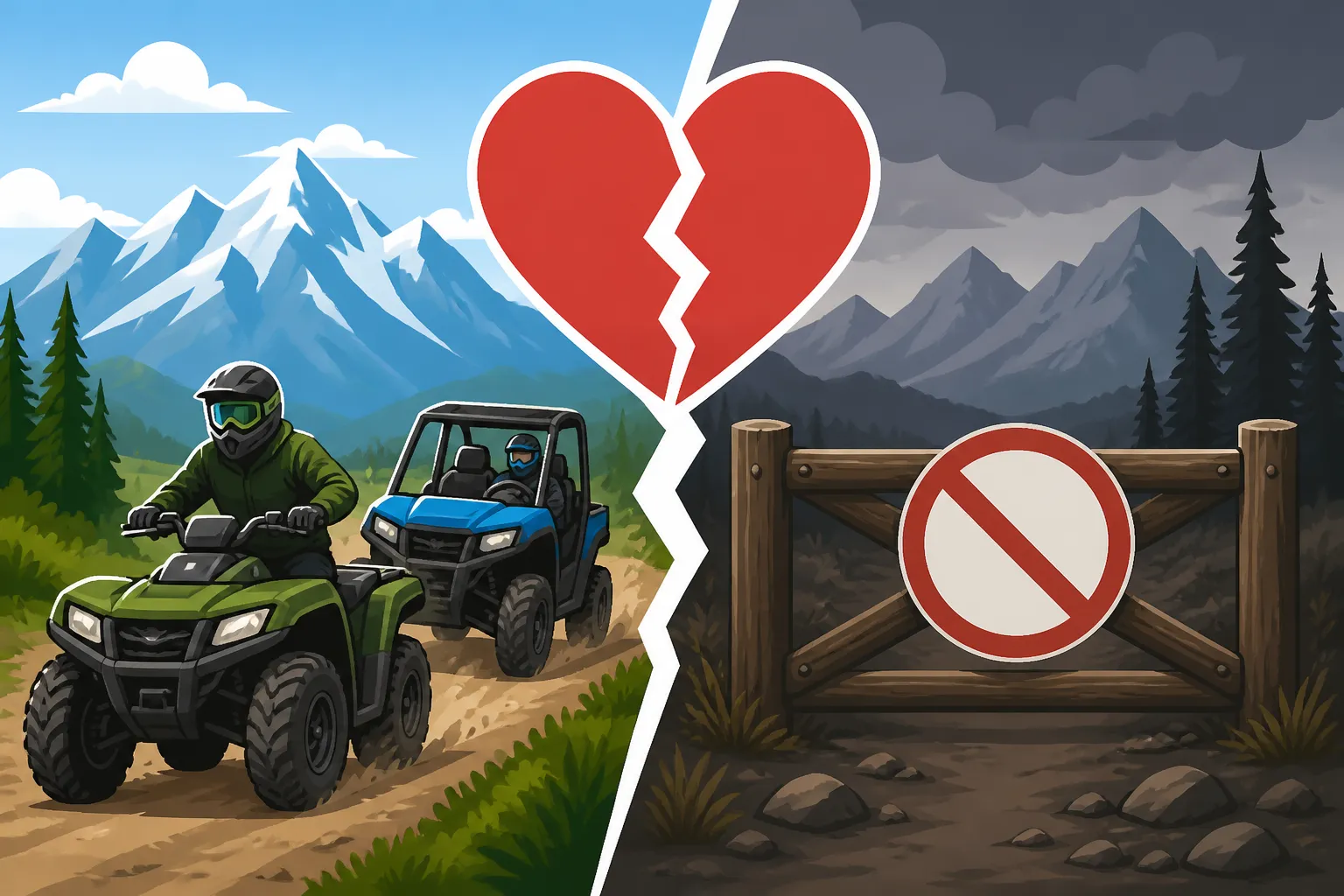
For those new to the Last Frontier, "breakup" isn't just a term for a relationship ending; it’s a full-on seasonal event. It’s that pivotal, often messy, transition period between the deep freeze of winter and the relatively dry, vibrant green of summer. Imagine countless tons of ice and snow, accumulated over months, suddenly deciding to become water. It’s a spectacular, if inconvenient, transformation.
The Science Behind the Slush
At its heart, breakup is all about hydrology and temperature. As temperatures consistently rise above freezing, the snowpack begins to melt. This meltwater has nowhere to go initially, as the ground underneath is still frozen solid, sometimes many feet deep. This phenomenon is known as "permafrost" or "seasonally frozen ground." The meltwater then sits on top of this frozen layer, turning what would normally be firm ground into a saturated sponge. This creates a kind of temporary, shallow water table right at the surface. [Riding Before the Ground Freezes] is often a totally different experience than riding during breakup.
From Frozen River to Roaring Torrent
It's not just the land that transforms. Rivers, which have been locked solid under a thick layer of ice all winter, begin to swell. The ice breaks into massive chunks, often creating hazardous ice jams that can cause severe flooding. What was once a convenient, smooth pathway across a frozen river becomes a dangerous, churning torrent. You might see warnings about [Ice Thickness Before You Cross] during winter, but during breakup, river crossings become entirely different beasts. Even small creeks become significant obstacles, their banks eroding as the water rises.
Why Do Trails Close During Breakup?
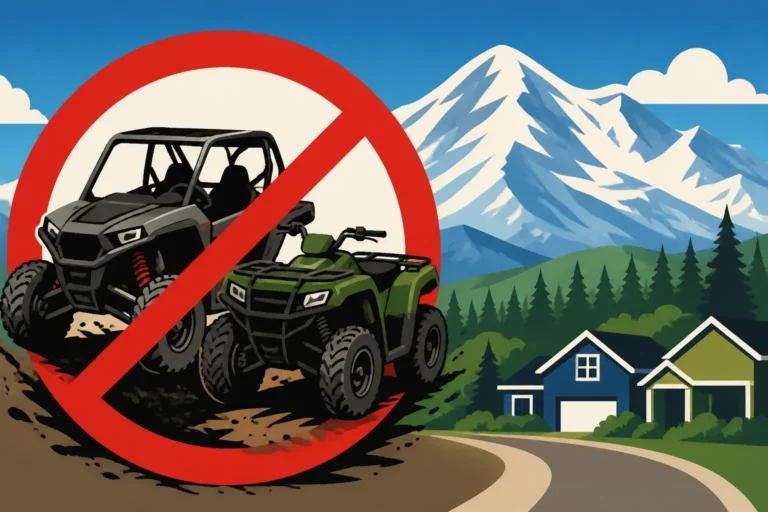
It’s incredibly frustrating to see a favorite trail sign posted with "CLOSED" just when you’re itching to ride. However, these closures aren’t arbitrary; they’re put in place for a combination of safety, environmental protection, and long-term trail preservation. It’s a tough pill to swallow when you've been cooped up all winter, but land managers are thinking about the bigger picture.
Protecting Fragile Ecosystems
Alaska’s landscapes are beautiful, but many of them are surprisingly fragile, especially during breakup. Wetlands, tundra, and even established gravel trails become incredibly vulnerable. The underlying permafrost means that when the surface thaws, the ground can become exceptionally soft and easily damaged. A single ATV or UTV can cut deep ruts into this soft terrain. These ruts don’t just fill with water; they can take years, sometimes decades, to heal, particularly in tundra environments. [Tundra Damage in Summer] is a real and visible consequence of riding too early in the season. Land managers often issue [Alaska Wetland Travel Restrictions Explained] precisely to prevent this kind of lasting damage.
Ensuring Rider Safety
Beyond environmental concerns, breakup riding is genuinely dangerous. What looks like a shallow puddle can hide a bottomless pit of mud. What appears to be solid ground can be a thin crust over quicksand-like conditions. [Overflow on a Frozen River] is a serious hazard, as water can flow on top of or under river ice, creating unpredictable conditions. You could suddenly drop into freezing water or become hopelessly stuck miles from anywhere. Even crossing a seemingly small stream can be perilous, as the current can be much stronger than it looks, and the bottom can be soft and uneven. A deep crossing, even with specialized equipment, is a serious risk. [Alaska Riding in Spring] often means navigating these kinds of challenges.
Preventing Trail Erosion and Damage
The sheer volume of water moving across and through trails during breakup can cause significant erosion. When machines ride on saturated trails, they can exacerbate this erosion, churning up the surface and creating channels that divert water in unnatural ways. This leads to deeper ruts, wider trails, and damage to culverts or bridges. What might have been a perfectly maintained trail in summer can turn into a permanent bog after just a few machines tear through it during breakup. Closures are designed to let the ground firm up and allow natural drainage to occur, preserving the trail for everyone to enjoy later in the season. [Alaska Trail Closures After a Storm] might also happen, but breakup presents a much larger, seasonal challenge.
The Risks of Riding During Breakup
Ignoring trail closures or venturing out during the height of breakup isn't just about breaking rules; it's about putting yourself, your machine, and potentially rescuers, at significant risk. The Alaskan wilderness is unforgiving, and breakup amplifies its challenges tenfold.
Hidden Hazards and Unpredictable Terrain
During breakup, the landscape is a master of deception. A seemingly solid snowdrift might be hollow underneath, ready to collapse. A thin layer of ice might be covering swift-moving water. The ground itself can be a treacherous mix of solid frozen patches, deep mud, and standing water.
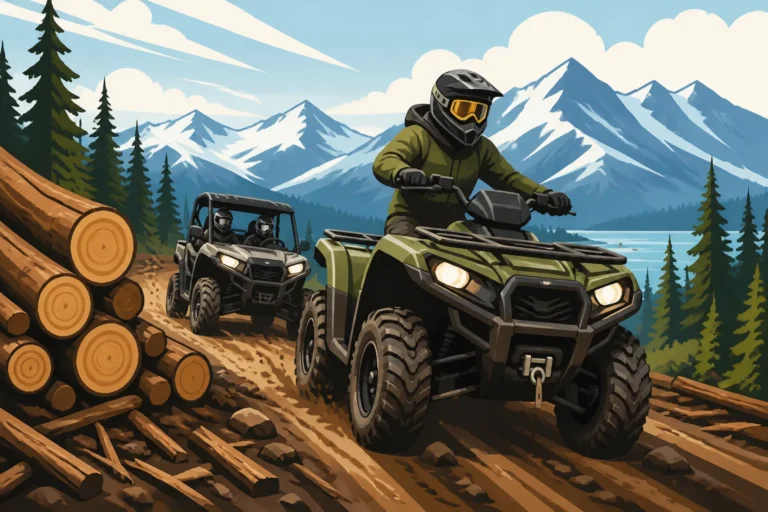
Imagine riding along what appears to be a well-worn path, only to have your front tire suddenly plunge into a hidden sinkhole of mud. Extracting a stuck machine from these conditions is a monumental task, often requiring specialized recovery gear like a powerful winch. Companies like SuperATV offer heavy-duty winches and recovery kits that become absolutely essential if you plan to push the limits, though even the best gear might not save you from a truly bottomless pit. Carrying recovery boards and a good shovel is a must.
Freezing Temperatures and Hypothermia
Even as the sun feels warmer, temperatures during breakup can still drop significantly, especially overnight or if the sun dips behind clouds. If you get stuck or wet, the risk of hypothermia is extreme. Freezing rain, slush, and icy water are common, and getting soaked can quickly lead to a dangerous drop in body temperature. Layering appropriately, with waterproof outer layers, is critical. Always carry extra dry clothes in a sealed, waterproof bag. [Alaska Riding in Winter] often involves similar cold-weather precautions, but breakup adds the element of widespread water.
Logistics of Self-Recovery and Rescue
Getting stuck during breakup isn't like getting stuck on a dry, summer trail. The mud is thicker, the ground is softer, and the conditions are generally more miserable. If you're alone and without proper recovery gear, you could be in for a very long and dangerous wait. Cell service is notoriously spotty off the road system, making communication difficult. [No Cell Coverage Off the Road System] is a reality for many popular riding areas.
Rescuers, if you can reach them, also face extreme challenges navigating the breakup terrain. A simple recovery operation can turn into a multi-hour, multi-person endeavor, putting everyone involved at risk. This is why many land management agencies prefer to simply close trails rather than deal with the potential costs and dangers of numerous rescues.
Navigating the Breakup Season: Practical Advice
While the prime riding season is definitely not during the thick of breakup, there are still ways to enjoy Alaska's shoulder seasons safely and responsibly. It requires patience, planning, and a deep respect for the changing conditions.
Check Conditions Religiously
Before you even think about loading up your machine, check local conditions. This means consulting official trail status updates from state or federal land agencies (like Alaska Department of Natural Resources or Alaska State Parks). Local ATV clubs and online rider forums can also be excellent sources of real-time ground conditions and rider reports. Don't rely on assumptions; the conditions can change dramatically from one valley to the next, or even day to day. A trail that was passable yesterday might be a quagmire today. Knowing when [Freeze-Up and When Riding Resumes] is just as important as knowing when breakup truly hits.
Gear Up for the Worst
Preparation is key during breakup. Your gear list should be significantly different than for a mid-summer ride. Think about what you'd need if you were going to spend a cold, wet night stuck out in the bush.
| Item | Why It's Essential for Breakup |
|---|---|
| Waterproof Outerwear | Absolute necessity. Gore-Tex or similar material for jacket/pants. |
| Rubber Boots | Tall, waterproof boots (knee-high minimum) for walking in mud/water. |
| Multiple Layers | Non-cotton base layers, fleece mid-layers, for warmth if wet. |
| Winches & Recovery Gear | Front and rear winches (e.g., from SuperATV), tree saver, snatch block, recovery straps, D-rings. |
| Shovel & Axe | For digging out mud, clearing downed trees. |
| Tire Repair Kit | Plugs, portable air compressor. Flats are common on rugged trails. |
| First Aid Kit | Comprehensive kit, including emergency blanket, trauma supplies. |
| Satellite Messenger | Crucial for communication beyond cell service. |
| Extra Fuel | Getting stuck burns fuel. Don't run out. |
| Headlamp/Flashlight | For unexpected delays or breakdowns after dark. |
| Food & Water | Enough for 24-48 hours longer than planned. |
Investing in high-quality, durable components like SuperATV aftermarket parts, such as heavy-duty axles or larger tires, can offer advantages in navigating some of the gnarlier breakup conditions, but no amount of gear negates the risk of truly impassable trails.
Ride with Caution and Company
Breakup is not the time for solo adventures or pushing your machine to its limits. Always ride with at least one other machine, and ideally in a small group. This way, if someone gets stuck, there are multiple hands (and winches) available for recovery.
Maintain extra spacing between machines, as visibility can be poor in rain or fog, and you'll need room to react to sudden obstacles or mud holes. Travel at a reduced speed, constantly scouting the trail ahead for hidden dangers. If a section looks too deep, too muddy, or too risky, turn back. There’s no shame in preserving your machine and your safety. [Alaska Trail Etiquette Locals Expect] often includes common sense about not tearing up wet trails.
Disclaimer
This article is for general informational purposes only and does not constitute professional advice. Laws, prices and regulations vary by location and change over time. Consult a qualified professional for guidance on your specific situation.