Riding Before the Ground Freezes
There's a magical, yet incredibly deceptive, window of time in Alaska when the long, soggy summer is giving way to the crisp embrace of winter. This period, known to Alaskans as "freeze-up," offers a unique opportunity for ATV and UTV riders to experience trails in a whole new light – before the deep snows arrive and after the worst of the mud has (hopefully) firmed up. However, this transition time is also fraught with hidden dangers that can quickly turn an epic ride into a harrowing rescue. This guide will walk you through the nuances of riding before the ground fully freezes, helping you understand the conditions, mitigate the risks, and enjoy the beauty of Alaska's shoulder season safely and responsibly.
Understanding Alaska's Freeze-Up Phenomenon for Riders
Alaska's landscape undergoes a profound transformation as temperatures drop, creating a dynamic and often unpredictable environment for off-road enthusiasts. The "freeze-up" isn't a single event but a gradual process that can vary wildly across different regions and even within short distances on the same trail.
What "Freeze-Up" Really Means on the Trail
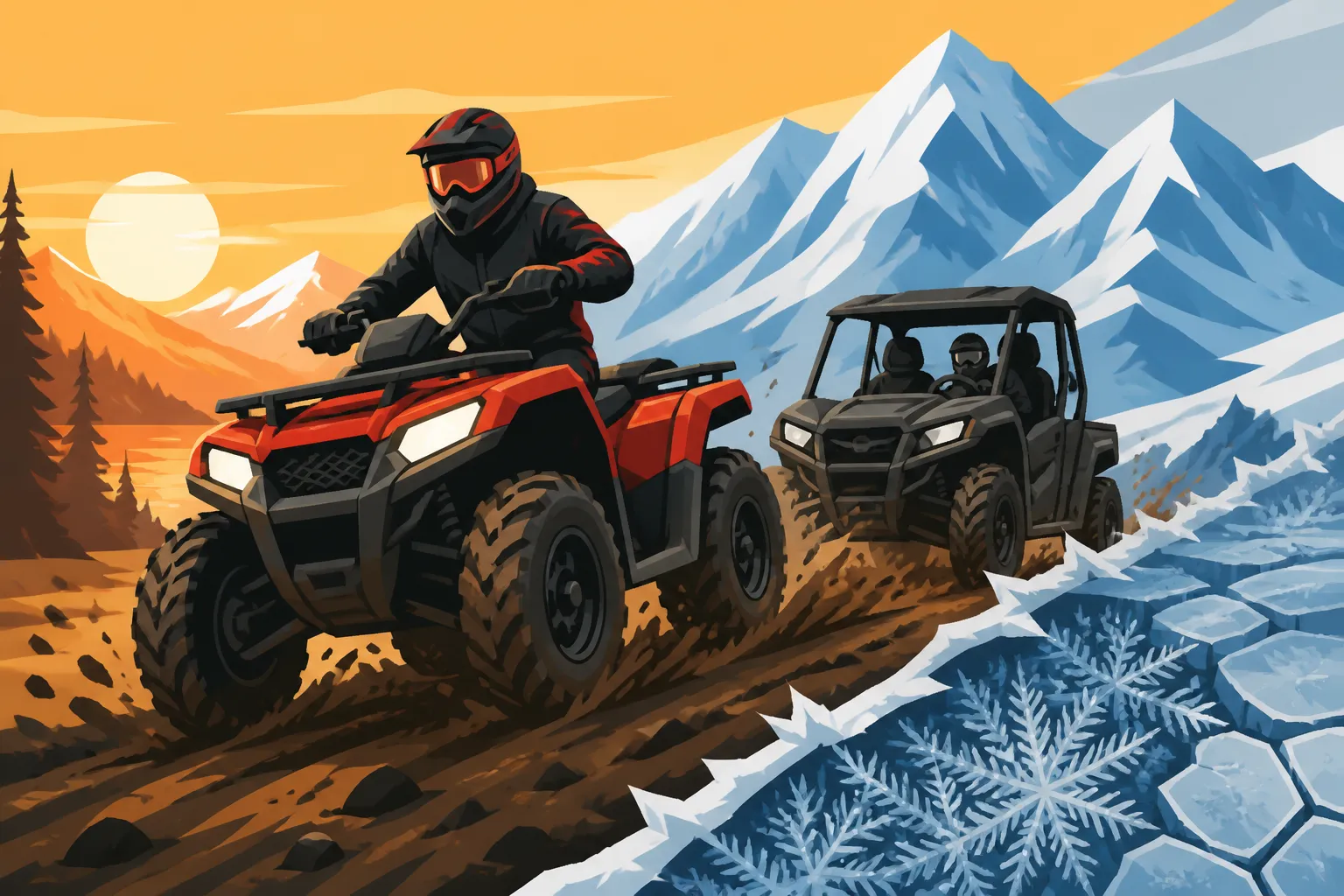
Imagine the trail in late fall: patches of ground are solid, almost ringing under your tires, while just feet away, puddles might have a thin skin of ice that cracks under pressure, revealing deep, soupy mud beneath. That's freeze-up in a nutshell. It's the period when overnight temperatures consistently drop below freezing, but daytime highs might still hover above, causing a constant cycle of thaw and refreeze. This means the ground isn't uniformly frozen. Northern exposures, shaded valleys, and higher elevations will freeze solid much faster, sometimes weeks before sunnier, lower, or more exposed areas. Water-saturated areas, like riverbanks, wetlands, and low-lying trails, are the last to firm up and the first to become treacherous.
This uneven freezing creates a mosaic of conditions. You might be riding over perfectly firm, almost paved-feeling ground one moment, only to drop into a section where your tires sink through a thin crust into several inches of slushy, axle-deep mud. The transition can be sudden and unexpected, demanding constant vigilance and a keen eye for subtle changes in terrain. It's not a static condition but a daily, sometimes hourly, shift, making real-time knowledge of local conditions absolutely critical.
The Temptation and the Treachery of Early Freezing
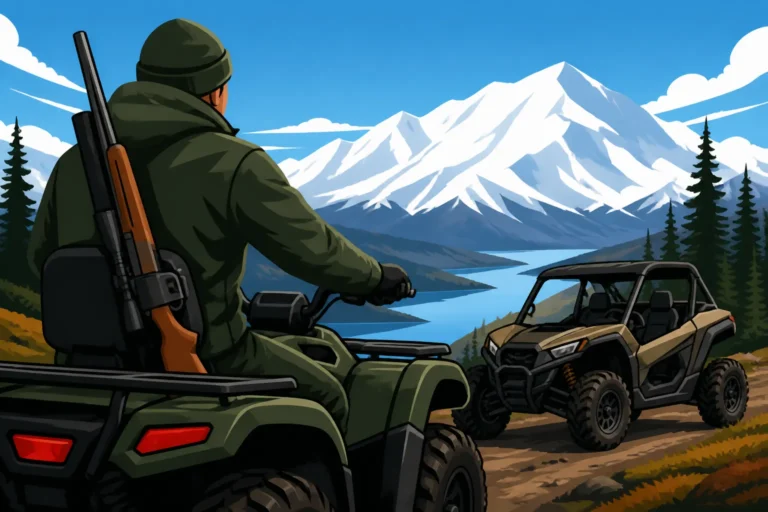
The allure of riding during freeze-up is undeniable. The air is crisp, the mosquitoes are long gone, and the landscape often sparkles with a dusting of fresh snow or the unique beauty of ice formations on trees and puddles. Trails that were impassable mud bogs just weeks prior can firm up, opening new routes and offering a smoother ride. Plus, the hunting season is often in full swing, drawing many riders out to access remote areas. This is often seen as a prime window for hunting access, allowing riders to get further into the backcountry for game retrieval.
However, this same appeal masks significant dangers. The partially frozen ground can lull riders into a false sense of security. What looks like solid ground might be a thin crust over deep, freezing water or mud. Ice on streams and small ponds can appear robust but be perilously thin, ready to give way under the weight of a machine. The cold temperatures themselves add another layer of risk; a minor breakdown or getting stuck in mud can quickly escalate into a hypothermia emergency if you're not properly prepared for the elements. The temptation to push a little further, to test what feels like newly firm ground, often leads riders into situations they can't easily escape.
Navigating the Risks of Pre-Freeze Riding
Riding during Alaska's freeze-up demands a heightened sense of caution and a thorough understanding of the specific hazards unique to this transitional season. It's not just about cold weather; it's about the unpredictable nature of the ground itself.
The Perils of Thin Ice and Overflow
One of the most significant dangers during freeze-up is deceptively thin ice, especially over streams, ponds, and braided river channels. A sheet of ice might look solid and inviting, but its thickness can vary dramatically within a few feet. What supported a squirrel might not support an ATV, let alone a UTV. The current under a frozen river can erode ice from beneath, creating hollow spots that are invisible from the surface. Always assume ice is unsafe unless you have definitive, reliable information to the contrary, and even then, proceed with extreme caution. [Crossing a Frozen River] is a skill that takes practice and experience, and during freeze-up, it's often best avoided entirely.
Then there's overflow – a phenomenon where water, often from an underground spring or a rising river, flows over the top of an existing layer of ice. This can create a hidden layer of freezing water and slush on top of what seemed like solid ice. Your tires might break through the top layer, immediately plunging you into icy water. This slush can quickly freeze to your machine, making controls difficult to operate and soaking your boots and lower body. Getting stuck in overflow can be incredibly dangerous due to the rapid onset of hypothermia. Understanding [Overflow on a Frozen River] is crucial for any rider venturing out during this time. Carrying essential recovery gear, like a winch or a sturdy recovery strap from a brand like SuperATV, is non-negotiable for anyone venturing into areas where overflow might be present.
Hidden Mud Traps and Frozen Ruts
The ground during freeze-up is a master of disguise. What appears to be solid, frozen earth can often be a thin, brittle crust covering a deep, tenacious mud bog. Your machine's weight can easily break through this crust, dropping you into a pit of icy, thick mud that can swallow your tires. Extracting a machine from these hidden mud traps is exhausting, physically demanding, and poses a real risk of injury, especially when temperatures are hovering around freezing. The mud can freeze quickly to your machine, making it even harder to maneuver or repair.
Furthermore, trails often develop deep ruts from previous rides. As these ruts partially freeze, they become rigid, uneven channels. Riding over frozen ruts can be jarring, not only making for an incredibly uncomfortable ride but also placing undue stress on your suspension components. Worse, hitting a frozen rut incorrectly can lead to a loss of control, throwing the machine sideways or even ejecting the rider. Steering becomes less predictable, and the machine might be prone to "darting" along the ruts rather than following your intended path. It’s a constant battle between traction and impact, demanding a slow, deliberate approach to the terrain.
Equipment Considerations for the Shoulder Season
Your machine's setup, and your personal gear, need to be tailored for the unique challenges of freeze-up. This isn't summer riding where a minor splash is just part of the fun. Your tires are your first line of defense. Aggressive, open-tread tires designed for mud and snow will offer better traction on partially frozen ground and in slushy conditions than a standard all-terrain tire. Consider tire chains for extreme conditions, though they can be overkill for general freeze-up riding and can damage some surfaces if not used correctly.
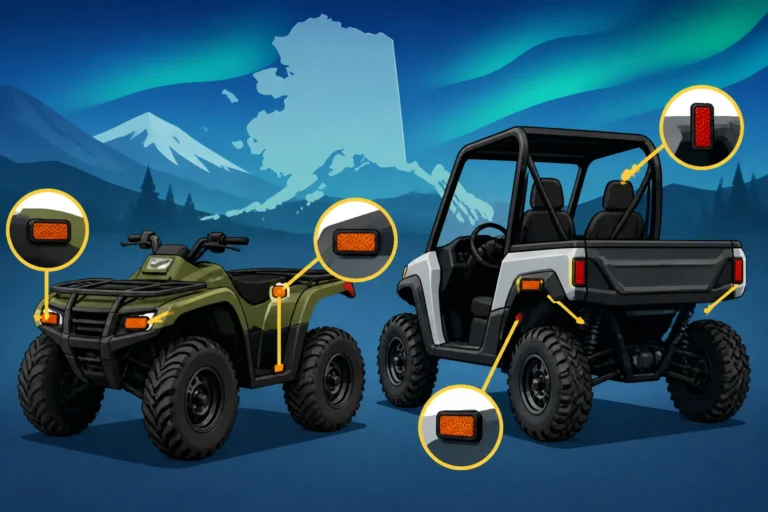
Recovery equipment is paramount. A robust winch, preferably with synthetic rope for its lighter weight and easier handling in cold weather, should be mounted and regularly maintained. Ensure your winch is in good working order before you leave. Heavy-duty tow straps, shackles, and a small shovel are also critical. For self-recovery or assisting others, durable components from SuperATV, known for their robust aftermarket parts, can be invaluable. Don't forget a small axe or saw for clearing fallen branches or creating anchors. As for personal gear, waterproof and insulated boots are essential. Layered clothing that allows you to shed or add insulation is key, as your activity level and the ambient temperature can change rapidly. A high-quality, waterproof outer shell is non-negotiable to protect against freezing rain, slush, and snow. Always refer to [Alaska OHV Equipment Requirements] to ensure your machine is legally equipped for the trails.
Practical Strategies for Safe Freeze-Up Riding
Given the unpredictable nature of Alaska's freeze-up period, adopting a strategic approach to your riding is not just recommended, it's essential for your safety and enjoyment.
Checking Conditions and Planning Your Route
The absolute first step before heading out during freeze-up is to get the most current information possible on trail conditions. This means checking local weather forecasts, not just for temperature but also for recent precipitation (rain or snow), which will significantly impact ground conditions. Talk to local riders, shop owners, or land managers who might have firsthand knowledge of the specific trails you intend to ride. What was fine yesterday could be completely different today after an overnight freeze or a day of thaw.
When planning your route, be conservative. Stick to well-established trails that you are familiar with, and avoid venturing into unknown or notoriously wet areas. Assume that any standing water or ice could be a trap. If in doubt, scout ahead on foot if safe, or simply turn back. It's far better to cut a ride short than to get stuck in a dangerous situation miles from help. Remember that [Winter Travel on Frozen Ground] is a very different beast than early freeze-up travel, and you need to adjust your expectations accordingly. This early season can be fleeting, so be prepared for a wide range of surface types. Keep an eye on reports about [Freeze-Up and When Riding Resumes] to know when the trails are truly ready for winter travel.
Essential Gear for Shoulder-Season Adventures
Beyond your machine and recovery gear, your personal survival kit needs to be beefed up for the cold, wet conditions of freeze-up. Think about layers of warm clothing, extra gloves, hats, and socks – all stored in waterproof dry bags. A thermos of hot coffee or soup can be a morale booster and a lifesaver. Carry high-energy snacks that won't freeze solid.
Communication is paramount. In many parts of Alaska, cell service is nonexistent, especially once you leave the main road system. A satellite messenger or satellite phone is not an option; it's a necessity. This device allows you to send emergency signals, check in with family, and even receive weather updates from the backcountry. Learning how to use a [Carrying a Satellite Messenger Off the Alaska Road System] is a skill every Alaska backcountry rider should master. A robust first-aid kit, fire-starting supplies, a headlamp, and a reliable knife are also critical. A list of key items is provided below for convenience:
| Category | Essential Items | Notes |
|---|---|---|
| Personal Warmth | Layered clothing (wool/synthetic), waterproof outer shell | Avoid cotton; extra gloves, socks, hat |
| Insulated, waterproof boots | Crucial for warmth and preventing frostbite | |
| Navigation | GPS device with pre-loaded maps, physical map/compass | Batteries can drain faster in cold; know how to use both |
| Communication | Satellite messenger/phone | Life-saving outside cell service |
| Recovery | Winch (synthetic rope recommended) | With tree saver, shackles; inspect before each trip |
| Tow straps, shovel, small axe/saw | To aid in recovery and trail clearing; consider SuperATV recovery kits | |
| Emergency | First-aid kit, fire starter, headlamp/flashlight | Blister treatment, emergency blanket, whistle |
| Emergency food/water (high-calorie) | Water can freeze; insulated container for hot liquids | |
| Machine Spares | Basic tool kit, spare belt, tire repair kit | Know how to use them for field repairs |
Riding Techniques for Uncertain Terrain
When navigating freeze-up conditions, your riding style needs to adapt significantly. Slow down. Speed amplifies every mistake and hazard. Maintain a relaxed grip on the handlebars and let the machine work underneath you, absorbing bumps and changes in traction. Always look far ahead, scanning the trail for changes in color, texture, and elevation that might indicate a transition from frozen to soft ground, or the presence of ice and overflow.
Ride with a buddy, or even better, a small group. [Why Alaska Riders Travel in Pairs] is a lesson learned by many, especially during unpredictable seasons. Having another set of eyes and an extra machine can make all the difference in a recovery situation. When approaching water crossings, dismount and test the ice thickness if you absolutely must cross. If there's any doubt, find another route. If you do get stuck in mud or overflow, resist the urge to violently rock your machine, which can dig you in deeper. Instead, assess the situation, use your winch, and work slowly and methodically. This isn't the time for aggressive, high-speed trail blazing; it's a season for cautious exploration and respecting the volatile nature of the Alaskan wilderness.
Legalities and Land Use During Transition Periods
Beyond the physical challenges, riding during freeze-up also brings specific considerations regarding land access and environmental responsibility that every Alaskan ATV/UTV rider needs to be aware of.
Land Ownership and Access Considerations
The freezing and thawing of the ground do not alter land ownership boundaries or access rules. It's easy to assume that because the ground is firming up, you have free rein, but this is a common misconception. All the usual rules regarding private land, Native Corporation land, state parks, and federal lands still apply. Before you embark on your freeze-up adventure, you must know who owns the land you plan to ride on and obtain any necessary permits or permissions. [Alaska Land Ownership and Who to Ask] is a crucial first step for planning any backcountry trip.
Many areas, especially those managed by Native Corporations, require specific permits for entry, even for non-motorized access. Failing to obtain these can lead to fines, confiscation of your machine, or even trespass charges. It's best to research your route well in advance and make the necessary calls. Understanding [Alaska Native Corporation Land Permissions] can save you a lot of headache and ensure you're riding respectfully and legally. Just because a frozen river or lake offers a seemingly easy path across property lines doesn't mean you have the legal right to use it.
Environmental Impact and Responsible Riding
The transitional nature of freeze-up makes the ground particularly vulnerable to damage. While some areas might be solid, others might be thinly crusted over delicate vegetation or wetlands. Riding on ground that is not fully frozen, especially in tundra or wetland areas, can cause significant and long-lasting damage. Tracks made by ATVs and UTVs in partially frozen tundra can persist for decades, scarring the landscape and disrupting sensitive ecosystems. This is why [Tundra Damage and Riding] is such a serious concern for land managers and environmental advocates.
Responsible riding means knowing where you can and cannot go. Avoid riding in any area designated as sensitive wetland or tundra unless the ground is completely frozen solid and covered in protective snow. Even then, adhere strictly to designated trails. [Alaska Wetland Travel Restrictions Explained] are in place for a reason, and they apply during freeze-up as much as in summer. Respecting these rules protects the environment, preserves access for future generations, and helps maintain a positive image for the ATV/UTV riding community in Alaska. Carry out everything you carry in, and leave no trace behind. This vigilance ensures that the beauty of Alaska's freeze-up season remains unspoiled for everyone.
Disclaimer
This article is for general informational purposes only and does not constitute professional advice. Laws, prices and regulations vary by location and change over time. Consult a qualified professional for guidance on your specific situation.