Freeze-Up and When Riding Resumes
That anticipation for the ground to firm up, the wetlands to lock down, and the rivers to bridge over with ice can feel like an eternity after the fall rains turn trails into mucky bogs. It’s a distinct period in Alaska, often called "freeze-up," where riding conditions transform from impassable mud to solid, traversable terrain. This guide is all about understanding what freeze-up truly means for ATV and UTV riders, knowing when it's genuinely safe to hit the trails again, and how to properly prepare for those exhilarating early winter excursions.
Understanding Alaska's Freeze-Up Phenomenon
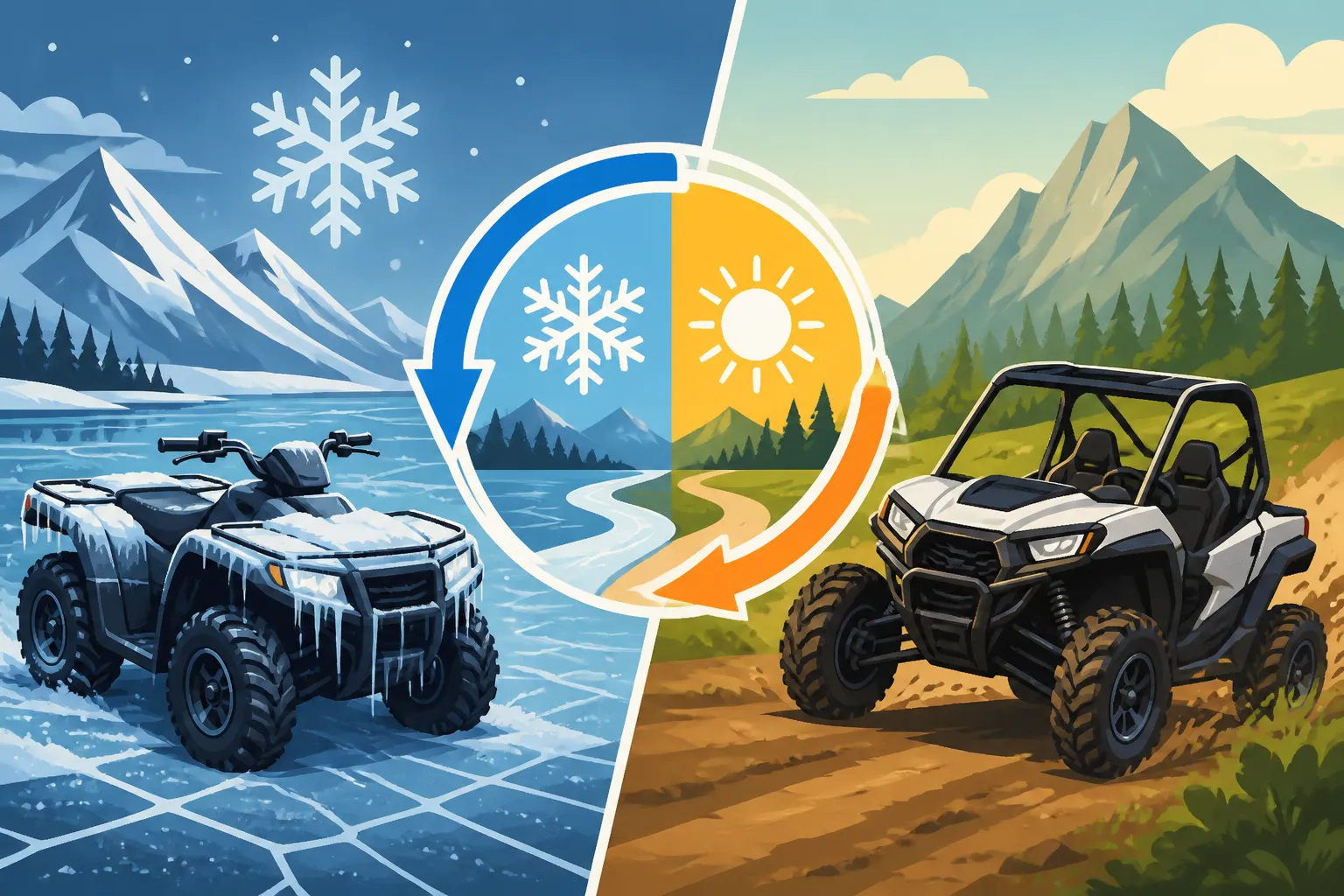
Freeze-up isn't a single date on the calendar; it's a dynamic process that ushers in a new season of riding. For many Alaska ATV and UTV enthusiasts, it marks the end of muddy, impassable conditions and the beginning of a vast, frozen playground. But this transition period demands immense respect and understanding, as impatience can lead to serious risks.
What is Freeze-Up and Why It Matters for Riders
Imagine the landscape shifting from soft, spongy tundra and sloshing wetlands to a rock-solid, almost concrete-like surface. That's freeze-up in a nutshell. It's the period, typically from late October through November in much of the state, when temperatures consistently drop below freezing, causing standing water, wet ground, and even flowing rivers to turn into ice. For riders, this transformation is critical because it unlocks access to areas that are either sensitive to summer travel or simply too wet to navigate. Riding over frozen ground minimizes environmental impact, especially on delicate tundra or wetland areas, which are highly susceptible to damage when unfrozen. The solid ground also provides better traction and stability than muddy trails, making for a much more enjoyable and often faster ride. It's the difference between sinking axle-deep in a bog and gliding smoothly over a firm surface.
The Dangers of Riding During the Transition
While the allure of untouched, frozen trails is strong, riding during the transition period, before a full freeze-up, is incredibly dangerous. The most significant hazard is unpredictable ice, especially over water. A thin layer of ice might appear solid but can easily give way under the weight of a machine and rider, leading to a plunge into frigid water. This is particularly true for larger, heavier UTVs. Rivers, even seemingly still ones, can have varying ice thicknesses due to currents, springs, or shallow spots that freeze at different rates. You might have a foot of ice in one spot and a mere inch a few yards away. Beyond water, the ground itself can be deceptive. A crust of frozen mud might conceal a soft, unfrozen layer beneath, or worse, a patch of overflow. [Overflow on a Frozen River] is a phenomenon where water, often from beneath the ice, pushes up and spreads over the surface, creating a hidden layer of slush or water under a deceptive skim of ice. Hitting this unexpectedly can lead to instant loss of traction, a soaking, or even getting stuck in a freezing slush pit far from help.
Regional Variations in Freeze-Up Timelines
Alaska is a massive state, and freeze-up doesn't happen uniformly. What's solid in the Interior might still be liquid slush on the Kenai Peninsula or near the coast. Generally, interior regions like Fairbanks and the Mat-Su Valley will see earlier and more consistent freeze-up conditions, often by late October or early November. Coastal areas, influenced by the warmer ocean, tend to freeze up later and can experience more freeze-thaw cycles throughout the early winter. For example, a river near Anchorage might still have open leads or thin ice when the streams around Cantwell are already solid. Even within a single region, elevation plays a role; higher ground and smaller, shallower water bodies will freeze faster than large rivers or deep lakes. Always check local conditions, consult with experienced local riders, and understand that specific trails or areas might have their own unique freeze-up patterns. There’s no substitute for local knowledge when it comes to assessing ice and ground stability.
Signs of Safe Riding Conditions After Freeze-Up
Patience is a virtue, especially when waiting for the ground to truly lock up. Rushing it can put you and your machine in a perilous situation. Knowing what to look for—and what to avoid—is key to safe and enjoyable early winter riding.
Ground Conditions: Solid Ice vs. Frozen Mud
Once freeze-up is truly established, the ground will feel incredibly firm, almost like concrete. You won't sink, even slightly, and your tires will find solid purchase. Look for hard, frozen ruts from previous traffic that don't give way. When you kick at the surface, you should hear a solid thud and see no indication of underlying moisture. Frozen mud, on the other hand, can be deceptive. It might have a hard, icy crust on top but still be soft and gooey underneath. If you see tracks from other machines that have broken through this crust, creating deep ruts or splashing mud, the ground isn't fully frozen. Even a patch of mud that's just frozen can be incredibly slick and dangerous, offering little traction compared to truly solid ground. [Frozen Ground and Why It Matters] isn't just about rideability; it's about protecting the environment. Riding on unfrozen or partially frozen ground can cause significant damage to sensitive ecosystems that takes years to heal.
Water Crossings: Ice Thickness and Stability
Water crossings are perhaps the most critical assessment you'll make during early winter riding. The general rule of thumb for safe ATV travel on clear, solid ice is often cited as at least 4-6 inches, with UTVs requiring more, usually 6-8 inches or even more depending on the machine's weight and payload. But remember, this is a minimum, and conditions can vary wildly. Don't rely solely on what you see near the bank; ice can be much thinner in the middle, over currents, or around obstructions. Look for clear, black ice, which is generally stronger than milky or bubbly ice. Snow cover can insulate ice, preventing it from thickening quickly, or it can hide dangerously thin spots. Always proceed with extreme caution, checking ice thickness manually with an ice auger if you're unsure, and ideally, having an experienced local lead the way. Never assume a water crossing is safe just because others have crossed it. Conditions can change rapidly. If you're on a multi-day trip, remember that overnight weather can significantly impact ice. For more on safe travel over ice, consult [Ice Thickness Before You Cross].
Snow Cover and Its Impact on Early Season Riding
The first significant snowfall after freeze-up often marks the true beginning of winter riding. A good blanket of snow can actually make conditions safer by cushioning bumps and providing better traction than glare ice. However, snow also brings its own set of challenges. Fresh, deep snow can hide obstacles like rocks, fallen logs, or even open holes that could damage your machine or cause an accident. It can also obscure tracks, making navigation more difficult. Snow can also insulate underlying ice, preventing it from thickening further, or it can hold heat over running water, creating dangerous thin spots. Be wary of large, unbroken snowfields over suspected water bodies. The best early season riding often happens after a solid freeze-up and a moderate, consistent snowfall that provides a good base without being too deep. When venturing out, especially into unknown territory, consider specialized gear like a winch system. Brands like SuperATV offer robust winch options that can be a lifesaver if you find yourself bogged down in unexpectedly deep snow or slush.
Preparing Your Machine and Yourself for Winter Riding
Once you've determined that freeze-up is complete and conditions are safe, preparing your machine and yourself for the rigors of cold weather riding is paramount. Alaska's winters are beautiful but unforgiving, and a breakdown in remote country can quickly become a life-threatening situation.
Essential Gear for Cold Weather and Ice Conditions
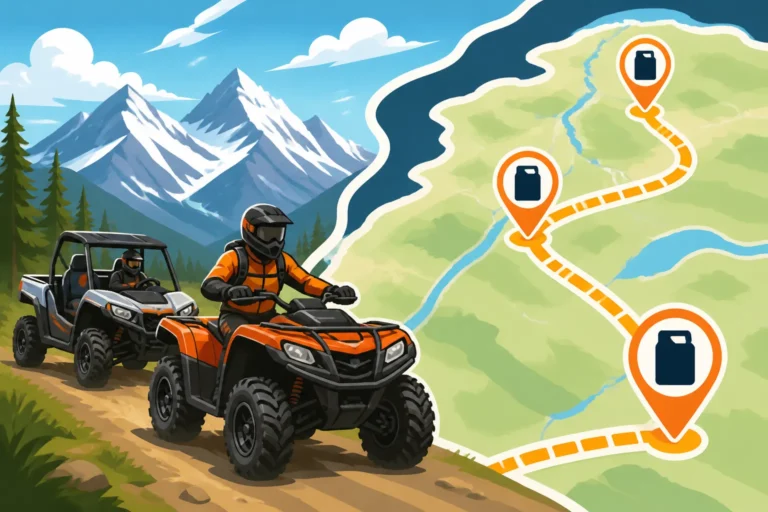
Winter riding demands specific gear to keep you warm, dry, and safe. Layering is key: start with a moisture-wicking base layer, add insulating mid-layers like fleece, and top it off with a waterproof and windproof outer shell. Don't forget insulated gloves or mitts, a warm hat or balaclava under your helmet, and insulated, waterproof boots. Beyond clothing, consider machine-specific enhancements. Heated grips and thumb warmers are game-changers for comfort. A robust windshield or full cab enclosure, especially for UTVs, can provide significant protection from wind and cold. For those venturing far, a set of tracks instead of tires can transform your machine into a snow-going beast, offering unparalleled flotation and traction in deep snow, though they require a more thorough freeze-up to avoid tearing up soft ground. Always pack extra fuel, especially if you plan to travel long distances or visit remote cabins where you might rely on [Fuel Cached Along a Route]. A reliable GPS device, a satellite messenger (as cell service is often non-existent in the backcountry), and a comprehensive first-aid kit are non-negotiable.
Machine Maintenance for Sub-Zero Temperatures
Cold weather puts extra strain on your machine, so pre-ride maintenance is crucial. Check all fluid levels: engine oil, coolant, and brake fluid. Ensure your coolant is mixed for extreme cold to prevent freezing. Inspect your battery; cold temperatures drastically reduce battery efficiency, so a fully charged, healthy battery is essential for reliable starting. Consider a trickle charger if your machine sits between rides. Check tire pressure, as cold air causes pressure to drop. Inspect all belts, hoses, and cables for signs of wear or cracking, which are more likely to fail in the cold. A good quality synthetic oil designed for cold weather will ensure smoother engine operation. For UTVs, inspect your heater system if you have one. Ensure your lights are all functional and bright, as daylight hours are short. Carrying a small toolkit, spare spark plug, and a belt is always a good idea. A sturdy shovel and an axe can be invaluable for clearing trails or getting unstuck.
Safety Practices for Early Winter Excursions
Safety in early winter riding goes beyond just gear. Never ride alone, especially in remote areas. [Why Alaska Riders Travel in Pairs] is not just a suggestion, it's a golden rule; having another machine and person greatly increases your chances of getting help if something goes wrong. Always inform someone of your route and expected return time. Be prepared for rapidly changing weather conditions; a clear morning can turn into a whiteout blizzard in hours. Carry enough food and water for longer than you expect to be out, and pack emergency supplies like fire starters, a space blanket, and even an emergency shelter. Be acutely aware of wildlife; moose can be a serious hazard on winter trails, and encountering a [Moose on a Winter Trail] requires careful handling. Reduce your speed, especially in unfamiliar territory, as hidden obstacles or thin ice can appear without warning. Drive defensively, anticipate hazards, and always wear a helmet, regardless of your age or perceived risk.
Here’s a quick comparison of riding conditions as Alaska transitions into winter:
| Condition | Early Freeze-Up (Caution) | Solid Freeze-Up (Safer) |
|---|---|---|
| Ground | Partially frozen mud, icy crusts, hidden soft spots | Rock-solid, firm, consistent surface |
| Water | Thin, unpredictable ice; open leads, overflow | Thicker, more stable ice (still check!); less overflow |
| Snow Cover | Patchy, hides hazards, can insulate thin ice | Consistent, provides traction, cushions bumps (can hide deep) |
| Visibility | Often foggy, cloudy, or mixed precipitation | Clearer, colder air, distinct light changes |
| Temperature | Fluctuating around freezing; freeze-thaw cycles | Consistently below freezing, often well into the negatives |
| Access | Limited to established, truly frozen trails | Opens vast areas like wetlands, tundra, frozen rivers |
| Traction | Variable, can be very slick and unpredictable | Generally good on snow, good on clear ice with studs |
Ultimately, enjoying Alaska's incredible winter riding opportunities means respecting the environment and the powerful forces of nature. The wait for freeze-up can be frustrating, but the rewards of safe, responsible riding on frozen ground are immeasurable. Take the time to prepare, understand the conditions, and ride safe.
Disclaimer
This article is for general informational purposes only and does not constitute professional advice. Laws, prices and regulations vary by location and change over time. Consult a qualified professional for guidance on your specific situation.