Reporting a Crash in the Bush
Crashing an ATV or UTV out in the vast Alaskan bush is a nightmare scenario nobody wants to imagine. It’s not like a fender bender on a paved road where you can just call a tow truck and exchange insurance info. When you’re miles from the nearest road, possibly out of cell service, and facing unpredictable weather, a simple incident can quickly escalate into a serious survival situation. This guide is here to walk you through the critical steps of reporting a crash in the bush, from immediate safety measures to understanding your legal obligations and what to expect when help eventually arrives.
Immediate Actions After a Bush Crash
The moments immediately following an ATV or UTV crash in Alaska's backcountry can be chaotic and frightening. Your first priority, above all else, must be ensuring the safety of yourself and anyone else involved. Panic is a natural reaction, but taking a few deep breaths and focusing on these critical steps can make all the difference. Remember, you're often your own first responder out here.
Prioritizing Safety and Assessing Injuries
As soon as the dust settles and your machine comes to a stop, the very first thing you need to do is check on everyone. Are you okay? Is your riding buddy conscious? Are there any visible injuries? Don't assume anything. Head injuries, even without loss of consciousness, can be incredibly serious. Spinal injuries might not be immediately apparent but can be worsened by movement. If anyone is injured, especially with suspected head, neck, or back trauma, do not move them unless absolutely necessary to prevent further danger, like from a burning machine or imminent collapse. Administer any first aid you're equipped to handle from your backcountry kit. Stop any bleeding, cover wounds, and try to keep an injured person warm and calm. In these remote settings, [First Aid Hours From a Hospital] can be extensive, making immediate and proper care crucial.
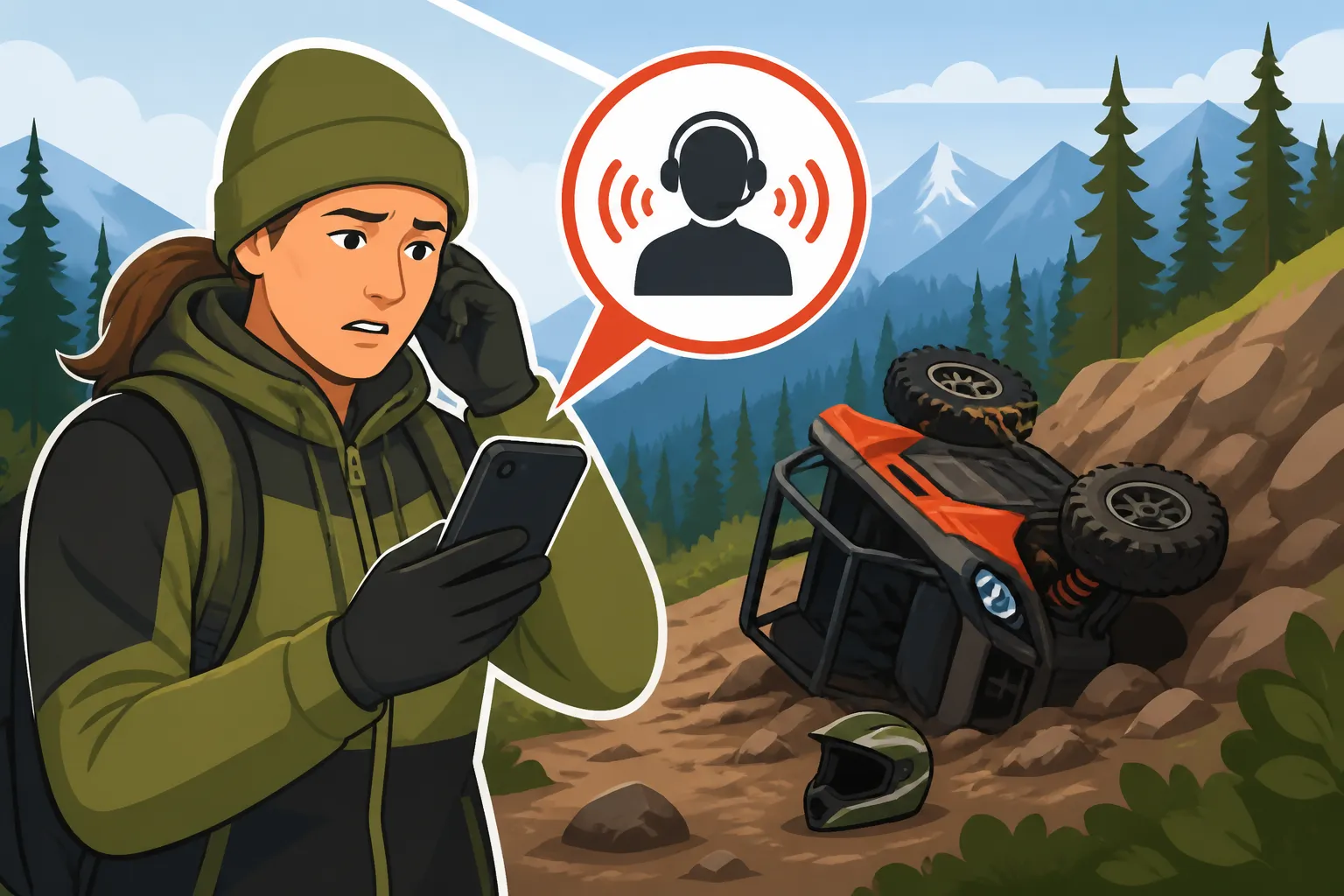
Once you’ve assessed the people, assess the scene. Is the machine leaking fuel? Is there a risk of fire? Turn off the engine if it’s still running to prevent further damage or injury. If the machine is blocking a trail or presenting a hazard to others (which is less common in truly remote bush but still possible), consider how you might safely mark the area. Reflective tape or bright clothing tied to nearby trees can help, especially if it’s getting dark. If you carry a satellite messenger – and you absolutely should when riding in the bush – now is the time to activate its emergency beacon or send a message detailing your situation and location. [Carrying a Satellite Messenger Off the Alaska Road System] is not just a suggestion; it's a lifesaver. This immediate communication can be the fastest way to get help moving in your direction, giving vital information to search and rescue teams.
Documenting the Scene and Damage
After ensuring immediate safety, your next critical task is to document everything. Even though you might be disoriented or focused on an injury, try to gather as much information as possible. This documentation will be invaluable for reporting the incident later, whether to law enforcement, search and rescue, or your insurance company. Start by taking photographs and videos with your phone or a dedicated camera, if it’s still functional. Capture wide shots of the overall scene, showing the machine's position relative to its surroundings. Then get close-up photos of the damage to the ATV/UTV itself, any damage to personal property, and any visible injuries. Don't forget to photograph the terrain, trail conditions, and any obstacles that might have contributed to the crash.
Next, make note of the exact location. Modern smartphones often have GPS coordinates built into their camera apps, or you can use a dedicated GPS device. Write down the latitude and longitude, and also describe any prominent landmarks – a specific bend in the river, a distinctive rock formation, a named trail junction, or how many miles you are from a known cabin or trapline. The more precise you are, the easier it will be for responders to find you and for you to accurately report the incident. If by some rare chance there were other people around – perhaps another group of riders or a cabin owner – gather their contact information and any observations they might have had. While uncommon in the deep bush, any witness can provide crucial context. Even if you don't think you'll report it immediately, having this information can be vital if injuries turn out to be more severe than initially thought or if property damage becomes a larger issue.
Understanding When and How to Report
In the solitude of the Alaskan bush, the idea of "reporting" a crash might feel secondary to simply surviving and getting out safely. However, understanding your legal obligations and knowing who to contact can save you headaches, and potentially legal troubles, down the line. It's about being prepared for the moment when your remote incident needs an official record.
Legal Obligations for Reporting an ATV/UTV Crash
Alaska has specific laws regarding vehicle accidents, and while some people might think these only apply to cars on highways, they can extend to ATVs and UTVs, especially when operating on public lands or involving certain circumstances. Generally, you are legally required to report an accident if it results in serious injury or death, or if there is significant property damage (often defined as over a certain dollar amount, though for a machine in the bush, damage that renders it inoperable or requires major repair usually qualifies). Additionally, if the crash involves another vehicle, person, or property not your own – perhaps you hit a cabin, a snowmachine, or caused damage to a public trail infrastructure – reporting becomes even more critical. Ignoring these requirements can lead to fines, penalties, or issues with insurance claims later on. It’s always better to err on the side of caution and report if there's any question of severity. This process is similar to [Alaska Accident Reporting for an ATV Crash] on more accessible trails or roads, but the logistics of reporting are vastly different.
Even if you don't believe you're legally obligated, consider the practical benefits. An official report creates a record of the incident, which is crucial for any insurance claims you might make for your machine or medical bills. Without a formal report, it can be challenging to prove the circumstances of the crash to your insurance provider. It also protects you from potential future claims if, for example, an injury you sustained seems minor at the time but later develops into something more serious. Furthermore, if you're riding on state or federal lands, there might be agency-specific regulations that require reporting any incident that impacts the environment or public safety. Knowing this beforehand, perhaps as part of your [Filing a Trip Plan With Someone], is a sign of a responsible rider.
Who to Contact in Remote Alaska
This is where the "bush" aspect really comes into play. You can't just dial 911 and expect a city police cruiser to show up. In most remote parts of Alaska, your primary contact for any serious incident will be the Alaska State Troopers (AST) or, if you're on public lands and the incident involves wildlife or natural resources, the Alaska Wildlife Troopers (AWT). These are the folks who have the jurisdiction and often the means (like aircraft or snowmachines) to respond to remote locations. [Trooper Patrols on Public Land] are common, and they are usually the first point of contact.
However, actually contacting them is the challenge. As mentioned, cell service is non-existent in much of the bush. This reinforces the absolute necessity of a satellite communication device – whether it's a satellite phone or a two-way satellite messenger. These devices allow you to send detailed messages or even make calls to emergency services. When you make contact, clearly state you have an emergency, provide your exact GPS coordinates, describe the nature of the crash (injuries, number of people involved, type of machine), and describe the terrain. In some smaller, unorganized boroughs or Native villages, you might also have Village Public Safety Officers (VPSOs) or local tribal authorities who can assist or coordinate with AST. These local contacts often have invaluable knowledge of the terrain and resources. Be prepared for response times to be lengthy, possibly hours or even days, depending on weather, location, and the availability of resources.
The Reporting Process and What to Expect
Once you've made contact with authorities, the reporting process begins. It's a formal step, and understanding what information you'll need to provide and what to expect afterward can help you navigate what is undoubtedly a stressful situation. Even though you might be physically and emotionally drained, clarity and accuracy are key.
Information You'll Need to Provide
When you finally connect with an Alaska State Trooper or other emergency personnel, they'll need a comprehensive amount of information to create an accurate report. Be prepared to provide:
- Your personal details: Full name, date of birth, contact information.
- Machine details: Make, model, year, Vehicle Identification Number (VIN), and your Alaska registration number (if applicable). This is where having your registration paperwork in a waterproof bag becomes crucial. You don't get a metal plate in Alaska; instead, [Alaska Issues a Decal, Not a Plate], and this decal number is your registration number.
- Date and Time of the crash: Be as precise as possible, even if it's an estimation.
- Exact Location: GPS coordinates are best, but detailed descriptions of landmarks are also vital.
- Description of the Incident: Explain what happened leading up to the crash, during the crash, and immediately afterward. Be factual and avoid speculation.
- Injuries: Detail any injuries sustained by yourself or others, including their nature and severity.
- Damage: Describe the damage to your ATV/UTV and any other property involved.
- Witnesses: If there were any, provide their contact information.
- Environmental conditions: Weather at the time, trail conditions, visibility.
Remember, honesty is paramount. Providing false information can lead to further legal complications. The Troopers are there to help, but they also need accurate facts to document the incident correctly. Having your driver's license handy, as [What a Trooper Can Ask to See] includes, is also important, even if you're just a passenger.
Follow-Up and Insurance Considerations
After the initial report is made and emergency assistance, if needed, has been dispatched or completed, the process isn't necessarily over. The authorities might conduct a more thorough investigation, especially if there were serious injuries or fatalities. They may visit the scene, interview witnesses, or take additional statements. You might be asked to provide more details as they complete their official report. Keep a copy of any report or incident number provided by law enforcement.
This report is critical for your insurance. If you carry ATV/UTV insurance – and [Alaska Requires Liability Insurance for an APV] if you plan to ride on public roads where allowed – you'll need to contact your provider as soon as possible. Provide them with the incident details and the official report number. They will use this information to process any claims for machine damage, medical expenses, or liability. [Insurance After a Backcountry Collision] can be complex, especially with unique circumstances of remote Alaska, so having an official record is your best evidence. Without it, you might find your claim denied or significantly delayed. Be prepared for your insurance company to ask for additional documentation, such as repair estimates or medical records. They may also send an adjuster to inspect the damaged machine, which can be logistically challenging if it's still stuck deep in the bush, requiring you to arrange for its recovery.
Preventing Future Incidents and Enhancing Safety
While this guide focuses on what to do after a crash, the best crash is the one that never happens. Alaska's rugged terrain and unpredictable conditions demand a proactive approach to safety. Equipping yourself and planning meticulously are not optional; they are essential for anyone venturing into the bush on an ATV or UTV.
Essential Gear for Bush Riding Safety
Your gear choices can significantly impact your safety and ability to respond effectively to an emergency. Beyond the machine itself, there are several items no bush rider should be without:
- First Aid Kit: A comprehensive one, not just a small consumer kit. Include trauma dressings, splints, pain relievers, blister treatment, and any personal medications.
- Satellite Communication Device: As stressed before, a satellite phone or two-way messenger is paramount. Cell phones are practically useless beyond a few miles from town. [Carrying a Satellite Messenger Off the Alaska Road System] is non-negotiable for serious bush riding.
- Repair Tools & Spares: A basic toolkit, tire repair kit, small air compressor, extra belt, spark plug, and a tow strap are crucial. Knowing how to use them is just as important.
- Winch: A powerful winch mounted to your machine is invaluable for self-recovery if you get stuck, especially in mud, snow, or crossing soft ground. Brands like SuperATV offer robust winch systems and mounting kits that are built to handle the kind of punishment Alaskan terrain dishes out. Their heavy-duty winches, often paired with synthetic rope, can be a game-changer when you're alone and need to get unstuck from a challenging situation, preventing the crash from worsening or stranding you further.
- Navigation: A reliable GPS unit with pre-loaded maps of the area, plus a physical map and compass as a backup.
- Fire Starting Kit: Waterproof matches, lighter, fire steel, and tinder.
- Shelter: A lightweight tarp, emergency blanket, or bivy sack.
- Food and Water: Enough for several days beyond your planned trip duration.
- Signaling Devices: Whistle, signal mirror, bright-colored flagging tape.
- Extra Clothing: Layers, rain gear, warm gloves, and a hat, even in summer. The weather can turn instantly.
- Recovery Gear: In addition to a winch, SuperATV also provides heavy-duty skid plates and bumpers that can protect your machine from impacts with rocks or logs, potentially preventing a crash or limiting damage to critical components. Recovery straps and shackles are also vital for pulling a stuck machine out with another vehicle.
Trip Planning and Preparedness
Before you even turn the key, thorough trip planning is your first line of defense against incidents. Never head out into the bush unprepared or without telling someone your intentions.
- File a Trip Plan: Always let a trusted person know your exact route, planned departure and return times, who is with you, and what kind of machine you’re riding. [Filing a Trip Plan With Someone] is a simple step that can mean the difference between a quick rescue and a prolonged search.
- Ride with a Buddy: The "buddy system" is critical in Alaska. Two machines are safer than one. If one gets stuck or breaks down, the other can assist or go for help.
- Know Your Route & Conditions: Study maps, understand the terrain, and be aware of current weather forecasts. Be prepared for [Alaska Rules for Riding in Breakup] or freeze-up, which present unique hazards. Understand the land you're on, checking [Alaska Land Ownership and Who to Ask] to avoid trespassing or unknowingly entering restricted areas.
- Machine Maintenance: Ensure your ATV/UTV is in top mechanical condition. Check tires, brakes, fluids, and lights before every ride. A breakdown far from civilization can quickly become an emergency.
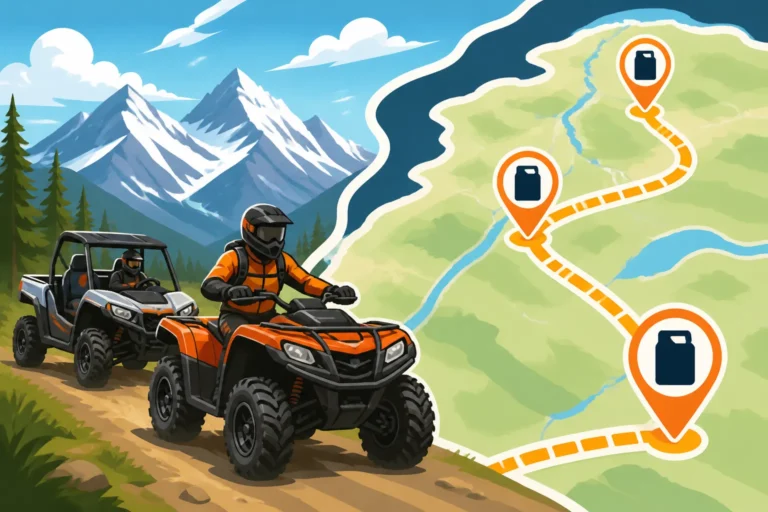
- Carry Extra Fuel: [Carrying Extra Fuel Safely] is often overlooked. You'd be surprised how quickly you can burn through fuel in challenging terrain.
- Training and Experience: Take an ATV safety course. Practice riding in varied terrain. Learn basic first aid and survival skills. The more experienced and prepared you are, the better equipped you'll be to handle unexpected situations.
- Manufacturer Guidelines: Pay attention to manufacturer age and passenger guidelines. [Riding Two Up on a Single-Seat Quad in Alaska] is often against recommendations and increases the risk of an accident, especially in rough terrain.
By taking these steps, you not only increase your chances of having a safe and enjoyable adventure but also dramatically improve your ability to respond effectively if a crash, unfortunately, does occur.
Disclaimer
This article is for general informational purposes only and does not constitute professional advice. Laws, prices and regulations vary by location and change over time. Consult a qualified professional for guidance on your specific situation.