A Credit Union Loan for an Alaska Quad
Buying an ATV or UTV in Alaska can be a significant investment, and for many Alaskans, paying cash outright simply isn't feasible. The thought of navigating loan applications, interest rates, and all the associated paperwork can feel overwhelming, especially when all you want to do is get out on the trails. This guide will walk you through the process of securing a loan for your quad through an Alaska credit union, explaining what to expect, what documents you'll need, and how to get your new machine registered and ready for adventure.
Why a Credit Union Might Be Your Best Bet for an Alaska Quad Loan
When it comes to financing a major purchase like an all-purpose vehicle (APV) in Alaska, many folks immediately think of big banks. But credit unions, with their member-focused approach and often community-rooted operations, can be a fantastic alternative. They operate differently, often prioritizing their members' financial well-being over maximizing shareholder profits, which can translate into tangible benefits for you.
The Local Advantage and Member Focus
Credit unions in Alaska often have a deep understanding of the unique lifestyle and financial needs of Alaskans. They know that a quad isn't just a toy; it's often a vital tool for subsistence, transportation, or accessing remote areas for hunting, fishing, or cabin visits. This local perspective can make a big difference when you're seeking financing. Instead of feeling like just another number, you often find a more personalized approach, where loan officers might take the time to truly understand your situation and help you find a loan that fits. They're more likely to be invested in the success of their members and the local community, which fosters a more supportive lending environment. This can be especially comforting if you're new to the world of powersports financing or have unique circumstances.
Typically Competitive Rates and Flexible Terms
One of the most compelling reasons to consider a credit union for your Alaska quad loan is their potential for offering more competitive interest rates and flexible loan terms. Because credit unions are non-profit organizations, they often pass savings back to their members in the form of lower interest rates on loans and higher returns on savings. While rates can vary widely based on your credit history and the specific credit union, it’s always worth comparing their offers against traditional banks. Furthermore, credit unions may be more willing to work with you on loan terms, such as the length of the repayment period or the structure of payments, to ensure they align with your budget and financial goals. This flexibility can make a substantial difference in your monthly payments and overall financial comfort. They aim to make ownership accessible, not just profitable.
Building Your Financial Relationship in Alaska
Getting a loan for your quad through an Alaska credit union isn't just a transaction; it's an opportunity to build a lasting financial relationship. Many Alaskans find that once they become members, they gain access to a wider range of services, from checking and savings accounts to other types of loans, all often with member-friendly terms. Establishing a positive payment history on your quad loan can strengthen your financial standing with the credit union, potentially making it easier to secure future loans for a home, a car, or even a snowmachine down the line. It's about becoming part of a financial cooperative that's designed to serve you, rather than a customer in a purely commercial relationship. This long-term relationship can be a valuable asset in the Alaskan financial landscape.
Navigating the Application Process for Your All-Purpose Vehicle
So, you've decided a credit union is the way to go. Great choice! Now, let's talk about getting through the loan application process. It might seem daunting at first, but by being prepared and understanding what’s expected, you can make it a smooth experience. The key is to have all your ducks in a row before you even step foot in the branch or click "apply online."
Essential Documents for Your Loan Application
To apply for a loan for your quad, your credit union will need some fundamental information to assess your eligibility and financial health. Generally, you'll need to provide proof of income, which could include recent pay stubs, tax returns (especially if you're self-employed), or other documentation showing a steady income source. They'll also ask for identification, such as your Alaska driver's license or state ID. Beyond your personal information, if you've already found the quad you want to purchase, you'll need details about the machine itself. This often includes the make, model, year, Vehicle Identification Number (VIN), and the proposed purchase price. If you're buying from a private seller, having a draft or copy of the [Alaska Bills of Sale for a Used Machine] can be helpful, outlining the sale terms. For new machines, a purchase order or similar document from the dealer will suffice. The more prepared you are with these details, the quicker the application can proceed.
Understanding Credit Checks and Your Financial Standing
A crucial part of any loan application is the credit check. Your credit union will pull your credit report to evaluate your borrowing history, payment patterns, and existing debt. This helps them determine your creditworthiness and the interest rate you qualify for. It's a good idea to check your own credit report before applying to identify any potential issues or errors. Lenders are looking for a history of responsible borrowing, so if you have a strong credit score, you're more likely to secure favorable loan terms. Don't worry if your credit isn't perfect; credit unions are sometimes more flexible and willing to work with members to improve their financial standing over time, perhaps by offering a slightly higher interest rate or requiring a co-signer. They understand that life happens, and they often focus on helping members reach their goals.
What to Expect During Loan Review and Approval
Once you've submitted your application and all supporting documents, the credit union's lending team will review everything. This process can take anywhere from a few hours to a few business days, depending on the complexity of your application and the credit union's workload. They might reach out if they need additional information or clarification on anything. During this time, they're assessing your debt-to-income ratio, your ability to repay the loan, and ensuring the loan amount aligns with the value of the quad you intend to purchase. If approved, you'll receive a loan offer outlining the interest rate, repayment term, monthly payment amount, and any other specific conditions. Be sure to read this document carefully and ask any questions you have before signing. Once you sign, the funds are typically disbursed, either directly to you, the seller, or the dealership. This is the exciting part where your dream of owning an Alaska quad starts to become a reality!
From Loan Approval to Hitting the Alaskan Trails
Congratulations, your loan is approved! The hardest part is over. Now, it's time to finalize the purchase of your quad and ensure all the legal requirements are met so you can hit those beautiful Alaskan trails. This involves a few critical steps that can sometimes trip up new owners, but with a bit of guidance, you'll be navigating them like a pro.
Securing Your Quad with the Approved Funds
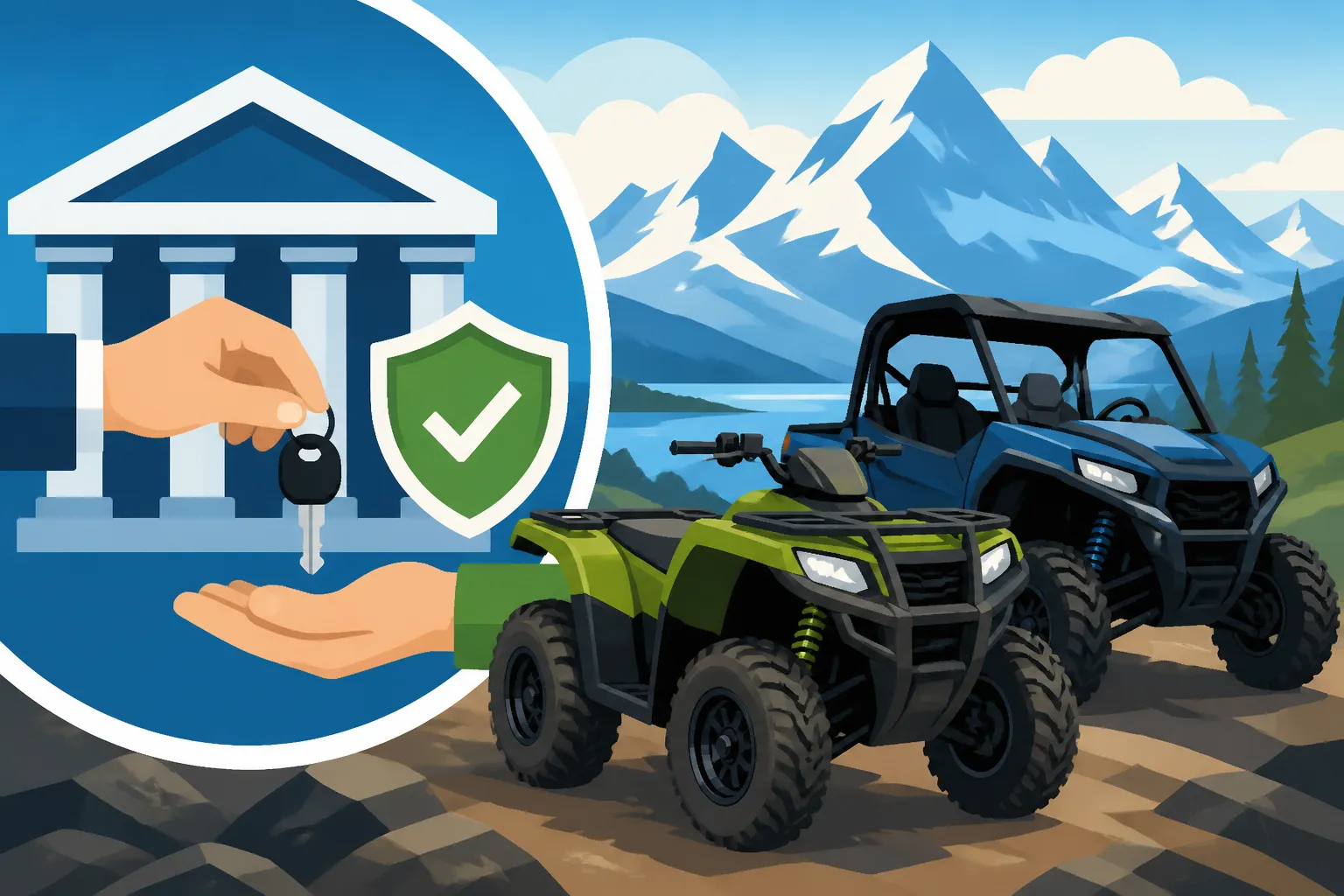
With your loan approved, you'll work with the credit union to disburse the funds. If you're buying from a dealership, the funds might be sent directly to them. If you're purchasing from a private seller, the credit union may issue a check directly to the seller, or to you to then endorse to the seller. Make sure all parties understand the payment method to avoid delays. At this point, you'll officially take possession of your quad. It’s crucial to get a completed bill of sale, even if it's a simple one, detailing the transaction. For private sales, a comprehensive bill of sale is your best defense against future disputes. Services like LawDepot can provide customizable, legally sound bill of sale templates that cover all the necessary details, ensuring both buyer and seller are protected. This document is not just a receipt; it's your initial proof of ownership.
The Crucial Steps of Titling and Registration
After purchasing your quad, the very next step, and one you absolutely cannot skip, is to get it titled and registered with the Alaska Division of Motor Vehicles (DMV). Since [Alaska APV Titling Required Since 2022], you'll need to apply for both a title and registration. The credit union, as the lienholder, will often hold the title until the loan is paid in full. However, you will still be issued the registration and decal. You'll need proof of ownership, which will be your bill of sale, the Manufacturer's Certificate of Origin (MCO) if it's new, or the previous owner's signed-over title if it's used. The DMV will also require a completed [The Vehicle Transaction Application Every OHV Owner Files]. Don't forget that [Alaska Issues a Decal, Not a Plate] for APVs, and that decal needs to be displayed correctly. You can learn more about this in our guide on [Alaska Decal Placement on the Tunnel Side] or [Alaska Decal Placement on a Side-by-Side]. You can often complete the registration in person at a DMV office or a partner office. This step is non-negotiable if you plan to ride on public lands, as [Alaska Registration Before Riding Public Land] is strictly enforced.
Important Considerations for Private Sales and Ownership Proof
Buying a used quad from a private seller introduces a few more considerations, especially concerning proof of ownership. If the seller doesn't have a clean title in their name, or if the original paperwork is lost, things can get a bit complicated. Alaska has provisions for [Alaska No Title Issued Registrations] under certain conditions, but it often involves a waiting period. In these situations, your credit union might have specific requirements to ensure the machine isn't stolen and can be properly secured as collateral. For your own peace of mind, always verify the VIN and, if possible, check for any liens against the machine before completing the purchase. Should the seller claim to have lost the bill of sale or title, using an affidavit of ownership can be a vital step to solidify your claim to the quad. Again, resources like LawDepot can provide templates for affidavits that can help you document the transfer of ownership more formally, especially if you're dealing with a machine that has minimal prior paperwork. This helps protect your investment and ensures a smoother titling process.
Managing Your Loan and Protecting Your Investment
Once your Alaska quad is financed, registered, and ready to ride, the journey isn't quite over. You'll need to responsibly manage your loan and take steps to protect your valuable new asset. After all, a quad is a significant investment, and ensuring its longevity and your financial stability is paramount.
Making Payments and Understanding Interest
Your credit union loan will come with a clear payment schedule. It's crucial to understand when your payments are due, how much they are, and what portion of each payment goes towards the principal (the original loan amount) versus interest. Setting up automatic payments is often the easiest way to ensure you never miss a due date, which helps maintain a good credit score and avoids late fees. If you find yourself in a tight spot financially, don't hesitate to contact your credit union before you miss a payment. They may have options for deferment or adjusting your payment plan, especially since you've built a relationship with them. Understanding your interest rate and how it affects the total cost of your loan over time is also key. The sooner you pay off your principal, the less interest you'll pay overall.
What Happens if You Need to Sell or Trade Your Financed Quad
Life in Alaska can change quickly, and you might find yourself needing to sell or trade your quad before the loan is fully paid off. This is a common situation. Since your credit union holds a lien on the machine, you can't simply sell it without their involvement. The process typically involves contacting your credit union to get the exact payoff amount. When you sell the quad, a portion (or all) of the sale proceeds will go directly to the credit union to pay off the remaining loan balance. If you sell it for more than you owe, you keep the difference. If you sell it for less, you'll still be responsible for paying the remaining balance to the credit union. When trading it in at a dealership, they will usually handle the payoff process directly with your credit union, rolling any remaining balance into your new purchase or having you cover the difference. It's always best to be transparent with both your lender and the buyer or dealer about the outstanding loan.
Protecting Your Investment with Insurance and Proper Documentation
Just like any other vehicle, your Alaska quad is exposed to risks, from accidents on the trail to theft. While [Alaska Requires Liability Insurance for an APV] if you plan to ride on public roads, it's highly recommended to carry comprehensive and collision coverage, especially since your credit union has a financial interest in the machine. This insurance protects your investment against damage, theft, or other unforeseen circumstances, ensuring you're not left with a loan payment for a machine you no longer have or one that's too expensive to repair. In addition to insurance, maintaining excellent records of your purchase, loan agreement, maintenance, and any upgrades is vital. Keep copies of your [Alaska ATV Registration Renewal] paperwork, title documents, and bill of sale in a safe place. Should any disputes arise, having all your documentation in order, perhaps even formalized through a template from a service like LawDepot, will make the process much smoother. This diligent approach helps protect both your quad and your peace of mind.
Disclaimer
This article is for general informational purposes only and does not constitute professional advice. Laws, prices and regulations vary by location and change over time. Consult a qualified professional for guidance on your specific situation.