Alaska Machines With No Paperwork
It’s a tale as old as Alaska itself: you’ve got a quad, a side-by-side, or perhaps even an old dirt bike that’s perfect for getting around your cabin, hitting the trails, or just hauling firewood. The only problem? It has absolutely no paperwork. No bill of sale, no title, maybe not even an old registration card. You’re not alone in this frustrating situation, and this guide is here to walk you through how to navigate Alaska’s unique system to get your machine legally recognized, even when starting from scratch.
The Common Frustration: Why Paperwork Goes Missing in Alaska
Having an ATV or UTV with no documentation can feel like a dead end, leaving you wondering if you’ll ever be able to use it legally or sell it down the line. In Alaska, this isn't an uncommon scenario. Life here often happens off the beaten path, and sometimes, the usual rules for transferring ownership get a little… flexible. It’s not about being irresponsible; it’s often about the realities of how things work in remote areas or through generations.
How Machines Change Hands Off the Grid
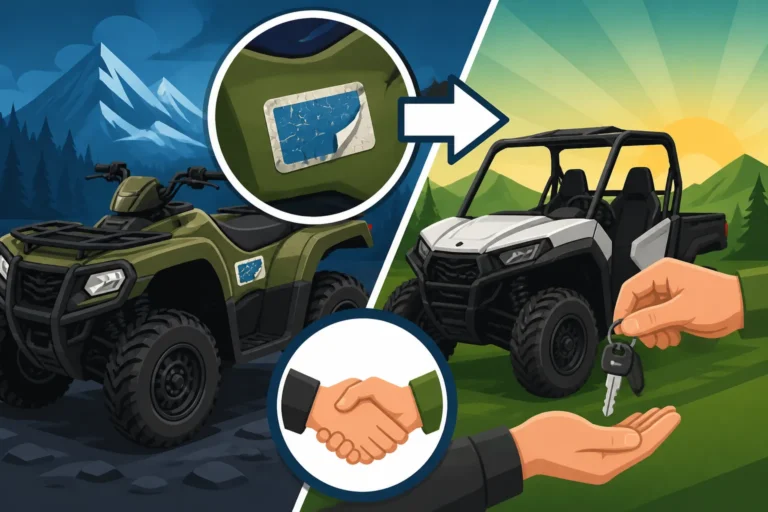
Think about it: many machines in Alaska have a rich history. Maybe it was your grandpa’s old three-wheeler that’s been sitting in the shed for twenty years, and the original paperwork is long gone. Or perhaps you bought a used quad from a buddy in a village way out on the system, sealed the deal with a handshake, and never thought twice about a formal bill of sale until you decided to register it. These are classic Alaska scenarios. You might even have moved up here from the Lower 48, bringing a machine that was never titled in its home state, or whose title was lost somewhere along the way. In the vastness of Alaska, it’s easy for machines to change hands through verbal agreements, trades, or simply being passed down through families without ever touching a formal DMV process. Tracking down original owners or the elusive first bill of sale can feel like looking for a needle in a haystack, especially if they’ve moved on or are simply unreachable. This kind of situation leaves many Alaskans feeling stuck, wondering how to legitimize their cherished piece of equipment.
The Problem with an Unregistered or Untitled Machine
The immediate and most significant problem with an unpapered machine is its legality on public lands. In Alaska, if you plan to ride your ATV or UTV on any public land, which includes state trails, borough lands, or even crossing a public road shoulder, your machine generally needs to be registered. This is where [Public Property as the Trigger] comes into play. Without that registration decal, you’re at risk of fines if you encounter a trooper or land manager. Beyond the immediate legal hurdle, an unregistered or untitled machine significantly impacts its value and your future options. Trying to sell a quad without proper documentation is a huge headache; most buyers will shy away, and dealers won't touch it. It’s like owning a vehicle but being unable to prove it’s truly yours, which can lead to headaches if it's ever stolen or involved in an accident. Essentially, an unpapered machine is an asset trapped in limbo, unable to fully participate in the Alaskan outdoor lifestyle you bought it for.
Alaska's No Title Issued NTI Registration: Your Path Forward
Don't despair! Alaska's Division of Motor Vehicles (DMV) understands these unique circumstances and has a process specifically designed for machines without traditional paperwork. It's called the "No Title Issued" or NTI registration. This path acknowledges that in a place like Alaska, not every machine comes with a perfectly documented history, and it provides a way for responsible owners to bring their machines into compliance.
Understanding the NTI Process for Older Machines
The NTI process is a lifeline for many Alaskans. It essentially allows you to register your all-purpose vehicle (APV) even if you don't have a formal title or a traditional bill of sale. This is incredibly helpful for those old family quads, machines passed down through the generations, or purchases made through less formal channels common in rural Alaska. The core idea is that if you can demonstrate a legitimate claim to ownership, even without the gold-standard documents, Alaska will provide you with a registration decal. However, there's a catch, or rather, a safeguard: the [Two Uncontested Years] period. For the first two years of an NTI registration, a physical title will not be issued. Instead, the DMV records your ownership and provides the registration, complete with a decal. This waiting period is designed to allow any rightful owner to come forward and claim the machine if, by chance, you've acquired one that truly belongs to someone else. It's a pragmatic solution that balances the needs of Alaskans with protecting against potential fraud. You can learn more about the specifics of this pathway in our guide on [Alaska No Title Issued Registrations].
Gathering What You Can: Affidavits and Supporting Documents
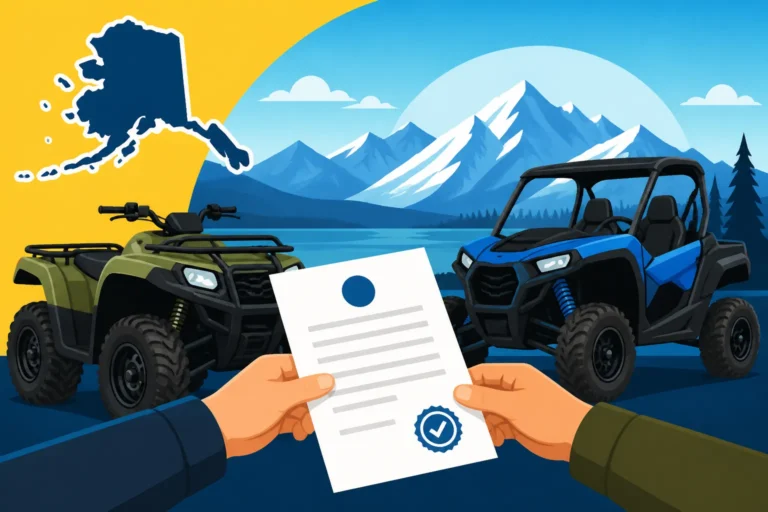
Even without a formal title or manufacturer's certificate of origin (MCO), you're not entirely without options. The key is to gather any and all scraps of information that can support your claim of ownership. If you have even a handwritten note from the person you bought it from, treat it like gold. A simple, dated, and signed note stating "I sold this 2005 Polaris Sportsman VIN# [XXXX] to [Your Name] for [Amount] on [Date]" can serve as a makeshift bill of sale. Our article on [Alaska Bills of Sale for a Used Machine] has more details on what makes these documents useful.
If a bill of sale isn’t an option, an affidavit becomes your best friend. An affidavit is a sworn statement, and it's a critical piece of the NTI puzzle. You, or ideally the person you acquired the machine from, can create an affidavit attesting to the transfer of ownership. This document needs to be clear, concise, and include specific details about the machine and the transaction. It's crucial to list the VIN, make, model, and year, along with the names of the parties involved and the circumstances of the transfer. If you’re struggling to create a formal-looking affidavit, online legal document services like LawDepot can be incredibly helpful. They offer templates and guided processes to ensure your affidavit meets generally accepted legal standards, giving it more weight with the DMV. Even if you only have a past owner, and they’re willing to sign an affidavit, that’s a significant step. Our guide [What an Affidavit Naming the Seller Must Include] can help you understand the necessary components. Beyond affidavits, any other supporting documents—old repair receipts with the VIN, insurance records, or even dated photographs of you with the machine—can strengthen your case for ownership. The more evidence you can provide, the smoother the process will be.
The Step-by-Step for NTI Registration
Once you understand the NTI process and have gathered what evidence you can, it’s time to put your application together. It might seem daunting, but breaking it down into manageable steps makes it much less intimidating. Remember, DMV clerks in Alaska are generally familiar with these scenarios and are often willing to help you through the nuances.
Preparing Your Application Packet
The core of your NTI registration is the Vehicle Transaction Application, often called Form V1. This is the universal form for most vehicle-related transactions in Alaska. You'll need to fill this out completely, ensuring all fields related to your machine (make, model, year, VIN) are accurate. If your machine's VIN is unclear or hard to read, you might need a VIN verification, which can sometimes be performed by a law enforcement officer or certain certified garages. This ensures the VIN you're providing matches the machine.
Alongside the V1 form, you'll include your supporting documents. This means your affidavit (which, again, tools like LawDepot can help you create with professional polish) and any other evidence you've managed to collect. Don't forget proof of your current Alaska mailing address, as this is a standard requirement for any registration – you can read more about it in [Alaska Registration and Proof of Address]. You'll also need to decide on your registration term: two, four, or six years. Alaska charges [Alaska Charges $10 for Two Years], [Alaska Charges $20 for Four Years], or [Alaska Charges $30 for Six Years] for these terms, so choose what works best for your plans. It's important to have all these pieces organized before you head to the DMV to avoid multiple trips. The more prepared you are, the faster and less stressful the process will be. Remember, the goal is to present a clear, compelling case for your ownership despite the lack of traditional paperwork.
The Two-Year Waiting Period and Its Implications
Once your NTI application is processed and approved, you'll receive a registration decal. This decal allows you to legally operate your machine on public lands. However, it's crucial to remember that for the initial two years, the DMV record will reflect a "No Title Issued" status. This means you have a valid registration, but you won't be handed a physical title certificate.
The purpose of this [Two Uncontested Years] waiting period is straightforward: it provides a window during which any previous rightful owner could potentially come forward and claim the machine. It’s a safeguard against stolen property being registered under new ownership without proper checks. During this time, your ownership is on record, and you’re compliant with registration laws, but the state hasn't fully "certified" your title. What if someone does claim your quad? This is a rare occurrence, but it can happen. If a claim is made and proven legitimate, the machine's ownership would revert, and you would likely lose possession. Our article, [What If Someone Else Claims Your Registered Quad?], delves into this possibility. After this two-year period has passed without contest, you can then apply for a standard title for your machine, effectively removing the NTI designation and providing you with a clear, transferable title. This transition gives you full, undisputed ownership, making future sales or transfers much simpler.
Important Considerations and Potential Pitfalls
While the NTI process is a fantastic solution for many Alaskans, it's not a magic bullet for every machine. There are specific types of vehicles that Alaska will not register as an All-Purpose Vehicle (APV), and other factors like existing liens can complicate even a straightforward NTI application. Being aware of these potential roadblocks upfront can save you time and frustration.
Machines Excluded from APV Registration
Not every off-road machine qualifies for APV registration in Alaska, regardless of your paperwork situation. The state has specific definitions for what constitutes an APV. For example, [Alaska Excludes Snowmobiles From APV] as they fall under their own separate registration category. Similarly, [Alaska Excludes Tracked Vehicles] from the APV class, meaning machines like small tracked utility vehicles or tracked loaders generally can't be registered as APVs. Even some popular vintage machines are out: [Alaska Excludes Three-Wheelers] due to safety concerns and [Alaska Excludes Homemade ATVs] if they don't meet specific manufacturing standards. It’s important to understand these distinctions before you embark on the NTI process, as a machine that doesn’t fit the APV definition simply won’t be registered, no matter how much effort you put into affidavits. You can find a comprehensive list and explanation in [Machines Alaska Will Not Register as an APV]. Always double-check your machine's eligibility against the DMV's APV definition to ensure you're on the right track.
Dealing with Liens and Security Interests
One of the trickiest situations when dealing with an unpapered machine is the possibility of an outstanding lien or security interest. While you might not have a title, a previous owner could have financed the machine, and the lender would hold a lien against it. Even if you've physically possessed the machine for years, that lien could still be active on a state's record. If a lien is discovered during the NTI process, it will absolutely block your ability to obtain a clear registration, and certainly a title. [Alaska Security Interests and NTI Titles] explains this in more detail. The DMV will not issue an NTI registration if a valid lien is recorded against the vehicle. This scenario is particularly frustrating because you may have no knowledge of the lien. While there isn't a perfect way to check for liens on a machine without a VIN, if you have any identifying numbers, it's worth seeing if you can run a rudimentary check through a national database, though this isn't always foolproof. If a lien does surface, you'd be in a position where you would need to contact the lienholder to either get the lien released (which usually involves paying off the debt) or provide proof that the debt has already been satisfied. This is a significant hurdle and can sometimes mean the machine is more trouble than it's worth.
Selling an NTI-Registered Machine
So, you’ve successfully gone through the NTI registration process, and you have your decals. Can you sell the machine during that initial two-year waiting period? Yes, you can, but it comes with challenges. When you sell an NTI-registered machine before the two-year period is up and a clear title is issued, the buyer essentially inherits the "No Title Issued" status. This means they will be subject to the same waiting period before they can apply for a clear title themselves. Naturally, this complicates the sale and can significantly impact the machine's resale value. Most buyers prefer a machine with a clear title, as it eliminates uncertainty and simplifies future transactions for them.
You’ll still need to provide a bill of sale to your buyer, detailing the NTI status. Again, services like LawDepot can help you draft a comprehensive bill of sale that accurately reflects the NTI status and protects both you and the buyer. Once the two-year period has passed and you’ve applied for and received a clear title, selling the machine becomes a much more straightforward process, just like selling any other titled vehicle. The machine's value will likely increase, and you'll attract a wider pool of interested buyers who aren't looking to inherit a paperwork project. Therefore, if you plan to sell, waiting out the two-year period and obtaining the title can be a financially wise decision.
| Scenario for Missing Paperwork | Likelihood of NTI Success | Key Actions Required | Potential Hurdles |
|---|---|---|---|
| Inherited from a relative | High | Affidavit from you explaining history, death certificate (if applicable), family statements. | Lack of VIN, contested estate claims |
| Verbal sale from a known person | Moderate | Affidavit from seller and you, detailed bill of sale. | Seller unwilling to sign, difficulty locating seller |
| Found/Abandoned machine | Low | Police report, public notice, affidavit of possession. | True owner coming forward, complex legal process |
| Bought at auction with no paper | Moderate | Auction bill of sale, affidavit of non-receipt of title. | Auction house provides no additional support, unknown liens |
| Moved from out of state with lost title | High | Previous registration (if any), affidavit of lost title, VIN verification. | Inconsistent VIN records, proof of previous state registration |
Disclaimer
This article is for general informational purposes only and does not constitute professional advice. Laws, prices and regulations vary by location and change over time. Consult a qualified professional for guidance on your specific situation.