Alaska Registration Without a Bill of Sale
It's an all-too-common scenario here in Alaska: you've got a fantastic ATV or UTV, maybe you bought it used from a friend of a friend, or perhaps it was a family hand-me-down, and now you're ready to register it for some epic backcountry adventures, only to realize that crucial bill of sale is nowhere to be found. The thought of navigating the Alaska DMV (or one of its partner offices) without that seemingly essential piece of paper can feel incredibly daunting, like trying to cross a braided river without knowing the shallowest channels. But don't despair! This guide is here to walk you through the options and help you understand how to register your all-purpose vehicle (APV) in Alaska even when that original bill of sale has gone missing.
Why a Bill of Sale is Usually Preferred, and Why It Goes Missing
When you purchase an all-purpose vehicle (APV), whether it's a trusty ATV or a rugged side-by-side, the bill of sale is the gold standard for proving ownership. It's a legal document that clearly outlines the transaction: who sold the machine, who bought it, the date, the price, and most importantly, the vehicle identification number (VIN). For the Alaska Division of Motor Vehicles (DMV), or any of its authorized partner offices, this document provides a clean, unambiguous record of your legal right to register the machine in your name. It's the simplest path to getting your machine legal for public land use.
However, life happens, especially in Alaska. Perhaps you bought a used quad on a handshake deal years ago, and the original paperwork was never prioritized. Maybe it was a gift from a relative, and the focus was on getting out on the trails, not on formalizing the transfer of ownership with a document. Or, in a particularly common situation, the machine has been passed down through generations, and the original owner is no longer around, or the paper trail has simply faded into the mists of time. You might have inherited a machine, found it after years of storage, or bought it from someone who themselves never had a formal bill of sale. These situations are surprisingly frequent, and the good news is that the state of Alaska understands that unique circumstances arise.
Acceptable Alternatives to a Bill of Sale
While a bill of sale is definitely the easiest route, Alaska does offer several alternative ways to establish proof of ownership for your ATV or UTV, allowing you to move forward with registration. The key is to provide enough verifiable information to satisfy the state that you are the rightful owner. This might involve a combination of documents or a specific type of sworn statement. It's all about building a clear picture of how the machine came into your possession.
The Power of an Affidavit Naming the Seller
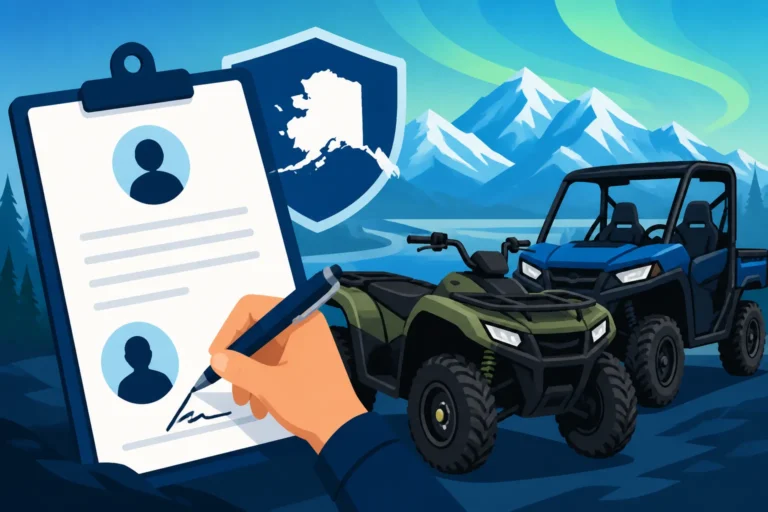
One of the most common and widely accepted alternatives when a traditional bill of sale is unavailable is an affidavit. This is a sworn statement, written and signed by the previous owner (or seller), attesting to the fact that they sold or transferred the machine to you. It's a legally binding document where the person providing the affidavit confirms the details of the transaction under penalty of perjury. For an affidavit to be effective for registration purposes, it needs to be comprehensive and clearly state certain pieces of information. It should include the full names and addresses of both the seller and the buyer, the date of the sale or transfer, the make, model, year, and crucially, the Vehicle Identification Number (VIN) of the ATV or UTV. If possible, the previous owner's signature should be notarized, adding an extra layer of authenticity and legal weight to the document. This notarization often helps streamline the process at the DMV. [What an Affidavit Naming the Seller Must Include] provides more details on what needs to be in this document.
If the original seller is still available and willing to help, this is often the fastest and most straightforward alternative. They simply need to put the details of the transfer in writing and sign it. Online resources like LawDepot can be incredibly helpful for finding reliable, customizable templates for affidavits and other legal documents, ensuring you include all the necessary information. Having a clear, well-structured affidavit can save you a lot of back-and-forth when you visit the registration counter.
Using a Warranty Card for a New Machine
For those who purchased a brand-new ATV or UTV from a dealership but somehow misplaced the bill of sale before registering, a warranty card can often serve as proof of ownership. Dealerships typically provide a warranty card from the manufacturer with new machines, which includes the buyer's name, the machine's VIN, and the date of purchase. While not a transactional document in the same way a bill of sale is, it clearly links you to the new machine through the manufacturer's records.
This method usually works best for very recently purchased machines, as the information on the warranty card is still fresh and easily verifiable. If you have the original warranty card, make sure it's filled out completely with your name and the dealer information. Presenting this along with your application tells the DMV that you are the first recorded owner of that specific VIN through official channels. [Using a Warranty Card as Proof of Ownership] offers more guidance on leveraging this document.
Transferred Manufacturer's Certificate of Origin (MCO) Copies
Another option, particularly for newer machines that may not have been titled in Alaska before, is a transferred Manufacturer's Certificate of Origin (MCO). An MCO is essentially a birth certificate for a vehicle, issued by the manufacturer to the dealership, and then transferred to the first retail buyer. While Alaska only began requiring titles for APVs in 2022, many machines might still have an MCO as part of their initial paperwork. If you have a copy of the MCO, and it's been properly transferred to you by a dealer, this can often stand in for a traditional bill of sale.
This is more common for machines coming from out of state where MCOs are standard proof of new ownership or for brand-new machines here in Alaska that might have slipped through without a full bill of sale being retained. The key is that the MCO must show a clear chain of ownership, with your name as the rightful transferee. It’s critical that any transfers on the MCO are properly signed and dated.
Navigating the No Title Issued (NTI) Process
Alaska's ATV and UTV registration system has a unique component called "No Title Issued," or NTI, for many all-purpose vehicles. Historically, Alaska did not issue titles for ATVs, UTVs, or snowmachines. While this changed in 2022 to require titles for many APVs, there are still many machines in circulation that fall under the NTI category, especially older models or those without a clear paper trail. This NTI process can be a lifeline when you have no bill of sale and limited other documentation.
What is No Title Issued (NTI)?
The No Title Issued process allows you to register an ATV or UTV in Alaska even if a title was never issued for it, or if you simply don't have one. For many years, Alaska residents only registered their machines and received a decal, not a traditional title document. When you go to register a machine that falls into this category, the state effectively creates a registration record for it based on the information you provide and verifies it through their system. This is particularly relevant for older machines where a bill of sale might be entirely lost to time and the original owner is untraceable.
To initiate an NTI registration, you'll still need to complete the [The Vehicle Transaction Application Every OHV Owner Files]. On this form, you'll indicate that you are registering the machine and that no title exists. You'll then provide as much supporting documentation as you have, even if it's not a formal bill of sale. This could include old registration cards in your name or a previous owner's name, insurance cards, or the aforementioned affidavit.
The Waiting Period for an NTI Title
If you're registering a machine under the NTI process and you want to eventually get an Alaska title (which became mandatory for many APVs after 2022), you might face a waiting period. Alaska law specifies a two-year waiting period for a "No Title Issued" designation before a title can be requested. During this time, the machine is registered in your name, and you receive the decals, but the state holds off on issuing a formal title to allow for any potential ownership disputes to surface. This two-year period helps protect against fraudulent registrations. [Alaska NTI Title Steps] explains this process in greater detail.
Essentially, for two years, your registration record is marked as "NTI," and you're good to go riding on public lands. After that two-year period, assuming no other claims have been made on the machine, you can apply for a formal title. This waiting period reinforces the importance of doing your due diligence when buying a used machine without proper paperwork, and it's why an affidavit from a verifiable seller is always preferred.
The Absolute Last Resort: Registering with Minimal Documentation
Sometimes, despite your best efforts, you might find yourself with an ATV or UTV and truly minimal documentation. This could be a machine that was abandoned on your property, a very old family relic, or simply one where all prior owners are untraceable and no affidavit can be secured. This is a tough spot, but there can still be a path forward, though it requires more patience and scrutiny from the DMV.
Proving Possession and Requesting a VIN Verification
In situations where you have no bill of sale, no affidavit, and no other formal proof of ownership, your primary goal becomes proving continuous possession and the machine's legitimacy. The DMV or its partner offices will require you to complete the standard vehicle transaction application. On this form, you'll detail how the machine came into your possession, providing as much information as you can. It's helpful to write a sworn statement or an additional affidavit explaining the history of the machine as you know it, even if you are the only signatory. Using templates from resources like LawDepot can help you structure such a document professionally.
You will almost certainly be required to get a VIN inspection. This means a law enforcement officer (such as a state trooper, municipal police officer, or even a certified mechanic at certain dealerships) will physically inspect the machine to verify the VIN. They will ensure it hasn't been tampered with and that it matches any numbers you've provided. This step is crucial for verifying the machine's identity and ensuring it isn't stolen. Sometimes, they might even take photos of the VIN plate to include with your application.
What Happens When There's No Paper Trail at All?
If you genuinely have no paperwork at all and are relying solely on possession, the DMV clerk will scrutinize your application very carefully. They might ask for photographs of the machine, or additional details about where and when you acquired it. In extreme cases, they may even advise you to seek a court order to establish ownership, especially if the machine is of significant value or if there are any red flags. This is rare for ATVs and UTVs but can happen.
It's important to remember that the DMV's role is to protect against fraud and ensure clear ownership. They aren't trying to make your life difficult; they're just ensuring that the machine you're registering truly belongs to you. Being honest, providing all the information you can, and being patient will be your best assets in this scenario. [Registering a Quad When the Paperwork Is Lost] covers some additional considerations for lost documentation.
Tips for a Smooth Registration Process
Even with all your ducks in a row, dealing with vehicle registration can sometimes be a bit like navigating breakup season trails – unpredictable! Here are some tips to help ensure your ATV or UTV registration goes as smoothly as possible, especially when you're working without a traditional bill of sale.
Gather Everything Before You Go
Before you even head out the door, take the time to gather every single piece of documentation you have related to your ATV or UTV. This includes:
- Any old registration cards or decals: Even if they are expired or in a previous owner's name, they provide a VIN and a historical record.
- Insurance documents: An insurance card or policy that lists the machine's VIN and your name can serve as supporting proof of possession.
- Maintenance records or repair invoices: If you've had work done on the machine, these often list the VIN and your name as the customer.
- Photographs of the machine: Especially clear photos of the VIN plate or sticker.
- A completed Vehicle Transaction Application (Form V1): Fill out as much as you can accurately. [What Alaska's ATV Registration Form Asks For] will help you here.
- Your Alaska Driver's License or State ID: For identification purposes.
- Payment for registration fees: The DMV accepts various methods, but it’s always good to be prepared.
Having a neat folder with everything organized will make a huge difference to the clerk assisting you.
Understand the Role of the DMV Clerks and Partner Offices
The clerks at the Alaska DMV and its partner offices (often local city or borough offices) are there to help you, but they are also bound by state regulations. They will be looking for a clear, unbroken chain of ownership or sufficient evidence to establish your legal right to register the machine. Don't get frustrated if they ask a lot of questions or require additional documents. They're just doing their job to protect you and the state from potential issues.
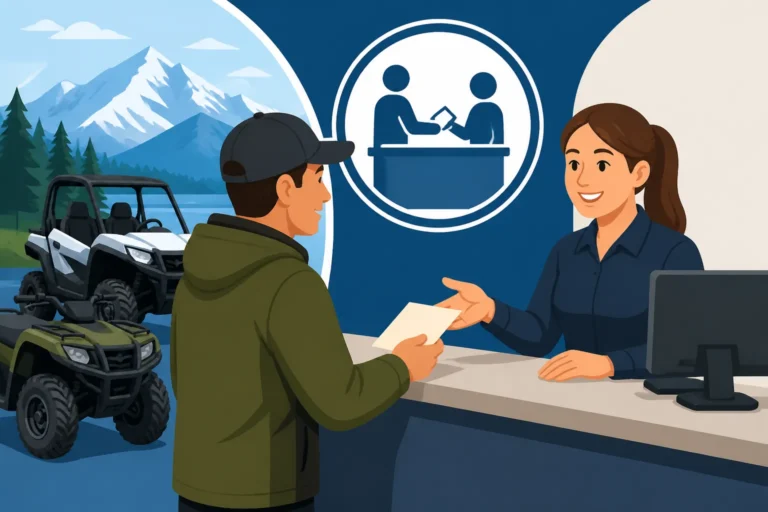
If you have a particularly complicated situation, it can sometimes be beneficial to call ahead to a [Alaska Partner Offices That Register OHVs] or the DMV directly to briefly explain your situation. They might be able to tell you exactly what documents you'll need, saving you a wasted trip. Remember, patience and politeness go a long way when dealing with bureaucracy. [Registering in Person at a Counter] also gives you an idea of what to expect when you arrive.
Table of Acceptable Proofs of Ownership
Here’s a quick overview of acceptable documents, from most preferred to those requiring more scrutiny, when registering an ATV or UTV in Alaska without a standard bill of sale:
| Document Type | When It's Used | Key Information Needed | Notarization Recommended? |
|---|---|---|---|
| Affidavit Naming Seller | Used when original seller is available, but no formal bill of sale. | Seller/Buyer names & addresses, sale date, VIN, make/model/year. | Highly Recommended |
| Warranty Card (for new machines) | For recently purchased new machines from a dealership. | Buyer name, VIN, dealer info, purchase date. | N/A |
| Transferred MCO (Manufacturer's Certificate of Origin) | For new or newer machines, especially from out of state. | Clear transfer of ownership to your name, VIN. | N/A (Signed by dealer) |
| Old Registration/Insurance Card (in your name) | If you previously registered or insured the machine. | Your name, VIN, machine details. | N/A |
| Sworn Statement of Possession (by applicant) | As a last resort, when no seller or other documents are available. | Detailed explanation of acquisition, VIN, make/model/year. | Recommended |
| Court Order of Ownership | For complex disputes or abandoned property situations. | Legal declaration of ownership by a judge. | N/A (Official Court Seal) |
This article is for general informational purposes only and does not constitute professional advice. Laws, prices and regulations vary by location and change over time. Consult a qualified professional for guidance on your specific situation.