Alaska Riding in the Mat-Su Valley
The Mat-Su Valley is a legendary playground for ATV and UTV riders, but navigating its vast and varied terrain, from glacial riverbeds to winding forest trails, can feel daunting if you're not sure where to start or what rules apply. Many folks arrive eager to explore, only to feel overwhelmed by the sheer scale and the patchwork of regulations. This guide is here to cut through that confusion, helping you understand where to ride, what you need to know, and how to make the most of your Mat-Su off-road adventure.
Exploring the Mat-Su Valley's Riding Opportunities
The Matanuska-Susitna Valley, affectionately known as the Mat-Su Valley, offers some of Alaska's most diverse and expansive ATV and UTV riding opportunities. It's truly a place where you can escape the pavement and immerse yourself in the rugged beauty of the Last Frontier. From the vast, braided riverbeds that challenge even seasoned riders to the more serene, forested trails perfect for a family outing, the valley has a little bit of everything.
Knik River Public Use Area: The Mat-Su's Crown Jewel
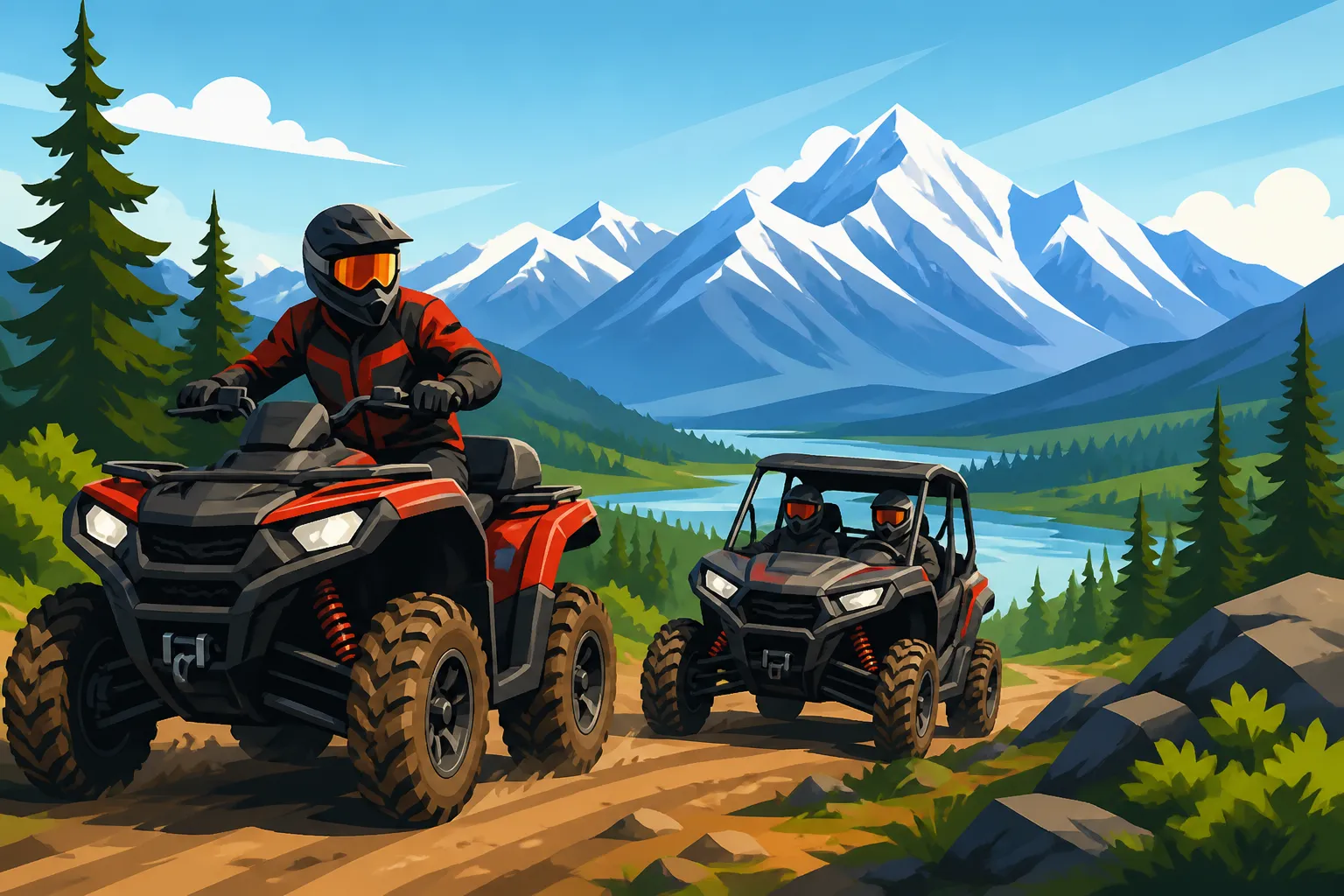
When Alaskans talk about ATV riding in the Mat-Su, the Knik River Public Use Area (KRPUA) is almost always at the top of the list. This isn't just a riding area; it's an experience. Covering hundreds of thousands of acres of state land, the KRPUA is a dynamic landscape sculpted by glacial activity, featuring everything from wide-open gravel flats and braided river crossings to technical trails winding through spruce forests.
One of the most famous rides here is the journey out to the Knik Glacier itself. Imagine piloting your machine across miles of ever-shifting riverbed, dodging shallow channels and navigating through soft glacial silt, all with the towering, blue ice face of the glacier growing larger in the distance. It’s an epic day trip that rewards you with breathtaking views. However, this ride demands respect. The glacial rivers can rise quickly, especially in the afternoon as the sun melts the ice, making crossings deeper and faster. Riders need to be prepared for constantly changing conditions, and having capable tires and a reliable winch, perhaps from a brand like SuperATV, can make all the difference when you encounter unexpectedly soft ground or a deeper channel. Understanding glacial river dynamics and knowing when to turn back is crucial for safety.
Beyond the glacier run, the KRPUA offers countless miles of trails and open areas to explore. You'll find everything from sandy dunes to rocky climbs, providing endless opportunities for exploration. It's not uncommon to see moose, bears, or eagles while you're out there, adding to the true Alaskan wilderness experience. Just remember that while the landscape is wild, some basic rules apply. You'll want to be familiar with the general [Alaska APV Class Explained] and ensure your machine meets the basic requirements for operation on public lands.
Jim Creek Riding Area: A Family Favorite
Nestled just a stone's throw from the larger Knik River Public Use Area, Jim Creek offers a slightly different, often more accessible, riding experience that's particularly popular with families and those looking for designated trails. While it shares some of the same glacial river characteristics as the Knik, Jim Creek also boasts a network of marked trails that weave through forested areas, offering a good mix of challenges without the immediate commitment of an all-day glacier trek.
The Jim Creek Recreation Area features a state campground, which is a huge bonus for riders who want to spend more than a day exploring. You can set up camp, unload your machines, and hit the trails directly from your campsite. The campground often serves as a great staging area, and you'll find plenty of other riders, often willing to share tips or even lead you on a ride. There are day-use fees for accessing the area, which typically support trail maintenance and facilities. You can usually pay at a kiosk or designated drop box near the entrance.
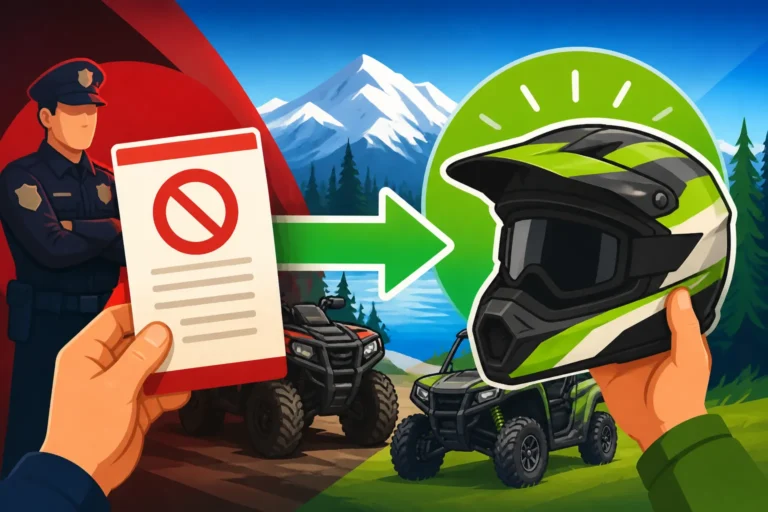
The trails at Jim Creek range from easy, wide paths suitable for beginners or younger riders to more technical loops that can challenge even experienced operators. There are still opportunities for crossing smaller braided channels and navigating some mud, but the terrain often feels a bit more contained than the vastness of the main Knik River bed. It's a fantastic spot for teaching new riders the ropes, as long as you're following [Alaska Helmet Law for Riders Under 16] and other safety guidelines. Plus, the convenience of the campground and its proximity to towns like Palmer and Wasilla makes it a very attractive option for weekend warrior adventurers.
Navigating Permits, Passes, and Regulations
Riding in the Mat-Su Valley is generally quite accessible, but it's not a free-for-all. Like any public land, there are rules designed to ensure safety, protect the environment, and maintain the riding opportunities for everyone. Understanding these regulations before you head out is key to a hassle-free and enjoyable experience.
Understanding State Land Use and Trailhead Passes
The land in the Mat-Su Valley is a mix of state, federal, borough, and private ownership. Most of the popular riding areas, including Knik River and Jim Creek, are on state land. For general use of state land, Alaska has a statewide permit that covers many activities, including ATV use. However, specific areas, especially those with developed trailheads or campgrounds, often require additional passes or fees.
For instance, at many popular Mat-Su trailheads such as those around Government Peak or Crevasse Moraine, a parking pass might be required. These passes, often called Mat-Su Trailhead Passes, help fund the maintenance of parking lots, restrooms, and associated trails. You can often purchase day passes at kiosks on site, or annual passes online through the state park system. It’s important to distinguish these from the broader state land use permit. The trailhead pass is typically for parking and access to a specific managed area, while the general state land permit covers the activity itself on undeveloped state lands. Always double-check the specific requirements for your chosen trailhead before you go. [Alaska Trailhead Passes at Government Peak] provides more detailed information on where and how to acquire these.
Before embarking on a ride, particularly in remote areas or if you're unsure about land ownership, it's always a good idea to consult land status maps or check with the Alaska Department of Natural Resources (DNR). This helps ensure you're not inadvertently trespassing on private property or riding in a sensitive area. [Alaska Land Ownership and Who to Ask] can be an invaluable resource for this research.
Road Rules and Community Ordinances
While the Mat-Su Valley offers abundant off-road opportunities, it’s crucial to understand that Alaska's rules for riding ATVs and UTVs on public roads are quite specific and vary depending on the community. Generally, APVs are restricted from paved roads and highways unless explicitly designated for such use, often with a 45 mph speed limit. You can delve deeper into the statewide regulations in [Alaska APV Road Rules Explained].
However, many communities within the Mat-Su Valley have their own ordinances that further restrict or even ban APV use on local roads. For example, towns like Wasilla and Palmer, while surrounded by riding country, have established local bans on ATV use within city limits, and riding on borough roads might also be prohibited. This can be a source of frustration for riders who just want to get from their home or lodging to a trailhead without trailering. You absolutely need to be aware of [Alaska Bans APVs in Wasilla and Palmer] and check local city or borough codes before planning any road-based travel on your machine.
Even if a road allows APV use, there are typically equipment requirements, such as headlights, taillights, brakes, and a muffler, as well as [Alaska Spark Arrester Requirements] to prevent wildfires. Riders also generally need a valid driver's license and proof of [Alaska Requires Liability Insurance for an APV]. Ignoring these rules can lead to fines and a negative experience, so it's always best to be informed and compliant.
Essential Gear and Safety for Mat-Su Adventures
The Mat-Su Valley is gorgeous, but it's also true Alaskan wilderness. Preparing yourself and your machine for the unpredictable conditions and rugged terrain is paramount for a safe and enjoyable trip. Don't underestimate the environment; a little preparation goes a long way.
Preparing Your Machine for Mat-Su Terrain
Your ATV or UTV needs to be ready for what the Mat-Su can throw at it. The terrain can be incredibly varied, from deep mud to rocky riverbeds and loose gravel. Here's what to consider:
- Tires: Aggressive, all-terrain tires are a must. The stock tires on many machines simply won't cut it for the glacial silt and sharp rocks you'll encounter. Consider a tread pattern designed for mud and rocky conditions.
- Winch: This is non-negotiable for serious Mat-Su riding, especially if you plan on tackling the Knik River. Getting stuck in deep mud or a soft river crossing is common, and a winch can be your best friend. A robust winch, perhaps an aftermarket one from SuperATV, mounted securely to your machine, provides invaluable self-recovery capability.
- Skid Plates: Rocks and debris are plentiful, particularly in riverbeds. Quality skid plates protect the underside of your machine – the engine, transmission, and differential – from costly damage.
- Snorkels: If you anticipate deep water crossings, a snorkel kit for your air intake and CVT exhaust can prevent engine hydrolock and belt slippage, saving you from being stranded.
- Maintenance: Before any significant ride, perform a thorough check of your machine. Inspect fluid levels, tire pressure, brakes, and lights. Ensure your battery is fully charged and that all electrical connections are secure. A small toolkit, spare belt, and tire repair kit are always good to have on hand.
Remember, a well-maintained and appropriately equipped machine significantly reduces the risk of breakdowns in remote areas, where help can be hours or even days away.
Personal Safety and Emergency Preparedness
Your personal safety is just as important as your machine's readiness. The Mat-Su Valley is vast, and cell service quickly becomes nonexistent once you leave the main roads.
- Ride with a Buddy: The golden rule of backcountry riding in Alaska is never to go alone. Riding with at least one other machine means you have help if one gets stuck or if there's an injury.
- Communication Device: A satellite messenger or satellite phone is critical. Devices like a Garmin inReach or a Zoleo allow you to send SOS messages, share your location, and communicate even without cell service. Don't rely on your cell phone.
- Survival Gear: Pack essentials like a first-aid kit, emergency shelter (tarp or space blanket), fire starter, headlamp, extra food and water, and a navigation device (GPS with downloaded maps). Weather can change rapidly in Alaska, so appropriate layering of clothing, including rain gear, is vital.
- Wildlife Awareness: The Mat-Su is home to bears (both black and brown/grizzly) and moose. Carry bear spray and know how to use it. Be loud when traveling through dense brush, and be especially vigilant in areas with fresh tracks or berries. Understanding [Alaska Bear Encounters While Riding] can help you prepare.
- Leave a Trip Plan: Always tell someone responsible where you are going, your planned route, and when you expect to return. This way, if you don't check in, someone knows to initiate a search.
Staying safe means being prepared for the unexpected. The Mat-Su is an incredible place to ride, but it demands respect for its wild nature.
Tips for a Great Mat-Su Riding Experience
Maximizing your time on the trails in the Mat-Su Valley involves more than just having the right machine and gear. It also means knowing when to go, how to interact with the environment, and respecting the local riding culture.
Best Times to Ride and Seasonal Considerations
The Mat-Su Valley offers distinct riding experiences throughout the year, each with its own charm and challenges.
- Spring (Breakup): Generally from April to early June, this is often the most challenging time to ride. The ground thaws, leading to deep mud, standing water, and impassable trails. Many trails are closed during breakup to prevent severe resource damage. Unless you're specifically seeking extreme mud and are experienced with it, it's often best to avoid riding during this period. [Alaska Riding Seasons and Breakup] provides more context on these seasonal changes.
- Summer (June-August): This is prime riding season. Long daylight hours, warmer temperatures, and relatively drier trails make for fantastic exploration. The glacial rivers are often higher due to meltwater, so river crossings can be more challenging. It's also peak bug season, so pack your repellent!
- Fall (September-October): Many Alaskans consider fall the best time to ride. The leaves turn vibrant colors, the bugs begin to disappear, and the air is crisp. The ground starts to freeze, making some muddy areas more passable. Hunting season is also in full swing, so be aware of hunters in designated areas and wear blaze orange.
- Winter (November-March): Once the snow truly sets in and the ground freezes solid, winter riding on snowmobiles (snow machines) takes over. While some ATVs with tracks can operate, traditional wheeled ATVs are generally not suitable for deep snow. Frozen rivers become highways, but knowing ice safety is critical.
Regardless of the season, always check local weather forecasts and trail conditions before heading out. Conditions can change rapidly, and being caught unprepared can be dangerous.
Respecting the Land and Other Users
The Mat-Su Valley is a shared resource, and responsible riding ensures that these opportunities remain open for everyone for years to come.
- Stay on Designated Trails: This is perhaps the most important rule. Riding off-trail, especially on fragile tundra or wetlands, can cause long-lasting damage that takes decades to heal. The deep ruts you create can funnel water, leading to erosion and habitat destruction. Adhere to [Alaska Wetland Travel Restrictions Explained] if you find yourself near such areas.
- Tread Lightly: Practice "Leave No Trace" principles. Pack out everything you pack in, including trash, broken parts, and even organic waste like fruit peels. Avoid disturbing wildlife, and never feed animals.
- Respect Private Property: Always know whose land you're on. Many areas within the Mat-Su are private property, and trespassing is illegal. Use land status maps and signage to guide your way. If you need to cross private land to access public trails, always obtain permission beforehand. [Buying From a Private Seller in Alaska] requires you to know who owns the land.
- Be Considerate of Others: You'll encounter other users on the trails: hikers, mountain bikers, hunters, and other ATV riders. Slow down, yield the right-of-way, and minimize noise when passing. A friendly wave goes a long way. More tips on appropriate behavior can be found in [Alaska Trail Etiquette Locals Expect].
- Spark Arresters and Fire Prevention: Always ensure your machine has a properly functioning spark arrester. This is a legal requirement in many areas and is crucial for preventing wildfires, especially during dry periods. Carry a small fire extinguisher on your machine during fire season.
By being a responsible and respectful rider, you contribute to a positive reputation for the ATV community and help preserve the incredible riding opportunities that the Mat-Su Valley offers.
Here's a quick comparison of the two primary Mat-Su riding areas:
| Feature | Knik River Public Use Area (KRPUA) | Jim Creek Riding Area |
|---|---|---|
| Size | Vast (200,000+ acres State land) | Smaller, more concentrated |
| Terrain | Braided glacial rivers, gravel flats, forests, silt | Marked trails, forest, smaller river crossings |
| Challenge | High (river crossings, remote, dynamic conditions) | Moderate (mix of easy to technical loops) |
| Facilities | Primitive; no developed facilities | Campground, day-use areas, restrooms, kiosks |
| Permits/Fees | State land general use permit; no trailhead pass | Day-use fee (kiosk) or annual Mat-Su Trailhead Pass |
| Best For | Experienced riders, long expeditions, glacier runs | Families, beginners, weekend camping, trail riding |
| Cell Service | Limited to none | Spotty, improves near developed areas |
Disclaimer
This article is for general informational purposes only and does not constitute professional advice. Laws, prices and regulations vary by location and change over time. Consult a qualified professional for guidance on your specific situation.