Alaska Rules for Riding Tundra
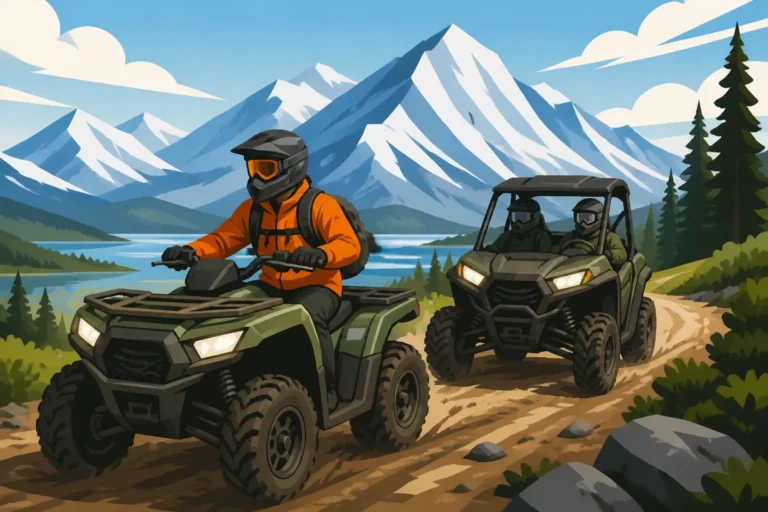
Riding an ATV or UTV across Alaska's vast and breathtaking tundra is an experience unlike any other, offering unparalleled access to remote wilderness and incredible views. However, this unique privilege comes with a tremendous responsibility, and navigating the specific rules for riding on tundra can feel like trying to find your way through a maze of regulations. It's not just about knowing where to go, but understanding the profound impact your machine can have on this incredibly fragile environment. This guide will help you understand the critical regulations, best practices, and why adhering to them is essential for preserving Alaska's stunning tundra for generations to come.
The Fragile Beauty of Alaska's Tundra Landscape
Before we dive into the nuts and bolts of rules and regulations, it’s crucial to understand why tundra riding in Alaska comes with such strict guidelines. This isn't your average dirt trail; the tundra is a unique and incredibly delicate ecosystem, and treating it with anything less than extreme care can lead to irreversible damage.
Why Tundra is So Vulnerable to Vehicle Impact
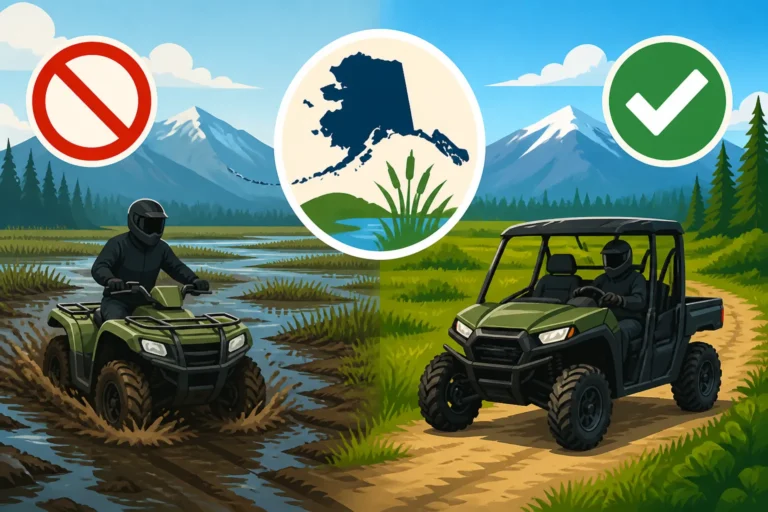
Imagine a landscape where the ground beneath you is frozen solid for most of the year, covered by a relatively thin layer of soil and vegetation. That's permafrost, and it's the foundation of Alaska's tundra. When you ride an ATV or UTV over thawed tundra, especially outside of designated trails or during the wrong season, you're not just flattening grass; you're disturbing this delicate permafrost layer.
The top layer of organic matter acts like an insulator for the ice-rich permafrost below. When you break through that insulating layer with your tires, the sun's warmth can penetrate the permafrost, causing it to melt. This melting leads to erosion, slumping, and the formation of deep ruts that can take decades, or even centuries, to heal. The short growing season in the Arctic means vegetation recovers incredibly slowly, if at all, from damage. A single pass by an ATV during the wrong time of year can leave a scar that outlasts generations. It's a sobering thought, but it underscores the immense fragility of this environment.
The Allure of Tundra Riding (and the Responsibility it Brings)
Despite its fragility, the allure of tundra riding is undeniable. It offers an unparalleled sense of freedom, vast open spaces, and incredible opportunities for wildlife viewing, hunting access, and simply experiencing the raw beauty of Alaska's remote regions. Imagine cresting a rise and seeing a caribou herd stretching to the horizon, or spotting a grizzly bear foraging in the distance. These are experiences that define Alaska.
However, this extraordinary access comes with a heightened responsibility. Every rider who ventures onto the tundra becomes a steward of that land. Ignoring the rules, even unintentionally, jeopardizes future access for everyone, damages critical wildlife habitat, and can leave lasting scars on an ecosystem that struggles to heal. Understanding and respecting these responsibilities is the first step toward a truly rewarding and sustainable tundra riding experience.
Navigating Alaska's Tundra: Key Regulations and Restrictions
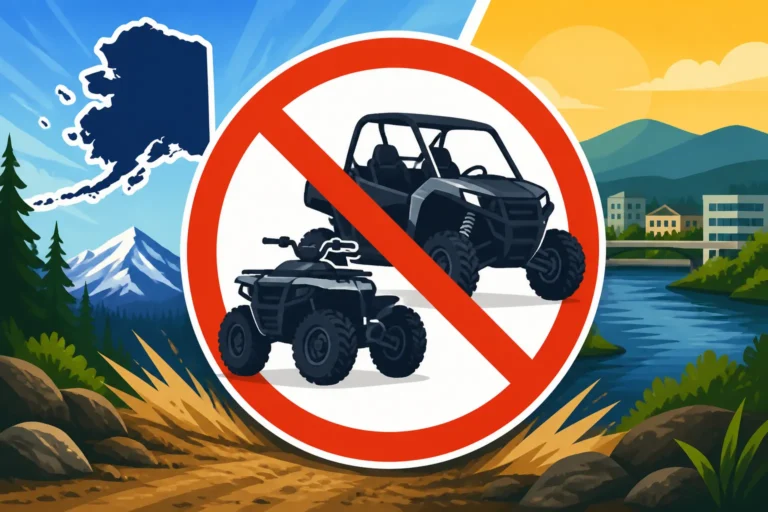
Riding on the tundra isn't a free-for-all. Alaska has specific rules in place to protect these fragile environments, and they largely revolve around land ownership, seasonal timing, and sticking to designated routes. Getting this wrong can lead to serious consequences, both legally and environmentally.
Understanding Land Ownership and Its Impact on Tundra Access
One of the biggest hurdles for riders in Alaska is figuring out who owns the land you want to ride on. Alaska has a patchwork of land ownership: state lands, federal lands (managed by agencies like the Bureau of Land Management (BLM), U.S. Forest Service, National Park Service, and U.S. Fish and Wildlife Service), Native Corporation lands, and private holdings. Each land manager or owner has their own set of rules regarding ATV and UTV access, and these rules are often particularly strict when it comes to tundra.
- State Lands: Many state lands are open to ATVs under Alaska's statewide general permit for ATV use, but even here, there are often restrictions, especially concerning [Alaska Wetland Travel Restrictions Explained] and critical habitat areas. You'll need to check specific area designations. For broader guidance, you can often find information on [Alaska State Land Riding Explained].
- Federal Lands: This is where it gets really complex. National Parks generally prohibit off-road vehicle use, while National Wildlife Refuges and BLM lands might have specific areas open or closed, often with seasonal restrictions. It's imperative to consult the local office of the managing agency for the specific area you plan to visit.
- Native Corporation Lands: Much of Alaska's landscape, particularly in the Interior and Bush, is owned by Alaska Native Corporations. Access to these lands almost always requires specific permission or a permit from the corporation. Riding without permission is trespassing and can lead to severe penalties. Learn more about obtaining necessary permissions by looking into [Alaska Native Corporation Land Permissions] or [Alaska Village Corporation Land Rules].
- Private Lands: Just like anywhere else, riding on private land requires the landowner's explicit permission.
Always, always consult a land status map and contact the relevant land manager before venturing out. What looks like open, public land on a casual glance might be private or a restricted federal parcel. It's a common mistake that can be easily avoided with a little upfront research.
Seasonal Restrictions and Frozen Ground Mandates
This is arguably the most critical rule for tundra riding: the frozen ground mandate. In most sensitive tundra environments, off-road vehicle use is only permitted when the ground is frozen solid and covered by an adequate snow depth. This means no riding during the summer or fall when the tundra is thawed and soft. The insulating layer of snow protects the delicate vegetation and permafrost from damage.
Riding on thawed tundra leaves deep ruts, destroys vegetation, and initiates permafrost melt, creating long-lasting scars. This is why you'll often hear about [Alaska Riding in Breakup] being forbidden, as that's when the ground thaws and becomes extremely vulnerable. Adhering to [Alaska Winter Travel on Frozen Ground] is not just a suggestion; it's a critical environmental protection measure. Trying to push your machine through soft tundra can also lead to getting hopelessly stuck, causing even more damage and potentially putting yourself in a dangerous situation far from help. Always confirm the specific conditions and regulations for your chosen area, as thaw and freeze-up times vary significantly across Alaska.
Designated Trails and Off-Trail Riding Limitations
Even on lands where ATV/UTV access is generally allowed, riding on the tundra is typically restricted to designated trails or areas explicitly opened for cross-country travel. The idea of limitless open country is appealing, but in practice, it's rarely the case when it comes to environmentally sensitive areas like tundra.
Many regions have established trails designed to handle vehicle traffic with minimal impact. These trails often follow existing old mining roads, winter routes, or carefully constructed paths. Venturing off these designated routes can lead you into protected habitats, archaeological sites, or areas where the ground is even more fragile. For example, [Alaska Wetland Travel Restrictions Explained] often come into play even on seemingly solid ground within tundra regions. Always look for signage, consult trail maps from the managing agency, and never assume that an absence of a "no riding" sign means "go anywhere you please." Respecting these boundaries is key to maintaining access for all riders.
Best Practices for Responsible Tundra Riding in Alaska
Beyond just following the rules, responsible tundra riding involves adopting a mindset of minimal impact. Think of it as leaving no trace, but for ATVs. It's about ensuring your adventure doesn't compromise the very landscape you've come to enjoy.
Minimizing Your Environmental Footprint
When you're out on the tundra, every action has a consequence. To truly minimize your environmental footprint, consider these practices:
- Reduce Speed and Avoid Sharp Turns: High speeds and sudden maneuvers on any soft ground increase rutting and erosion. On tundra, this effect is magnified. Drive smoothly and deliberately.
- Use Appropriate Tire Pressure: Lowering tire pressure (within safe limits for your machine) can increase the tire's contact patch, spreading the weight of your machine over a larger area. This reduces ground pressure and helps prevent rutting, especially on marginal terrain. Always re-inflate to recommended pressures for faster travel or pavement.
- Stick to Frozen Ground: As discussed, this is paramount. If you encounter thawed patches or questionable ground, turn back. No ride is worth the potential damage.
- Consider Your Equipment: While specific equipment for riding on thawed tundra is generally not the solution (the solution is to not ride thawed tundra), accessories designed for rugged conditions can help protect your machine and minimize incidental impacts. For instance, robust skid plates and A-arm guards from a brand like SuperATV can help prevent damage to your machine from hidden rocks or frozen tussocks, ensuring your vehicle stays intact and doesn't shed parts onto the fragile landscape.
- Practice "Tread Lightly!" Principles: These principles encourage responsible outdoor recreation. They emphasize travel and camp on durable surfaces, dispose of waste properly, leave what you find, minimize campfire impacts, respect wildlife, and be considerate of other visitors. These are particularly relevant in remote tundra environments.
Navigating Water Crossings and Sensitive Areas
Water is life on the tundra, and improper crossings can wreak havoc on fragile aquatic ecosystems and water quality.
- Avoid Stream Crossings Where Possible: If you must cross, do so at designated points, where the banks are firm and the stream bed is rocky. Avoid crossing in wide, shallow areas or through wetlands, as this can severely disturb streambeds, aquatic vegetation, and fish spawning areas. Learn more about specific guidelines for [Alaska Stream Crossing Rules].
- Prevent the Spread of Invasive Species: Before and after your ride, thoroughly clean your ATV or UTV, especially the undercarriage and tire treads. Seeds and plant fragments from invasive species can hitch a ride and be unknowingly introduced into pristine tundra ecosystems, outcompeting native plants.
- Be Prepared for Overflow: In winter, "overflow" (water flowing over frozen ice) can create treacherous conditions and rapidly freeze to your machine. Be aware of changing conditions and proceed with extreme caution.
- No Fording Deep Water on Tundra: While some enthusiasts install snorkel kits (like those readily available from SuperATV) for deeper water crossings in other terrains, attempting deep water crossings on the tundra is generally ill-advised and often illegal due to the high risk of environmental damage and getting stuck. Focus on avoiding deep water entirely.
Preparedness and Respect for Wildlife
Riding in Alaska's backcountry, especially on the tundra, means you're entering prime wildlife habitat. Your preparedness and respect for these animals are vital.
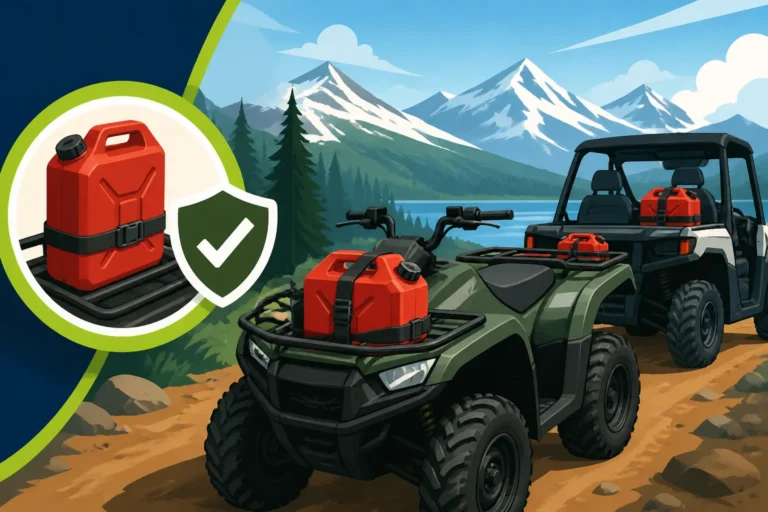
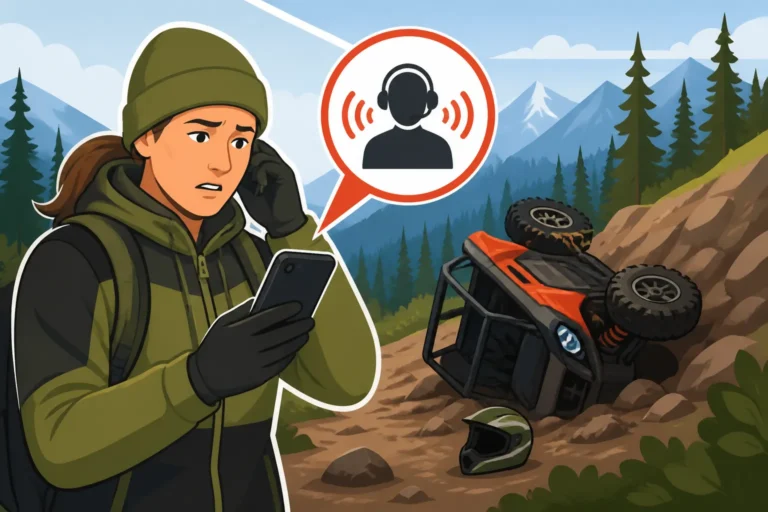
- Carry Essential Gear: This includes a repair kit, extra fuel, survival gear, and emergency communication devices. Cell service is nonexistent in many tundra areas, so a satellite messenger is a must. Consider reviewing [Choosing a Satellite Messenger for a Backcountry Ride].
- Maintain Distance from Wildlife: Never approach or harass wildlife. Use binoculars or a telephoto lens for viewing. Give animals, especially mothers with young, a wide berth. Disturbing wildlife, particularly during sensitive times like calving or nesting, can be illegal and harmful to the animals. Be aware of [Alaska Bear Encounters While Riding] and [Alaska Moose Encounters While Riding] and know how to react safely.
- Secure Food and Trash: Prevent attracting animals by properly storing all food and packing out all trash, leaving no trace of your visit.
- Leave No Trace: "Pack it in, pack it out" applies to everything, including small pieces of trash, repair parts, and fuel cans.
Consequences of Irresponsible Tundra Riding
The rules for riding on Alaska's tundra aren't just suggestions; they are laws designed to protect a precious and irreplaceable natural resource. Violating these rules can lead to significant legal penalties, long-term environmental damage, and even impact access for all riders in the future.
Fines, Penalties, and Machine Impoundment
Ignorance of the law is rarely an excuse. If you're caught riding on tundra in a restricted area, during the wrong season, or causing damage, the consequences can be severe:
- Fines: Monetary fines can range from hundreds to thousands of dollars, depending on the severity of the infraction and the specific land management agency.
- Restitution: Beyond fines, you may be held liable for the cost of environmental restoration, which can be incredibly expensive due to the slow recovery rate of tundra ecosystems. Imagine being billed for the repair of a several-mile long rut!
- Machine Impoundment: Law enforcement, including Alaska Wildlife Troopers, has the authority to impound your ATV or UTV if you are found to be in violation of land use regulations, especially if damage has occurred. This means walking out of the backcountry, and then dealing with the hassle and expense of retrieving your machine, if it's even released. For specific examples, researching articles like [Alaska Penalties for Riding a Closed Area] can give you a clearer picture of the legal ramifications.
- Loss of Future Privileges: Repeated offenses or severe violations can lead to suspension of riding privileges or even bans from certain areas.
It's not worth the risk. A little planning and adherence to the rules will save you a lot of headache, heartache, and money in the long run.
Long-Term Environmental and Community Impact
Beyond the immediate legal and financial repercussions for individual riders, irresponsible tundra use has broader, more lasting impacts:
- Loss of Access for Everyone: When a sensitive area is repeatedly damaged by illegal or irresponsible riding, land managers are often forced to close it entirely to all OHV use. This punishes the many responsible riders for the actions of a few. Nobody wants to see a favorite riding area closed because of preventable damage.
- Damage to Subsistence Resources: Many Alaskans, particularly in rural and Indigenous communities, rely on the tundra for subsistence hunting, fishing, and gathering. Vehicle ruts, habitat destruction, and disturbances to wildlife can directly impact their ability to harvest traditional foods, undermining a critical way of life.
- Negative Perception of the Riding Community: Every time an image of deep ruts on the tundra appears in the news or social media, it fuels a negative perception of ATV and UTV riders as irresponsible and destructive. This makes it harder for riding organizations to advocate for new trails or maintain access to existing ones.
By riding responsibly, you're not just protecting the environment; you're safeguarding the future of ATV and UTV recreation in Alaska and showing respect for the communities and ecosystems that call the tundra home. Consider using durable accessories from a company like SuperATV to keep your machine in top working order and prevent breakdowns that could lead to environmental issues. Preparedness is key.
Here's a quick overview of key considerations for tundra riding:
| Aspect | Key Rule/Consideration | Why It Matters |
|---|---|---|
| Land Ownership | Always verify land manager and access rules. | Different owners (State, Federal, Native Corp.) have different rules. |
| Seasonal Timing | Only ride on frozen ground with adequate snow cover. | Thawed tundra suffers irreversible damage from vehicle impact. |
| Designated Trails | Stick to marked trails; avoid cross-country travel. | Protects fragile habitats; prevents habitat destruction and erosion. |
| Environmental Impact | Reduce speed, avoid sharp turns, maintain tire pressure. | Minimizes rutting and stress on delicate vegetation and permafrost. |
| Water Crossings | Avoid if possible; use designated crossings; clean machine. | Prevents stream bed damage, fish habitat destruction, invasive species. |
| Wildlife | Maintain distance, do not harass; secure food/trash. | Reduces stress on animals; prevents habituation and dangerous encounters. |
| Preparedness | Carry emergency gear, comms; file trip plan. | Ensures safety in remote, unforgiving environments. |
Riding on Alaska's tundra is a profound privilege, offering some of the most spectacular and remote outdoor experiences imaginable. However, it's a privilege that demands a deep understanding and respect for the environment. By diligently researching land ownership, strictly adhering to frozen ground mandates, staying on designated routes, and practicing responsible riding techniques, you contribute to the preservation of this incredible landscape. Let's all do our part to ensure that the unique beauty and adventure of Alaska's tundra remain accessible and pristine for all who seek it.
Disclaimer
This article is for general informational purposes only and does not constitute professional advice. Laws, prices and regulations vary by location and change over time. Consult a qualified professional for guidance on your specific situation.