Riding a Closed Area by Accident
Riding a closed area by accident in Alaska calls for stopping, documenting your route, and checking with the land manager before riding on.
Your sticker stops at the state line.
Non-resident permits, what they cost and how long they last, and which states honor each other’s — or, increasingly, none at all.
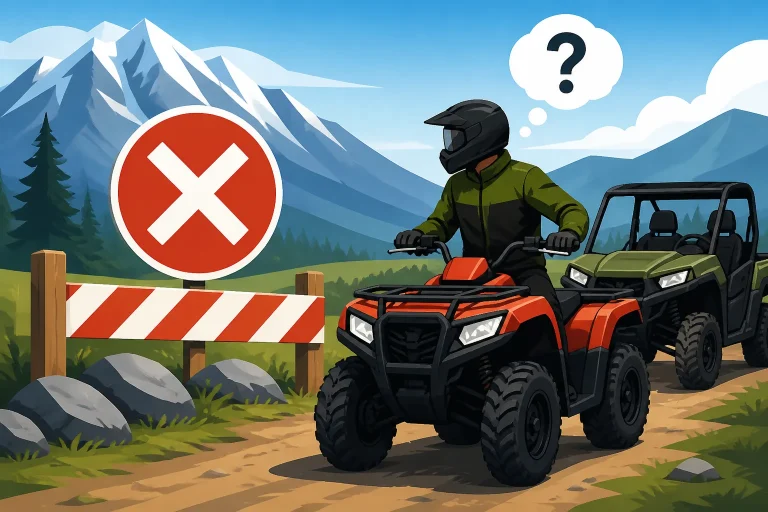
Riding a closed area by accident in Alaska calls for stopping, documenting your route, and checking with the land manager before riding on.
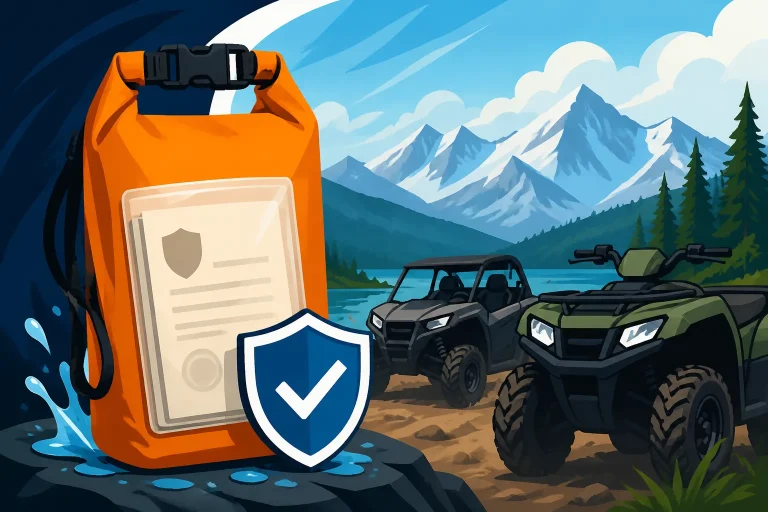
Alaska ATV and UTV riders should keep current insurance proof dry, confirm off-road coverage, and know when road-use rules apply before riding.
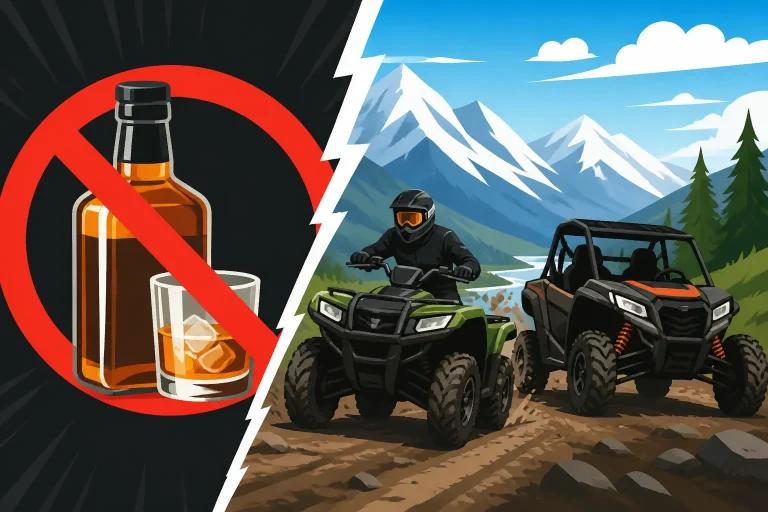
Alcohol and an Alaska backcountry ride do not mix: understand impairment risks, land rules, passenger choices, and safer plans before you head out.
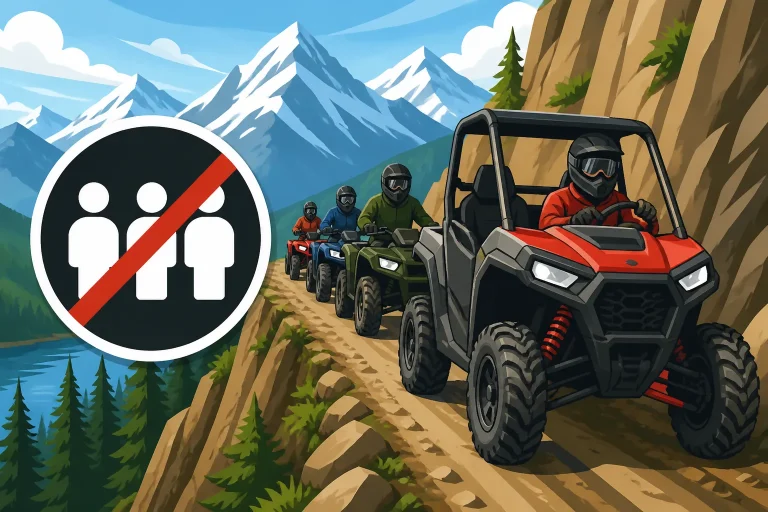
Alaska group limits on narrow trails depend on land rules and permits; plan spacing, regrouping, and access checks before riding with your crew.
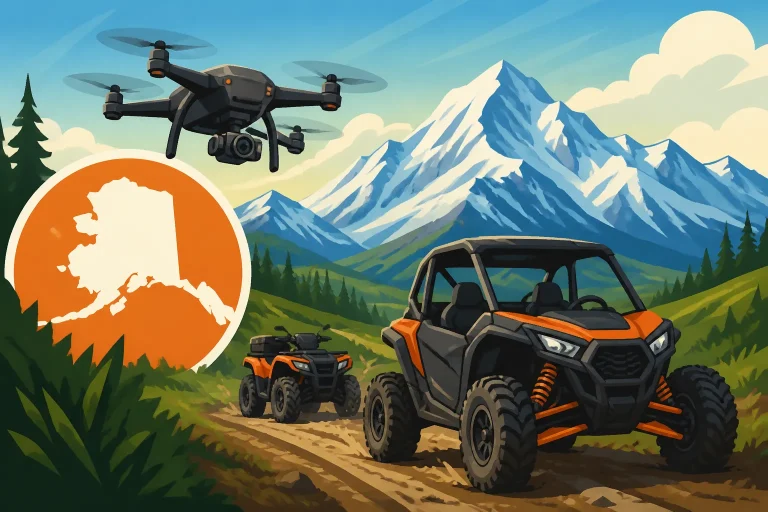
Filming with a drone over Alaska state land requires separate checks for ATV access, land-manager permission, FAA rules, and wildlife impacts.
Alaska ATV and UTV guide credentials depend on the activity and land. Verify the operator’s licenses and permits with the issuing agency before booking.
Insurance for an Alaska ATV or UTV event depends on land access, ride format and exposure; confirm coverage with the land manager and insurer.
Permits for a club ride on Alaska state land depend on land status, route, group activity and whether the statewide OHV permit covers your plans.
Alaska ATV and UTV noise rules depend on the land and route; an intact muffler, quiet riding, and local checks matter more than enforcement rumors.
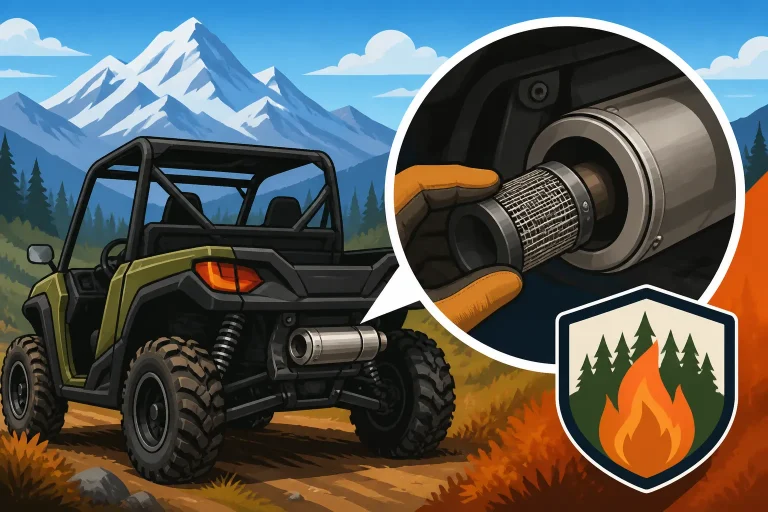
Checking an ATV or UTV spark arrester before Alaska fire season reduces ignition risk; inspect its fit and condition, then check local restrictions.