No Cross-Country Travel in Camp
The no-cross-country-travel rule at Jim Creek prevents ATV damage by requiring riders to stay on established campground roads.
The map is not the permission.
National forest and BLM routes, state OHV parks, and club trails crossing private land — with the closures and passes that decide whether today counts.
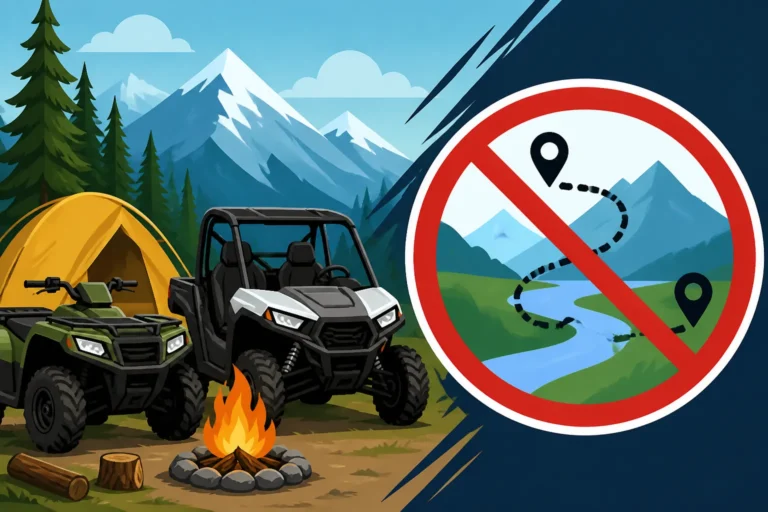
The no-cross-country-travel rule at Jim Creek prevents ATV damage by requiring riders to stay on established campground roads.
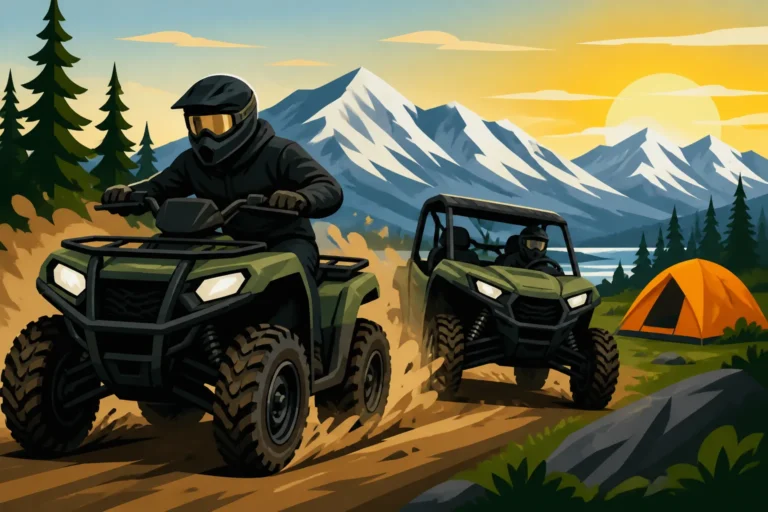
Jim Creek Campground enforces a five miles per hour speed limit to protect tents, children, and pets near camp roads.

Jim Creek campground schedules require a three p.m. arrival and eleven a.m. departure to manage riding trips safely.
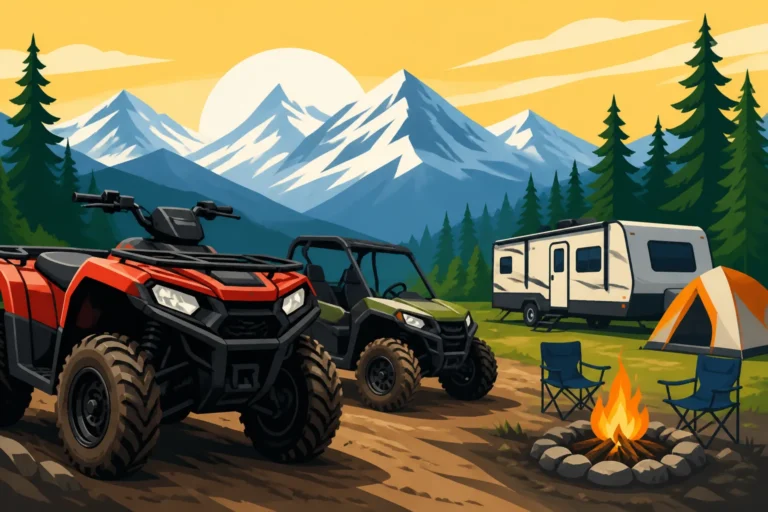
Jim Creek campground details explain how to plan trailer parking, group site limits, and off-road trail access.
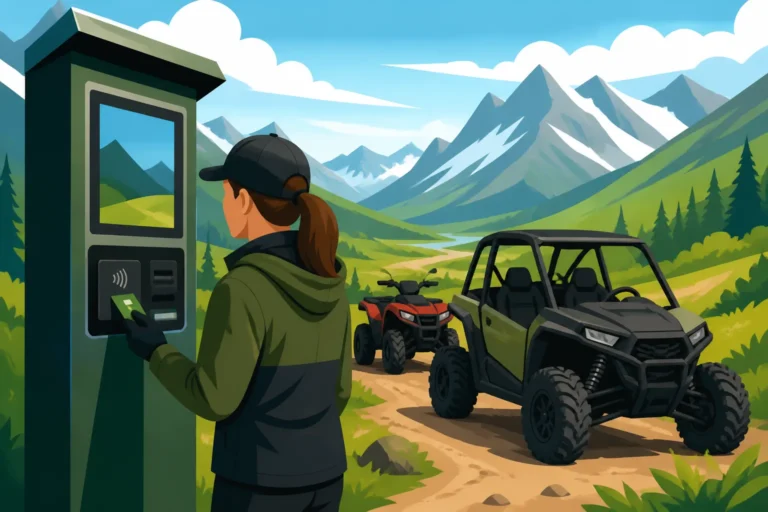
Mat-Su Valley trailhead kiosks and parking fees do not automatically grant permission to ride across nearby private or public land.
Jim Creek annual pass pricing for one rider, pass terms, and official agency fees at Sullivan Road are explained.

The Jim Creek day-use fee is assessed per person, explaining how riders must plan for group costs and trailhead rules.
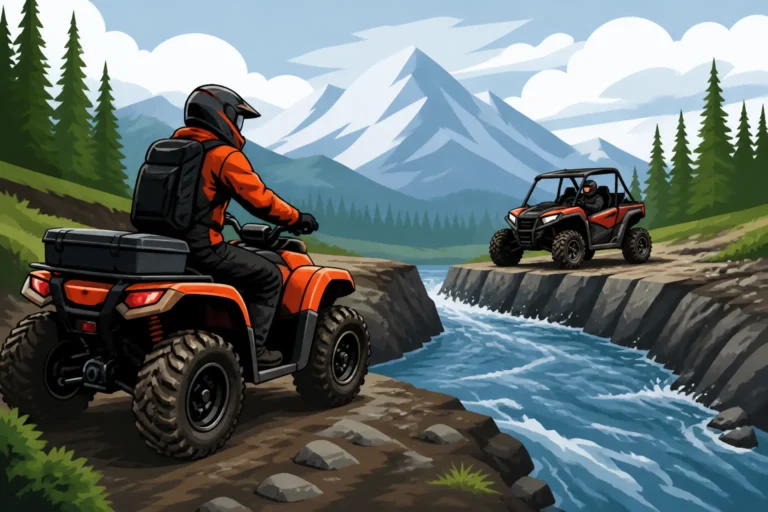
Assessing Alaska river crossings and recognizing when to turn back helps riders avoid dangerous deep channels.
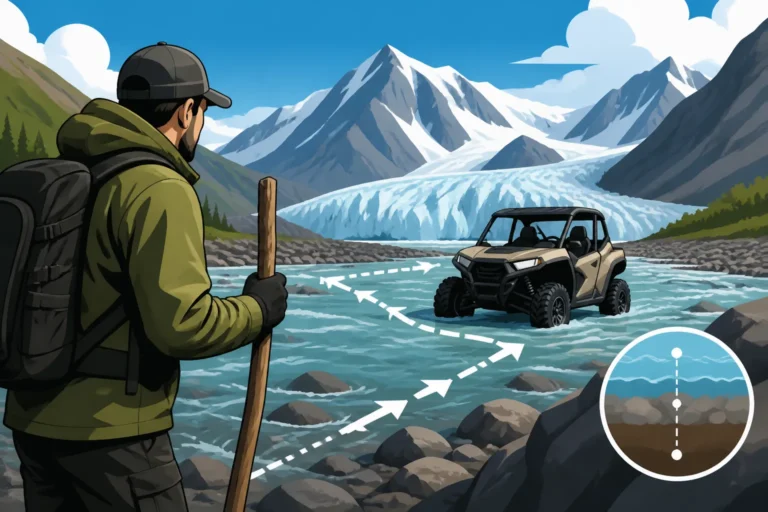
Glacial river crossings require assessing cloudy water from the bank, checking shifting channels, and deciding when to turn back.
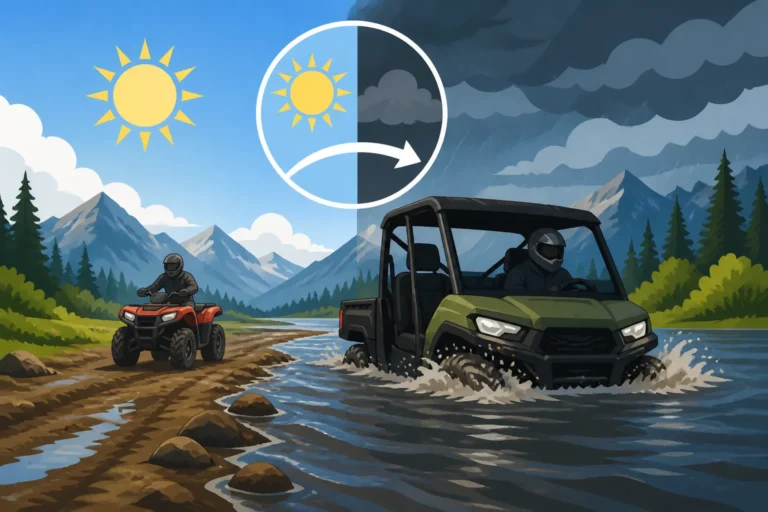
Alaska river crossings change by afternoon as glacial melt and rain raise water levels, affecting safety on routes near Palmer.