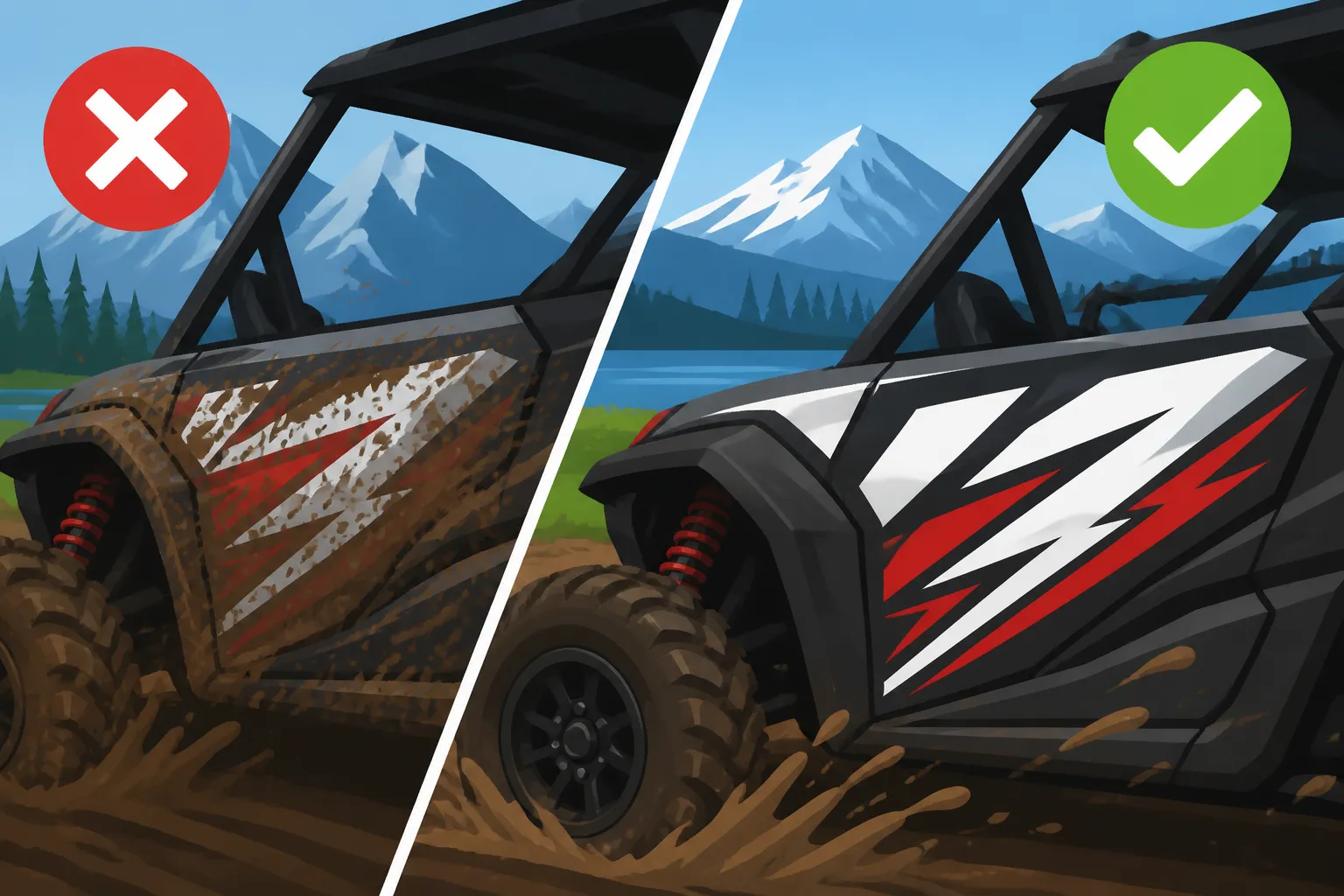
Keeping a Decal Readable in Mud
Riding the stunning trails of Alaska on your ATV or UTV is an experience like no other, but anyone who’s spent time out on our remote routes knows that the backcountry can be incredibly tough on your machine – and especially on those small but crucial registration decals. There’s nothing more frustrating than having a trooper pull you over miles from anywhere, not because you’re doing anything wrong, but because the mud, grit, and general wear and tear of our environment have rendered your decal unreadable. This guide will walk you through why keeping your decal visible is so important, the unique challenges Alaska throws at them, and practical steps you can take to protect your investment and avoid unnecessary headaches.
Why Decal Readability Matters in Alaska
Out here in Alaska, our off-road machines are often our lifelines to cabins, hunting grounds, or just remote recreation. But with that freedom comes responsibility, and a big part of that is ensuring your machine is properly registered and that proof is visible. Those little decals might seem insignificant, but they're a key piece of the puzzle.
Avoiding Fines and Frustrations
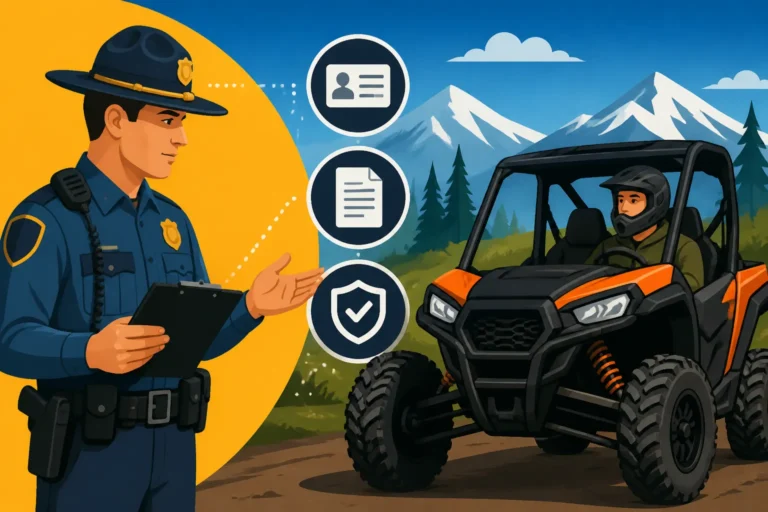
Imagine you've just spent a glorious day exploring the Knik River Public Use Area, your machine caked in that iconic glacial silt. You're heading back to the truck, tired but happy, when you see those flashing lights. A trooper pulls you over, not for speeding or reckless riding, but because they can't make out your registration decal. It's an instant buzzkill, turning a perfect day into a potential hassle. Alaskan law requires your APV (All-Purpose Vehicle) decal to be visible, and if it's not, you could face a citation. Nobody wants to deal with explaining why their machine is legally registered when the proof is obscured by mud or peeling from the tunnel. It's simply not worth the frustration when a few proactive steps can save you time, money, and a lecture. Troopers rely on these decals for quick identification and to confirm compliance, especially when patrolling vast areas where machines are common. They can and will ask to see your registration, and an unreadable decal often warrants a closer look, delaying your journey. [What a Trooper Can Ask to See]
Beyond the potential for a fine, it’s just plain inconvenient. Being stopped and questioned, even if you ultimately have your paperwork in order, disrupts your ride and can feel like an accusation when you know you’re following the rules. That decal is your machine's visible ID badge. When it's clear, it often means a quick glance from an officer is all that's needed, allowing you to continue on your way without interruption. It’s all about smooth sailing on our trails, and a clear decal helps ensure that.
Maintaining Registration Integrity
That small decal signifies a larger truth: your machine is legally registered for use on public lands in Alaska. When you apply for and receive your APV registration, you're not just getting a sticker; you're confirming to the state that your machine meets the requirements for operating in our incredible wilderness. This is especially critical when you're exploring areas where land ownership might shift from state to federal to private, or even Native Corporation lands. An unreadable decal can create ambiguity about your machine's legal status, leading to questions about whether you're allowed to be where you are. [Alaska Registration Before Riding Public Land]
Think about it this way: the decal ties directly into your machine’s official record with the state. Should any questions arise about ownership, compliance, or even if your machine is involved in an incident, that decal number is the primary identifier linked to your registration. Ensuring it remains intact and legible is an important part of maintaining the legal integrity of your machine. It’s not just about avoiding trouble; it’s about upholding your end of the bargain when enjoying Alaska’s incredible outdoors. It’s proof that you’ve done your due diligence and are a responsible rider, which goes a long way with land managers and law enforcement alike.
Common Challenges for Decals in Alaska's Backcountry
Alaska's environment is breathtaking, but it's also incredibly harsh. Our trails are not manicured parks; they are rugged, wild, and throw everything they have at your machine, including those vulnerable decals. Understanding these challenges is the first step in protecting your registration.
The Ubiquitous Alaska Mud
Oh, the mud! Alaska isn't just known for its snow and ice; our mud is legendary. Whether it’s the fine, abrasive glacial silt found near rivers like the Knik, the thick, silty mud of the Interior, or the organic, boggy goo found traversing tundra, it all has one thing in common: it sticks, it coats, and it obscures. When you hit a muddy stretch, your tires churn up a relentless spray that cakes every surface of your machine, including where your decals are typically placed. This isn't just dirty water; it's often a gritty, abrasive mix that, once dried, forms a stubborn crust.
That thick layer of mud can make your decal completely invisible. And it's not just the surface coating; the fine particles in the mud can actually abrade the decal over time, scratching and dulling the surface, making the numbers even harder to read once cleaned. It’s a constant battle, and one that every Alaska rider has faced. A quick splash can turn a perfectly visible decal into an unidentifiable blob, requiring a stop to wipe it clean, or worse, making you a target for a curious trooper. The sticky nature of some of our mud means it doesn't just rinse off easily either; it often requires a dedicated cleaning effort.
Environmental Wear and Tear
Beyond the mud, our Alaskan weather and terrain are relentless. The sun, when it's out, can be surprisingly intense, especially during our long summer days. UV radiation is a silent killer of decals, causing the colors to fade over time, making the numbers less distinct and the background dull. What might have been a vibrant, high-contrast sticker eventually becomes a washed-out ghost of its former self.
Then there’s the physical abuse. Riding through dense brush, like willow thickets or alder stands, means your machine is constantly brushing against abrasive branches. These can scratch, tear, and even peel away sections of your decal. Rocks and gravel flung up by your own tires or those of riders in front of you can chip away at the edges. And of course, rain and snow bring constant moisture, which can degrade the adhesive over time, causing the decal to bubble, lift, and eventually peel off entirely. It’s a multi-pronged attack on that small piece of vinyl, and without some protection, it's often a losing battle. Even constant temperature fluctuations, from freezing cold to surprising summer warmth, put stress on the decal's material and adhesive.
Practical Strategies for Protecting Your Decal
Given the challenges, simply sticking a decal on and hoping for the best isn't a viable strategy in Alaska. Fortunately, there are several proactive steps you can take to significantly extend the life and readability of your registration decal. A little effort upfront can save you a lot of grief down the trail.
Strategic Placement and Prep
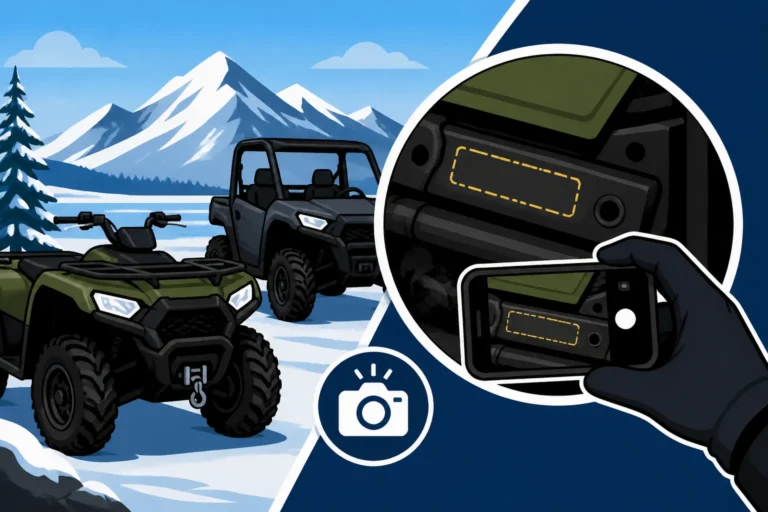
Where you place your decal and how you prepare the surface makes a huge difference. Alaska law typically requires decals to be placed on the left side of the machine's tunnel, or in another location clearly visible when seated. [Alaska Decal Placement on the Tunnel Side] This is often a prime spot for mud and debris spray. When you receive your new decals, take a moment to consider the exact spot. Can you place it slightly higher on the tunnel, or perhaps a few inches forward or back, to minimize direct impact from the rear tire's spray? Sometimes even a slight adjustment can make a big difference in how much abuse it takes. Many riders also ensure their decals are [Alaska Decals Visible When Seated], further confirming compliance.
Crucially, the surface preparation before applying the decal is paramount. The area must be absolutely clean, dry, and free of any wax, grease, or dirt. Use rubbing alcohol to thoroughly clean the area, then let it dry completely. A clean surface ensures maximum adhesion, preventing premature peeling and bubbling. Rushing this step is a common mistake that leads to decals failing far too early. Don't apply decals in extremely cold weather, as the adhesive won't bond properly. Aim for a warm garage or shop, allowing the decal to adhere fully.
Protective Coatings and Covers
Once your decal is properly applied, consider adding a layer of protection. This is perhaps one of the most effective strategies for Alaskan conditions. You can find clear, heavy-duty vinyl protective films designed for powersports vehicles. These films are typically thicker and more durable than the decal itself, offering a sacrificial layer against mud, scratches, and UV rays. Apply this film directly over your decal, ensuring there are no air bubbles, creating a sealed, robust barrier. Think of it like a screen protector for your phone, but much tougher.
Another option, particularly for side-by-sides, might be to consider a small, clear plastic cover or shield that mounts over the decal. While these are less common, some fabrication shops or handy individuals might be able to create one that deflects direct mud spray. For those who want to be able to temporarily cover the decal completely during extremely muddy rides, a piece of clear, heavy-duty plastic sheeting secured with strong tape can offer protection, but this would need to be removed immediately once the muddy section is cleared so the decal is once again visible. Whichever method you choose, the goal is to create a physical barrier that takes the brunt of the abuse instead of the decal itself.
Regular Cleaning and Inspection Rituals
Even with protection, regular cleaning and inspection are vital. After every ride, especially a muddy one, take the time to gently clean your decal. Avoid using high-pressure washers directly on the decal, as the force can lift edges or even tear the vinyl. Instead, use a soft cloth or sponge with mild soap and water. Gently wipe away the mud and grime.
Make it a habit to inspect your decals before and after each ride. Look for any signs of peeling, bubbling, fading, or excessive scratching. Catching these issues early allows you to address them before they become worse. If you see a small edge lifting, you might be able to press it back down firmly or apply a tiny drop of vinyl adhesive (specifically designed for decals, not super glue!) to re-secure it. If the decal is heavily scratched or faded to the point of unreadability, it's time to consider a replacement. Consistent attention will keep your decal looking good and prevent it from becoming an issue.
What to Do If Your Decal Becomes Unreadable or Damaged
Let's be realistic: even with the best precautions, Alaska can still win. Decals get damaged, peel, or become so caked in mud that no amount of scrubbing will reveal the numbers clearly. It happens to the best of us, but thankfully, it's not a permanent problem. There are straightforward solutions to ensure you remain compliant.
Requesting a Replacement Decal
If your decal becomes genuinely unreadable or is lost entirely, don't despair. The Alaska DMV understands that these things happen. You can request a replacement decal. The process is usually quite simple and involves filling out a form and paying a small fee. It’s always better to proactively replace a damaged decal than to risk a citation for non-compliance. You'll need to provide your machine's information and your registration details to ensure you receive the correct replacement. Remember, you can't just slap on any old sticker; it must be the official decal issued by the state. [Alaska Decal Replacement If Lost]
Once you receive your new decal, make sure to follow the strategic placement and prep advice we discussed earlier. Think of it as a fresh start, an opportunity to apply all the lessons learned from the previous decal's demise. Consider adding that protective layer immediately. This small administrative step is far less hassle than dealing with a trooper out on the trail who can't confirm your registration status.
Carrying Proof of Registration
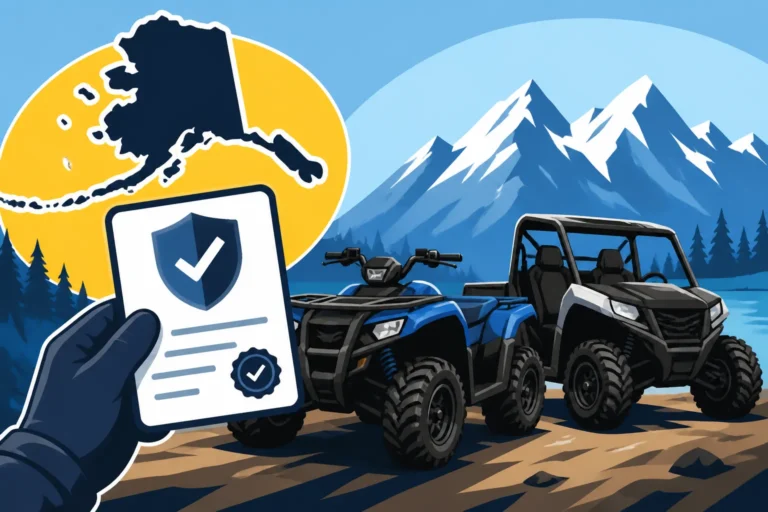
While the decal is your primary visual proof, it's always a smart practice to carry a physical or digital copy of your official registration card with you. Even if your decal is perfectly legible, having the paper proof can provide an extra layer of reassurance during a stop, especially if there's any ambiguity. Keep the physical card in a waterproof bag or container, perhaps alongside your driver's license, in an easily accessible but secure spot on your machine. If you prefer digital, ensure you have a clear photo of your registration on your phone.
Think of it as your backup plan. Should your decal be completely obscured by an unexpected mud bath, or heaven forbid, scratched off during an encounter with a particularly aggressive tree branch, being able to immediately present your valid registration card can de-escalate the situation instantly. Many riders use a waterproof document holder that straps to their handlebars or fits snugly in a small cargo box. LawDepot is a resource some people use for various legal documents; while not directly related to DMV registration, it highlights the importance of having proper documentation on hand when needed. It’s a simple step that provides peace of mind and proves you're a prepared and responsible rider. [Proof of Insurance on a Quad] can also be carried this way.
Decal Care: Issues and Solutions in Alaska
| Issue | Common Causes in Alaska | Recommended Solution |
|---|---|---|
| Decal Obscured by Mud | Glacial silt, tundra mud, wet trail conditions | Gentle cleaning with soap/water after each ride, consider protective film/shield. |
| Decal Fading/Cracking | Intense UV exposure, temperature extremes | Apply UV-resistant clear protective film, store machine out of direct sun. |
| Decal Peeling/Bubbling | Poor surface prep, water ingress, adhesive degradation | Thorough surface cleaning before application, apply firmly, re-secure small lifts with vinyl adhesive. |
| Decal Scratched/Torn | Contact with brush, flying debris, rough handling | Apply heavy-duty clear protective film, avoid direct contact with abrasive surfaces. |
| Decal Completely Missing | Severe peeling, accidental removal, theft | Request a replacement decal from the Alaska DMV promptly. [Alaska Decal Replacement If Lost] |
| Decal Not Visible from Seated Position | Incorrect placement during application, repositioning | Re-apply decal in a compliant location. [Alaska Decals Visible When Seated] |
Disclaimer
This article is for general informational purposes only and does not constitute professional advice. Laws, prices and regulations vary by location and change over time. Consult a qualified professional for guidance on your specific situation.