Serial Numbers on an Older Quad
It's an all too common scenario here in Alaska: you've just inherited a beloved old quad from a family member, or perhaps you found an incredible deal on a vintage machine that's perfect for village travel or busting through the bush. You get it home, excited for adventures, only to realize the paperwork is… sparse, or nonexistent, and you can't for the life of you find a clear serial number. This can feel like a major roadblock, threatening to keep your trusty machine off the trails and out of action. But don't despair! While older quads often come with their own unique set of challenges when it comes to locating and verifying serial numbers, there are absolutely steps you can take to get your machine legally recognized and ready for Alaska's vast landscapes. This guide will walk you through finding those elusive numbers and navigating the registration process, even when faced with a seemingly blank slate.
Why Serial Numbers (VINs) Are So Crucial for Alaska ATVs
Before we dive into the nitty-gritty of hunting down these numbers, it’s really important to understand why they matter so much, especially for us Alaskans. Your ATV or UTV isn't just a toy; it's often a crucial piece of equipment for subsistence, recreation, or simply getting around. Because of this, the state needs a clear way to identify and track these machines, much like a car. The Vehicle Identification Number (VIN) – or serial number on older models – is that unique fingerprint.
Think of it this way: without a clear VIN, it's incredibly difficult to prove the machine truly belongs to you, to ensure it hasn't been stolen, or to meet the legal requirements for riding on public lands. This isn't just about bureaucracy; it's about protecting owners and preventing illicit activity across the state. The frustration of trying to register a machine without this key identifier is very real, but understanding its importance helps frame the task ahead.
The Legal Requirement for Registration
In Alaska, if you plan on operating your ATV or UTV on public land, you're generally required to have it registered. This isn't just a suggestion; it's a legal obligation that helps the state manage public access and safety. Since 2022, [Alaska APV Titling Required Since 2022], further emphasizing the state's push for clear machine identification. The serial number is the cornerstone of this registration process. Without it, the DMV or a partner office simply doesn't have the unique identifier needed to create an official record for your machine.
Imagine you're heading out to the Knik River Public Use Area or venturing off the Denali Highway for a hunting trip. A Alaska State Trooper might ask for proof of registration, and without that decal visible and a corresponding record tied to your machine's serial number, you could face penalties. The system is designed to track ownership and ensure that machines being used on public property are accounted for, which is why [Public Property as the Trigger] for registration is so important here.
Proof of Ownership and Preventing Theft
Beyond just registration, your serial number is the ultimate proof of ownership. This becomes incredibly vital when you're buying a used machine, or, sadly, if your machine is ever stolen. A clear, verifiable serial number links that specific vehicle directly to you, the registered owner. It's the unique identifier that differentiates your quad from every other one of the same make and model out there.
If you're buying an older machine from a private seller, verifying the serial number against any existing paperwork (like an old registration or bill of sale) is your best defense against inadvertently purchasing a stolen item. In Alaska, where machines are often bought and sold informally, this due diligence is critical. If there's ever a question of ownership, or if the machine ends up on a theft report, that serial number is the first thing authorities will look for. You definitely want to be able to confirm that [Checking an Alaska Machine for a Theft Report] was done and that your machine is clean.
Where to Find Serial Numbers on Different Older Quad Types
Okay, so you understand why you need it. Now, for the treasure hunt! Finding the serial number on an older quad can sometimes feel like searching for a needle in a haystack, especially after years of mud, rust, and adventurous use. Unlike modern vehicles that often have a VIN clearly visible through the windshield, older ATVs and UTVs tuck their numbers away in various spots, and they can be quite small. Don't get discouraged if you don't spot it right away; persistence is key here. Grab a good light, some rags, and maybe a wire brush – and prepare to get a little dirty.
The exact location can vary greatly by manufacturer, model, and even the specific year. However, there are several common places where you're most likely to find these crucial identifying marks. It's worth checking all these areas thoroughly before you conclude that the number is truly missing or unreadable.
Common ATV and UTV Locations
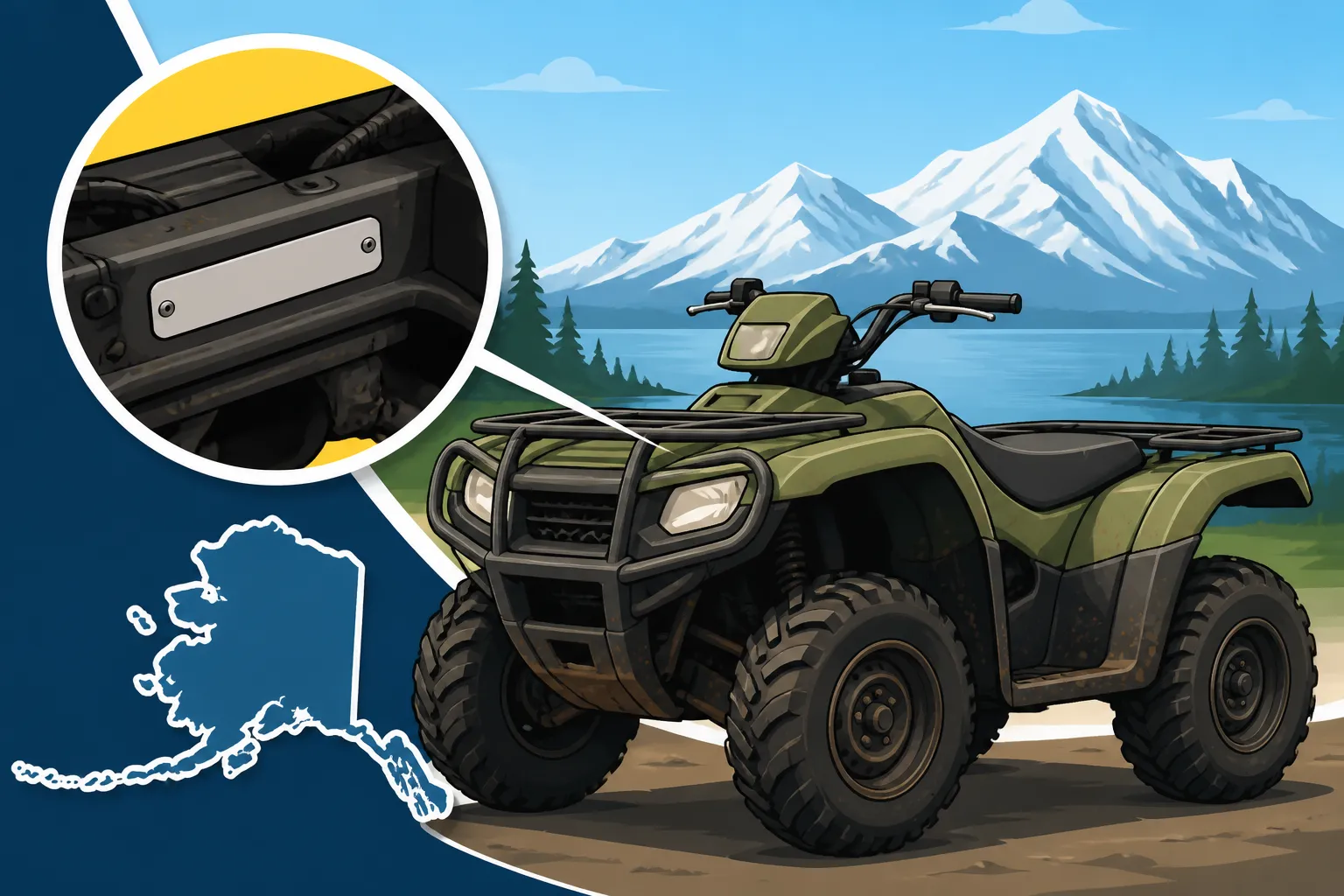
For most ATVs and UTVs, the serial number (or VIN) is typically stamped directly onto the frame of the machine. This is the most common spot, designed to be permanent even if other parts are replaced.
Here are the prime locations to meticulously inspect:
- Front Frame, Lower Left Side: Many manufacturers stamp the VIN on the left-hand side of the main frame rail, often near the front wheel. You might need to turn the handlebars to full lock one way or the other to get a clear view. This area is prone to mud and debris accumulation, so be prepared to clean it thoroughly.
- Rear Frame, Near the Axle: Another common spot is on the rear portion of the frame, perhaps above or near the rear axle assembly. Sometimes it's on a cross-member. Again, this area is exposed to a lot of spray from the tires, so a good scrub might be in order.
- Engine Block: Less common for the primary VIN, but some manufacturers stamp a serial number directly onto the engine casing itself. While this isn't usually the official VIN for registration, it can sometimes be used as supporting evidence if the frame number is completely gone, though it requires more explanation to the DMV. Look at various flat spots on the engine block, often near the cylinder head or where the engine mounts to the frame.
- Decals or Plates: Some older machines might have a small metal plate or a sticker with the VIN riveted or adhered to the frame, typically under the seat, on the front of the frame behind the bumper, or even on a steering column component. However, these are often the first things to disappear or become illegible over time due to wear, tear, or even sun exposure.
When you're looking, consider the typical points of impact or wear on your specific machine. If it's seen a lot of hard use on Alaska's trails, those areas might be extra dirty or even damaged, making the number harder to spot.
Tips for Locating Faint or Hidden Numbers
Let's be realistic: an older quad in Alaska has probably seen its fair share of mud, ice, river crossings, and maybe a few bumps and scrapes. Those factors can make a serial number faint or entirely obscured. Don't give up hope just because you can't see it clearly at first glance!
Here are some tried-and-true methods to help bring those numbers to light:
- Clean, Clean, Clean: This is your first and most important step. Use a stiff brush, degreaser, and plenty of elbow grease to remove all mud, grime, rust, and old paint from the suspected areas. Sometimes, what looks like a blank spot is just a thick layer of crud. A pressure washer can help, but be careful not to damage any electrical components.
- Optimal Lighting: Use a strong flashlight, shining it at different angles across the suspected area. Sometimes the stamped numbers create tiny shadows that are only visible from a certain perspective. Natural daylight can also be very effective.
- Magnification: A magnifying glass can be incredibly helpful for deciphering faint or partially corroded numbers. What looks like an indistinguishable mess to the naked eye might reveal individual digits under magnification.
- Rubbing Technique: A classic method for bringing out embossed or stamped details. Place a piece of thin paper (like tracing paper or even a receipt) over the area where you suspect the number is. Then, gently rub a crayon, pencil lead, or charcoal across the paper. The raised areas of the stamp will pick up the pigment, often revealing the number.
- Gentle Wire Brushing: For areas with significant surface rust, a gentle wire brush (or even steel wool) can carefully remove the rust without further damaging the stamped numbers. Go slow and be patient. You're trying to remove the rust on top of the numbers, not the numbers themselves.
- Record Immediately: Once you find any legible part of the serial number, write it down immediately. Take multiple clear, well-lit photographs from different angles. These photos will be invaluable when you visit the DMV or partner office. It's much easier to show a picture of the number on the machine than to describe its location to a clerk who might not be familiar with every quad model.
It can be a frustrating process, especially when you're working in a cold garage or trying to contort yourself to see an awkward spot. But remember, once you have that serial number, a significant hurdle to getting your machine legal is overcome.
Dealing with Missing, Obscured, or Damaged Serial Numbers
So, you’ve cleaned, rubbed, magnified, and squinted until your eyes are blurry, and still, that serial number is either completely unreadable, or parts of it are simply gone. This is where many Alaskans might feel like hitting a brick wall. But take heart, it’s not necessarily the end of the road for your machine’s legal journey. The state of Alaska recognizes that older equipment, especially in our harsh environment, can present these kinds of challenges. There are specific processes and documentation you can pursue to overcome this hurdle. It will likely require more effort and patience than if you had a pristine, easily readable VIN, but it is often achievable.
The key here is providing as much supporting evidence as possible to establish the machine's identity and your ownership. The more information you can gather, the stronger your case will be for the DMV or partner office to accept your application.
When the Number is Simply Unreadable
If, despite all your efforts, the serial number remains completely unreadable due to rust, damage, or simply being worn away over decades of use, you’re in a tough spot, but not an impossible one. The state needs to be confident that the machine is legitimate and not stolen. This usually triggers a requirement for a physical inspection by a law enforcement officer.
You might need to contact your local Alaska State Troopers or a municipal police department to request an inspection. Explain your situation: you have an older quad, you've tried everything to find the serial number, and it appears to be unreadable. The officer will typically inspect the machine to verify that no attempt has been made to intentionally alter or remove the serial number (which is a criminal offense). They will look for any other identifying marks, manufacturer information, and might even be able to use specialized techniques to reveal faint numbers. If they are satisfied, they can often complete an inspection form that the DMV will accept in lieu of a perfectly clear VIN. This can feel like an extra step, but it’s a necessary part of ensuring the integrity of the registration system.
The No Title Issued NTI Process as a Last Resort
If you're dealing with an older quad that not only has an unreadable serial number but also lacks any kind of title or formal proof of ownership, you might be looking at Alaska’s No Title Issued (NTI) process. This pathway is specifically designed for situations where traditional ownership documents (like a manufacturer’s certificate of origin or a previous title) simply don’t exist for older machines. It's often the case for machines that have been passed down through families, bought informally decades ago, or used strictly on private land for years.
The NTI process involves a waiting period and specific documentation to essentially establish a new ownership record for your machine. It's not a quick fix, but it's a legitimate avenue when all other options for proving ownership and identifying the machine have been exhausted. You'll need to fill out a Vehicle Transaction Application (Form V1), declare that no title was ever issued, and submit an affidavit explaining the history of the vehicle and how you came to possess it. During this process, you will also need to declare under oath that you have no knowledge of any lien or security interest on the vehicle, as outlined in [Alaska Security Interests and NTI Titles]. For those needing to draft such an affidavit, online resources like LawDepot can provide templates and guidance for creating legally sound documents, ensuring you include all the necessary details. This can be a huge relief when you're trying to figure out the precise wording and legal formalities.
The state then posts a notice for a period (often [Alaska's Two-Year NTI Waiting Period]) to allow any potential claimants to come forward. If no one contests your claim during that time, you can then proceed with full registration, and eventually, if allowed, a title might be issued. It's a lengthy process, but for a cherished older machine, it can be the only way to get it legitimately registered in your name.
Steps for Registering an Older Quad in Alaska with VIN Issues
Alright, you've done the hard work of trying to locate the serial number, and you've assessed whether it's unreadable or entirely missing. Now comes the moment of truth: heading to the Alaska DMV or one of its partner offices to complete the registration. This part of the process can sometimes feel intimidating, especially when you know your paperwork isn't "textbook perfect." The most important thing is to go prepared with as much documentation and information as possible. The more you can provide, the smoother the process is likely to be, even with the unique challenges of an older machine.
Remember, the clerks at the DMV are there to help, but they also have rules and regulations they must follow. Being organized and presenting a clear, well-supported case for your machine’s identity and ownership will make their job – and yours – much easier. Don't be afraid to ask questions, but try to have your story and documentation in order before you get to the counter.
Documentation Needed to Support Ownership
Even if your serial number is difficult to read or you're going through the NTI process, you'll need to demonstrate your ownership of the machine. The more pieces of the puzzle you can bring, the better. Here’s what you should gather:
- Bill of Sale: Even for an older machine, a handwritten bill of sale is incredibly valuable. It should include the seller's name, buyer's name, date of sale, purchase price, and a description of the machine (make, model, color, and any identifiable numbers you could find, even partial ones). If you're buying from a private party in Alaska, insist on a bill of sale. If you're the seller, you'll need to sign it. For formalizing this, especially if you're dealing with an older machine and want to ensure proper legal language, LawDepot offers templates for creating a robust [Alaska Bills of Sale for a Used Machine] that can help prevent future headaches.
- Affidavit of Ownership: If you inherited the machine, or if you've owned it for many years without formal paperwork, an affidavit can be crucial. This is a sworn statement detailing how and when you came into possession of the quad, its history as you know it, and why traditional ownership documents aren't available. It helps to have it notarized. An example of this is the [Alaska Affidavits Naming a Seller] when paperwork is lost. Again, services like LawDepot can assist in drafting these sworn statements, ensuring they meet legal requirements and clearly convey the necessary information.
- Previous Registration Cards: If the machine was ever registered in Alaska (or even another state) under a previous owner, even if the registration is expired, bring it! This shows a historical record of the machine and its serial number, which can be cross-referenced by the DMV.
- Warranty Cards/Owner's Manuals: For very old machines, these might be the only documents listing a serial number. While not direct proof of ownership, they can help establish the machine's identity.
- Photos of the Serial Number: Even if it's faint, take clear, well-lit photos of the serial number location. Bring multiple angles and close-ups. This can help the clerk verify your claims if the physical number is difficult to see.
The DMV/Partner Office Process
With all your documents in hand, it's time to visit the DMV or a certified partner office. In Alaska, many small communities rely on [Alaska Partner Offices That Register OHVs], which can often be more convenient than traveling to a full DMV.
Here’s what to expect and how to prepare for your visit:
- Bring Everything: Literally, bring every piece of paper you have related to the quad. Even documents you think might be irrelevant could provide a crucial piece of information to the clerk.
- Be Patient and Prepared to Explain: You might encounter a clerk who isn't familiar with every nuance of registering an older machine with VIN issues. Be ready to calmly and clearly explain your situation, detailing the steps you've taken to find the serial number and why you have the documentation you do.
- Fill Out the Vehicle Transaction Application (Form V1): This is the standard form for all vehicle transactions in Alaska. You'll need to complete it accurately. Make sure you clearly mark the section indicating "No Title Issued" if that's the path you're taking. This is the same form mentioned in [The Vehicle Transaction Application Every OHV Owner Files].
- Expect a Review and Potentially an Inspection Requirement: The clerk will review all your documents. If the serial number is unreadable, they will likely require that law enforcement inspection we discussed earlier. They might give you a form for the officer to complete. If you’ve already had one, present it!
- Payment of Fees: Once your documentation is accepted, you’ll pay the registration fee. [Alaska Charges $10 for Two Years], [Alaska Charges $20 for Four Years], or [Alaska Charges $30 for Six Years] are the options. Remember that [Every OHV Registration Term Expires on September 30], regardless of when you register, so keep that in mind when choosing your term length.
- Receive Your Decal: If all goes well, you'll walk out with your new registration decal, which will include your unique registration number (which is derived from your serial number, even if it was assigned through the NTI process). You'll need to place this decal where it is visible on your machine, often on the tunnel side or where [Alaska Decal Placement on the Tunnel Side] ensures it's [Alaska Decals Visible When Seated].
It might take a few trips or some back-and-forth, but with persistence and the right documentation, you can get that cherished older quad registered and ready for all the adventures Alaska has to offer.
| Step | Action | Required Documents / Considerations |
|---|---|---|
| 1. Locate Serial Number | Search frame, engine, plates for VIN/serial. Clean thoroughly. Use light/magnification. | Degreaser, wire brush, flashlight, magnifying glass, paper/crayon for rubbings. Take photos. |
| 2. Assess Readability | Determine if number is clear, partial, or completely unreadable. | If partially readable, note down all digits. If unreadable, prepare for law enforcement inspection. |
| 3. Gather Ownership Proof | Collect all documents supporting your claim to the machine. | Bill of Sale (even handwritten), Affidavits (e.g., [Alaska Affidavits Naming a Seller]), previous registration, warranty cards, owner's manual. |
| 4. Law Enforcement Inspection | If VIN is unreadable, contact AST or local police for an inspection. | Explain situation, ask for official verification of VIN status (not intentionally altered). Get an inspection form completed. |
| 5. Prepare Application | Complete Alaska DMV Form V1 (Vehicle Transaction Application). | Include all known details. If no prior title, mark "No Title Issued" section. |
| 6. Visit DMV/Partner Office | Bring all documentation, photos, and the completed Form V1. | Be patient, explain situation clearly. Bring payment for registration fees. [Registering in Person at a Counter] or [Registering an OHV at a DMV Partner Office]. |
| 7. Await Decision / NTI Period | If applying for NTI, understand the waiting period. | [Alaska's Two-Year NTI Waiting Period] may apply. No immediate title issuance. |
| 8. Receive Decal | Once approved and fees paid, you'll get your registration decal. | Place decal according to state rules (e.g., [Alaska Decal Placement on a Side-by-Side]). |
Disclaimer
This article is for general informational purposes only and does not constitute professional advice. Laws, prices and regulations vary by location and change over time. Consult a qualified professional for guidance on your specific situation.