Alaska Partner Offices That Register OHVs
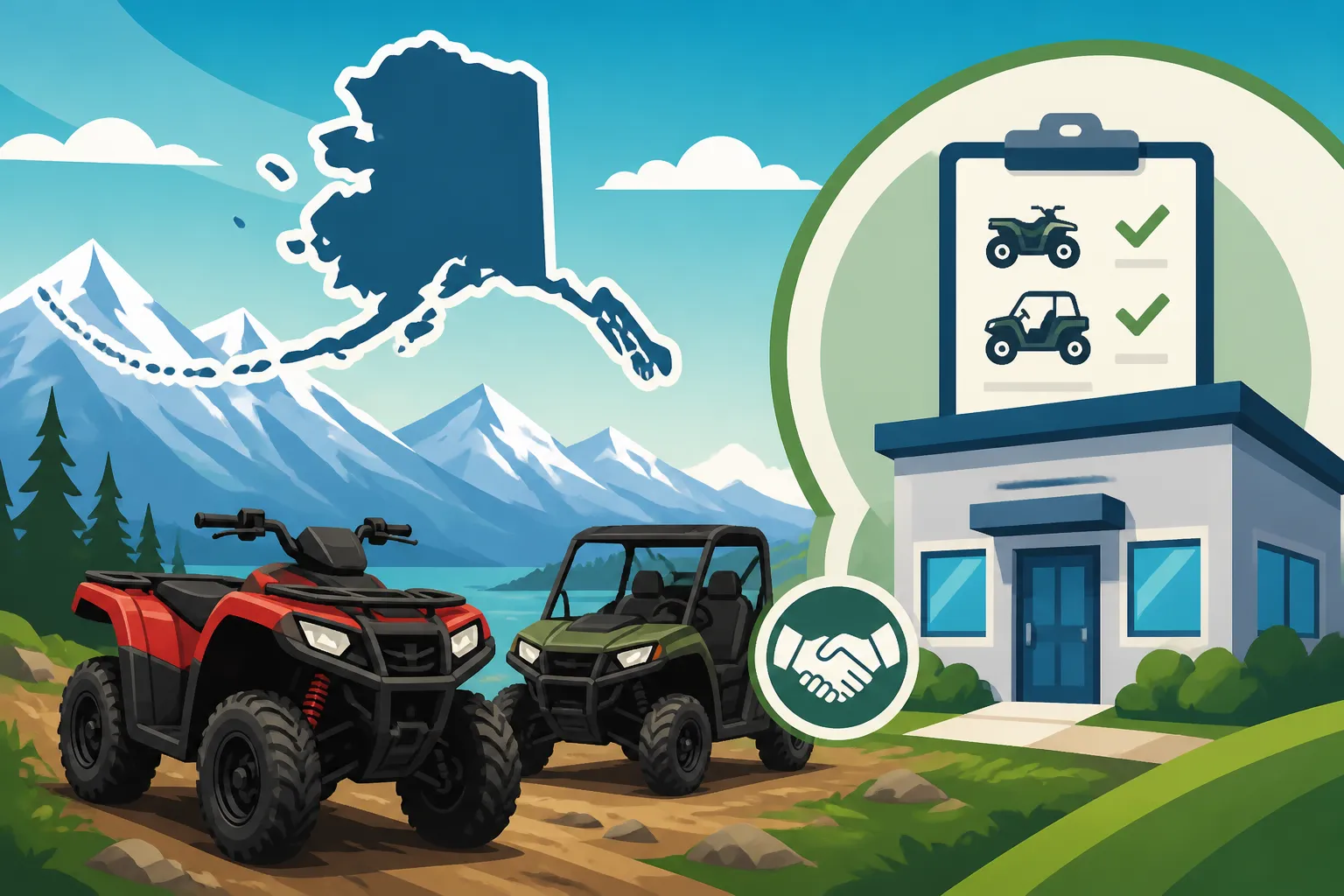
Navigating the ins and outs of registering an all-purpose vehicle (APV), like an ATV or UTV, here in Alaska can feel like trying to cross a braided river in breakup season – unpredictable and full of hidden challenges. For many Alaskans, especially those living off the road system or in smaller communities, getting to a main Division of Motor Vehicles (DMV) office just to register a quad is a significant hurdle. This guide is all about shedding light on a less-stressful alternative: utilizing Alaska's network of partner offices to get your OHV registered and ready for the trails.
Understanding Alaska's OHV Registration Landscape
When you first think about registering a vehicle, your mind probably jumps straight to the DMV, right? You imagine lines, fluorescent lights, and forms. While that's certainly an option for getting your Alaska ATV or UTV registered, it's not the only path available, especially in a state as vast and diverse as ours. Alaska understands that a one-size-fits-all approach just doesn't work when you have communities hundreds of miles from the nearest DMV.
Beyond the Traditional DMV Office
Imagine living in a place like Eagle or McCarthy, where the nearest full-service DMV might be a multi-hour drive, or even require a flight. For many residents, taking a day (or more) out of their busy lives, incurring fuel costs, or even paying for airfare just to get a decal for their quad is simply not feasible. The traditional DMV model, while essential for major urban centers like Anchorage or Fairbanks, often falls short for the unique needs of our rural population. This creates real frustration and can even deter folks from getting their machines legally registered, leading to potential issues down the line.
That's where the idea of partner offices comes into play. These are authorized extensions of the DMV's reach, designed to bring essential services closer to where Alaskans live and work. They're a practical solution to a very Alaskan problem, acknowledging the vast distances and sometimes challenging logistics of life up here. Instead of having to trek to a bustling city, you might find a convenient registration point right in your local community, or at least a lot closer than the main DMV.
What Exactly is a Partner Office?
So, what exactly is a partner office in the context of OHV registration? Think of them as designated agents, authorized by the State of Alaska to perform specific DMV functions on its behalf. These aren't just random businesses; they've gone through a process to be certified to handle vehicle registrations. This means they can take your paperwork, verify your identification, process your payment, and issue you that all-important decal and temporary registration document, just as if you were standing at a counter in a state-run DMV office.
These offices are often established local businesses or other governmental entities that have a presence in the community. Their role is critical in ensuring that Alaskans across the state have access to necessary services without undue burden. They extend the reach of the DMV, providing a crucial link for individuals who might otherwise struggle to comply with registration requirements. It's a testament to the state's understanding of its unique geography and population distribution, ensuring that essential services are accessible even in remote areas.
Types of Authorized Partner Offices
Alaska's approach to OHV registration accessibility is quite thoughtful, leveraging various types of businesses and local entities to serve as partner offices. This network ensures that whether you're buying a brand-new side-by-side or renewing the registration for your trusted old ATV, there's likely a convenient location that can help you get it done. It's about finding the closest, most efficient point of contact for your needs.
Vehicle Dealers and Registrars
One of the most common types of partner offices you'll encounter, especially if you're buying a new machine, is the vehicle dealership itself. Many ATV and UTV dealers across Alaska are authorized to act as third-party registrars. This is incredibly convenient for new buyers, as it means you can often complete the entire purchase and registration process in one fell swoop. Imagine buying that shiny new Polaris Sportsman or Can-Am Defender, and leaving the lot with your machine already registered and ready to hit the trails! This avoids a separate trip to the DMV and streamlines what could otherwise be a multi-step process.
These dealers are equipped to handle all the initial paperwork, including submitting the Manufacturer's Certificate of Origin (MCO) and processing your application for an Alaskan APV decal. They understand the nuances of [Alaska Dealer Paperwork at Delivery] and can guide you through the requirements. This seamless experience is a huge benefit, especially during peak riding seasons when you're eager to get out and enjoy your new ride. They act as a one-stop shop, making the transition from buyer to registered owner as smooth as possible.
Third-Party Service Providers
Beyond dealerships, you'll also find various independent businesses authorized to process OHV registrations. These might be local title and registration services, notary publics, or even general business service centers that have expanded their offerings. They serve as valuable resources in communities that don't have a large vehicle dealership or a full-fledged DMV office. Their business model often revolves around providing quick, efficient service, sometimes with extended hours, making them an attractive option for those with busy schedules.
These third-party providers are particularly helpful for transactions involving used machines, title transfers, or for those simply looking to renew an existing registration. They're typically well-versed in the specifics of [Alaska Registration Paperwork Checklist] and can help ensure you have all the correct documents, from a proper bill of sale to proof of identification. While they might charge a small service fee on top of the state's registration charges, the convenience and time saved often make it a worthwhile trade-off. It’s about leveraging local businesses to enhance access to essential state services.
Borough and Municipal Offices
In some of Alaska's smaller cities, towns, and boroughs, the local government itself steps up to fill the gap. You might find that the city clerk's office, the borough administration building, or another municipal department has been designated as an authorized OHV registration partner. This is particularly common in areas where the population might not support a dedicated DMV office or numerous third-party providers. These local offices understand the specific needs of their residents and often integrate registration services into their existing administrative functions.
When considering using a borough or municipal office, it's always a good idea to check their specific hours and any local requirements they might have. They can be an invaluable resource for community members, providing a trustworthy and accessible point for registering their ATVs, UTVs, or snowmachines. They ensure that even in the most remote corners of our state, residents have a place to go to keep their vehicles compliant with state regulations, making it easier to enjoy Alaska's incredible outdoors responsibly.
The Registration Process at a Partner Office
Even though you're not at a main DMV, the core process of registering your OHV at a partner office follows the same state guidelines. The goal is still to ensure your machine is properly identified and documented, and that you receive your official decal. Understanding what to bring and what to expect can significantly speed up your visit and prevent frustrating multiple trips.
Necessary Documents and Information
Before you head out, gather all your paperwork. This is perhaps the most critical step. For a new machine, you'll almost certainly need the Manufacturer's Certificate of Origin (MCO), a bill of sale, and proof of identification. If you're registering a used machine, a solid [Alaska Bills of Sale for a Used Machine] is paramount, or in some cases, an affidavit naming the seller if the original paperwork is lost. For creating professional, legally sound documents like a bill of sale or an affidavit, resources like LawDepot can be incredibly helpful to ensure everything is in order before you visit a partner office. You’ll also need your Alaska driver's license or state ID, and sometimes proof of residency if your ID doesn't reflect your current address.
Remember, the clearer your documentation, the smoother the process. Take the time to review [Alaska Registration Paperwork Checklist] before you go. Having everything in hand, from the serial number of your machine to your personal identification, prevents delays. A partner office can guide you, but they can't create missing documents out of thin air.
Completing the Application Form V1
Regardless of where you register, you'll need to fill out the Alaska Vehicle Transaction Application, more commonly known as Form V1. This is the official state document that captures all the essential information about you and your OHV. At a partner office, they will have these forms available, and often, staff can help clarify any sections you're unsure about. It’s crucial to be accurate and thorough when filling this out, as any errors could delay your registration.
The form will ask for details about your machine – its make, model, year, and, most importantly, its Vehicle Identification Number (VIN) or serial number. It will also ask for your personal information, including your name, address, and contact details. Make sure everything matches your identification documents. Paying attention to details when filling out [The Vehicle Transaction Application Every OHV Owner Files] will save you headaches later.
Payment and Fees
When it comes to the financial side, partner offices collect the same state registration fees that you would pay at a main DMV. Alaska offers flexible registration terms, so you can choose what works best for you. You'll pay for the decal itself, which covers either a two-year, four-year, or six-year period. The amounts for these are fixed by the state: [Alaska Charges $10 for Two Years], [Alaska Charges $20 for Four Years], and [Alaska Charges $30 for Six Years].
It’s important to remember that some partner offices, especially private third-party providers, might charge a small additional service fee for their convenience. This isn't a state fee, but rather a charge for their administrative services. While specific amounts vary, this fee is typically nominal and covers the overhead of providing the service. Always be prepared to pay both the state registration fee and any applicable service fee. This makes the overall [Alaska OHV Registration Cost] clear upfront.
Receiving Your Decal and Proof of Registration
Once your paperwork is reviewed and your payment processed, the partner office will issue you your official Alaska APV decal and a temporary registration document. Unlike cars and trucks, [Alaska Issues a Decal, Not a Plate] for OHVs. This decal is your proof of registration and must be affixed to your machine in a visible location. The temporary document serves as your immediate proof of registration until the official registration card is mailed to you from the state.
The decal itself is critical; its number is essentially your machine's registration number, so understanding [Why Your Decal Number Is the Registration Number] is helpful. Before you leave the partner office, make sure you understand where the decal needs to be placed on your specific type of OHV, as correct placement is important for compliance. Keeping the temporary registration document in a safe, weatherproof place on your machine is also a good practice, especially until your official card arrives.
Advantages and Considerations of Using Partner Offices
Choosing to register your OHV at a partner office can significantly simplify the process for many Alaskans, offering benefits that a traditional DMV might not. However, like any service, there are also a few considerations to keep in mind to ensure a smooth experience.
Convenience and Accessibility
The most significant advantage of using an Alaska partner office is undoubtedly the convenience and increased accessibility they provide. For folks living far from major population centers, these local offices can save hours, if not days, of travel. Imagine not having to drive two hundred miles round trip, or even take a bush plane, just to get a decal. This geographical accessibility makes a huge difference in rural Alaska, where transportation logistics can be a real challenge. Shorter wait times are another common benefit. Main DMV offices, particularly in Anchorage or Fairbanks, can have long lines. Partner offices, being smaller and often less busy, typically offer a quicker in-and-out experience, allowing you to get back to your day without extensive delays.
Furthermore, many partner offices, especially private businesses, might offer more flexible hours than government-run DMVs. This could mean evening or weekend appointments, making it easier to fit registration into a busy work schedule. This focus on customer convenience is a major draw and helps ensure that more Alaskans can easily comply with state OHV registration requirements, promoting safer and more responsible riding throughout the state.
Potential Additional Costs and Services
While the convenience factor is high, it's essential to be aware of potential additional costs. As mentioned, private partner offices may charge a small service fee on top of the state-mandated registration fees. This fee is for their administrative services and for the convenience they provide. It's usually a modest amount, but it's good to factor it into your budget. For many, the time and travel cost saved by using a local partner office far outweighs this additional fee.
On the flip side, some partner offices might offer value-added services. For instance, a dealership might also handle financing or offer accessories, while a third-party service provider might offer notary services or assistance with complex title issues. These additional services can further streamline your experience, turning a simple registration trip into a multi-tasking opportunity. Always inquire about all fees and services upfront so there are no surprises.
Verifying an Office's Authorization
Before heading to any office, it's always a good practice to verify its authorization. You want to ensure you're dealing with a legitimate partner of the Alaska DMV. The state typically maintains a list of authorized third-party providers on its official DMV website. A quick search or a phone call to the main DMV line can confirm whether a specific business or office is indeed authorized to process OHV registrations. This simple step can save you from potential scams or issues with improperly processed paperwork.
While it's rare to encounter fraudulent operations, taking this precautionary step offers peace of mind. You want to be sure that your payment goes to the right place and that your registration is officially recorded by the state. A legitimate partner office will be transparent about its authorization and happy to answer any questions you have about their services and their relationship with the Alaska DMV.
Specific Scenarios for Partner Office Use
Partner offices are particularly helpful for specific registration scenarios, especially those that might involve a bit more paperwork or where you're integrating the registration process with other activities, like buying a new machine. Knowing when to leverage these offices can save you time and hassle.
Registering a New Machine
When you buy a brand-new ATV or UTV from an authorized dealer in Alaska, the process of registration is often integrated right into the purchase. Many dealerships are equipped to act as partner offices, meaning they can handle the initial registration paperwork, collect the fees, and issue you a temporary registration and decal right there on the spot. This is incredibly convenient, as you can often drive away with your new machine legally registered. You’re not stuck making a separate trip to the DMV.
The dealer will typically take care of submitting the Manufacturer's Certificate of Origin (MCO) and processing your [Alaska Vehicle Transaction Application Every OHV Owner Files]. This seamless process ensures that you get to hit the trails faster, without administrative delays. Just be sure to double-check all the information on the forms before you sign, ensuring that your details and the machine's VIN are correct.
Registering a Used Machine Without a Title
Registering a used machine, especially one that might not have a clean title or where the paperwork has been lost over the years, can be a bit more complex. Alaska has specific procedures for [Alaska Registration Without a Bill of Sale] and obtaining a "No Title Issued" (NTI) registration. Partner offices, particularly those specializing in title and registration services, can be invaluable in guiding you through these trickier situations. They are familiar with the requirements for documents like [Alaska Affidavits Naming a Seller] and can help ensure you meet the criteria for registration.
For example, if you've purchased an older quad and the original owner has lost the title, you might need to provide a sworn affidavit confirming the sale and ownership. Resources like LawDepot can provide templates for such legal documents, ensuring they are properly formatted and contain all necessary information before you bring them to the partner office. The partner office staff can advise you on the specifics of the [Alaska NTI Title Steps] and help you compile all the necessary evidence to successfully register your machine.
Renewing an Existing Registration
Renewing your existing OHV registration is usually the simplest transaction, and partner offices are perfectly set up for it. If your current decal is nearing its expiration date (remember, [Every OHV Registration Term Expires on September 30]), you can often visit a local partner office with your previous registration card and identification, pay the appropriate fee for a two, four, or six-year term, and walk out with a new decal. It’s typically a quick and straightforward process, much faster than waiting for mail-in renewals or visiting a busy main DMV.
This convenience is particularly appreciated by those who live in remote areas or simply don't have time for a lengthy DMV visit. Checking your decal's expiration date and planning a quick trip to a nearby partner office for [Alaska ATV Registration Renewal] can save you from potential fines or the headache of being caught with an expired registration while out on the trails.
Here's a quick comparison of the main options for OHV registration in Alaska:
| Feature | Main DMV Office | Authorized Partner Office (e.g., Dealer, Third-Party) |
|---|---|---|
| Location | Major cities/towns with state-run offices | Wider distribution, often in smaller communities & rural areas |
| Wait Times | Can be long, especially during peak hours | Generally shorter, more efficient |
| Services | Full range of DMV services, including titling | Focused on specific services like OHV registration, renewals |
| Fees | State-mandated registration fees only | State fees + potential small service fee by the partner |
| Convenience | Requires travel for many, fixed hours | Often local, potentially flexible hours, one-stop shop for new purchases |
| Document Help | General guidance on forms | Can offer more personalized help with specific OHV documents |
| Types of OHV | All APVs, snowmachines, tracked vehicles (if allowed) | Typically ATVs, UTVs, snowmachines |
Disclaimer
This article is for general informational purposes only and does not constitute professional advice. Laws, prices and regulations vary by location and change over time. Consult a qualified professional for guidance on your specific situation.