Alaska Night Riding Equipment Rules
Picture this: you've spent a glorious day on the trail, the sun dipping low, casting long shadows across the Alaskan wilderness. You know the best part of the day is often when the crowds thin out and the wildlife starts to stir. But as dusk turns to darkness, those familiar trails can become a maze of unseen obstacles if your machine isn't properly equipped. It's not just about seeing; it's about being seen, and that's exactly what Alaska's night riding equipment rules are designed to ensure. This guide will walk you through everything you need to know to ride safely and legally once the Alaskan midnight sun gives way to true night.
The Imperative of Visibility: Why Night Riding Rules Exist
When you're out on your ATV or UTV in Alaska, whether it's for hunting, fishing, exploring, or just enjoying the vast solitude, the rules of the trail shift dramatically after dark. It’s easy to think that if you know the trail like the back of your hand, you don’t need much. But Alaska's wilderness doesn’t care how well you know it; an unseen log, a sudden dip, or a moose stepping out from the treeline can turn a peaceful ride into a serious incident in seconds. These regulations aren't there to make your life harder; they're literally there to keep you alive and visible to others, whether that's another rider, a snowmachine coming off an adjacent trail, or even a wildlife trooper doing their rounds.
Safety First: Mitigating Risks in the Dark
Riding at night inherently carries more risk than riding during the day. Your depth perception diminishes, colors fade into a monochrome palette, and obstacles that would be obvious in daylight become hidden hazards. Think about those braided river crossings or narrow trails flanked by dense brush – at night, they demand an entirely different level of preparedness and caution. Having the right equipment isn't just about avoiding a ticket; it’s about preventing a twisted ankle, a broken axle, or something far worse. It's the difference between a memorable backcountry experience and a harrowing emergency.
Beyond just seeing what’s ahead, a critical aspect of night riding safety is ensuring that you yourself are visible to anyone else who might be out there. Whether it’s another rider, a snowmachine crossing your path, or even a vehicle if you’re briefly on a low-speed road that allows OHV traffic, being illuminated from all angles is paramount. Imagine cresting a blind hill on a remote trail just as another machine is coming up the other side; without proper lighting, you could be heading for a head-on collision. The stakes are simply too high to skimp on your lighting setup.
Legal Compliance: Avoiding Costly Citations
Nobody wants to have their backcountry adventure cut short by a citation. Alaskan law is pretty clear about the minimum equipment requirements for operating an all-purpose vehicle (APV), which includes most ATVs and UTVs, especially when riding after dark. Troopers and other enforcement officers aren't just looking for speeding or reckless operation; they're also checking that your machine is roadworthy and trail-ready, particularly when it comes to lighting. Being found in violation of these equipment rules can lead to fines, and in some cases, you might even be asked to cease operation until your machine is compliant, effectively ending your ride right there.
It's not uncommon for new residents or even seasoned riders to overlook some of the nuances of these regulations, especially if they're used to different rules in other states or have only ever ridden during daylight hours. But ignorance of the law is rarely an excuse that holds up. Taking the time to understand and adhere to these specific requirements can save you a significant amount of money and hassle. It demonstrates responsible riding and helps maintain access for everyone by showing that the OHV community takes safety and compliance seriously. So, before you head out, especially for a night run, double-check every single light and reflector.
Illuminating the Trail Ahead: Headlight Requirements
When the sun dips below the horizon, your headlights become your primary eyes on the trail. Alaska law is quite specific about how powerful and effective these lights need to be. It's not enough to just have a working bulb; it needs to project enough light to make hazards visible from a safe distance, giving you ample time to react. This isn't just about seeing the immediate trail in front of your tires; it's about casting enough light forward and to the sides to reveal potential obstacles, sudden terrain changes, or wildlife that could dart out.
The Mandate for Forward Illumination
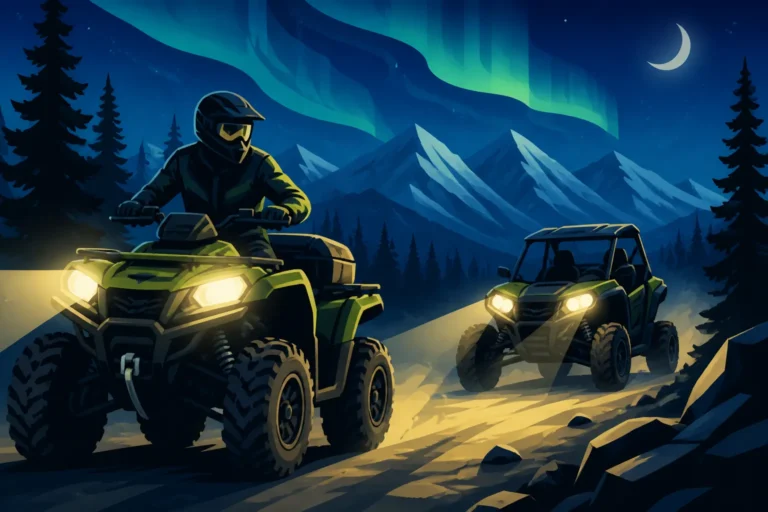
Alaska's statutes require that your ATV or UTV's headlight must be capable of illuminating objects at least 100 feet ahead of the vehicle. This isn't just a suggestion; it's a hard and fast rule. Think about that distance for a moment: 100 feet. That's a lot of ground to cover, especially if you're traveling at any decent speed on uneven terrain. A dim, yellowed headlight that barely cuts through the gloom simply won't suffice. If you've got an older machine, or if your headlight lens is scratched and faded, you might be surprised at how little light it's actually putting out, even if the bulb itself is technically working.
This requirement means you need a headlight system that is in good repair and properly aimed. If your lights are pointing too high, you'll blind oncoming riders and miss immediate hazards. If they're aimed too low, you'll create a small pool of light right in front of your machine, leaving you effectively blind to anything beyond a few feet. Regular maintenance, cleaning your lenses, and checking your bulb's brightness are crucial steps before any night ride. Many riders opt for aftermarket LED upgrades, which often provide significantly brighter and broader illumination, making that 100-foot requirement much easier to meet and enhancing overall safety. You can find robust LED lighting options from reputable brands like SuperATV, designed specifically for the rugged demands of off-road riding. [Alaska Headlight Distance at Night] is a key regulation to understand.
Maintaining Optimal Headlight Performance
Meeting the 100-foot illumination standard isn't a one-and-done deal. The harsh Alaskan environment takes its toll on everything, and your headlights are no exception. Mud, dust, snow, and ice can quickly obscure your lenses, drastically reducing their effectiveness. It’s a good habit to carry a small rag or cleaning solution to wipe down your headlights periodically on longer night rides. Even a thin layer of grime can turn a powerful beam into a weak glow, compromising your visibility and your safety.
Beyond keeping them clean, ensuring your electrical system is in top shape is vital. A weak battery or corroded wiring can diminish the power reaching your headlight, making it less effective. If you notice your lights flickering, dimming, or not performing as they should, it’s a sign to investigate the issue before your next night outing. Sometimes, it's as simple as replacing an old bulb; other times, it might require a more in-depth electrical check. Investing in high-quality, durable lighting components is always a smart move for Alaskan conditions, where reliability is paramount.
Signaling Your Presence: Taillights and Brake Lights
Just as crucial as seeing where you're going is ensuring that everyone behind you knows you're there. This is where your taillights and brake lights come into play. In the vastness of Alaska, especially on winding trails or when you're part of a group, these lights are your primary means of communication with other riders. They signal your presence and your intentions, preventing potential rear-end collisions that can happen all too easily in low light conditions.
Essential Taillight Visibility
Alaska law mandates that your ATV or UTV must have at least one taillight that is visible from a distance of at least 1,000 feet to the rear. Let that sink in: a thousand feet. That’s a long way, and it requires a bright, unobstructed taillight. This is especially important on multi-use trails where you might encounter snowmachines, other ATVs, or even a vehicle if you're on a permitted section of road. A broken lens, a burned-out bulb, or a taillight caked in mud means you're effectively invisible until another rider is almost on top of you, creating a dangerous situation for everyone.
Think about riding in a group: if the lead rider has a bright, functional taillight, it provides a crucial visual cue for everyone following. It helps maintain safe distances and allows riders to anticipate turns or stops. If you're on a utility machine, perhaps hauling a trailer or a sled, ensuring your taillights are not obscured by your cargo is also vital. A quick check before you head out in the dark to ensure your taillight is clean, operational, and properly positioned can make all the difference in preventing an accident. [Alaska Taillight Distance at Night] is a rule that genuinely enhances safety for everyone on the trail.
The Critical Role of Brake Lights
While often integrated with taillights, the functionality of your brake light is distinct and equally important. Your brake light must activate when you apply the brakes and be visible from the required distance. This immediate visual signal tells riders behind you that you're slowing down or stopping, allowing them precious seconds to react. In a convoy, especially on a dusty trail at night, this can prevent a chain reaction of collisions. Without a working brake light, riders following you have to rely solely on your taillight dimming or the sound of your machine, which isn't nearly as effective or instantaneous.
Regularly test your brake light before you ride. It's a simple check: apply the brakes and have someone confirm the light comes on. If you're riding solo, pull up to a reflective surface, like a storefront window or even another vehicle's bumper, and check it yourself. Sometimes, the brake light switch can get jammed with dirt or simply wear out, leading to intermittent failure. Addressing these issues promptly is part of responsible night riding. Remember, communication is key on the trail, and your brake light is a non-verbal message that could literally save a life.
Passive Protection: Reflectors and Visibility Aids
While active lighting like headlights and taillights are paramount, passive reflectors play a vital role in ensuring your visibility, especially if your active lights fail or become obscured. These simple, often overlooked pieces of equipment can mean the difference between being spotted and being missed in a critical situation. Alaska law requires them for a reason: they provide a baseline level of visibility even when your machine is stationary or its electrical system is compromised.
Mandatory Reflector Placement
Alaska regulations stipulate that your ATV or UTV must be equipped with at least one red reflector on the rear, visible from a distance of 100 to 600 feet when illuminated by the high beams of another vehicle. This is your backup system, your silent guardian. Many machines come with these reflectors integrated into the taillight assembly or body panels from the factory. However, over time, these can get damaged, fall off, or become caked in mud, rendering them useless.
It's a smart practice to periodically check the condition and cleanliness of your reflectors. If they're missing or damaged, replacing them is a low-cost, high-impact safety measure. Consider adding additional reflective tape to the sides of your machine, your helmet, or even your riding gear. While not always strictly mandated beyond the rear red reflector, extra reflective material significantly enhances your side-on visibility, which is often a blind spot for other riders. Think about a crossroads or a trail merge point; side visibility is just as important as front and rear. [Alaska Reflector Requirements] are there to provide that crucial passive safety layer.
Beyond the Minimum: Enhancing Passive Visibility
Why stop at the bare minimum when your safety is on the line? While the law might only require one red reflector, the vastness and unpredictable nature of Alaskan trails often call for more. Many riders choose to add reflective decals or tape to their machine's side panels, front fenders, and even the handle-bars. These additional reflective surfaces catch and return light from various angles, making your machine much more noticeable to anyone approaching from the side or front, especially if their headlights are not directly aimed at your rear.
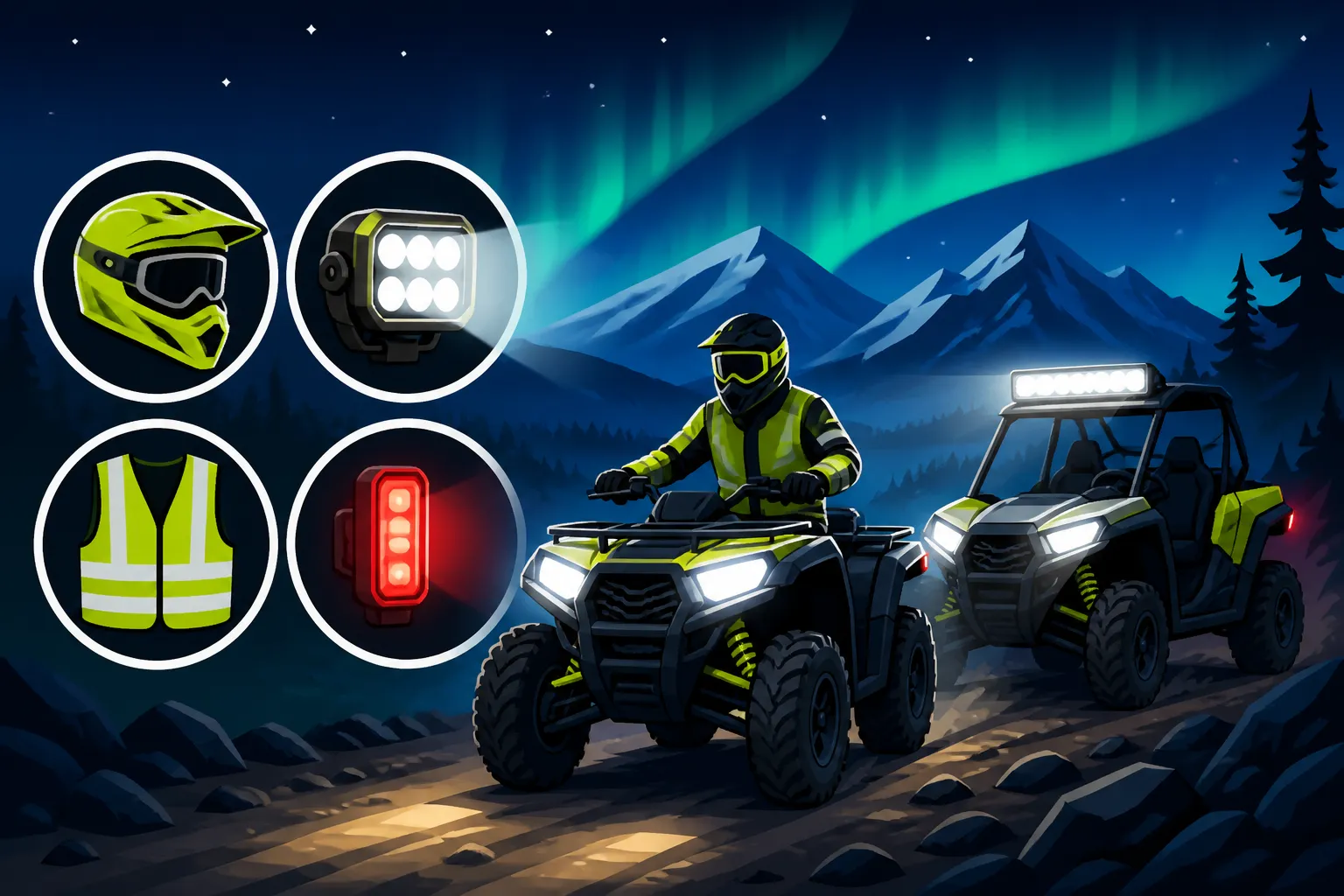
Another excellent option for enhancing passive visibility, particularly if you find yourself stopped on the trail, is to carry a high-visibility vest or jacket that you can put on. While this isn't equipment for the machine itself, it significantly increases your personal visibility to others if you need to dismount and work on your ATV or signal for help. Some aftermarket accessories, like heavy-duty bumpers or cargo racks, also come with integrated reflective elements. When considering upgrades from brands like SuperATV, look for features that not only enhance performance but also integrate safety elements like additional reflectors. Every little bit of extra visibility helps when you're out in the Alaskan darkness.
Stopping Power: Brake Lights and Functionality
Brake lights are more than just part of your rear lighting; they are an active communication system that tells others your immediate intentions. In night riding conditions, where visual cues are limited, the instant illumination of a brake light provides critical warning to anyone following you, allowing them to react and avoid a collision. It's a fundamental safety feature that can't be overlooked.
Instantaneous Illumination Upon Braking
The primary function of a brake light is to instantly light up the moment you apply your brakes. This immediate visual signal is crucial for riders behind you, especially in group rides or on trails where visibility might be limited by dust, snow, or thick brush. Imagine you’re descending a steep, rocky section of trail at night; a sudden stop without a working brake light could easily lead to a rear-end collision, potentially causing injury or damage to multiple machines. This instantaneous warning allows trailing riders to anticipate your deceleration and adjust their speed accordingly, maintaining safe following distances.
It's important to regularly check your brake light's functionality. This means not just checking if it lights up, but also if it activates immediately when you press the brake lever or pedal. Sometimes, a sticky or worn-out brake light switch might delay activation, or even prevent it entirely. This is a simple check that takes seconds to perform before each ride, and it can prevent a lot of headaches. If you notice any lag or inconsistency, address it promptly. Your brake light is an integral part of your machine's communication system on the trail, and its reliability is paramount for safety.
Visibility Range for Brake Lights
Like your taillights, your brake lights must be visible from a significant distance to be effective. While specific distance requirements for brake lights often fall under the general taillight visibility rules, the brighter, more attention-grabbing nature of a brake light means it should stand out clearly even at long range. This ensures that riders far behind you are also warned of your actions, providing a wider safety buffer. On fast-moving sections of trail, especially when the trail is dusty or there's patchy fog, a bright, clear brake light can cut through conditions that might obscure a regular taillight.
Consider the contrast between your regular taillight and your brake light. The brake light should be noticeably brighter to convey its urgent message. If your brake light is only marginally brighter than your running taillight, its effectiveness is reduced. This might be a sign that your bulb is weak, or your electrical system isn't delivering full power. Modern LED brake light upgrades often offer superior brightness and faster illumination times, significantly improving this crucial safety feature. When you're dealing with the challenges of night riding, clear and unambiguous signals are your best friends.
Sound and Emissions: Mufflers and Spark Arresters
While not directly related to night visibility, the proper functioning of your muffler and the presence of a spark arrester are non-negotiable equipment requirements for riding ATVs and UTVs in Alaska, regardless of the time of day. These regulations are in place for environmental protection, noise control, and fire safety, and they are routinely checked by enforcement officers. Riding at night doesn't exempt you from these fundamental rules; in fact, an overly loud machine can be even more disruptive at night.
Mandated Muffler and Noise Rules
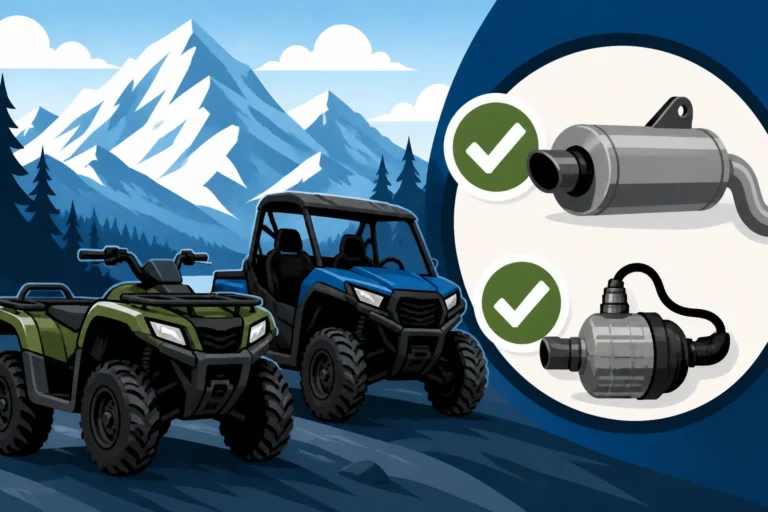
Alaska law requires all ATVs and UTVs to be equipped with a muffler that is in good working order and effectively prevents excessive or unusual noise. The goal here is to minimize noise pollution, protecting the peace and quiet of the wilderness for other users, wildlife, and nearby communities. An aftermarket exhaust system that bypasses the muffler or an original muffler that's rusted through and leaking can quickly put you in violation. [Alaska Muffler and Noise Rules] are important not just for legal compliance but for respecting the environment and other people.
Operating a machine with an illegal or excessively loud exhaust system can draw unwanted attention, not just from enforcement but also from landowners and other recreationists. This can lead to complaints and potentially stricter regulations on OHV use down the line. It's about being a responsible steward of the land and a considerate user of public trails. Before any ride, especially if you've recently modified your exhaust or if your machine is getting older, give your muffler a quick check to ensure it's intact and quiet enough. If you're looking for replacement parts, many reputable manufacturers offer OE-style mufflers that meet these requirements.
The Indispensable Spark Arrester
Perhaps even more critical than noise reduction is the requirement for a functional spark arrester. This device, usually integrated into your muffler system, is designed to prevent hot carbon particles (sparks) from exiting your exhaust and potentially igniting dry grass, leaves, or other flammable materials. Given Alaska's susceptibility to wildfires, especially in dry seasons, a spark arrester is an absolutely essential piece of safety equipment. [Alaska Spark Arrester Requirements] are serious and for good reason.
A missing, damaged, or modified spark arrester can pose a significant fire hazard. Enforcement officers are trained to check for these, and operating without one is a serious offense that can carry stiff penalties. It's not always obvious if your spark arrester is working correctly, as it's typically internal to the muffler. However, if you've had exhaust work done, or if your machine is old, it's worth verifying its presence and condition. Some spark arresters require periodic cleaning to prevent blockages, so consult your owner's manual for maintenance guidelines. This simple device protects the environment and prevents devastating wildfires, making it non-negotiable for any ride, day or night.
Body Panels and Protection: Keeping it Intact
While you might not immediately connect intact body panels with night riding safety, they play a crucial, if often overlooked, role. Beyond aesthetics, your ATV or UTV's body panels are designed to protect you from flying debris, shield internal components, and provide stable mounting points for essential safety equipment, including your lights and reflectors. A machine with damaged or missing panels can quickly become a safety hazard, especially when navigating challenging terrain in the dark.
Structural Integrity for Equipment Mounting
Your headlights, taillights, and reflectors aren't just stuck onto your machine randomly; they are mounted to specific points on your frame or body panels designed to hold them securely and at the correct angles. If your body panels are cracked, broken, or missing, these mounting points can become compromised. This means your lights might wobble, vibrate loose, or even fall off entirely during a rough ride, leaving you suddenly in the dark – a truly terrifying prospect miles from the nearest road. Ensuring your body panels are intact and securely fastened provides the stable platform your lighting and safety equipment needs to function reliably.
Furthermore, intact body panels help protect the wiring harnesses that supply power to your lights. Exposed wires, due to missing panels, are vulnerable to snags, cuts, or water damage, which can lead to electrical failures. When you're out riding at night, any electrical issue could leave you stranded. Performing a quick visual inspection of your machine's body panels before a ride, especially checking around the areas where lights are mounted, can help you spot potential problems before they become critical safety issues. Brands like SuperATV offer robust aftermarket body armor and replacement panels that can enhance protection and ensure your essential equipment remains secure.
Protection from Debris and the Elements
Body panels also serve a vital role in protecting you, the rider, from debris kicked up by your tires, and from the elements themselves. At night, it’s much harder to see what your tires are flinging around. A missing fender, for instance, could mean a rock or chunk of mud is launched directly at you, or even at another rider in your group. This is not only uncomfortable but potentially dangerous. While riding, your body panels also help deflect wind, rain, and snow, keeping you more comfortable and focused on the trail, which is even more critical in the reduced visibility of night.
Beyond personal protection, these panels shield sensitive components like your engine, exhaust, and electrical wiring from impacts and the ingress of water and dirt. Damage to these components can lead to breakdowns, leaving you stranded. When you're out in the Alaskan wilderness after dark, a breakdown isn't just an inconvenience; it can be a serious safety concern. Keeping your machine's protective bodywork in good condition is an investment in both your comfort and your overall safety, helping to ensure your machine runs reliably through whatever the trail throws at it.
Throttle Control and Safety Mechanisms
While perhaps not immediately thought of as "night riding equipment," the functionality of your throttle and other safety mechanisms is absolutely critical for safe operation at all times, and especially when visibility is low. These systems are designed to provide you with precise control over your machine and to prevent runaway situations, which can be catastrophic in the dark. Alaska law often mandates the presence and proper function of these core safety features.
The Self-Closing Throttle Requirement
One of the most fundamental safety features on any ATV or UTV is the self-closing throttle. This mechanism ensures that if you release the throttle or if your grip slips for any reason, the throttle automatically returns to the idle position, cutting power to the engine. [Alaska Self-Closing Throttle Rules] are in place to prevent accidental acceleration or runaway machines, which can be incredibly dangerous in any condition, let alone when you can't see clearly.
Imagine hitting a bump at night, your hand momentarily jostles off the throttle, but instead of decelerating, the machine keeps accelerating because the throttle is stuck open. The consequences could be severe, from losing control and crashing into an unseen obstacle to potentially injuring yourself or others. Regularly check your throttle to ensure it snaps back cleanly and immediately when released. If it sticks, feels sluggish, or requires manual assistance to return to idle, it needs immediate attention from a qualified mechanic. This is a critical safety check that should never be skipped, regardless of whether you're riding during the day or venturing out after dark.
Other Essential Control Features
Beyond the throttle, other control features are equally vital. Functional brakes on all wheels, properly adjusted and responsive, are non-negotiable. At night, you rely heavily on your ability to slow down or stop quickly when an unexpected obstacle appears in your headlight beam. Worn brake pads, fluid leaks, or spongy brake levers are hazards that become amplified in the dark. A pre-ride inspection of your brake system is always a good idea, including checking fluid levels and pad thickness.
Similarly, ensuring your steering is tight and responsive is crucial. Loose steering components can lead to unpredictable handling, making it much harder to navigate technical terrain or avoid hazards at night. Any play in the handlebars or excessive slop in the steering column should be investigated. These mechanical safety features might not be "lighting" equipment, but their proper function is inextricably linked to your overall safety when riding after dark, allowing you to maintain control and react effectively to the challenges the night brings.
Encountering Enforcement: What Troopers Look For
It's an Alaskan reality that at some point, you might encounter a wildlife trooper or other law enforcement officer on the trail or at a trailhead. These officers are out there to ensure safety, enforce regulations, and protect the state's resources. When it comes to night riding, they are particularly attuned to equipment compliance, knowing that proper gear is essential for mitigating risks in low visibility. Understanding what they're looking for can help you ensure you're always prepared and compliant.
The Equipment Checklist During a Stop
When a trooper stops you, especially at night, they're not just going to ask for your registration. They'll typically conduct a thorough visual inspection of your machine, focusing heavily on safety equipment. Here’s a quick overview of what they’re likely to check:
| Equipment Type | What a Trooper Checks | Why It Matters for Night Riding |
|---|---|---|
| Headlights | Functionality, brightness, aim, 100-foot visibility | Essential for seeing obstacles, avoiding crashes |
| Taillights | Functionality, brightness, 1,000-foot visibility | Crucial for being seen from the rear |
| Brake Lights | Functionality (activates with brake), brightness | Signals deceleration/stop to trailing riders |
| Reflectors | Presence (rear red), condition, cleanliness | Passive visibility if active lights fail |
| Muffler | Intact, no excessive noise, no exhaust leaks | Noise control, environmental respect |
| Spark Arrester | Present, not damaged, clear of blockage | Fire prevention, legal requirement |
| Self-Closing Throttle | Returns to idle immediately when released | Prevents runaway machine, critical control |
| Brakes | Functionality on all wheels, responsiveness | Critical for stopping, avoiding hazards |
This table highlights just how comprehensive an equipment check can be. It's not about catching you out, but about ensuring that every rider is operating a safe and legally compliant machine. A trooper’s primary goal is public safety, and a well-equipped machine is a safe machine. [What a Trooper Can Ask to See] includes proof of registration, and they'll definitely be checking your equipment.
Consequences of Non-Compliance
Being found non-compliant with Alaska's equipment rules can range from a warning to a substantial citation. For minor issues, especially if you're cooperative and it's clear you simply overlooked something, a warning might be issued with instructions to rectify the problem immediately. However, for more serious or multiple violations, especially those directly impacting safety like non-functional headlights at night, you can expect a citation. Fines can add up quickly, and in some cases, an officer might deem your machine unsafe to operate, requiring you to trailer it out of the area until repairs are made.
Beyond the immediate financial cost, a citation can be a significant inconvenience, interrupting your trip and potentially leading to further administrative hurdles. It also reflects poorly on the entire OHV community when riders fail to adhere to basic safety and equipment standards. [Alaska Penalties for Riding Unregistered] might be separate from equipment violations, but a non-compliant machine can certainly compound issues. The bottom line is that a little preventative maintenance and a thorough pre-ride check before heading out after dark can save you a lot of trouble and ensure your Alaskan night riding adventure remains safe and enjoyable.
Advanced Considerations for Alaskan Night Riding
Beyond the basic legal requirements, the unique challenges of Alaskan night riding often call for additional equipment and practices to enhance safety and enjoyment. The sheer scale of the wilderness, unpredictable weather, and encounters with wildlife mean that being merely "compliant" might not always be enough to ensure a truly safe and comfortable experience after dark.
Supplemental Lighting and Power
While your stock headlights and taillights might meet the minimum legal requirements, many experienced Alaskan riders opt for supplemental lighting. This isn't just about brightness; it's about casting a wider, more even beam that illuminates the periphery of the trail, helping you spot game trails, hidden obstacles, or wildlife lurking just beyond the main beam. Auxiliary LED light bars or spot/flood combo lights can dramatically improve your field of vision. Brands like SuperATV offer a wide range of robust, weather-resistant auxiliary lights designed for off-road use, capable of standing up to the harsh Alaskan environment.
If you're adding significant auxiliary lighting, it's also crucial to consider your machine's electrical system. An older battery or a struggling stator might not be able to handle the additional draw, leading to dim lights or even a dead battery far from help. Upgrading your battery or, if necessary, your charging system, can ensure you have reliable power for all your accessories, including that life-saving additional lighting. Remember, reliable power is key when you're counting on your lights miles from anywhere. [Alaska Lighting Rules on a Machine] focuses on the minimums, but supplementing them is a smart move.
Emergency Gear and Communications for Night Use
Riding at night, especially in remote areas, significantly increases the stakes if something goes wrong. A mechanical breakdown or an injury that might be a minor inconvenience during the day can become a serious emergency after dark when temperatures drop, and visibility is minimal. Therefore, your emergency kit should be even more robust for night operations. This includes extra layers of warm clothing, a reliable headlamp or flashlight (with spare batteries), fire-starting materials, and high-energy snacks.
Critically, a reliable means of communication is paramount. Cell service is virtually non-existent in much of Alaska's backcountry. A satellite messenger device (like a Garmin inReach or Zoleo) is an invaluable tool, allowing you to send messages or, in a true emergency, call for help even without cell service. Ensure your device is charged and functional before every night ride, and that someone back home knows your float plan. Being able to communicate your location and situation could literally be the difference between life and death if you're stranded in the dark.
Navigating Alaska's Unique Night Riding Conditions
Alaska presents a unique set of challenges for night riders that go far beyond just having the right lights. From unpredictable weather to the sheer remoteness of the terrain, understanding and preparing for these conditions is just as important as your equipment checklist.
Weather and Terrain Challenges After Dark
Alaskan weather can change in an instant, and these shifts are often amplified at night. A clear evening can quickly turn into a dense fog, a sudden rain shower, or even unexpected snowfall, drastically reducing visibility and making trails slick and treacherous. What was a minor puddle during the day can become an icy hazard after dark, and a familiar stream crossing can swell with glacial melt. Being prepared for these rapid changes means carrying appropriate raingear, extra warm layers, and always having a mental "bail-out" plan in case conditions deteriorate.
The terrain itself presents increased difficulty at night. Shadows can obscure dips, rocks, and roots that would be obvious in daylight. Glacial river crossings, common in some areas, become particularly risky after dark when it's harder to judge depth and current. Always approach unknown terrain with extreme caution at night, reducing your speed and, if necessary, scouting ahead on foot with a powerful flashlight. The rule of "never outrun your headlights" is especially true in Alaska's varied and often unforgiving landscape. [Alaska Rules for Riding After Dark] really emphasize situational awareness.
Wildlife Encounters in the Shadows
One of the most thrilling and potentially dangerous aspects of Alaskan night riding is the increased chance of encountering wildlife. Many of Alaska's iconic animals, like moose, bears, and wolves, are most active during dawn, dusk, and nighttime hours. A moose stepping out onto the trail in front of your machine, especially if your headlights are only illuminating a narrow beam, can be a sudden and terrifying experience. Bears can be particularly hard to spot in the dark.
Always ride defensively at night, keeping an eye out for movement on the trail edges. Consider adding a small, bright light to the side of your helmet, allowing you to scan the treeline independently of your machine's fixed headlights. Carry bear spray and know how to use it, and ensure it’s easily accessible. While the thrill of seeing wildlife under the stars is unmatched, respectful awareness and preparedness are key to ensuring these encounters are memorable for the right reasons, and not for a sudden, dangerous surprise.
Disclaimer
This article is for general informational purposes only and does not constitute professional advice. Laws, prices and regulations vary by location and change over time. Consult a qualified professional for guidance on your specific situation.