Alaska Rules for Crossing a Highway
Navigating Alaska's vast wilderness on an ATV or UTV is an incredible experience, but it also comes with a unique set of challenges, especially when the wilderness meets the road system. Many of us find ourselves needing to get from one trail system to another, or simply access a small store in a remote community, and that often means crossing a paved or gravel highway. The frustration of not knowing the precise legalities, what equipment you need, or even if it's allowed, can keep your machine parked when it should be riding. This guide will walk you through the specific rules and requirements for legally and safely crossing a highway in Alaska on your all-purpose vehicle (APV), helping you understand what's required to stay compliant and avoid a costly ticket.
The Fine Line: When is an APV Allowed on an Alaska Highway?
It's a common misconception that ATVs and UTVs are completely banned from all roads in Alaska. While it's true that you generally cannot ride your APV on a public highway for extended travel, there's a crucial distinction when it comes to crossing one. Alaska law recognizes that sometimes, getting from one side of a public road to the other is unavoidable to access trails, private property, or community services. The key here is "crossing" as opposed to "traveling on."
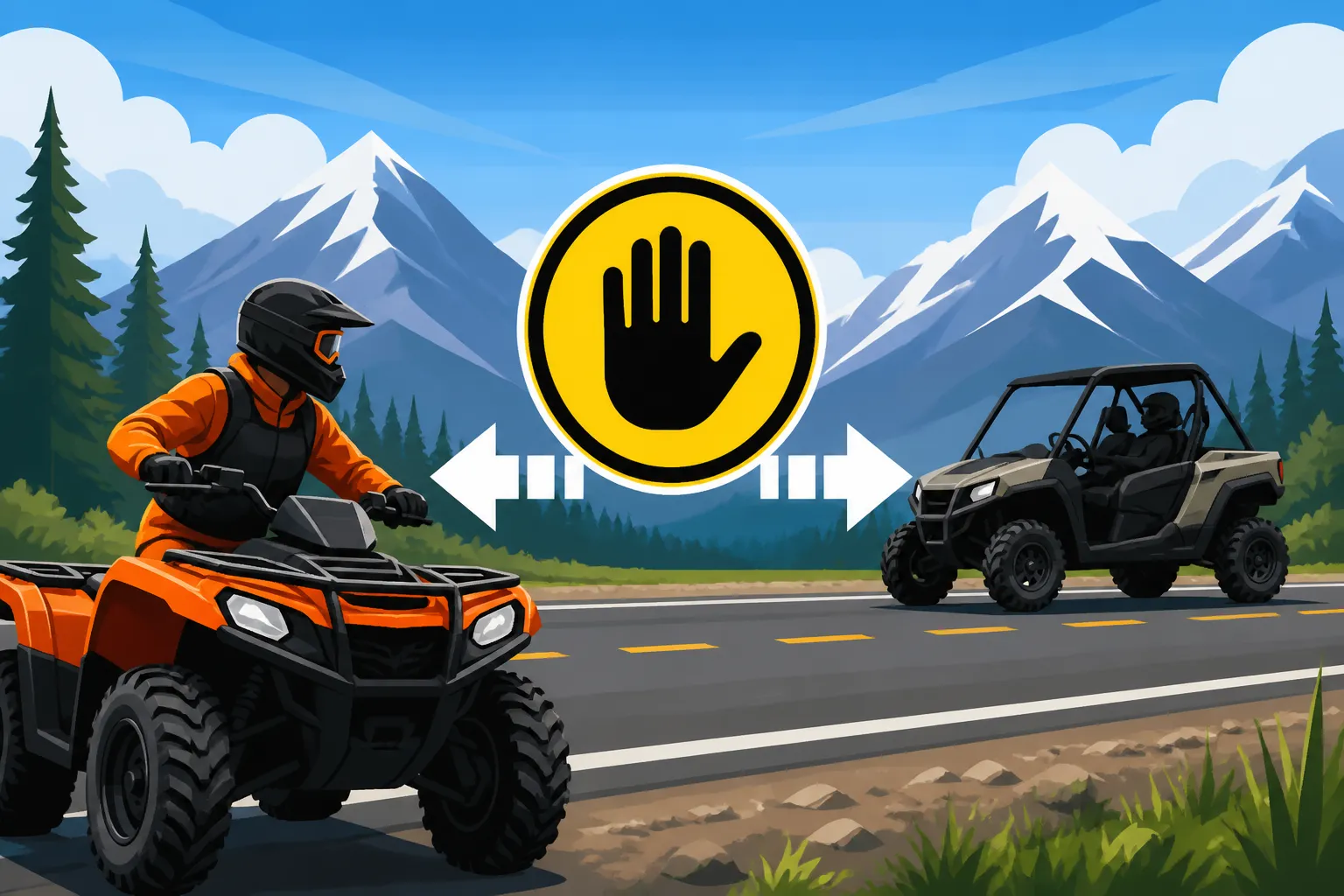
The state permits an APV to cross a public road or highway at approximately a 90-degree angle to the flow of traffic. This isn't an invitation to cruise down the shoulder for a mile, or even to parallel the highway for a few hundred feet looking for a better crossing point. The intent is to get you from point A to point B across the road in the most direct and safest manner possible. Think of it like crossing a stream – you pick the narrowest, most direct point, not meander along the bank. This rule is designed to minimize your time spent in vehicle traffic, reducing potential hazards for both you and other motorists. It's a pragmatic approach to rural life, acknowledging that Alaska's landscape and infrastructure often necessitate these brief intersections. However, always remember that public roads are primarily for conventional vehicles, and APVs are expected to yield and exercise extreme caution.
Essential Conditions and Restrictions for Highway Crossings
Even when crossing a highway is permitted, it's not a free-for-all. There are specific conditions and restrictions you must adhere to to ensure your crossing is legal and safe. Ignoring these can lead to fines, or worse, dangerous situations.
Speed Limits and Road Types
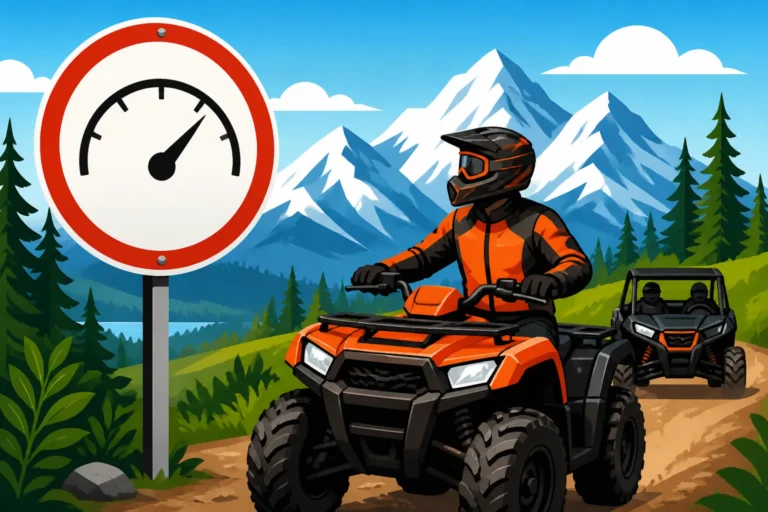
One of the most important factors determining where you can even consider crossing is the posted speed limit of the highway. Alaska law states that an APV may only be operated on a highway with a posted speed limit of 45 miles per hour or less. This immediately rules out most major highways, interstates, and many primary state routes. These higher-speed roads are simply too dangerous for APVs, even for a quick crossing, due to significant speed differentials with other traffic. It's crucial to check the signs and be aware of the road's classification. You might encounter this restriction more frequently on secondary roads, borough-maintained routes, or gravel roads that connect communities or trailheads. For a deeper dive into road limitations, you might want to read [Alaska's 45 mph Road Limit for APVs].
Furthermore, some communities have their own local ordinances that prohibit APV use or crossing on any public road within city limits, regardless of the speed limit. It’s always a good idea to check local regulations if you’re riding in or near a town. What's allowed in a remote village might be strictly forbidden in Anchorage or Fairbanks. Always assume stricter rules apply in populated areas.
Prioritizing Safety During the Crossing
When you do cross, safety is paramount. You must yield the right-of-way to all other vehicles and pedestrians. This means stopping completely, assessing traffic in both directions, and only proceeding when it is absolutely safe to do so. A quick dash across the road is not only illegal but incredibly dangerous. Visibility is key. If you're coming off a trail obscured by trees or brush, it's your responsibility to move to a point where you have a clear view of oncoming traffic before attempting to cross.
Consider the width of the highway, the number of lanes, and any blind spots. A four-lane highway with a 45 mph limit might be legally crossable, but the risk involved is substantially higher than crossing a two-lane gravel road. Always use your machine's signals if equipped, or clear hand signals to indicate your intention to cross. Make eye contact with any approaching drivers to ensure they see you. A sudden stop by another vehicle on the highway due to your unexpected crossing could lead to a chain reaction. Think defensively, always.
Your Machine's Legal Checklist for Crossing a Highway
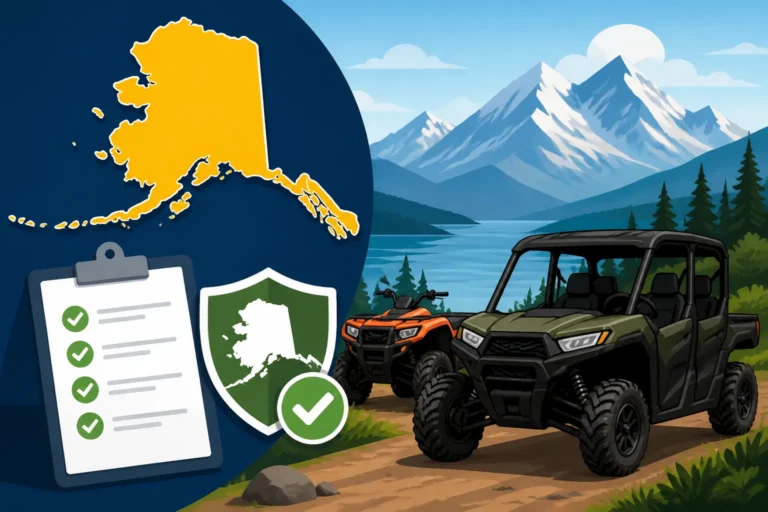
Just like any vehicle on a public road, even for a brief moment, your ATV or UTV must meet certain equipment requirements. This isn't just about avoiding a ticket; it's about ensuring you're visible and capable of safe operation in an environment shared with much larger, faster vehicles. Before you even think about putting a tire on a public highway, confirm your machine has these essential components.
Lights, Reflectors, and Visibility
Visibility is critical, especially in Alaska where weather can change rapidly, and daylight hours vary wildly. Your APV must be equipped with working headlights that can illuminate objects at least 100 feet ahead. This isn't just for night riding; it's also crucial for making you seen during daylight, particularly on overcast days or in areas with shadows. Taillights must be visible from a distance of 1,000 feet to the rear. Often, stock ATV taillights might be less robust than what's needed, so consider upgrades. Companies like SuperATV offer excellent aftermarket lighting kits designed to enhance visibility and meet various regulations.
In addition to lights, your machine needs reflectors. These often get overlooked but are vital for passive visibility. Red reflectors must be mounted on the rear, and amber reflectors on the sides, typically near the front. These ensure you remain somewhat visible even if your electrical system fails. For more detail on these requirements, check out [Alaska Reflector Requirements] and [Alaska Lighting Rules on a Machine].
Braking, Mufflers, and Safety Controls
Working brakes are non-negotiable. Your APV must have a brake system capable of stopping the machine safely. This might seem obvious for everyday riding, but on asphalt or gravel roads, stopping distances can change dramatically compared to dirt trails. Maintain your brakes religiously. You can find more specific rules for [Alaska Requires Lights and Brakes].
Mufflers and emission controls are also required. This prevents excessive noise pollution and ensures your machine isn't spewing out undue amounts of pollutants. While the "loud pipes save lives" mentality is prevalent in some communities, on a highway, excessive noise can be a nuisance and draw unwanted attention from law enforcement. Your machine needs to have a functioning muffler that effectively limits sound, along with a spark arrester. The spark arrester is a critical safety device, especially during dry seasons, as it prevents hot carbon particles from escaping the exhaust and potentially starting wildfires. For the nitty-gritty, read [Alaska Spark Arrester Requirements].
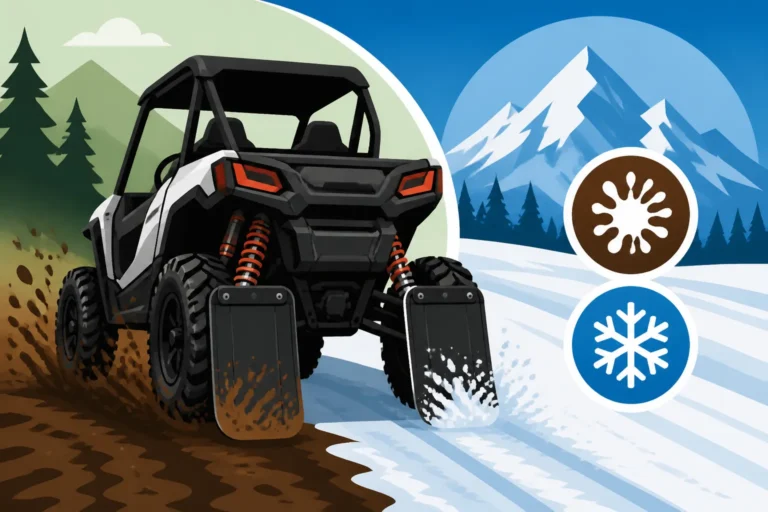
A self-closing throttle is another safety feature mandated by Alaska law. This means that if you release the throttle, it should automatically return to its idle position. This prevents runaway acceleration, which can be incredibly dangerous on a busy road. Finally, your APV must also be equipped with mud and snow flaps behind the rear wheels. These aren't just for keeping mud off your own machine; they prevent debris from being thrown up into the windshields of following vehicles, a common courtesy that is codified into law. For specific flap rules, refer to [Alaska Mud and Snow Flap Rules].
Here's a quick summary of the key equipment requirements for crossing a highway:
| Equipment Category | Specific Requirement | Purpose |
|---|---|---|
| Lighting | Headlight visible 100 ft, Taillight visible 1000 ft | Active visibility, especially in low light or adverse weather. |
| Reflectors | Red (rear), Amber (sides, front) | Passive visibility if lights fail or are off. |
| Brakes | Fully functional, capable of safe stopping | Essential for control and preventing collisions. |
| Muffler | Limits noise, prevents excessive emissions | Reduces noise pollution, adheres to environmental standards. |
| Spark Arrester | Prevents fire-starting particles from exhaust | Critical fire prevention, especially in dry conditions. |
| Self-Closing Throttle | Automatically returns to idle when released | Prevents accidental acceleration, enhances control. |
| Mud/Snow Flaps | Behind rear wheels | Prevents throwing debris onto other vehicles. |
Many riders look to aftermarket solutions to ensure their machines are up to snuff. For example, SuperATV offers fender flares and mud flaps that can help you meet the mud flap requirement, as well as a variety of LED lighting options to improve visibility significantly.
Driver Qualifications and Legal Ramifications
Beyond the machine itself, the person operating the APV across the highway also has specific legal obligations. These relate to licensing, insurance, and the general understanding of what law enforcement can ask of you.
Driver's License and Insurance
In Alaska, if you're going to operate an APV on any public road, even for a crossing, you must possess a valid Class D driver's license. This is the standard license for operating passenger vehicles. A minor operating an APV is typically not allowed to operate it on a highway, even for crossing, as they would not possess a Class D license. This rule is firm: no valid driver's license, no highway crossing. Learn more about this at [Alaska Requires a Class D License].
Furthermore, liability insurance is mandatory for any APV being operated on a public highway. This isn't optional. It's the same insurance requirement that applies to cars and trucks, ensuring that if you're involved in an accident, there's coverage for damages or injuries you might cause to others. Always carry proof of insurance with you, along with your driver's license and your APV registration. A trooper can ask to see these documents at any time. For more information, see [Alaska Requires Liability Insurance for an APV].
Helmet Laws and Penalties
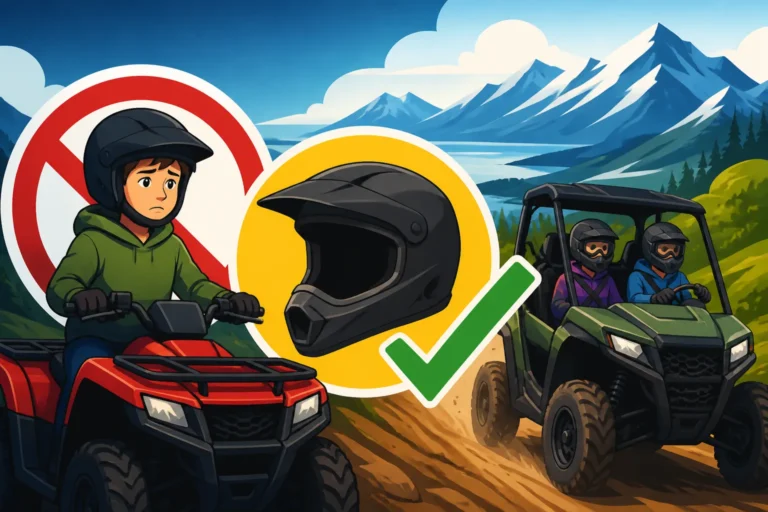
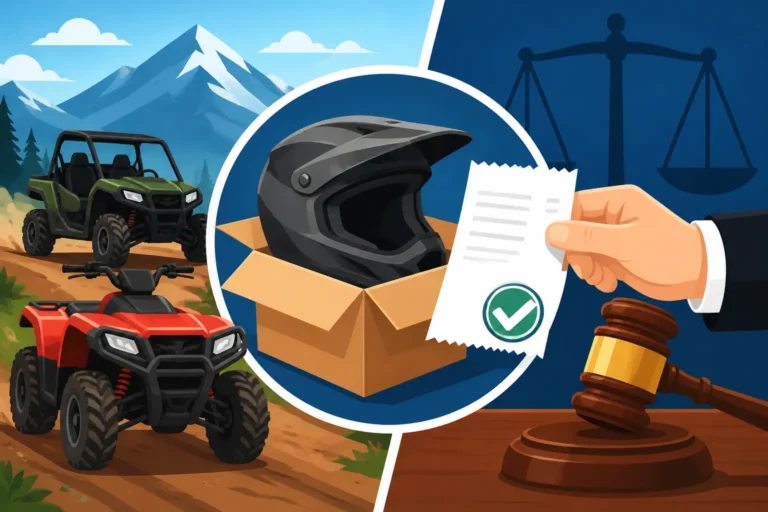
While there isn't a universal helmet law for all adult APV riders in Alaska, anyone under the age of 16 must wear an approved helmet when operating or riding as a passenger on an APV, regardless of where they are riding – and this certainly includes crossing a highway. Even if you're an adult, wearing a helmet is always a wise choice, especially when briefly sharing a space with high-speed traffic. Accidents can happen quickly, and a helmet is your best protection. You can find more specific details on [Alaska Helmet Law for Riders Under 16].
Ignoring any of these rules or requirements can lead to citations and fines. Troopers and local law enforcement actively patrol areas where APVs are common, and they are well-versed in the regulations. Operating an APV on a highway without the proper license, insurance, or equipment is a violation that can result in significant penalties. It's always best to be prepared and compliant rather than face the repercussions. If you're unsure about specific local ordinances, it's prudent to check with the local city or borough offices before you ride. [Checking a City Code Before You Ride] can save you a lot of grief. Remember, the goal is to enjoy the vastness of Alaska responsibly and legally.
Disclaimer
This article is for general informational purposes only and does not constitute professional advice. Laws, prices and regulations vary by location and change over time. Consult a qualified professional for guidance on your specific situation.