Alaska’s Under-16 Helmet Fine
It can be a constant source of worry for parents to ensure their children are safe while exploring the vast, rugged landscapes of Alaska on an ATV or UTV. The call of the wild is strong here, but so is the potential for unforeseen dangers. This guide will walk you through the specifics of Alaska's helmet law for young riders, detailing the penalties for non-compliance and offering crucial advice on how to keep your family safe on the trails and roads less traveled.
Understanding Alaska's Youth Helmet Law for APVs
Riding an All-Purpose Vehicle (APV) in Alaska is an exhilarating experience, offering unparalleled access to remote areas and stunning scenery. However, with this freedom comes significant responsibility, especially when young riders are involved. Alaska law recognizes the unique vulnerabilities of children and teens, placing specific requirements on helmet use to protect them. It's not just a suggestion; it's a critical legal mandate designed to prevent serious injury. Ignoring this law can lead to immediate consequences on the trail and long-term regrets for families.
The Core Requirement: Under 16
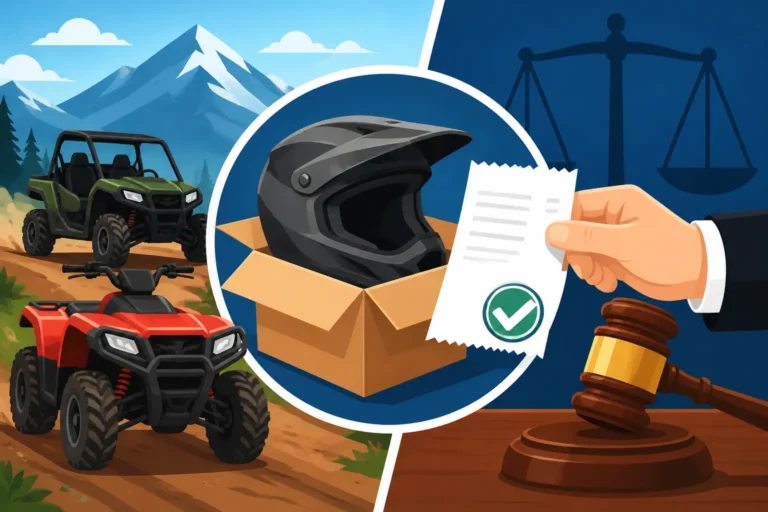
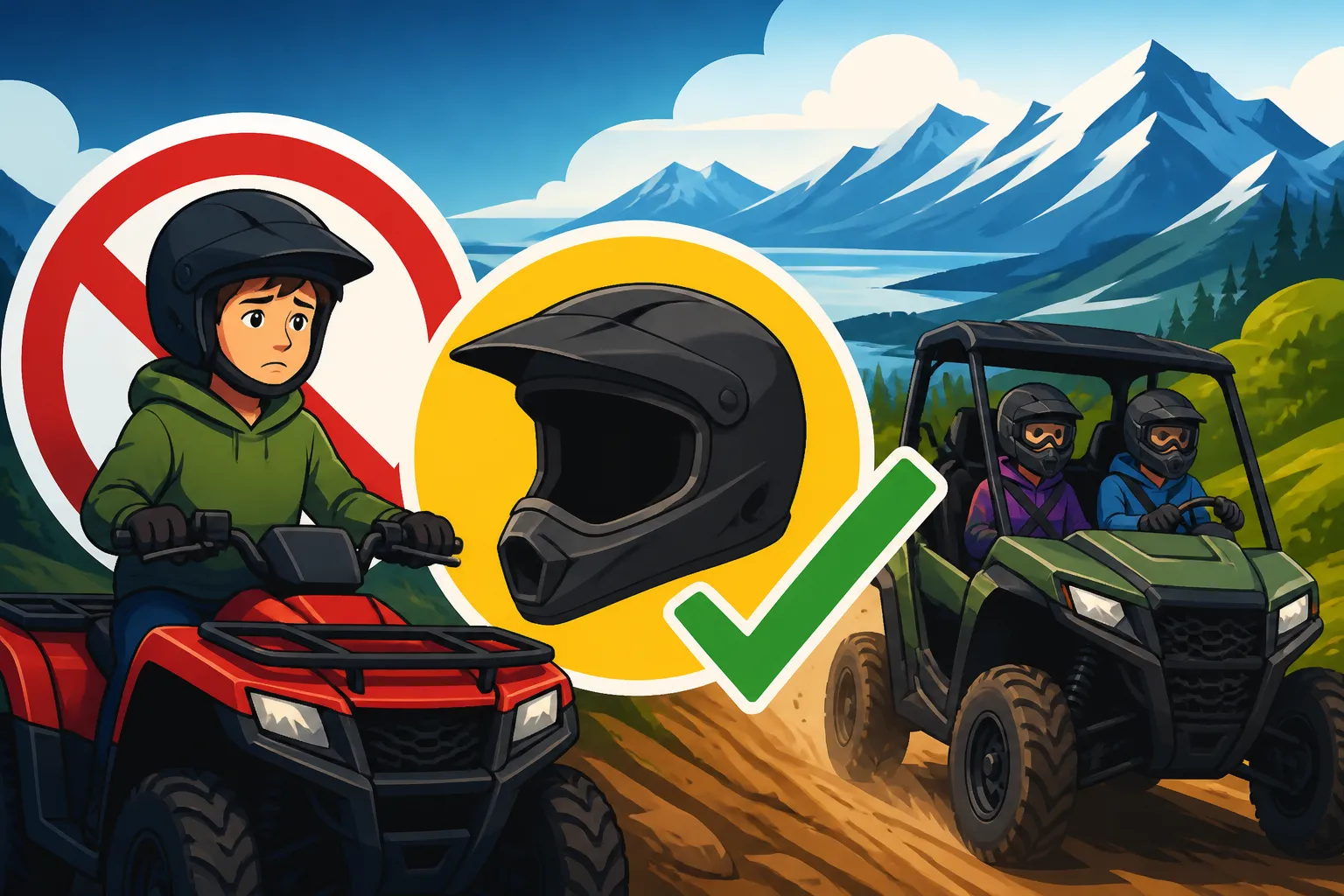
The bedrock of Alaska's youth helmet law for APVs is clear: anyone under the age of 16 operating or riding as a passenger on an APV must wear a helmet. This isn't limited to public roads; it applies to all areas where APVs are legally operated, from vast wilderness trails to designated riding parks. Whether your child is behind the handlebars of their own quad or riding alongside you in a side-by-side, if they haven't reached their sixteenth birthday, a helmet is non-negotiable. This law reflects a widely accepted understanding of child development and the potential for severe head injuries in recreational vehicle accidents. [Alaska Helmet Law for Riders Under 16] specifies this requirement, ensuring that the most vulnerable riders have a layer of protection. This rule applies regardless of the type of APV—be it a quad, a dirt bike, or a side-by-side—as long as it falls under the APV classification. It's a simple, yet profoundly important, rule that parents and guardians must adhere to diligently.
The Rationale Behind the Law: Safety First
Why such a specific age cut-off? The reasoning behind Alaska's under-16 helmet law is rooted firmly in safety and the physical realities of growing children. Young riders often lack the developed judgment, reaction time, and physical strength of adults. Their heads are also disproportionately larger and more vulnerable to impact. In the event of an accident, a helmet provides a crucial barrier against traumatic brain injuries, which can have devastating and lifelong consequences. The law aims to mitigate these risks by ensuring that children are equipped with the most basic yet effective piece of safety gear. Furthermore, the terrain in Alaska can be unpredictable, with sudden bumps, unexpected obstacles, and varied surfaces that can challenge even experienced riders. A child on an APV without a helmet in such conditions is exposed to an unacceptable level of risk. This protective measure is about safeguarding young lives and preserving their futures, allowing them to enjoy Alaska's outdoor opportunities without facing preventable harm.
Penalties and Consequences of Non-Compliance
It's one thing to know the law, and another to understand the very real consequences of not following it. For parents or guardians of young riders in Alaska, overlooking the helmet requirement for those under 16 can lead to more than just a stern talking-to from a trooper. The penalties are designed to emphasize the seriousness of the offense and encourage compliance for the safety of the child.
The Initial Fine: A Warning, Then a Cost
When a law enforcement officer, such as an Alaska State Trooper or a local police officer, encounters a child under 16 riding an APV without a helmet, their primary concern is the child's safety. However, this concern is quickly followed by the enforcement of the law. Typically, a first offense might result in a warning, especially if the circumstances suggest a genuine oversight. But a warning is just that—a grace period. Subsequent encounters or more egregious violations are likely to result in a citation and a fine. [Alaska's $25 Fine for a First Helmet Offense] describes the typical monetary penalty associated with a primary infraction. This initial fine serves as a stark reminder of the law and the responsibility of supervising adults. It's not a trivial amount, and it's intended to be a deterrent, urging parents to prioritize helmet use for their children. Imagine being out on a beautiful trail near the Knik River Public Use Area, enjoying the scenery, only to have your day interrupted by a citation because your child, excited by the ride, forgot or refused to wear their helmet. The inconvenience and financial hit are real, but they pale in comparison to the potential consequences of an injury.
Escalating Fines for Repeat Offenses
The legal system recognizes that sometimes people make mistakes, but it also expects compliance once a warning or initial fine has been issued. For repeat offenders, the penalties for not ensuring a child under 16 wears a helmet on an APV in Alaska become more significant. Law enforcement agencies maintain records of citations, and a second or third offense will likely carry a heftier financial penalty. [Alaska Second Offense Helmet Fines] details how these penalties increase, reflecting the state's insistence on protecting its young residents. The intent is not to punish families unfairly, but to underscore the critical nature of the safety regulation. These escalating fines serve as a strong incentive for parents to establish consistent helmet-wearing habits for their children. It means that simply paying the first fine and hoping for the best next time isn't a viable strategy. Each time a child is found riding without a helmet, the costs and legal implications become more severe, demonstrating a clear pattern of non-compliance that the authorities will address with increasing seriousness.
Beyond the Fine: Other Implications
While the financial penalties are a direct consequence, there can be other, less obvious implications for repeated violations of the youth helmet law. In severe cases or with persistent disregard for safety, law enforcement or child protective services might take a closer look at the overall welfare and supervision of the child. While this is rare for a helmet violation alone, it underscores the seriousness with which the state views child safety. Moreover, if an accident were to occur and a child was not wearing a helmet as required by law, it could complicate insurance claims or even expose parents to civil liability if injuries are sustained. Legal experts often emphasize that failing to meet statutory safety requirements can be viewed as negligence, potentially impacting any legal proceedings that arise from an accident. The fine is just the beginning; the real cost could be much higher in terms of legal battles, insurance headaches, and, most importantly, the physical and emotional toll on a child and their family. Ensuring proper safety equipment is worn mitigates not only the risk of injury but also these potential legal and financial entanglements.
Defining an All-Purpose Vehicle (APV) in Alaska
Understanding what constitutes an All-Purpose Vehicle (APV) in Alaska is crucial for knowing when the helmet law, and other regulations, apply. The state has specific definitions that encompass a range of off-road machines, but also clearly excludes others. It's not just about what it looks like; it's about how the law classifies it.
What Machines Are Included
In Alaska, the term "All-Purpose Vehicle" or APV is a broad classification that covers many of the motorized vehicles commonly used for recreation and utility in the state's vast backcountry. Generally, an APV is defined as a motor vehicle designed to travel over unimproved terrain and that has a width of 70 inches or less, a dry weight of 1,200 pounds or less, and a wheelbase of 60 inches or less. However, the practical application often includes vehicles that are colloquially known as:
- All-Terrain Vehicles (ATVs) or "Quads": These are typically single-rider or two-rider machines with handlebars, four wheels, and a straddle seating position. They are a staple of Alaskan recreation and subsistence.
- Utility Terrain Vehicles (UTVs) or "Side-by-Sides": These vehicles, often referred to as "side-by-sides," resemble small cars with steering wheels, bench or bucket seats, and often have roll cages. They can carry multiple passengers and cargo, making them popular for hunting, fishing, and trail work.
- Dirt Bikes: While primarily two-wheeled, dirt bikes often fall under the APV definition when ridden in off-road contexts where other APVs operate. Their off-road design and usage align with the spirit of the APV classification, especially regarding safety requirements.
The key is that these machines are designed for off-road use, tackling diverse terrains from gravel riverbeds to forest trails. They are distinct from traditional highway vehicles in their construction and intended purpose. [Alaska APV Class Explained] offers a deeper dive into the specific characteristics and criteria that define these vehicles under state law, helping riders and owners understand their obligations. Whether you're hauling supplies to a remote cabin or exploring the backcountry, if your machine fits these general descriptions and the legal definitions, the under-16 helmet law applies to your young passengers and operators.
Vehicles Excluded from APV Classification
Just as important as knowing what is included is understanding what is not considered an APV under Alaska law. These distinctions are vital because different types of vehicles may have entirely separate regulations regarding registration, operation, and safety equipment. Misclassifying a vehicle could lead to overlooking essential safety requirements or unknowingly violating other laws.
Common exclusions from the APV definition include:
- Snowmobiles (Snow Machines): These are specifically designed for travel over snow and are generally regulated under a separate set of statutes. While they also involve off-road operation and often similar risks, their classification means they are not subject to the same APV-specific rules, including some helmet mandates, though helmet use is always strongly recommended.
- Tracked Vehicles: Machines that utilize tracks instead of wheels for propulsion are typically excluded. Their unique locomotion system places them outside the standard APV definition, often requiring specialized permits or regulations depending on their use. [Alaska Excludes Tracked Vehicles] provides more context on this particular exclusion.
- Three-Wheelers: Although once popular, three-wheeled ATVs have a history of instability and are generally excluded from modern APV classifications due to safety concerns. [Alaska Excludes Three-Wheelers] clarifies why these machines are treated differently, often with strict prohibitions on their sale and operation.
- Homemade ATVs: Vehicles built from scratch or significantly modified to the point where they no longer resemble a manufacturer's model may not fit the APV criteria. Their safety standards can be difficult to verify, leading to their exclusion from typical registration and usage parameters.
- Special Mobile Equipment: Large, heavy equipment used for construction, mining, or agricultural purposes, despite being off-road, are typically classified as special mobile equipment and are not considered APVs.
These exclusions highlight the specificity of Alaska's laws. It's never safe to assume that all off-road vehicles fall under the same umbrella. Always consult official state resources or a qualified professional if you are unsure about the classification of your particular machine, especially when it involves transporting or allowing young riders to operate it.
Choosing the Right Helmet for Young Riders
Selecting the correct helmet for a young APV rider isn't just about meeting a legal requirement; it's about providing the best possible protection. A helmet that doesn't fit properly or isn't designed for the intended use offers little real safety, even if it's technically on their head. This choice requires careful consideration.
CPSC Standards and Why They Matter
When you're shopping for a helmet for your child, the most critical factor to look for is certification by the Consumer Product Safety Commission (CPSC). The CPSC sets mandatory safety standards for bicycle helmets and voluntary standards that are widely adopted for other recreational helmets, including those for ATVs and UTVs. A CPSC-certified helmet has undergone rigorous testing to ensure it can withstand impacts, has adequate chin strap retention, and offers sufficient peripheral vision. This certification is your assurance that the helmet meets a minimum benchmark of safety performance. [What the CPSC Helmet Standard Actually Requires] explains the specifics of these standards, giving parents confidence in their purchase. Without this certification, a helmet might look protective, but it simply hasn't proven its ability to perform in an accident scenario. For young riders, whose developing skulls are more fragile, this level of verified protection is absolutely non-negotiable. Always look for the CPSC sticker or label inside the helmet, and never compromise on this crucial aspect.
Proper Fit and Maintenance
Even the most expensive, CPSC-certified helmet is useless if it doesn't fit correctly or isn't maintained. A helmet for a child must fit snugly without being uncomfortably tight, sit level on their head, and not rock back and forth or side to side. When the chin strap is buckled, the helmet should not move more than an inch in any direction. The chin strap should be adjusted so that only two fingers can fit under it, ensuring it stays in place during an impact. Many helmet brands offer youth-specific sizes, and it's essential to measure your child's head circumference and refer to the manufacturer's sizing chart.
Once you've found the right fit, regular maintenance is key. Helmets should be inspected before each ride for any cracks, loose parts, or damage to the shell or liner. If a helmet has been involved in an impact, even if there's no visible damage, its protective integrity may be compromised, and it should be replaced immediately. Store helmets in a cool, dry place away from direct sunlight and harsh chemicals, as these can degrade the materials over time. Cleaning should be done with mild soap and water, avoiding abrasive cleaners. A well-fitting and well-maintained helmet is your child's best defense against head injuries on the trails. [Choosing a CPSC Helmet for a Young Rider] offers practical advice on this vital selection process.
Specific Helmet Types for ATV/UTV Riding
While a CPSC-certified helmet is the baseline, specific types of helmets offer varying degrees of protection and features tailored for ATV and UTV riding.
Here’s a look at common options:
| Helmet Type | Description | Best Use Case for Youth Riding | Key Features |
|---|---|---|---|
| Full-Face Off-Road | Specifically designed for dirt riding, these helmets feature an elongated chin bar for face protection and a sun visor. They are often worn with goggles, providing excellent ventilation. | Ideal for aggressive trail riding, racing, or any situation where maximum facial protection from impacts and roost (debris kicked up by other vehicles) is desired. Excellent for protecting against brush and low branches in wooded areas. | Lightweight shell, strong ventilation system, wide eye port for goggles, often made with advanced composites, removable and washable liners, extended chin bar. |
| Modular/Flip-Up | Offers the versatility of a full-face helmet with a chin bar that can be flipped up, combining features of an open-face and full-face. Less common for dedicated off-road but seen in some UTV use. | More suitable for UTV passengers or light trail riding where communication and convenience are prioritized, but still offers a full-face option. Not recommended for aggressive ATV riding due to potentially less robust chin bar protection compared to dedicated off-road. | Integrated visor, often includes sun shield, usually heavier than dedicated off-road helmets, good for communication and quick stops without removing the helmet. |
| Open-Face | Provides protection for the top, back, and sides of the head, but leaves the face exposed. Often used with goggles or a face shield. | Generally not recommended for ATV/UTV riding, especially for children, due to the lack of chin and facial protection. Acceptable for very low-speed utility work or as a passenger in an enclosed UTV, but still a higher risk profile. | Good ventilation, lighter weight, less restrictive feel. |
For young riders, a full-face off-road specific helmet is almost always the best choice due to its comprehensive protection, including the chin and face. These helmets are designed to handle the unique demands of off-road environments, protecting against impacts, flying debris, and even tree branches. Paired with a good set of goggles, they offer excellent visibility and keep dust and dirt out of the eyes. Investing in quality gear, including these essential items, is an important part of [Alaska OHV Equipment Requirements] and ensuring a safe and enjoyable experience for your children.
Broader Safety Considerations for Young APV Riders
While a helmet is undeniably critical, it's just one piece of the puzzle when it comes to ensuring the safety of young APV riders in Alaska. A holistic approach that includes proper training, vigilant supervision, and appropriately matched equipment creates the safest environment for children to enjoy these powerful machines. It’s about building a culture of safety from the ground up, not just relying on a single piece of gear.
Adult Supervision and Training
The importance of adult supervision for young APV riders cannot be overstated. Children and teens, even those with some experience, can make impulsive decisions, misjudge terrain, or become distracted. An adult present can quickly intervene, offer guidance, and model safe riding practices. This means active supervision, not just being in the vicinity. The adult should be able to see and hear the child, and be capable of providing immediate assistance if needed. Beyond simply watching, adults should ensure children complete formal training courses. Organizations offer specialized ATV safety courses that teach crucial skills like proper turning, braking, ascending and descending hills, and emergency maneuvers. These courses also emphasize environmental awareness and the rules of the trail. [Alaska Safety Course Options] highlights various programs available that can significantly enhance a young rider's proficiency and judgment. A trained child under direct adult supervision is exponentially safer than one left to learn through trial and error, regardless of their age or the machine they are operating.
Age-Appropriate Machines and Riding Environments
Matching a child to an age-appropriate APV is fundamental to their safety. Manufacturers provide age recommendations for their machines, usually based on engine size, weight, and speed capabilities. Allowing a child to operate an APV that is too large, too powerful, or too heavy for their size and experience level dramatically increases the risk of accidents. A machine that is too big can be difficult for a child to control, especially during turns or when encountering obstacles. Their hands may not comfortably reach controls, and their feet may not touch the ground, making balancing and maneuvering challenging.
Similarly, choosing the right riding environment is crucial. Young riders should start in open, flat areas with minimal obstacles to build their foundational skills. As they gain experience, they can gradually progress to more varied terrain, but always within their comfort and skill level. Public roads, especially those with vehicle traffic, are generally unsuitable and often illegal for APVs, and particularly dangerous for children. [Alaska Rules for a Teen Rider] and [Alaska Parent Riding With a Child] offer guidance on these aspects, underscoring that a careful, phased approach to riding and environment is essential. Never put a child on a machine they can't physically manage, and never let them ride in conditions or environments beyond their current capability.
Aftermarket Safety Gear and Enhancements
Beyond the mandatory helmet, there's a wide array of aftermarket safety gear and enhancements that can further protect young riders. These aren't always legally required, but they represent an investment in peace of mind and enhanced safety. For side-by-sides, this might include upgraded seat belts or harnesses, such as those available from reputable brands like SuperATV, which can offer more secure restraint than standard lap belts. Roll cages, while standard on many UTVs, can sometimes be reinforced or customized for additional protection against rollovers.
For ATVs, additional protective gear like chest protectors, knee and elbow pads, and sturdy boots can prevent scrapes, bruises, and even fractures from falls or impacts with debris. Protective eyewear, typically goggles worn with an off-road helmet, is essential to shield eyes from dust, branches, and insects. SuperATV also offers items like full doors, windshields, and protective skid plates that, while not strictly "safety gear" for the rider's body, contribute to a safer overall riding experience by protecting against trail hazards and keeping occupants more secure within the vehicle. Regularly inspecting and maintaining all safety equipment, both factory-installed and aftermarket, ensures it will perform as intended when it matters most. These additional layers of protection, combined with proper training and supervision, create the most secure environment for young riders to enjoy Alaska's trails responsibly.
Educating Parents and Guardians
The responsibility for a child's safety on an APV ultimately rests with the parents and guardians. This responsibility extends beyond merely purchasing a helmet; it involves a continuous commitment to education, communication, and setting a strong example. In Alaska's rugged environment, informed and prepared adults are the first line of defense against accidents for young riders.
Discussing the Law with Children
Open and honest communication with children about safety laws, especially the helmet requirement, is paramount. Instead of simply dictating rules, take the time to explain why these laws exist. Discuss the potential dangers of head injuries, using age-appropriate language. You can frame it not as a punishment, but as a crucial tool that allows them to enjoy their riding safely and continue doing what they love. For younger children, a simple analogy, like a helmet being their "brain protector," can be effective. For teenagers, appeal to their sense of responsibility and the real-world consequences, including fines and potential injury. Involve them in the process of selecting a comfortable, CPSC-certified helmet that they feel good about wearing. When children understand the rationale behind a rule, they are much more likely to comply willingly rather than simply following an arbitrary command. Regularly reinforce the message before every ride, making helmet use as routine and automatic as buckling a seatbelt in a car.
Leading by Example
Perhaps the most powerful teaching tool for parents and guardians is leading by example. If adults insist that children wear helmets but do not wear them themselves, it sends a mixed message that can undermine the perceived importance of the rule. Children are astute observers, and they quickly pick up on inconsistencies between what they are told and what they see. When parents and other adult riders consistently wear their helmets, it normalizes the behavior and reinforces the message that helmet use is a universal safety practice for everyone, regardless of age or experience.
Beyond helmet use, setting a good example extends to all aspects of responsible APV operation: adhering to speed limits, respecting private property, staying on designated trails, avoiding alcohol while riding, and always performing pre-ride safety checks. If you, as an adult, regularly check your machine's brakes, tires, and fluid levels, your child will learn to appreciate the importance of machine maintenance. If you prioritize safety gear, from your helmet to your sturdy boots, your child will see it as an essential part of the riding experience. This consistent modeling of safe and responsible behavior instills lifelong habits in young riders, ensuring they not only comply with current laws but also develop a deep-seated respect for safety that will protect them throughout their riding careers. [Alaska Rules for a Child Passenger] even emphasizes the importance of adult behavior when carrying younger riders.
Disclaimer
This article is for general informational purposes only and does not constitute professional advice. Laws, prices and regulations vary by location and change over time. Consult a qualified professional for guidance on your specific situation.