Alaska Rules for Riding a Beach
Riding an ATV or UTV along Alaska's breathtaking beaches can feel like the ultimate freedom, a truly iconic Alaskan experience. But before you envision endless stretches of sand and surf, it's crucial to understand that beach riding here isn't a free-for-all. Many riders face the frustration of not knowing where they can legally go, what permits they might need, or how to avoid damaging sensitive ecosystems. This comprehensive guide aims to untangle those complexities, offering clear, actionable information so you can enjoy Alaska's coastlines responsibly and legally.
Understanding the Legal Landscape of Alaska Beaches
Alaska’s coastline is vast and varied, but that doesn't mean it's all open territory for your machine. The legalities of riding on a beach are often murky, dependent on who owns the land and what specific regulations apply. It’s not just about getting to the beach; it's about understanding the invisible lines that govern access.
Tidelands and Public Access
In Alaska, tidelands – the land between the mean high tide line and the mean low tide line – are generally owned by the state. This often leads to the assumption that if it's tideland, it's public access, and you can ride there. While it's true that the public has a right to use tidelands for certain activities like fishing, navigation, and recreation, this right isn't absolute when it comes to operating motorized vehicles. The state maintains regulatory authority, and specific rules can still apply. For instance, even on state-owned tidelands, local municipalities or specific state agencies might have ordinances or regulations restricting ATV/UTV use, especially in areas with high pedestrian traffic or sensitive ecological zones. The general permit for ATV use on state lands covers many areas, but tidelands sometimes fall under different considerations, or local rules can supersede it. Always remember to check [Alaska General Permit Requirements] if you plan to venture beyond established trails.
Many riders are surprised to find that even if they can get to a beach, riding along it is heavily restricted or outright prohibited in many populated areas. For those living in or visiting smaller, more remote communities, beach access might be part of daily life and transportation, but even there, respect for local customs and unwritten rules is paramount.
Local Ordinances and Restrictions
This is where things get particularly tricky. Even if the state technically owns the tidelands, cities and boroughs often have their own municipal codes that dictate whether and how you can operate an ATV or UTV within their boundaries, including on beaches that fall within their jurisdiction. For example, communities like Anchorage, Fairbanks, and Juneau have very restrictive rules, and while they might not have expansive beaches for riding in the traditional sense, any coastal areas within their limits are typically off-limits to recreational OHV use.
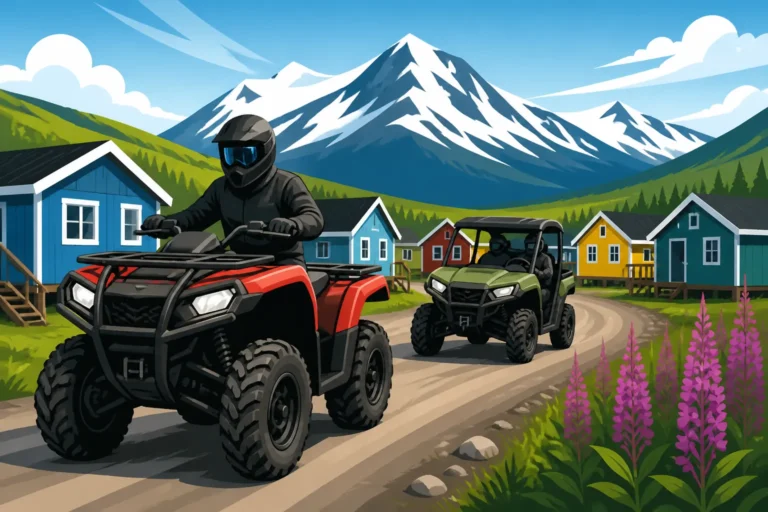
In smaller coastal communities, the rules can vary wildly. Some villages rely on ATVs and UTVs as primary transportation, and beach riding might be common for access to subsistence resources or travel between homes. However, even in these areas, there might be specific zones or seasons where riding is prohibited to protect nesting birds, seal haul-outs, or fragile dune systems. It’s not uncommon to encounter signs, local notices, or even just community consensus that defines acceptable riding areas. Ignorance of these local rules isn't an excuse, and a friendly conversation with a local before heading out can save you a lot of trouble and potential fines.
Federal and State Overlays on Coastal Lands
Beyond state tidelands and local ordinances, Alaska's coastline is also home to vast tracts of federal and state-managed lands, including national parks, wildlife refuges, state parks, and critical habitat areas. These lands often come with their own, even stricter, regulations regarding motorized vehicle use. For instance, riding an ATV on a beach within a national park or wildlife refuge is almost universally prohibited, unless it's a designated administrative use or part of a very specific access corridor.
State parks, like those managed by Alaska State Parks, also have their own rules. Just because an area is a state park doesn't automatically mean it's open for ATV riding, especially on beaches. These areas are often managed for conservation and specific recreational uses that might not include motorized travel. You'll need to research the specific management plan for any federal or state land you intend to ride on. This includes areas like the Kenai Peninsula, Prince William Sound, and regions along the Bering Sea coast, where land ownership can be a mosaic of federal, state, and Native corporation holdings. Riding on [Alaska Native Corporation Land Permissions] requires explicit permission, and these corporations often have their own rules regarding resource use and access. Before you ever hit the sand, make sure you know who owns the land and what their specific rules are.
Environmental Responsibility on Alaska's Coastlines
Alaska's beaches are incredibly dynamic and ecologically vital. They're not just stretches of sand; they are nurseries for marine life, critical foraging grounds for birds, and often the first line of defense against powerful storms. When we ride our machines on the beach, we have a profound responsibility to protect these fragile environments.
Protecting Sensitive Coastal Ecosystems
The tracks left by an ATV or UTV can have a much larger impact than you might think. Coastal dunes, for example, are held together by delicate vegetation. Driving over these areas can destroy plants, leading to erosion and making the dunes more vulnerable to wind and wave action. Many species of birds nest directly on the sand or in the low-lying grasses behind the beach, and crushing their nests or eggs with a tire is a tragic, irreversible mistake. Even the invertebrates that live just beneath the sand are part of the food web, and compacting the sand can disrupt their habitat.
Beyond the immediate impact, the noise and presence of machines can disturb marine mammals like seals or sea lions that haul out on remote beaches. It can also disrupt migratory birds resting or feeding. Riders should always be on the lookout for wildlife and give them a wide berth. If you notice signs of nesting birds, haul-outs, or sensitive plant life, it's best to find an alternative route or avoid the area entirely. This commitment to low-impact recreation ensures these beautiful places remain healthy for future generations and for the wildlife that depends on them.
Avoiding Marine Life and Bird Nesting Areas
This deserves a specific call-out because the consequences of careless riding can be so severe. Alaska's beaches are vital for countless species. From the tiny sanderlings scurrying at the water's edge to the majestic eagles perched on driftwood, the coast is alive. During certain times of the year, particularly spring and early summer, many bird species nest on the ground, often in camouflage that makes them nearly invisible. Their nests are shallow depressions, easily overlooked and crushed by a passing tire.
Marine mammals, like seals, frequently use beaches for resting, birthing, and nursing their young. Disturbing these animals, especially mothers and pups, can cause them to abandon their young or expend critical energy fleeing. It's not just about direct contact; stress from human presence and noise can have long-term impacts on wildlife health and survival. Keep your distance, use binoculars if you want a closer look, and never pursue or harass wildlife. Remember, you're a visitor in their home, and their well-being takes precedence.
Minimizing Tracks and Erosion
While you might leave tracks wherever you ride, on a beach, those tracks can contribute to erosion and disrupt natural processes. Repeated passes over the same area can create ruts, especially in softer sand or during tides. When the tide comes in, these ruts can channel water in unnatural ways, accelerating erosion. Beyond the immediate physical impact, the sheer visual disturbance of excessive tracks can detract from the natural beauty of the beach for others who seek solitude and wildness.
One way to minimize your footprint is to stick to existing, established tracks if they are present and legal. Avoid riding in fresh, untracked areas, especially if the sand appears particularly soft or vegetated. If you must cross a delicate area, do so quickly and efficiently. Consider tire pressure; reducing it slightly can increase your contact patch and distribute weight more evenly, potentially reducing impact. Think of it as leaving only footprints, even if they are tire treads, and working to ensure they're quickly erased by the next tide or wind. A sturdy machine with robust tires, perhaps from a company like SuperATV, can help you navigate challenging terrain more efficiently, potentially reducing the need for multiple passes.
Practical Considerations for Beach Riding Safety
Beach riding presents unique hazards that differ significantly from trail riding. The combination of water, sand, tides, and potential isolation requires careful planning and a heightened awareness of your surroundings. Safety isn't just a suggestion; it's a necessity.
Understanding Tide Schedules and Quick Sands
This is arguably the single most critical safety consideration for Alaska beach riding. The difference between high and low tide in many parts of Alaska can be extreme, with massive tidal swings that can quickly cut off your escape route. What might look like a wide, accessible beach at low tide can become impassable water just hours later, trapping your machine against cliffs or surging water. Always, and I mean always, consult a local tide chart before you go, and understand the timing of both high and low tides. Plan your ride to ensure you have plenty of time to get back to a safe egress point before the tide turns.
Beyond the water itself, quicksand or extremely soft, unconsolidated sand can be a significant hazard. These areas can swallow a machine whole, turning a fun ride into a desperate recovery effort. Look for areas where water is bubbling up, or the sand appears unusually saturated and fluid-like. Stay away from river mouths where fresh water mixes with saltwater, as these areas are often notoriously soft. Even sturdy SuperATV UTVs can get bogged down in quicksand, so caution is key.
Preparing for Saltwater and Corrosion
Saltwater is the enemy of machinery. It is highly corrosive and can quickly degrade metal components, electrical systems, and bearings. If you ride in or near saltwater, a thorough cleaning immediately afterward is non-negotiable. Rinse your entire machine, paying close attention to the undercarriage, suspension components, brake lines, and electrical connections. Use fresh water and consider a desalinating wash specifically designed for marine environments.
Regular maintenance, like lubricating chains and pivot points, is even more critical when exposed to saltwater. Inspect your machine frequently for signs of rust or corrosion. Ignoring this can lead to premature wear, expensive repairs, and potentially dangerous equipment failures down the line. Treat your machine like a boat if you're taking it to the beach – preventative measures are far cheaper than repairs.
Essential Recovery Gear and Communication
Getting stuck on a beach, particularly a remote one, can quickly become a serious situation. Soft sand, incoming tides, and isolation compound the danger. Always carry appropriate recovery gear. This should include a robust winch (many UTVs come with one, but if not, consider adding a reliable brand), recovery straps (never use chains for recovery!), a shovel, and a sturdy anchor point like a sand anchor or a deadman anchor. Even with a powerful SuperATV winch, you need something to pull against.
Beyond recovery, communication is vital. Cell service is notoriously spotty or nonexistent along many parts of Alaska's coastline. Carry a satellite messenger or a satellite phone, and ensure someone knows your itinerary and expected return time. A personal locator beacon (PLB) is also an excellent idea for true wilderness travel. If you ride in a group, carry a marine radio or a two-way radio to stay in touch. Remember, a broken machine and no way to call for help on an incoming tide is a nightmare scenario that proper preparation can prevent. Filing a [Trip Plan With Someone] is a smart practice for any backcountry excursion, especially on the coast.
Navigating Specific Beach Riding Scenarios
Alaska’s beaches aren’t all the same, and different situations call for different approaches. Whether you're considering a short jaunt or a long expedition, understanding the nuances of various coastal environments is crucial.
Riding on Gravel and Cobble Beaches
Many of Alaska’s beaches aren't soft sand at all but rather expansive stretches of gravel, cobble, or even large boulders. Riding on these surfaces presents its own set of challenges. Gravel can be loose and difficult to navigate, especially on inclines, requiring careful throttle control and awareness of traction. Larger cobbles and boulders can hide beneath shallow water or soft spots, creating unexpected obstacles that can damage your suspension, tires, or even throw you from your machine.
While these surfaces might be less ecologically sensitive than vegetated dunes, they still require respect. Avoid creating excessive ruts in areas where the gravel is thin over underlying tundra or mud. Be mindful of potential rockfall from bluffs above. The key here is to ride defensively, keeping your speed appropriate for the terrain, and constantly scanning ahead for hazards. Your tires will take a beating on sharp rocks, so ensure they are in good condition and consider heavy-duty options if you ride these types of beaches frequently.
Crossing River Deltas and Estuaries
River deltas and estuaries are some of the most dynamic and challenging coastal environments to ride. Here, fresh water from rivers mixes with the ocean, creating ever-changing channels, quicksand, and tidal flats that can be incredibly deceptive. The ground can change from firm gravel to treacherous, bottomless mud in a matter of feet. The water levels in these braided river systems can also rise rapidly, especially during high tides or after heavy rains inland. [Alaska Rules for Riding After Heavy Rain] can also apply here, as increased river flow can make crossings much more hazardous.
Attempting to cross wide river deltas without local knowledge or proper reconnaissance is extremely risky. Always scout your crossing carefully, on foot if necessary, to assess depth, current, and bottom conditions. Look for the narrowest, shallowest points. Be prepared for deep water and swift currents, and understand the limits of your machine. If in doubt, turn back. No shortcut is worth losing your machine or, worse, putting yourself in danger.
Navigating Remote, Undeveloped Coastlines
For many, the allure of Alaska beach riding lies in its remoteness. Miles of undeveloped coastline offer unparalleled solitude and beauty. However, this remoteness also amplifies the risks. Medical help is hours or days away, and self-sufficiency becomes paramount. Before embarking on such an adventure, ensure your machine is in peak mechanical condition and you have a solid understanding of [Alaska OHV Equipment Requirements].
Beyond the practicalities of recovery and communication discussed earlier, consider the environmental impact of your presence. In truly wild areas, your machine might be the only human sign for miles. Pack out everything you pack in, including trash and human waste. Respect wildlife by keeping your distance and avoiding disturbance. Understanding [Alaska Rules for Riding Tundra] and [Alaska Wetland Travel Restrictions Explained] is also important, as coastal areas often blend into these sensitive environments. These pristine environments demand the highest level of respect and a leave-no-trace ethic, ensuring that the next person to experience them finds them just as wild and untrammeled.
| Consideration | General Rule | Specific Alaska Beach Riding Nuances |
|---|---|---|
| Land Ownership | Know before you go. | Tidelands (state) generally public, but local ordinances can restrict. Federal & Native lands often have strict prohibitions. Check local rules carefully. |
| Tides & Quicksand | Be aware of water levels. | Extreme tidal swings are common. Incoming tides can cut off escape. River deltas and estuaries are prone to quicksand. Always consult tide charts. |
| Environmental Impact | Tread lightly. | Avoid vegetated dunes, bird nesting areas (especially spring/early summer), and marine mammal haul-outs. Minimize tracks to prevent erosion. |
| Machine Maintenance | Keep your machine in good shape. | Saltwater causes rapid corrosion. Rinse thoroughly with fresh water immediately after exposure. Lubricate frequently. |
| Safety & Recovery | Don't go alone, carry essentials. | Cell service is rare. Carry satellite messenger/PLB. Essential recovery gear includes winch, straps, shovel, anchor. Know your [Alaska Accident Reporting for an ATV Crash] plan. |
| Wildlife Encounters | Keep your distance. | Be vigilant for seals, sea lions, bears, and nesting birds. Never approach or harass wildlife. |
| Local Knowledge | Ask residents for advice. | Local customs, unwritten rules, and specific community ordinances are crucial. A quick chat can save headaches. |
Disclaimer
This article is for general informational purposes only and does not constitute professional advice. Laws, prices and regulations vary by location and change over time. Consult a qualified professional for guidance on your specific situation.