Alaska Rules for Riding With a Dog
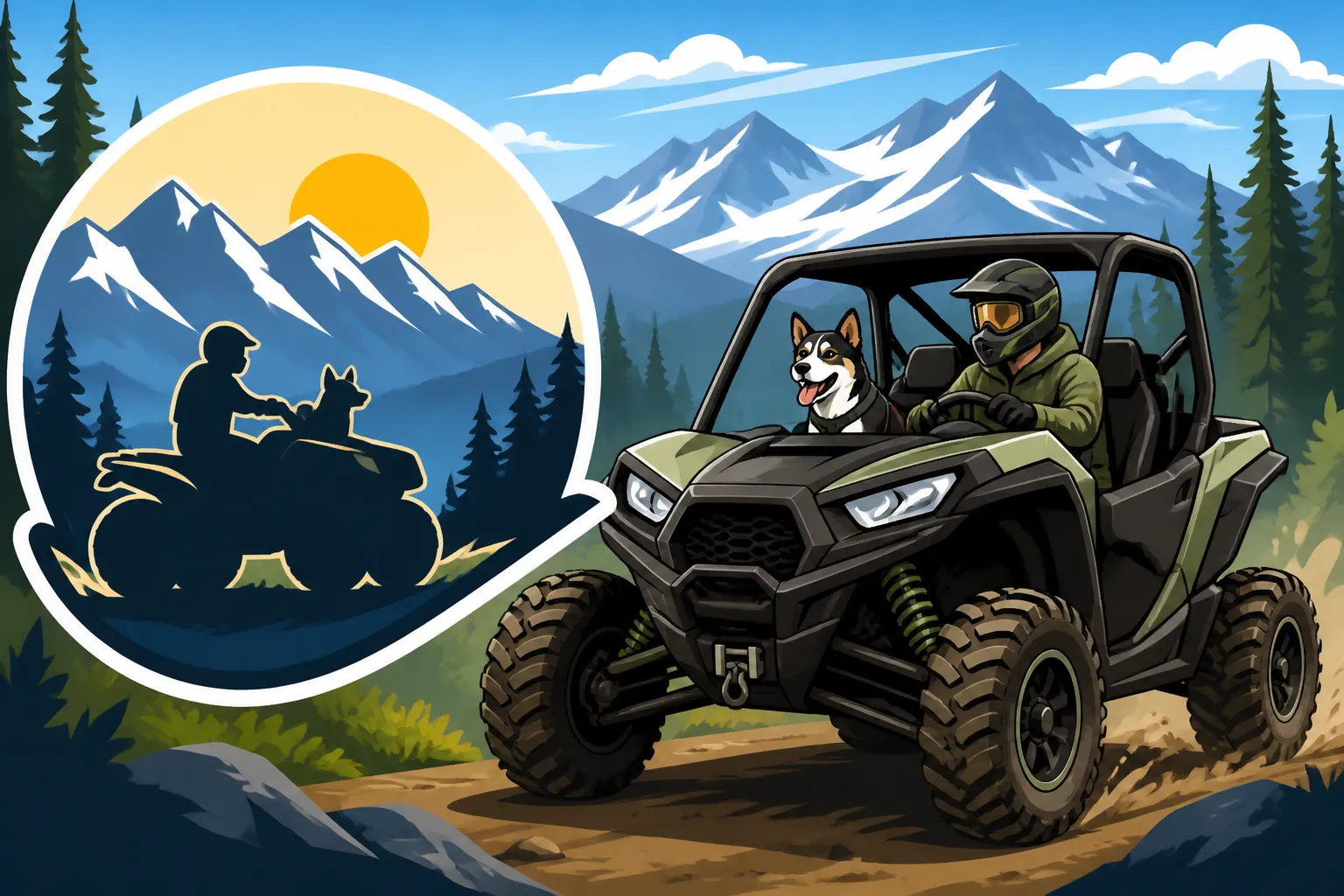
There's nothing quite like the boundless joy of hitting Alaska's incredible trails on your ATV or UTV, but for many of us, that adventure just isn't complete without our best furry friend by our side. The thought of bringing your dog along for the ride, exploring vast landscapes and rugged terrain together, is a powerful draw. However, before you load up your four-legged companion and head out, it's crucial to understand the unique considerations, safety measures, and informal guidelines that come with riding with a dog in the Last Frontier. This comprehensive guide will walk you through everything you need to know to make your shared off-road experiences safe, enjoyable, and respectful of Alaska's wild beauty.
The Call of the Wild: Why Take Your Dog on an Alaska ATV/UTV Ride?
For Alaskans, our dogs aren't just pets; they're often integral members of the family and vital partners in our outdoor pursuits. The desire to bring them along on an ATV or UTV adventure stems from a deep-seated connection to both our animals and the untamed wilderness that surrounds us. It's a lifestyle choice, but one that comes with responsibilities.
Companionship and Outdoor Ethos
Imagine cruising along a remote trail, the crisp Alaskan air in your face, and glancing back to see your dog, ears flapping, truly living their best life. That shared experience is invaluable. For many, a dog is a constant companion, whether they're ice fishing, hunting, trapping, or simply exploring. Bringing them on an ATV or UTV ride deepens that bond, creating memories that last a lifetime. It's an extension of the Alaskan ethos: embrace the outdoors, and do it with those you love. There's a certain peace that comes with knowing your loyal friend is right there, experiencing the same breathtaking views and invigorating smells. It's a quiet agreement that you're both in your element.
Practical Reasons
Beyond companionship, there are incredibly practical reasons for having a dog with you on your machine in Alaska. For hunters and trappers, a well-trained dog can be an invaluable asset, whether it's for tracking game, flushing birds, or retrieving downed animals. In these scenarios, the ATV or UTV simply serves as a means to get the dog and handler to the working area efficiently. Remote cabin owners might rely on their dogs for protection or companionship during long stays, and the machine helps transport them. Even in day-to-day life in more rural areas, a trip to the nearest village on an ATV might involve bringing the family dog along, just like you would in a truck in the Lower 48. Understanding these working roles helps shape how we think about safety and transport for our canine partners.
Challenges Unique to Alaska
Riding with a dog in Alaska isn't like a leisurely cruise on a paved trail down south. The environment here presents unique challenges that demand careful consideration. First, there's the extreme weather, from freezing temperatures and deep snow in winter to sudden rain showers and muddy conditions during breakup. Then there's the terrain itself: rough, rocky trails, deep water crossings, thick brush, and vast open tundra. Perhaps the most significant challenge, and one that requires constant vigilance, is the abundance of wildlife. Encounters with moose, bears, wolves, and other predators are a very real possibility, and your dog's safety (and yours) can depend on how well you've prepared for such situations. The sheer remoteness of many Alaskan trails also means that help is often hours away, amplifying the need for self-sufficiency and robust emergency planning when a dog is involved.
Safety First: Preparing Your Dog and Your Machine for the Trail
Ensuring your dog's safety and comfort is paramount when hitting the trails in Alaska. This isn't just about throwing them in the back; it's about thoughtful preparation for both your canine companion and your off-road vehicle.
Dog-Specific Preparations
Before your dog ever sets a paw near your ATV or UTV, they need to be physically and mentally ready for the adventure. Start with a vet check-up to ensure they're in good health and up-to-date on vaccinations, especially for diseases prevalent in wildlife, like rabies and leptospirosis. If they're not used to riding, introduce them gradually to the machine while it's off, then running, then moving slowly. Positive reinforcement is key.
When it comes to gear, a sturdy, well-fitting harness is essential, not just a collar, as it distributes pressure more evenly if you need to secure them. Paw protection, such as dog booties, can prevent injuries from sharp rocks, ice, or hot surfaces, and are an absolute must for longer rides or rough terrain. Consider bright-colored vests or reflective gear, especially during hunting season or low-light conditions, to make your dog highly visible to others on the trail. Carrying a small dog first-aid kit with essentials like bandages, antiseptic wipes, and pain relief (approved by your vet) is also a smart move, because you never know when a minor scrape can turn into something worse miles from anywhere. [Alaska Accident Reporting for an ATV Crash] is crucial for human injuries, but you also need to be prepared for your dog.
Machine Modifications and Gear
Your ATV or UTV isn't inherently designed for dog passengers, so some modifications or specialized gear are often necessary. For ATVs, options might be limited, but sturdy, elevated platforms or secured crates on the front or rear racks can work. Ensure they are wide enough for your dog to lie down comfortably and are securely fastened so they won't shift during bumpy rides. Many riders use bungee cords, ratchet straps, or even custom-built enclosures.
For UTVs, the options expand significantly. The bed of a side-by-side is a common choice. You can outfit it with a comfortable, non-slip mat and a secure crate or kennel. Open-air beds often benefit from cargo nets or even a custom-built dog box with ventilation. Products from brands like SuperATV can be incredibly useful here. For instance, their cargo boxes or bed extenders can be adapted to create a safer, more enclosed space for your dog, keeping them secure even when you hit a surprise bump or make a sharp turn. Just make sure whatever you choose is robust enough to withstand Alaska's rugged conditions. Remember, the goal is to prevent your dog from falling out or being jostled too much, which could lead to injury or panic. Think about adding a secure tether inside the carrier to prevent jumping out, but ensure it's short enough to prevent entanglement or strangulation.
Trail Safety Protocols
Once you're on the trail, vigilance is key. Take frequent breaks for your dog to stretch their legs, relieve themselves, and drink water. Always carry plenty of fresh water and a portable bowl, as relying on natural sources can be risky in some areas due to giardia or other contaminants. Monitor your dog for signs of fatigue, overheating, or distress.
Wildlife awareness is paramount in Alaska. Keep your dog on a leash when stopped, especially in areas known for moose or bear activity. An unleashed dog running ahead can easily provoke a defensive animal, putting everyone at risk. Teach your dog a reliable "leave it" command to avoid conflicts with wildlife or scavenging things they shouldn't. If you encounter wildlife, assess the situation, control your dog, and give the animals plenty of space. You can learn more about specific encounters in [Alaska Bear Encounters While Riding] and [Alaska Moose Encounters While Riding]. Pack a small bear spray canister (and know how to use it) for emergencies, though preventing an encounter is always the best strategy. Finally, have a plan for emergencies: know your location, have a communication device (satellite messenger, as cell service is scarce), and carry a comprehensive first-aid kit for both humans and canines.
Legality and Etiquette: Riding with Your Dog in Alaska
While Alaska doesn't have a specific "ATV with a dog" law on the books, common sense, land use regulations, and general animal control ordinances still apply. Being a responsible rider means understanding where you can go and how to behave when your dog is along for the ride.
General Land Use Rules
The rules for riding an ATV or UTV with your dog are largely tied to the general rules of the land you're on. [Alaska Land Ownership and Who to Ask] is essential reading for any rider.
- State Land: On most state-managed lands open to OHV use, the primary considerations will be related to leash laws, if any, and ensuring your dog doesn't harass wildlife or damage sensitive areas. For example, on designated trails within the [Knik River Public Use Area in Alaska] or [Jim Creek Riding in Alaska], there isn't a specific ban on dogs, but responsible pet ownership is expected. This generally means keeping your dog under control, preferably on a leash, especially if other users or wildlife are present.
- State Parks: State parks often have stricter rules regarding pets. While some may allow leashed dogs on trails, others might restrict them from certain areas or require them to be confined. Always check the specific park's regulations before you go. [Alaska State Park Riding Rules] will provide more detail.
- Federal Land (BLM, Forest Service): Similar to state lands, federal lands generally allow leashed dogs, but regulations can vary. Some wilderness areas prohibit dogs entirely. Always consult the managing agency for specific rules.
- Private Land: If you're riding on private land with permission, the landowner's rules for pets are the only ones that matter.
- Native Corporation Lands: These lands often have specific permitting requirements for access, and bringing a dog along might require additional discussion or permission. [Alaska Native Corporation Land Permissions] are very important to understand.
There are no laws dictating specific dog carriers or restraints for ATVs/UTVs, but if your dog causes an accident or injury because it was unrestrained, you could be liable. The general understanding is that your dog must be under control at all times.
Community-Specific Ordinances
Alaska is a vast state, and what's permissible in a remote village might be strictly regulated in a larger city. Many larger communities, like Anchorage or Fairbanks, have robust leash laws that apply regardless of whether you're in a park or on a street. While these cities largely ban ATV/UTV use on paved roads anyway, if you're riding on sanctioned trails within their municipal boundaries, general animal control ordinances, including leash laws and waste removal requirements, still apply. In more rural settings, or when riding on [Alaska Rules for Riding a Village Street], the rules might be less formal, but it's always respectful to ask locals if you're unsure. The key is to be a good neighbor and prevent your dog from being a nuisance or a danger to others.
Trail Etiquette
Beyond the letter of the law, good trail etiquette is crucial when riding with a dog.
- Yield to Others: If you encounter hikers, mountain bikers, or other ATV riders, slow down, pull over, and keep your dog close and calm. Not everyone is comfortable with dogs, and an excited dog can be intimidating.
- Wildlife: As mentioned, prevent your dog from harassing or chasing wildlife. This is not only dangerous for your dog but also highly disturbing to the animals and can lead to fines.
- Waste Management: Just like in a city park, pack out your dog's waste, especially in high-use areas. No one wants to step in dog poop on the trail.
- Noise: While ATVs and UTVs are inherently noisy, try to minimize any excessive barking from your dog, especially near cabins, campgrounds, or other quiet spots.
- Leave No Trace: Ensure your dog isn't digging holes or causing other environmental damage. [Alaska Tundra Damage and Riding] covers similar principles.
Here's a quick comparison of common dog transport methods for ATVs/UTVs:
| Method | Pros | Cons | Best For |
|---|---|---|---|
| Secure Crate/Kennel | Excellent safety, dog contained, predictable | Bulky, takes up cargo space, can be heavy | Dogs needing maximum security, long trips, nervous dogs, rough terrain |
| Soft-Sided Carrier | Lighter, collapsible, often has handles for easy carry | Less protection in a rollover, not as rigid | Smaller dogs, less aggressive riding, shorter trips, UTV beds |
| Platform/Ramp with Leash | Simple, allows dog to see surroundings, good ventilation | Dog is exposed, risk of falling/jumping, requires constant vigilance | Calm, well-trained dogs, slow riding, ATVs with limited space |
| UTV Bed (Open) | Plenty of space, dog can move around, easy entry/exit | Dog exposed to elements, needs securement, risk of jumping/falling | Multiple dogs, large dogs, UTVs with roll cages, requires strict training |
| Cab/Passenger Seat (UTV) | Dog protected from elements, direct interaction, warm | Limited space, potential for driver distraction, requires seat belt harness | Small to medium dogs, cold weather, highly trained dogs |
Real-World Scenarios and Best Practices for Alaska Riders
Let's dive into some practical, real-world situations you might encounter while riding your ATV or UTV with your dog in Alaska and how to best prepare.
Long-Distance Trapping or Hunting Trips
If you're heading out for an extended period, perhaps for a caribou hunt or checking a trapline, your dog's welfare over the long haul becomes a critical part of your trip planning. These are not day trips; they can involve overnight stays, unpredictable weather, and significant physical exertion for your dog.
- Supplies: Pack ample food and water for your dog, accounting for potential delays. Consider high-energy dog food if they'll be working hard. Don't forget treats for motivation.
- Shelter: If camping, ensure your dog has a warm, dry place to sleep. This might mean a dedicated dog tent, a warm sleeping bag designed for dogs, or a secured spot inside your main shelter.
- Medical Prep: A comprehensive dog first-aid kit is non-negotiable. Learn basic dog first aid, including how to treat cuts, sprains, and even how to identify signs of hypothermia or frostbite. Carry veterinarian-prescribed medications if your dog has chronic conditions.
- Rest and Recovery: Just like you, your dog needs rest. Plan for down days or shorter riding days to prevent exhaustion and injury. Check their paws regularly for cuts or cracks.
- Communication: Have a satellite communication device like an InReach or Garmin Messenger. If your dog gets seriously injured or sick miles from civilization, you'll need a way to call for help or coordinate an evacuation. [No Cell Coverage Off the Road System] is a reality you must prepare for.
Day Trips to Popular Riding Areas
Places like the [Knik River Public Use Area in Alaska], [Jim Creek Riding in Alaska], or sections of the [Denali Highway Riding in Alaska] are popular for day trips. While less intense than multi-day expeditions, they still demand preparedness.
- Crowd Awareness: These areas can get busy, especially on weekends. Be prepared for other riders, hikers, and campers. Keep your dog on a leash when you're in congested areas like trailheads or campgrounds.
- Trail Conditions: Trails in these areas can range from wide gravel paths to deep mud, rocky climbs, and braided river crossings. Assess the conditions and consider if your dog's carrier or position on the machine is still safe. Glacial silt can be hard on machines and paws alike.
- Hydration Stations: While natural water sources might be abundant, always have your own water. Not all natural water is safe to drink for humans or dogs.
- Wildlife Viewing: These areas are rich with wildlife. Stay alert, and again, keep your dog under control to prevent any undesirable encounters. You're riding in their home.
Emergency Preparedness
No matter how well you plan, emergencies can happen.
- Lost Dog: If your dog gets lost, having them microchipped and wearing a collar with up-to-date contact information is critical. Carry recent photos. If you're in a remote area, use your satellite communicator to alert anyone who might be able to help. Backtrack your route.
- Injury: For minor injuries, use your dog first-aid kit. For serious injuries, immobilize the dog as best you can, provide comfort, and prepare for an emergency evacuation. This could mean carrying them out, rigging a stretcher with your machine, or calling for professional help via your satellite device.
- Wildlife Encounters: If a bear or moose charges, your primary concern is your safety and controlling your dog. Do not let your dog chase the animal. If you have bear spray, be ready to deploy it. Try to put your machine between you and the animal if possible. Remember, in Alaska, the wild truly is wild. [Alaska Equipment Checks by Troopers] often includes questions about safety gear, and this should extend to wildlife preparedness when a dog is involved.
Riding with your dog on an ATV or UTV in Alaska is a deeply rewarding experience, connecting you even more intimately with the land and your loyal companion. By prioritizing safety, understanding the informal rules and etiquette, and preparing for the unique challenges Alaska presents, you can create unforgettable memories together on the trails.
Disclaimer
This article is for general informational purposes only and does not constitute professional advice. Laws, prices and regulations vary by location and change over time. Consult a qualified professional for guidance on your specific situation.