Alaska Riding on the Kenai Peninsula
Riding an ATV or UTV on Alaska's Kenai Peninsula sounds like a dream for many, but the reality often involves navigating challenging terrain, ever-changing weather, and a patchwork of land ownership rules that can leave even seasoned riders feeling a bit lost. This guide is here to cut through that confusion, giving you the real-world insights and practical advice you need to plan a safe, responsible, and unforgettable off-road adventure on the Kenai.
Understanding the Kenai Peninsula's Diverse Landscape for Off-Road Riding
The Kenai Peninsula is a microcosm of Alaska's incredible diversity, crammed into one accessible region. From the rugged Kenai Mountains to the vast expanse of the Kenai Lowlands, the terrain you'll encounter on an ATV or UTV ride can shift dramatically within a single day. This isn't your average groomed trail system; it's a wild, dynamic landscape that demands respect, preparation, and the right mindset.
Mountainous Terrain and Alpine Trails
When you think of the Kenai Mountains, picture steep ascents, rocky trails, and breathtaking panoramic views that make every bump and grind worth it. These high-country trails often follow old mining roads or game trails, winding through spruce and birch forests before breaking out into open alpine tundra. The challenge here isn't just the elevation, but also the unpredictable weather. A clear, sunny morning can quickly give way to fog, rain, or even snow, even in summer. You'll encounter loose rock, washouts from seasonal melt, and sometimes narrow passages where a side-by-side might feel a bit tight. The rewards, however, are unparalleled—wildlife sightings, pristine wilderness, and views that stretch for miles. Riding these trails often requires machines with good ground clearance and robust suspension to handle the rough and uneven surfaces.
Navigating these alpine environments also means being acutely aware of your surroundings and having a good sense of direction. Cell service is often nonexistent, so a reliable GPS unit or detailed maps are non-negotiable. It's not uncommon to find yourself sharing these remote paths with hikers, hunters, or even mountain bikers, so courtesy and caution are paramount. Always be prepared for a longer trip than you anticipate, as the ruggedness can slow your pace considerably.
Lowland Bogs, Wetlands, and River Crossings
Venturing into the Kenai Lowlands presents an entirely different set of challenges. Here, the landscape is dominated by vast wetlands, muskeg, and braided river systems fed by glacial melt. Riding in these areas often means encountering deep mud, standing water, and numerous stream or river crossings. Breakup in the spring and heavy rains in summer can transform seemingly dry trails into impassable bogs, making [Alaska Riding in Breakup] a topic you'll want to review carefully. These conditions can test the limits of your machine and your riding skills. Traction is key, and deep-lug tires are often a rider's best friend. A winch, securely mounted to your machine, is almost a necessity for self-recovery or assisting a buddy who's gotten stuck.
Consider also the environmental sensitivity of these areas. [Alaska Wetland Travel Restrictions Explained] are strict for a good reason; careless riding can cause significant, long-lasting damage to fragile ecosystems. Stick to established trails, even if they appear muddy, and avoid creating new ruts or widening existing ones. These lowland areas are also prime habitat for moose and other wildlife, so riding defensively and being prepared for sudden encounters is always a wise strategy. The glacial rivers, with their shifting beds and cold, fast-moving water, demand extreme caution. Always scout crossings on foot if possible, understand the depth and current, and ride with others for safety.
Key Riding Areas and Their Unique Challenges on the Kenai
The Kenai Peninsula offers several popular destinations for ATV and UTV enthusiasts, each with its own character and set of rules. Understanding these specifics before you load up your machine can save you a lot of headache and ensure a better experience.
Caribou Hills and the Tustumena Area
The Caribou Hills, located southeast of Homer, are a legendary destination for Alaskan riders, particularly for snowmachining in winter, but they offer incredible summer ATV opportunities as well. This expansive area boasts hundreds of miles of trails, primarily old seismic lines, logging roads, and game trails that wind through dense forests, open meadows, and rolling hills. The terrain here can be incredibly varied, ranging from well-maintained gravel paths to deeply rutted mud bogs, steep climbs, and rocky descents. Because of the vastness of the area, it’s easy to get turned around, especially if you venture off the main routes. You’ll want detailed maps or GPS and a fully charged satellite communication device, as cell service is spotty at best.
Riding in the Caribou Hills also often means traversing private land or Native corporation land. It's critical to know who owns the land you're on and to respect any signage or access restrictions. Ignorance of boundaries is not an excuse for trespassing. These trails are frequently used for hunting, subsistence activities, and trapping, so understanding [Alaska Trapline Access by Machine] is important. Be mindful of others and their activities. The weather can also change rapidly here, so packing extra layers, rain gear, and emergency supplies is non-negotiable. Many riders use robust gear, perhaps even heavy-duty bumpers or rock sliders from a brand like SuperATV, to protect their machines from unexpected obstacles on these wild trails.
The Sterling Highway Corridor and Nearby Access
While the Sterling Highway itself is a paved artery, it serves as a gateway to numerous smaller trails and access points on either side that branch off into the wilderness. Many of these routes are unimproved borough roads or easements that transition into ATV-specific trails. Areas around Sterling, Soldotna, and Cooper Landing offer access to fishing lakes, hunting areas, and scenic viewpoints that are otherwise inaccessible. However, this proximity to more populated areas means that local ordinances regarding ATV use are more prevalent and strictly enforced. [Alaska Municipal ATV Ordinances] can vary greatly from one community to the next, so always check with the local borough or city for specific rules about road use, speed limits, and where you can or cannot ride.
Often, these trails are shared with hikers, fishermen, and other recreationists. This means slower speeds, extra caution, and a courteous attitude are essential. Parking at trailheads can also be an issue, especially during peak seasons, so plan your staging areas in advance. Some of these trails lead to highly sensitive fish and wildlife habitats, so responsible riding, including adherence to [Alaska Wetland Travel Restrictions Explained], is critical. Always carry your [Alaska APV Registration Requirements] and proof of [Alaska Insurance Requirements for an APV] with you, as enforcement is more common near roads and developed areas.
Specific Trail Systems and Access Points
While much of the Kenai's riding is on informal trails, there are some more defined areas. For instance, parts of the Chugach National Forest on the eastern side of the peninsula, accessible from communities like Moose Pass or Seward, may have designated routes or specific restrictions. These are typically forest service roads or trails, sometimes shared with other users. It's always best to consult with the local U.S. Forest Service office for current trail status, closures, and regulations before heading out.
Similarly, other localized areas might pop up with access, often dependent on land management. For instance, areas around Ninilchik or Anchor Point might offer beach access at low tide for specific activities, but these are often subject to very strict rules regarding tides, habitat, and even time of day. Always verify permissions and rules for these specific, often unique, riding environments. Never assume an area is open just because others appear to be using it; always verify with the land manager.
Navigating Regulations and Responsible Riding on the Kenai
Riding on the Kenai Peninsula, like anywhere in Alaska, comes with a responsibility to understand and adhere to the regulations. The state of Alaska has general rules, but local boroughs and communities often have additional ordinances that are crucial to follow.
General State Regulations for APVs
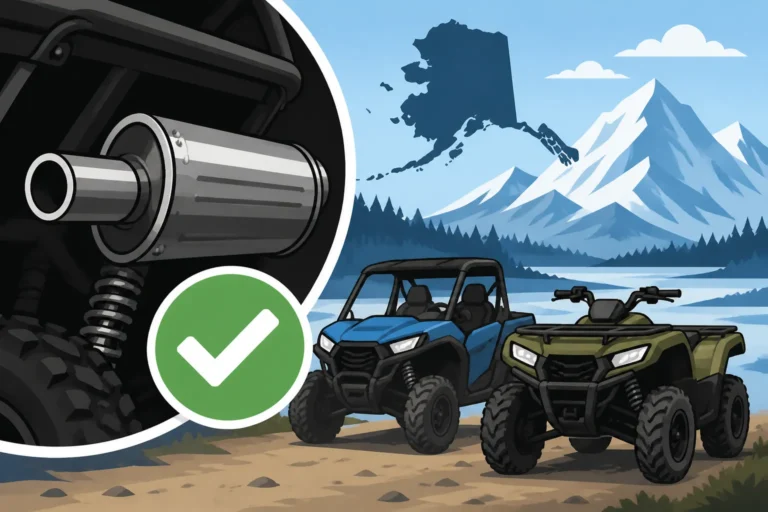
First and foremost, any All-Purpose Vehicle (APV), which includes most ATVs and UTVs, needs to be registered with the State of Alaska if you're riding on public land. Even if you're a new resident or visiting from out of state, there are rules to follow. You can learn more about [Do You Need to Register an ATV in Alaska?]. Your machine will receive a decal, which is your proof of registration. Beyond registration, there are equipment requirements, such as a spark arrester. [Alaska Spark Arrester Requirements] are in place to prevent wildfires, a very real and serious threat in Alaska's dry summers. You'll also need working headlights and taillights, especially if you're out late or in low light conditions, which is crucial given Alaska's varied daylight hours.
Remember, a driver's license is required to operate an APV on any public road or highway, even if you're just crossing it. [Do You Need a License for an ATV in Alaska?] confirms this. While many trails are off the main road system, you might need to cross a highway or use a designated shoulder to get to a trail. Familiarize yourself with [Alaska APV Road Rules Explained] to avoid citations. The state also has helmet laws, particularly for younger riders, so make sure everyone in your party is compliant.
Local Ordinances and Restricted Areas
This is where riding on the Kenai can get tricky. While some areas are wide open, many communities on the Kenai Peninsula, like Kenai and Soldotna, have specific ordinances restricting or outright banning APV use on public roads and within city limits. [Alaska Bans APVs in Kenai and Soldotna] is a good example. Before you ride, always check the local municipal code for the area you plan to visit. What's allowed in one borough might be illegal in another. This is particularly important if you're staying in a town and planning to ride directly from your lodging.
Beyond municipal boundaries, there are also federal lands, such as national forests or wildlife refuges, that have their own rules. These can range from designated trail systems to complete bans on off-road vehicles. Never assume access; always check with the managing agency (e.g., U.S. Forest Service, U.S. Fish & Wildlife Service) for the specific area you intend to explore. Riding in closed areas can result in hefty fines and damage to the environment, neither of which is a good outcome.
Environmental Stewardship and Trail Etiquette
Alaska's wilderness is precious, and responsible riding is paramount to preserving it for future generations. This means sticking to established trails, especially in sensitive areas like wetlands or tundra. [Alaska Tundra Damage and Riding] can be irreversible. Avoid riding during "breakup" season, when trails are most vulnerable to damage. Pack out everything you pack in, and perhaps even a little extra trash you find. Respect wildlife by giving animals a wide berth and not disturbing them.
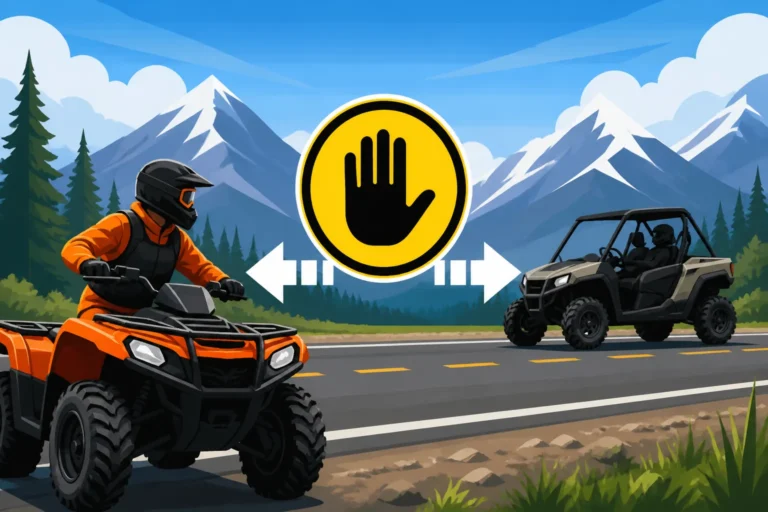
When encountering other trail users – hikers, horseback riders, cyclists, or other vehicle types – always slow down, yield the right-of-way, and be courteous. Dust can be a major issue in dry conditions, so reducing your speed significantly when passing others is a common courtesy. Noise can also be a concern for residents near trailheads, so keeping your machine properly muffled is important. Being a good ambassador for the sport ensures continued access to these incredible lands.
Preparing Your Machine and Yourself for Kenai Adventures
A successful Kenai Peninsula ATV/UTV trip isn't just about knowing where to ride; it's about being prepared for anything the Alaskan wilderness can throw at you. From mechanical readiness to personal safety, attention to detail can make all the difference.
Machine Maintenance and Essential Gear
Before you even think about hitting the Kenai trails, your ATV or UTV needs to be in tip-top shape. A thorough pre-ride inspection is critical. Check tire pressure, fluid levels, brakes, lights, and ensure all nuts and bolts are tight. Loose components on rough trails can quickly lead to bigger problems. Carrying a basic tool kit, spare belt, tire repair kit, and an air compressor is wise. Many Kenai trails are remote, and a simple flat tire can become a major ordeal if you're not equipped to fix it.
Consider upgrading components for the demanding Kenai terrain. Heavy-duty tires, a winch, and skid plates are highly recommended. Products from a company like SuperATV can provide enhanced durability and protection, which is invaluable when navigating rocky riverbeds or crossing through dense brush. Also, ensure you have enough fuel for your planned trip, plus a reserve. [Carrying Extra Fuel Safely] in approved containers is non-negotiable for longer excursions away from services.
| Terrain Type | Common Challenges | Recommended Machine Upgrades / Gear |
|---|---|---|
| Mountainous/Alpine | Rocks, steep grades, washouts, unpredictable weather | Skid plates, upgraded suspension, aggressive tires, winch, reliable GPS |
| Lowland/Wetlands | Deep mud, standing water, bogs, river crossings, soft ground | Deep-lug mud tires, snorkel kit, powerful winch, recovery straps, high ground clearance |
| Forest/Bush | Dense brush, fallen trees, hidden obstacles, narrow trails | A-arm guards, heavy-duty bumpers (e.g., SuperATV), chainsaw, stout tires, bright lights |
| Glacial Riverbeds | Shifting rock, cold water, varying depths, silty bottom | Winch, robust tires, snorkel (if crossing deep water), waterproof storage, PFDs |
Personal Safety and Emergency Preparedness
Your personal safety kit is just as important as your machine's readiness. Always carry a first-aid kit, emergency shelter (even a sturdy tarp can suffice), fire-starting materials, and high-energy food and water. Layered clothing is essential for Alaska's unpredictable weather. Even on a summer day, temperatures can drop significantly, especially in the mountains or after sunset. Rain gear should be a permanent fixture in your pack.
Communication is key in the remote Kenai. Cell phone service is largely absent once you leave the highway corridor, so a satellite messenger or an InReach device is highly recommended for emergency communication. [No Cell Coverage Off the Road System] is a reality you must accept and prepare for. Inform someone of your route and expected return time. Riding with a partner or a group is always safer than riding solo, especially in challenging terrain. [Alaska Riders Travel in Pairs] for a reason – help is often a long way off.
Wildlife Encounters and Responsible Interaction
The Kenai Peninsula is renowned for its abundant wildlife, including moose, bears (both black and brown/grizzly), and various bird species. Encounters are not just possible; they are likely. Carry bear spray and know how to use it. Make noise while riding to avoid surprising animals, especially in dense brush. If you do encounter wildlife, give them space. Never approach or feed animals. If an animal is on the trail, wait patiently for it to move off, or find a safe, wide detour.
Understanding [Alaska Bear Encounters While Riding] and [Alaska Moose Encounters While Riding] is part of being an informed Alaskan rider. These animals are powerful and unpredictable, and respecting their space is crucial for your safety and theirs. Remember, you are a visitor in their home.
With careful planning, the right gear, and a healthy respect for the land and its rules, exploring the Kenai Peninsula on your ATV or UTV can be one of the most rewarding Alaskan experiences you'll ever have.
Disclaimer
This article is for general informational purposes only and does not constitute professional advice. Laws, prices and regulations vary by location and change over time. Consult a qualified professional for guidance on your specific situation.