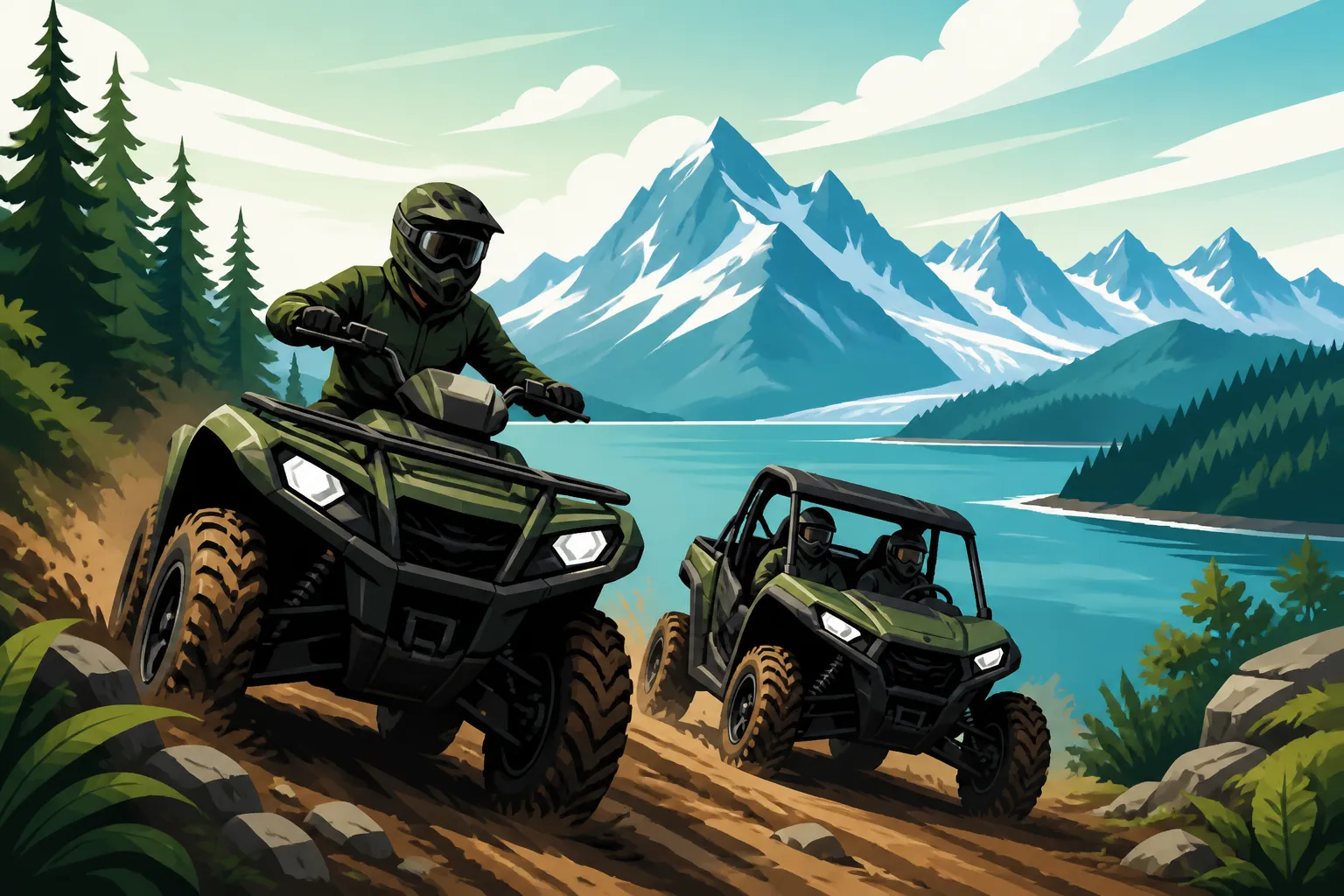
Alaska Riding in Southeast
Riding an ATV or UTV in Southeast Alaska isn't like heading out onto the wide-open trails of the Interior or the vast public lands of the Mat-Su Valley. Here, the landscape itself presents a rugged, magnificent challenge, dominated by towering mountains, dense rainforests, and an intricate network of fjords and islands, meaning "street legal" often takes a backseat to simply finding any legal ground to ride. If you're looking to explore the wild beauty of Southeast on your machine, you're going to face unique hurdles, from navigating ferry schedules to understanding specific local ordinances that govern machine use. This guide will help you understand what it truly takes to ride an all-purpose vehicle (APV) in this stunning, yet complicated, part of the Last Frontier.
The Unique Challenges of Riding in Southeast Alaska
Southeast Alaska is a world unto itself, a region defined by its unparalleled natural beauty and its distinct geographic isolation. Unlike the rest of the state, which is largely connected by roads, Southeast is primarily accessible by air or sea. This fundamental reality shapes every aspect of APV riding here, from how you get your machine to a trailhead to the types of trails you'll find, if any. The sheer verticality of the landscape, combined with the pervasive moisture of the temperate rainforest, creates an environment unlike almost anywhere else you might take your quad or side-by-side.
Geographic Realities: Mountains, Water, and Few Roads
Imagine a place where the mountains plunge directly into the sea, forming deep fjords and countless islands, all draped in a thick blanket of old-growth temperate rainforest. That's Southeast Alaska. This rugged topography means that extensive, interconnected trail systems are virtually nonexistent outside of old logging roads or mining paths. The road system within individual communities is often limited, sometimes only a few dozen miles long, and entirely disconnected from other towns. For instance, you can't simply drive your ATV from Juneau to Sitka or Ketchikan; they are islands unto themselves on the road system, if they even have one. This makes long-distance riding, or even just hopping between major trail systems, incredibly difficult and often impossible by land.
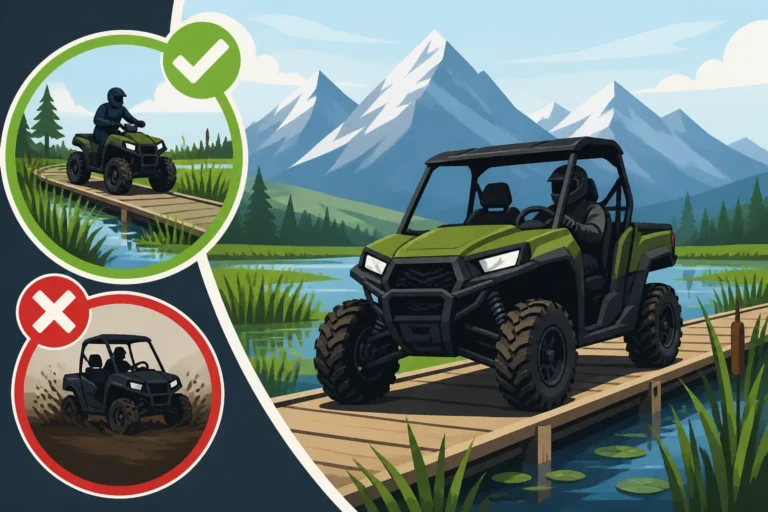
The pervasive rainfall contributes to an incredibly lush, dense environment where trails are often muddy, wet, and prone to washouts. Rivers and streams crisscross the landscape, and many trails require significant water crossings. The sheer scale of the Tongass National Forest, which covers much of the region, doesn't always translate to accessible riding, as much of it is wilderness-designated or simply too steep and brushy to traverse.
Navigating the Alaska Marine Highway System
If you want to bring your ATV or UTV into Southeast Alaska, or move it between communities, the Alaska Marine Highway System (AMHS) will likely be your primary mode of transport. This ferry system is the lifeline of the region, connecting communities to each other and to the road system in Prince Rupert, British Columbia, or Bellingham, Washington. Planning your trip requires careful consideration of ferry schedules, which can vary greatly by season, and booking vehicle space well in advance, especially for larger machines like side-by-sides or if you're traveling during peak summer months.
When loading your machine onto the ferry, you'll need to follow specific procedures for securing it. You'll also need to factor in the cost of transporting your APV, which is in addition to your passenger fare. It's not uncommon for a round trip with a machine to add a significant chunk to your travel budget. Think of the ferry as a floating highway, and your journey starts long before you ever hit the dirt.
Limited Public Land Access Compared to Other Regions
While the Tongass National Forest is immense, covering nearly 17 million acres, it's crucial to understand that not all of it is open or suitable for motorized recreational use. A significant portion of the Tongass is designated wilderness, where motorized vehicles are strictly prohibited. Even outside of wilderness areas, many sections are incredibly remote, lacking any established trails or even rudimentary access points for ATVs and UTVs. This stands in stark contrast to areas like the Mat-Su Valley, where vast tracts of state land and designated public use areas offer extensive riding opportunities that are much easier to reach by truck and trailer.
For instance, you won't find anything resembling the [Knik River Public Use Area in Alaska] in Southeast, with its 200,000 acres designed for varied motorized use. Here, access is often limited to old logging roads, which may or may not be maintained, or short, isolated trails. It requires a much more concerted effort to find legal and accessible riding areas, and often, these spots are quite small or demand significant logistical planning just to get your machine there.
Understanding Local Regulations and Opportunities
Because Southeast Alaska is a collection of distinct communities, each with its own local governance and unique relationship with its surrounding land, understanding the specific regulations governing APV use is paramount. What's allowed in one borough or city might be strictly forbidden just a few miles down the (non-existent) road, or across a channel. Don't assume that state laws regarding APVs on roads apply universally; local ordinances often supersede or add to these regulations, especially in densely populated areas.
City Ordinances and Their Impact on APV Use
Many of Southeast Alaska's larger communities, like Juneau, Ketchikan, and Sitka, have specific city ordinances that heavily restrict or even outright ban the use of ATVs and UTVs on city streets and public property. For example, [Alaska Bans APVs in Juneau] is a reality that many visiting riders discover too late. These bans are often enacted due to concerns about noise, safety, and compatibility with other traffic in built-up areas. If you're staying within a city's limits, it's highly likely you'll need to trailer your machine to an approved riding area, assuming one exists nearby.
Before planning any ride within or near a community, it's absolutely essential to check the local city or borough code. You can often find this information on the municipal website, or by calling the local police department or borough office. Ignorance of these local laws is not a valid excuse, and a citation for illegal riding can quickly sour your Alaskan adventure.
Opportunities on Forest Service and Borough Lands
While extensive trail systems are rare, opportunities for riding do exist, primarily on lands managed by the U.S. Forest Service (specifically the Tongass National Forest) and, in some cases, borough-owned lands. The key here is to look for existing logging roads, old mining tracks, or utility access routes that may be open to motorized vehicles. The Forest Service maintains Motor Vehicle Use Maps (MVUMs) that designate which roads and trails are open to specific types of vehicles. These maps are your best friend when trying to determine legal riding areas on federal land. They are crucial for avoiding fines and minimizing environmental impact.
Some boroughs might have limited recreational areas that permit APV use, but these are generally smaller and less common than in other regions of Alaska. Always seek out specific, official maps and guidelines for any area you plan to visit. Don't rely on anecdotal advice or old maps, as designations and access can change.
Special Considerations for Village and Native Corporation Land
Many areas in Southeast Alaska, particularly away from the larger cities, are composed of Native Corporation lands or fall under the jurisdiction of Alaska Native villages. Accessing these lands for recreational riding is never permitted without explicit permission from the landowners. This is a critical point that cannot be overstated. Riding on Native Corporation land without a permit is trespassing and can lead to serious legal consequences, including fines and the impoundment of your machine.
For information on obtaining permission, you would need to contact the specific Native Corporation that owns the land or the village council. They might offer land use permits, or they might deny access entirely. Respecting these land ownership rules is not just a legal requirement but a fundamental part of recreating responsibly in Alaska. [Alaska Native Corporation Land Permissions] and [Alaska Village Corporation Land Rules] are essential reading before venturing onto any ground that isn't clearly marked as public access.
Preparing Your Machine for Southeast Alaska's Environment
The unique conditions of Southeast Alaska demand a higher level of preparation for your ATV or UTV. The combination of dense forest, rugged terrain, constant moisture, and often remote locations means your machine needs to be robust, reliable, and equipped to handle challenging situations. This isn't the place for a lightly-equipped recreational machine; it's where heavy-duty components and thoughtful modifications truly pay off.
Essential Modifications for Wet, Rugged Terrain
Given the frequent water crossings, muddy trails, and often rocky, uneven ground, several modifications can significantly improve your machine's performance and durability in Southeast. Heavy-duty tires with aggressive treads are a must for traction in mud and over slick roots and rocks. Skid plates are essential to protect the underside of your machine from impacts, especially when navigating rocky stream beds or fallen timber.
For those deep water crossings that are almost inevitable, a snorkel system for your engine and CVT (Continuously Variable Transmission) can prevent costly damage by keeping water out of critical components. Sealing electrical connections with dielectric grease is another wise precaution against the constant moisture. Many riders also opt for lift kits or even portal gear lifts from brands like SuperATV to gain crucial ground clearance and improve the approach and departure angles, allowing them to tackle more formidable obstacles and water depths without getting hung up or swamped. A powerful winch, again, often from a brand known for durability like SuperATV, is not just a convenience but a vital safety tool for self-recovery or helping others out of a sticky situation.
Packing for Remote and Isolated Rides
Southeast Alaska's trails can quickly become remote, with limited or no cell phone service. This makes what you pack incredibly important. Beyond standard riding gear, consider bringing:
- Communication Devices: A satellite messenger or satellite phone is highly recommended for emergencies, as [No Cell Coverage Off the Road System] is the norm. These devices allow you to send SOS signals and communicate with family even when miles from civilization.
- Navigation: A GPS unit with pre-loaded maps is indispensable. Paper maps and a compass, and the knowledge of how to use them, should always serve as a backup.
- Survival Gear: A well-stocked first-aid kit, fire-starting supplies, emergency shelter, and extra warm, waterproof clothing layers are crucial. The weather can change rapidly from sunny to rainy and cold, even in summer.
- Tools and Spare Parts: Basic tools, tire repair kits, a small air compressor, extra belts, and spark plugs can save a long walk out.
- Extra Fuel: Range anxiety is real. Plan your fuel needs carefully and carry extra fuel in approved containers. [Carrying Extra Fuel Safely] is paramount, as fuel stops are non-existent in the backcountry.
Always [Filing a Trip Plan With Someone] back home or at your lodging is a non-negotiable safety measure, letting them know your route and expected return time.
Maintenance Tips for Salty Air and Constant Moisture
The maritime climate of Southeast Alaska, with its constant humidity and salty air, can be particularly harsh on machines. After every ride, especially if you've been near the coast or crossed tidal flats, thoroughly clean your ATV or UTV. Pay close attention to washing off mud, salt, and grime from the frame, suspension components, and engine bay.
Regularly inspect and lubricate all moving parts, including bushings, bearings, and drive shafts. The constant moisture can lead to accelerated corrosion, so protective sprays and rust inhibitors are highly recommended. Keep an eye on your electrical system for any signs of corrosion on terminals or wiring. Proper maintenance will extend the life of your machine and prevent breakdowns in remote areas where repairs are difficult or impossible. Think of it as a constant battle against rust and wear, and your proactive approach is your best defense.
Finding Legal and Enjoyable Trails in Southeast
The quest for a good riding spot in Southeast Alaska often feels like a treasure hunt, requiring patience, research, and a willingness to explore. While the region may not boast miles of manicured trails, its raw, untamed beauty offers a different kind of reward for those adventurous enough to seek it out. It's about adapting your expectations from dedicated trail systems to embracing the wild, often unpaved paths that serve as lifelines for remote communities and resource extraction.
Designated Trails and Multi-Use Areas
Formal, extensive ATV-specific trail systems are a rarity in Southeast Alaska. Instead, opportunities are primarily found on older logging roads, Forest Service roads, and occasionally, access roads to power lines or communication towers. These routes are often multi-use, meaning you'll be sharing them with hikers, hunters, mountain bikers, and other vehicles. Always be courteous and aware of other users.
Some smaller communities might have short, designated trails for local use, but these are exceptions rather than the rule. Your best bet for finding these elusive legal spots is to contact the local ranger district office for the Tongass National Forest, or the city/borough public works department. They can often provide the most up-to-date information on open roads and any specific restrictions. These are not always epic, long-distance rides, but often shorter excursions into stunning wilderness.
Overcoming Access Limitations
Due to the fragmented nature of the road system, accessing even a short stretch of ridable ground can be a logistical puzzle. For true backcountry access, some highly committed riders use small boats or barges to transport their machines to remote beaches or unmaintained logging docks, then ride inland from there. This is an advanced technique that requires significant planning, experience with marine operations, and a deep understanding of tides and coastal conditions.
Another strategy is to focus your riding on the limited "road system" around towns like Wrangell, Petersburg, or Prince of Wales Island, which has the most extensive road network in Southeast due to its logging history. Even there, many roads are gravel, unmaintained, or require careful navigation around active logging operations. Always inquire locally about current conditions, closures, and active work zones before heading out. Sometimes, the journey to the "trail" itself is a significant part of the adventure.
Disclaimer
This article is for general informational purposes only and does not constitute professional advice. Laws, prices and regulations vary by location and change over time. Consult a qualified professional for guidance on your specific situation.