Buying a Helmet to Clear a Ticket
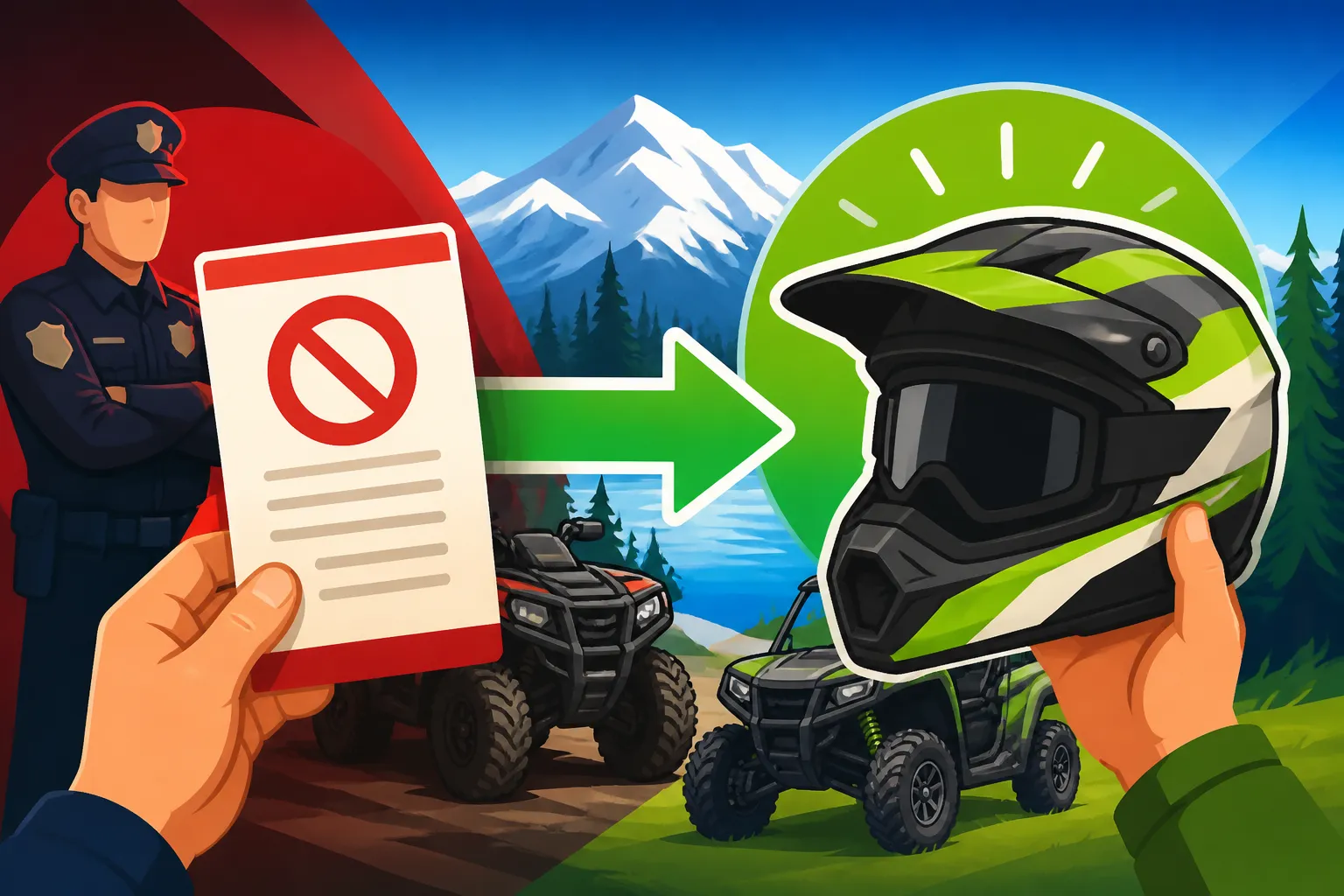
Getting an ATV or UTV helmet ticket for a young rider here in Alaska can feel like a real punch to the gut. You're out enjoying the trails, maybe just running a quick errand on a village street, and suddenly you're facing a fine and the headache of court dates. The good news is, sometimes there’s an opportunity to mitigate that fine, or even have it dismissed, by showing you've taken steps to ensure future compliance – and that often means purchasing the correct safety gear. This guide will walk you through the process of understanding Alaska's helmet requirements, selecting the right helmet, and what you need to do to potentially clear your citation.
The Reality of an Alaska Helmet Ticket
Riding an ATV or UTV in Alaska is a cherished way of life for many, whether it's for subsistence, recreation, or just getting around in communities off the road system. But with that freedom comes responsibility, especially when it involves younger riders. Troopers aren't out there trying to ruin anyone's day, but they are tasked with enforcing the rules designed to keep everyone safe. If you've been ticketed, it's likely due to the specific regulations regarding helmet use for minors.
Why Helmets Are Required for Younger Riders
Let's be honest, nobody likes being told what to do, especially when it feels like a nanny state stepping into your outdoor adventures. However, the data on head injuries from ATV and UTV accidents involving kids is pretty stark. A helmet isn't just a suggestion; it's a critical piece of safety equipment that can mean the difference between a bump on the head and a life-altering injury. The laws are in place precisely because children often lack the judgment, strength, or experience to react quickly in unexpected situations, making them more vulnerable. Even a slow-speed tip-over can result in serious trauma without proper head protection. It's about protecting our most precious cargo, plain and simple.
Understanding Alaska's Under-16 Helmet Fine
Alaska has specific laws regarding helmet use for riders under a certain age. Generally, if you're under 16 years old, you are required to wear a helmet while operating or riding as a passenger on an all-purpose vehicle (APV) on public land or public easements. This isn't some obscure rule; it's a common regulation designed to protect minors. The first time you get caught without one for a minor, you're usually looking at a specific fine. It’s important to understand that this isn’t just a slap on the wrist; the court wants to see that you take safety seriously. While the immediate concern is the fine, the underlying message is a push towards safer riding practices for our youth. You can find more details about [Alaska's Under-16 Helmet Fine] and even [Alaska Second Offense Helmet Fines] to understand the escalation if the issue isn't addressed.
Choosing the Right Helmet for Compliance and Safety
When you're trying to clear a ticket, it's not enough to just buy any helmet. The court wants to see that you've purchased a compliant helmet, meaning one that meets recognized safety standards. This ensures that the helmet will actually do its job if there's an incident. Don't fall into the trap of buying a cheap, novelty helmet that offers little real protection.
Meeting the CPSC Helmet Standard Actually Requires
The Consumer Product Safety Commission (CPSC) sets standards for bicycle helmets, and similar standards exist for powersports helmets. When we talk about powersports helmets, you'll often hear about certifications like DOT (Department of Transportation), Snell, or ECE. For ATV and UTV use, a DOT-certified helmet is the bare minimum you should be looking for. The DOT standard means the helmet has passed rigorous impact absorption, penetration resistance, and retention system (chin strap) strength tests. A Snell certification is an even higher, more stringent standard, often favored by serious racers, while ECE is a European standard recognized globally. When you're buying a helmet, look for the DOT sticker on the back. This is what generally demonstrates compliance with safety requirements in the eyes of the law. You can dive deeper into [What the CPSC Helmet Standard Actually Requires] to understand the specifics of these certifications.
Proper Fit: More Than Just a Size Tag
Buying a helmet isn't like buying a hat where "close enough" is fine. A helmet that doesn't fit properly offers little protection. If it's too big, it can shift around during an impact, exposing your head or providing inadequate cushioning. If it's too small, it can be uncomfortably tight, obscure vision, and make for a miserable ride.
Here’s how to check for a proper fit:
- Measure First: Use a soft tape measure around the largest part of the head, just above the eyebrows. This gives you a starting point for size charts.
- Try It On: When you put the helmet on, it should feel snug all around, with uniform pressure. It shouldn't be painful, but it shouldn't have any loose spots.
- Check for Movement: With the chin strap fastened, try to move the helmet from side to side and up and down. Your scalp should move with the helmet; the helmet shouldn't slide independently on your head.
- Field of Vision: Ensure the helmet doesn't obstruct peripheral vision.
- Chin Strap: The strap should be snug under the chin, allowing for one or two fingers to fit comfortably.
Remember, head shapes vary, even within the same size. Don't be afraid to try on a few different brands or models to find the one that truly fits your child's head shape best. A properly fitting helmet is paramount for safety.
Types of Helmets: Full-Face, Open-Face, and Modular
When you're looking for an ATV or UTV helmet, you'll encounter a few different styles, each with its own pros and cons:
- Full-Face Helmets: These offer the most comprehensive protection, covering the entire head, face, and chin. They often have a built-in visor for eye protection. For general trail riding, especially with younger, less experienced riders, a full-face helmet is often the safest choice. They protect against impacts, flying debris, and even harsh weather.
- Open-Face Helmets (3/4 helmets): These cover the top, back, and sides of the head, but leave the face exposed. They offer a wider field of vision and can feel less restrictive. However, you'll need separate eye protection (goggles or glasses). The lack of chin bar protection is a significant drawback for off-road riding where falls can occur from any angle.
- Modular Helmets (Flip-Up Helmets): These are a hybrid, offering the full-face protection with a chin bar that can flip up. They provide convenience for talking, eating, or getting some air without removing the entire helmet. While popular with some street riders, the hinge mechanism can sometimes compromise overall structural integrity in extreme impacts, and they tend to be heavier. For serious off-road riding, a dedicated full-face helmet is generally preferred.
- Motocross/Off-Road Helmets: These are a type of full-face helmet with an extended chin bar and peak (visor) designed to deflect roost and sunlight. They are typically worn with separate goggles. This style is very common and suitable for ATV/UTV riding, offering excellent ventilation and protection.
For clearing a ticket and ensuring maximum safety, any DOT-certified helmet from these categories that fits properly will usually suffice. However, a full-face or motocross-style helmet offers superior protection for the type of riding most Alaskans do.
Where to Purchase Your Compliance Helmet
Once you know what kind of helmet you need, the next step is finding a reputable place to buy it. You've got options, both local and online, and each has its benefits.
Local Dealers and Sporting Goods Stores
Buying locally has some distinct advantages, especially when proper fit is crucial. You can visit ATV/UTV dealerships, motorcycle shops, or even larger sporting goods stores that carry powersports gear.
- Hands-On Sizing: This is the biggest benefit. You can try on multiple helmets from different brands and styles to ensure the best fit for your child. The staff can often offer expert advice on sizing and features.
- Immediate Gratification: You walk in, buy the helmet, and walk out with it. No waiting for shipping.
- Support Local Businesses: Keeping your money in the community helps local jobs and services.
- Easy Returns/Exchanges: If there's an issue with the fit once you get home, returning or exchanging it is usually straightforward.
Many communities, even smaller ones, will have at least one or two shops that carry a selection of powersports helmets. It’s worth the drive to ensure the fit is perfect, especially since it’s for a child and directly tied to a legal requirement.
Online Retailers and Specialty Shops
The internet offers an enormous selection, often with competitive pricing. Websites specializing in powersports gear, like SuperATV, often have a wide range of helmets from various manufacturers.
- Wider Selection: Online stores typically have a much broader inventory of brands, styles, and sizes than any single local shop.
- Competitive Pricing: You might find better deals or sales online.
- Convenience: You can shop from home at any time.
- Brand Specifics: If you have a particular brand or model in mind, an online retailer is more likely to have it in stock.
However, buying a helmet online requires you to be very confident in your sizing. Always measure your child's head carefully and consult the specific brand's size chart, as sizing can vary slightly between manufacturers. Read reviews, especially those mentioning fit. Make sure you understand the return policy before you buy, just in case the fit isn't quite right. While online shopping can be convenient, don't underestimate the value of trying before you buy, especially for critical safety gear like a helmet. For something as vital as protecting a child’s head, SuperATV or similar reputable online retailers will provide detailed sizing guides and ensure the products meet necessary safety certifications.
The Process of Clearing Your Helmet Citation
So, you've got the ticket, you've bought the helmet – now what? The goal is to demonstrate to the court that you've taken corrective action. This typically involves presenting proof of purchase.
Documenting Your Purchase: Receipts and Proof
The most critical piece of evidence you'll need is proof that you actually bought the helmet.
- Keep Your Receipt: This is non-negotiable. Whether it's a paper receipt from a local store or a printed email confirmation from an online purchase (like from SuperATV), make sure it's legible and clearly shows the item purchased, the date of purchase, and the amount paid. The date of purchase is important; it should be after the date of the citation but before your court date.
- Take Photos: It's a good idea to take a clear photograph of the helmet itself, especially focusing on any DOT or other safety certification stickers. This provides visual confirmation that you acquired a proper helmet. You might even take a photo of your child wearing the correctly fitted helmet, though this is usually supplemental to the receipt.
- Proof of Ownership: Some courts might want to see the helmet's box or a tag that came with it, though this is less common. The receipt is typically the primary document.
Having these documents organized and easily accessible will make your court appearance much smoother.
Presenting Proof to the Court
Every court and jurisdiction might handle this slightly differently, so it's always best to call the clerk of courts listed on your citation to confirm the exact procedure. However, here's a general outline of what to expect and how to present your case:
- Arrive Early: Get to the courthouse well before your scheduled time. Parking can be an issue, and you'll want time to find the right courtroom.
- Be Prepared and Polite: Have your citation, your receipt, and any other supporting photos or documentation neatly organized. Address the judge or magistrate respectfully.
- Explain Your Situation: When your case is called, calmly explain that you received a citation for the helmet violation and that you have since purchased a compliant helmet to rectify the situation. State that you understand the importance of the law for safety.
- Present Your Evidence: Offer the receipt and any photos to the judge. They will examine them to verify the purchase date and the type of helmet.
- Request a Dismissal or Reduction: Politely ask the judge to consider dismissing the ticket or reducing the fine in light of your corrective action. Many judges appreciate when individuals take responsibility and address the underlying issue. They want to see genuine effort and a commitment to safety.
In some cases, especially for a first offense, the court might dismiss the fine entirely, or reduce it to a nominal amount or a court fee. This process is a common way to encourage compliance rather than simply punitive action. For clarity on specific rules for younger riders, you might find [Alaska Rules for a Child Passenger] or [Alaska Rules for a Teen Rider] helpful.
Beyond the Ticket: Ensuring Ongoing Safety
Clearing the ticket is a great first step, but the real victory is ensuring that the young rider continues to wear their helmet every single time they get on an APV. This isn't just about avoiding future fines; it's about instilling a lifelong habit of safety.
Making Helmet Use a Non-Negotiable Rule
From this point forward, helmet use should be as automatic as putting on a seatbelt in a car.
- Lead by Example: If you ride, wear your helmet. Children are far more likely to adopt safety habits if they see adults modeling that behavior.
- Consistent Enforcement: No exceptions. Even for a short ride to the mailbox or across a field, the helmet goes on. Consistency reinforces the rule.
- Explain the "Why": Remind your child (in an age-appropriate way) about why helmets are important. Talk about potential injuries and how the helmet protects them. This isn't about fear-mongering, but about understanding consequences.
- Make it Comfortable: Ensure the helmet remains comfortable and clean. Check the fit periodically as children grow. You want them to want to wear it, or at least not despise it.
Think about how you prepare for any Alaskan adventure. You pack layers, bring extra fuel, and tell someone where you're going. Wearing a helmet falls into that same category of preparedness. It's just smart practice. Learning more about [Alaska Equipment Checks by Troopers] can give you an idea of what else law enforcement looks for in terms of safety.
Investing in More Than Just a Helmet
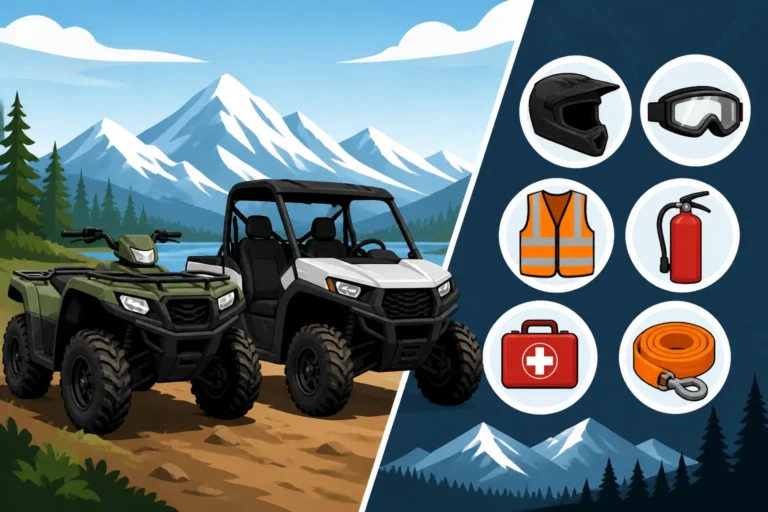
While the helmet is critical, it's part of a broader safety picture. Consider other gear to protect your child, such as:
- Eye Protection: If using an open-face helmet, high-quality goggles are essential to protect against dust, bugs, and flying debris.
- Gloves: Protect hands from abrasions and improve grip.
- Long Sleeves and Pants: Even in summer, durable long clothing provides a layer of protection against scrapes, brush, and sun.
- Over-the-Ankle Boots: Sturdy boots protect feet and ankles from impacts and provide good grip on the footpegs.
Safety isn't about eliminating all risk; it's about mitigating it as much as possible. By providing proper gear and consistent reinforcement of safety rules, you're not just clearing a ticket – you're investing in your child's well-being for years of riding ahead on Alaska's incredible landscapes. For other important considerations when getting started, check out [How to Register an ATV in Alaska] or [Alaska APV Registration Requirements].
Helmet Quick Reference Guide
| Feature / Type | Full-Face Helmet | Open-Face (3/4) Helmet | Motocross/Off-Road Helmet |
|---|---|---|---|
| Protection | Excellent all-around head, face, and chin protection | Good head protection, but face and chin are exposed | Excellent head protection, extended chin bar, works with goggles |
| Certifications | Look for DOT, Snell, or ECE | Look for DOT, Snell, or ECE | Look for DOT, Snell, or ECE |
| Ventilation | Varies by model, generally good | Very good due to open face | Excellent due to large vents and open eyeport |
| Eye Protection | Built-in visor (often clear, tinted, or dual-pane options) | Requires separate goggles or glasses | Requires separate goggles |
| Fit | Snug, even pressure around entire head, no independent movement | Snug around head, minimal movement | Snug, even pressure around head, room for goggles |
| Best Use | General trail riding, beginners, colder weather, maximum safety | Casual street use (where legal), warmer weather, wider field of view | Aggressive off-road, racing, dusty conditions, warm weather |
| Pros | Highest level of protection, integrated visor, warmth | Lighter, wider field of view, less restrictive | Great ventilation, sun peak, designed for off-road impacts and roost |
| Cons | Can feel more restrictive, less ventilation than open-face | No chin or face protection, requires separate eye protection, less aerodynamic | Requires separate goggles, peak can catch wind at high speeds |
Disclaimer
This article is for general informational purposes only and does not constitute professional advice. Laws, prices and regulations vary by location and change over time. Consult a qualified professional for guidance on your specific situation.