Proof of Insurance on a Quad
It's an unfortunate truth that hitting the trails on your quad or side-by-side in Alaska isn't just about loading up your gear and heading out. Many riders, especially those new to the Last Frontier or perhaps new to the specific rules surrounding off-highway vehicles (OHVs), often overlook one critical piece of paperwork until it's too late: proof of insurance. This guide is here to walk you through exactly why you need it, what it needs to look like, and how to make sure you're always prepared when you venture out.
Why You Need Proof of Insurance for Your Alaska Quad
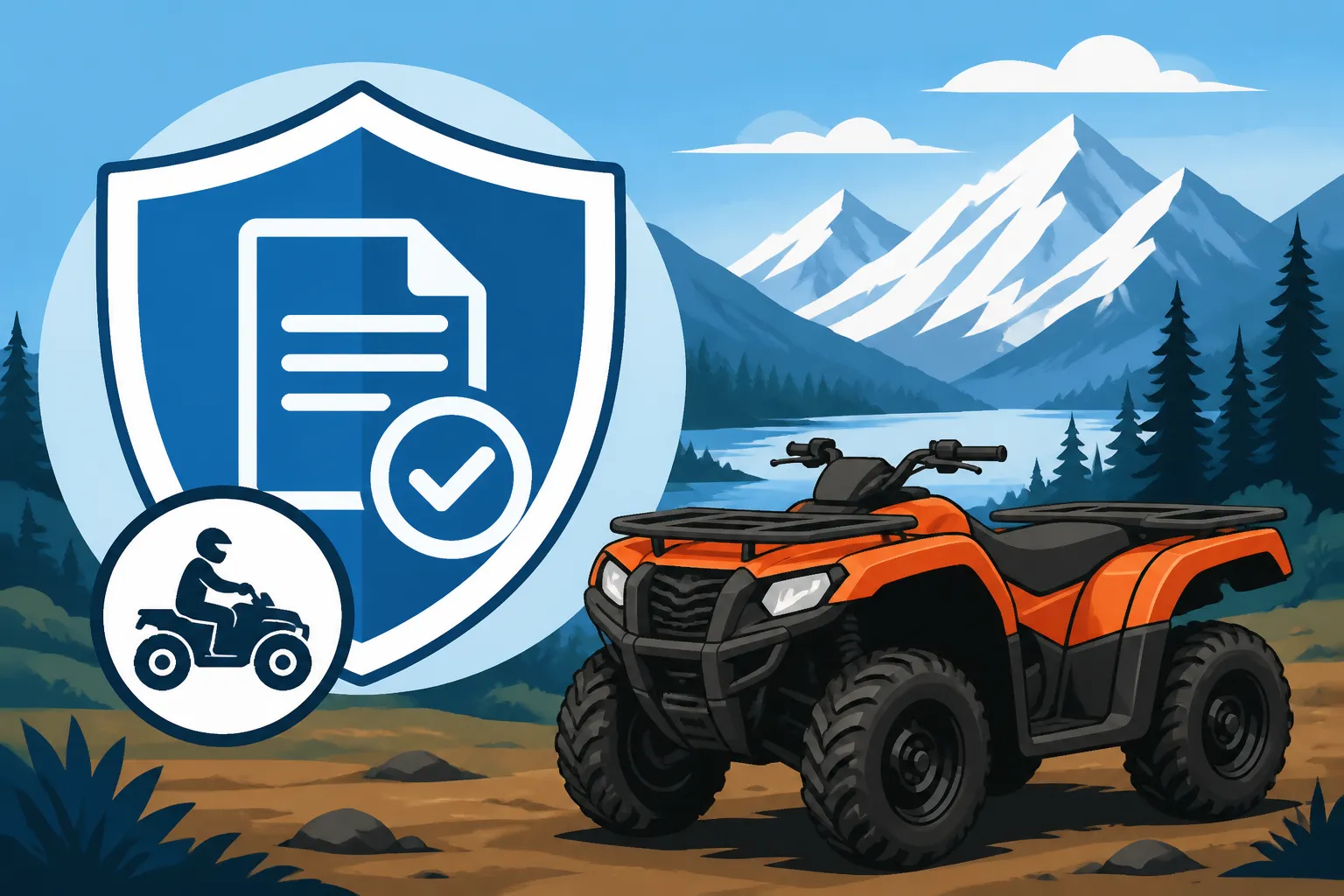
Let's be real, nobody wants to get a ticket or face legal trouble, especially when you're just trying to enjoy Alaska's incredible backcountry. But the reality is that if you plan on riding your All-Purpose Vehicle (APV), which includes most quads and side-by-sides, on any public road in Alaska, you are legally required to carry proof of liability insurance. This isn't just a suggestion; it's a mandatory part of being a responsible rider in our state. The distinction between purely off-road riding and using public roads can sometimes feel blurry in Alaska, but understanding this requirement is key to avoiding headaches.
Imagine you're heading out for a weekend ride in the Mat-Su Valley, perhaps making your way to a trailhead that requires a short stretch on a gravel public road. Without valid proof of insurance, you're not just risking a minor inconvenience; you're opening yourself up to fines and potential legal complications if you're stopped by law enforcement or, worse, involved in an incident. It's a simple step that protects you and ensures you're compliant with state regulations. Think of it as essential as carrying your registration decal.
Understanding Alaska's APV Insurance Mandate
Alaska defines an APV as a motorized vehicle, other than a snowmobile or tracked vehicle, that is not and cannot be registered for highway use, and is designed to travel over unimproved terrain. This covers the vast majority of ATVs and UTVs you see out here. The crucial part of the law states that if you operate an APV on a public highway or road, you must have liability insurance. This doesn't mean you need comprehensive or collision coverage, though those are wise investments for protecting your machine; it specifically mandates liability. This type of insurance covers damages or injuries you might cause to another person or their property while operating your quad. For more details, you can look into [Alaska Requires Liability Insurance for an APV].
What constitutes a "public road" can sometimes be confusing, especially in rural areas where gravel roads and trails often blend. Generally, any road maintained by the state, a borough, or a city, and open to public vehicular traffic, is considered a public road. This includes everything from the main highway you might briefly cross to a remote service road that also serves local residents. If there's even a chance you'll be on one, you need that insurance. This mandate is part of the broader framework of [Alaska APV License and Insurance Rules], which aim to ensure safe and responsible operation of these powerful machines.
The Ramifications of No Proof
So, what exactly happens if you're caught without proof of insurance? At best, it's a citation with a fine. At worst, if you're involved in an accident, the consequences can escalate significantly. A simple traffic stop for something minor, like a missing reflector or an improperly displayed decal, can quickly turn into a more serious issue if you can't produce proof of insurance. Law enforcement officers, whether state troopers or local police, are trained to look for this documentation, and not having it can lead to immediate penalties.
Beyond the initial fine, consider the financial fallout if you're in an accident and found to be at fault without insurance. You could be personally responsible for thousands, or even tens of thousands, of dollars in medical bills for injured parties, vehicle repairs, and property damage. Your own quad might be totaled, and without collision coverage, that's an additional loss. The stress of dealing with these situations, especially in a remote Alaskan setting, is something no one wants. Investing in proper insurance, as outlined in [Alaska Insurance Requirements for an APV], and always having proof on hand, is a small price to pay for significant peace of mind.
What Counts as Valid Proof of Insurance in Alaska
Having insurance is one thing, but being able to prove it on the spot is another. In Alaska, law enforcement officers need to see clear, valid documentation that shows your APV is covered. This isn't the time for "trust me, I have it" or a quick phone call to your agent. You need tangible proof that can be immediately verified. Understanding what forms of documentation are acceptable can save you a lot of hassle and potential fines during a trailside stop.
Whether you prefer the reliability of a paper card or the convenience of a digital version, the key is ensuring the information is current, accurate, and easily accessible. A trooper isn't going to wait around while you scroll through old emails or try to find a Wi-Fi signal in the middle of nowhere. They need to see the specifics of your policy right then and there to confirm you're compliant with state law. It's about preparedness, much like having a spare tire or a winch on your machine.
Physical and Digital Documentation
The most common and often preferred form of proof of insurance is a physical insurance card issued by your insurance provider. These cards typically fit in your wallet and clearly display all the necessary information. It's highly recommended to carry a physical copy in a waterproof bag or container, especially given Alaska's often wet and unpredictable weather. A soggy, unreadable card is almost as useless as no card at all.
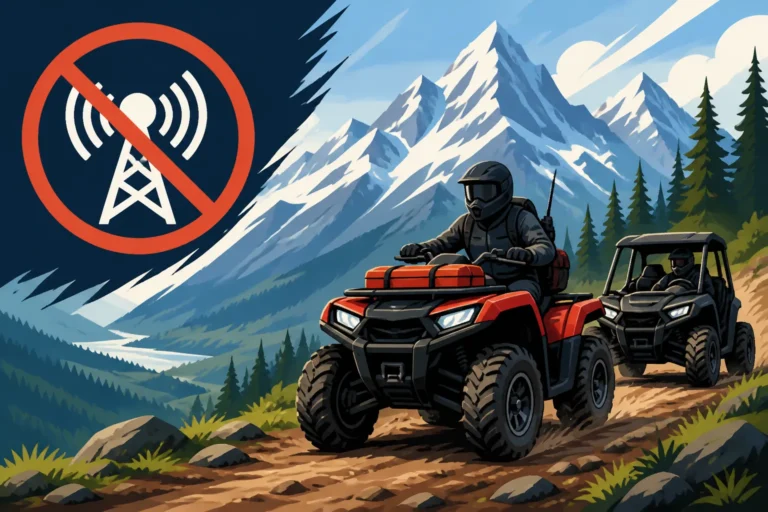
However, in today's digital age, many states, including Alaska, accept digital proof of insurance displayed on a smartphone or other electronic device. This can be a photo of your insurance card, a PDF version of your policy, or an app provided by your insurance company. If you opt for digital proof, consider taking a screenshot of the insurance card, as cell service can be spotty or nonexistent in many prime riding areas. A dead phone battery, a cracked screen, or a lack of signal can render your digital proof inaccessible, putting you in a difficult position. After outfitting your quad with SuperATV accessories for your next big trip, don't forget the paperwork! Even the most robust gear won't help if your phone dies and you can't access digital proof.
Key Information a Trooper Looks For
When a trooper asks for proof of insurance, they're not just looking for a piece of paper or a screen; they're looking for specific details that confirm your coverage. The essential information they'll want to see includes:
- Policy Number: The unique identifier for your insurance policy.
- Effective Dates: The start and end dates of your coverage. It must be current and not expired.
- Insured's Name: Your full legal name, matching your driver's license.
- Vehicle Description: This should include the year, make, model, and crucially, the Vehicle Identification Number (VIN) of your quad or side-by-side. The VIN on your insurance proof needs to match the VIN on your machine.
- Insurance Company Name: The name of your provider.
- Minimum Liability Limits: Proof that your policy meets Alaska's minimum liability requirements (e.g., typically $50,000 for bodily injury or death to one person, $100,000 for bodily injury or death to two or more persons, and $25,000 for property damage, often summarized as 50/100/25).
Make sure all this information is clear and legible on whatever form of proof you carry. A quick glance at [What a Trooper Can Ask to See] will show you that they're thorough, and having all your ducks in a row makes the interaction much smoother.
Practical Tips for Carrying and Presenting Your Proof
Riding in Alaska means dealing with dynamic weather, rough terrain, and the general challenges of being outdoors. Your insurance documents, whether paper or digital, need to be protected from the elements and easily accessible. Preparing beforehand means one less thing to worry about when you're out exploring the vast wilderness.
The goal is to keep your proof safe, readable, and ready to hand over without fumbling through all your gear. This foresight not only protects your documents but also demonstrates to law enforcement that you are a responsible and prepared rider, which can go a long way in any interaction.
Safeguarding Your Documents in the Backcountry
Alaska's environment is notoriously tough on paper. Rain, snow, mud, and stream crossings are all par for the course. If you rely on a physical insurance card, invest in a high-quality waterproof bag, a sealed plastic pouch, or even a small dry box. Many riders laminate a copy of their insurance card and keep it with their registration decal or in their wallet. This ensures it remains readable no matter what mother nature throws at it. A good waterproof storage box, perhaps one you've added with SuperATV mounts, is invaluable for keeping all your essential papers dry and secure.
For digital proof, as mentioned, take a screenshot of your insurance card or policy page. This way, you don't need cell service or an active internet connection to display it. Ensure your phone is fully charged before you head out, and consider carrying a portable power bank. Being able to quickly pull up the image, even if your phone signal is dead, is crucial. Remember that [Carrying Documents in the Rain] is a common challenge for Alaskan riders, and preparedness is your best defense.
Interacting with Law Enforcement on the Trail
If you're stopped by a trooper or other law enforcement officer while riding your APV on a public road, the best approach is always to be calm, polite, and cooperative. Pull over safely and turn off your engine. Keep your hands visible, and don't make any sudden movements. Inform the officer that you have your proof of insurance and ask how they'd like you to present it, whether from a wallet or a phone.
Have your documents ready. Fumbling around for five minutes while an officer waits patiently (or impatiently) won't make the situation any better. By being prepared and respectful, you're more likely to have a positive interaction. Officers are out there to ensure public safety and compliance with the law, and showing them you respect that role goes a long way. This applies whether you're dealing with a local sheriff in a small town or a state trooper miles from the road system, as discussed in [Trooper Patrols on Public Land].
Common Misconceptions and Troubleshooting
Even experienced riders can sometimes get tripped up by the nuances of APV insurance in Alaska. It's easy to assume your existing auto policy covers everything or to think that insurance isn't necessary if you're "just" on a backroad. Clearing up these common misunderstandings can save you from an unexpected citation or much larger problems down the line. Knowing what to do if you find yourself without immediate proof is also critical.
The key takeaway here is that APV insurance is distinct and specifically tailored to the unique risks associated with off-road machines. Don't assume; always verify with your insurance provider to ensure you have the correct coverage for where and how you ride.
"My Car Insurance Covers It, Right?"
This is perhaps the most common misconception. Many people assume that their personal auto insurance policy automatically extends to cover their ATV or UTV, especially if they only use it on public roads occasionally. The truth is, most standard auto policies explicitly exclude coverage for recreational vehicles like quads and side-by-sides. While some policies might offer minimal liability if your APV is being towed by your insured vehicle, this is rarely enough to satisfy Alaska's operating requirements for riding on public roads. You need a dedicated APV policy.
A separate policy ensures you have the specific liability coverage required by law and often includes options for comprehensive and collision coverage to protect your investment. The cost of APV insurance, as detailed in [Alaska Insurance Cost for an ATV], is typically quite reasonable, especially when weighed against the potential financial risks of riding uninsured. Don't take chances; confirm with your insurance agent that you have an active policy specifically for your quad or side-by-side.
Handling a Situation Without Immediate Proof
Life happens. Maybe your phone battery died, your waterproof bag sprung a leak, or you simply forgot your documents in the rush to hit the trail. If you're stopped and can't immediately provide proof of insurance, it's important to know what might happen next. While you'll likely receive a citation, some law enforcement agencies might offer a grace period, allowing you to present valid proof at the courthouse or police station within a certain number of days to have the citation dismissed or reduced. This isn't guaranteed, however, and varies by jurisdiction and the discretion of the officer.
If you receive a citation, make sure you understand the instructions on it. Contact your insurance company immediately to obtain a copy of your policy or a letter of experience proving coverage was active at the time of the stop. Then, follow the instructions on your ticket for presenting this proof to the court or relevant authority. Even the most robust SuperATV gear won't help if your battery dies and you can't access digital proof. It's an inconvenient situation, but addressing it promptly is key to minimizing penalties.
Here's a quick reference for proof of insurance:
| Acceptable Proof of Insurance | Unacceptable "Proof" |
|---|---|
| Physical Insurance ID Card | Expired Insurance Card |
| Digital Insurance Card (on phone) | Verbal Assurances of Coverage |
| Current Declarations Page | Old Policy Documents |
| Letter from Insurer | Screenshots of Insurance Website |
| Digital App Provided by Insurer | Personal Photos of Your Machine |
Being a responsible ATV and UTV rider in Alaska means more than just knowing your machine and the trails. It means understanding and adhering to the legal requirements, and chief among them is carrying valid proof of insurance when you're on public roads. This small step protects you, your investment, and others, ensuring your time exploring Alaska's incredible landscapes remains hassle-free and enjoyable.
Disclaimer
This article is for general informational purposes only and does not constitute professional advice. Laws, prices and regulations vary by location and change over time. Consult a qualified professional for guidance on your specific situation.