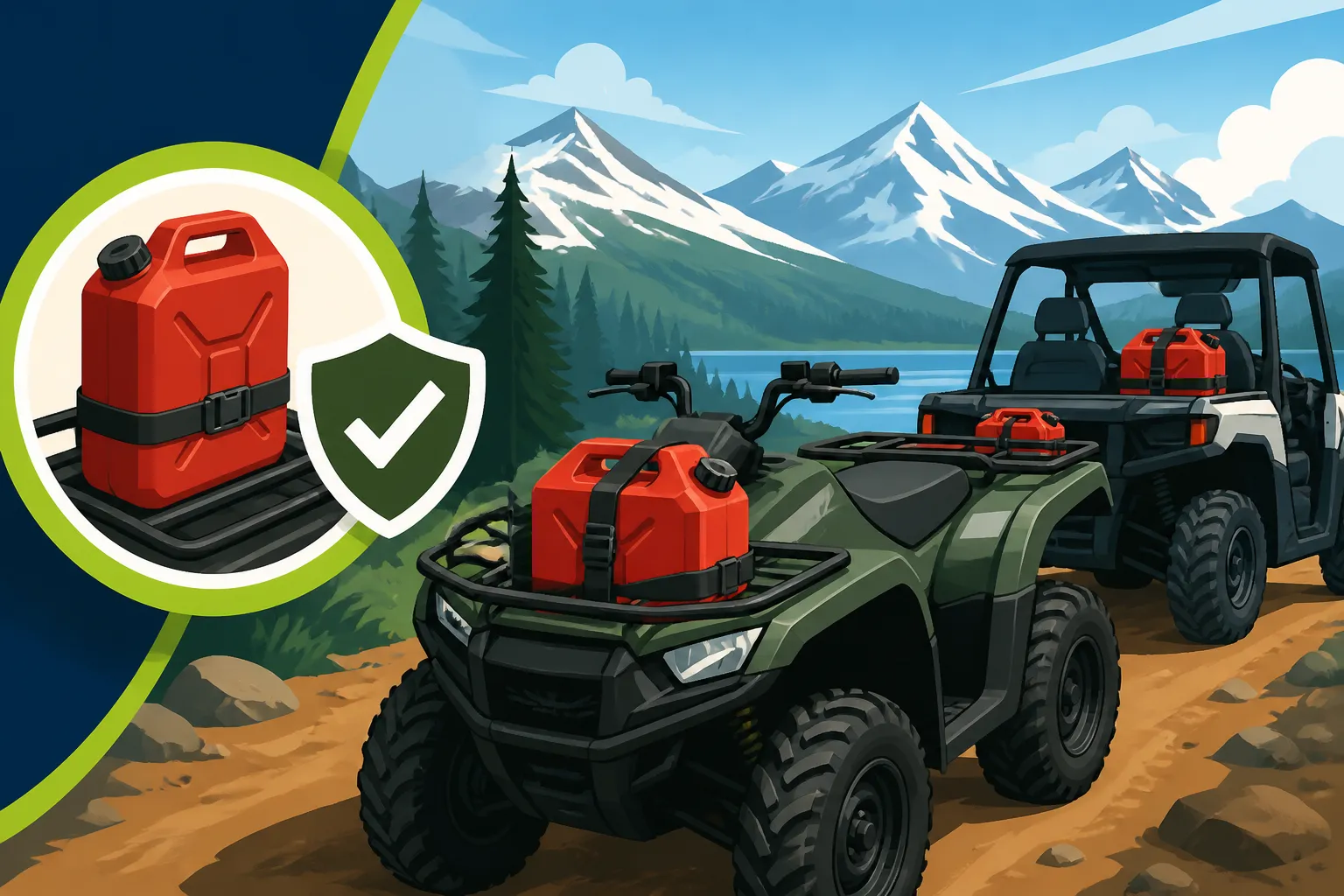
Carrying Extra Fuel Safely
Out on Alaska's vast trails, whether you're chasing the midnight sun or breaking fresh snow, the last thing any ATV or UTV rider wants is to hear their engine sputter and die miles from civilization. Running out of fuel isn't just an inconvenience here; it can quickly become a serious, even dangerous, situation. This comprehensive guide will walk you through everything you need to know about safely carrying extra fuel on your Alaska ATV or UTV adventures, ensuring you're prepared for whatever the Last Frontier throws your way.
The Alaskan Reality: Why Extra Fuel Isn't Optional for ATV & UTV Riders
When you think of riding ATVs and UTVs in Alaska, images of wide-open spaces, breathtaking vistas, and remote wilderness likely come to mind. And you'd be right! But with that unparalleled beauty comes a profound sense of isolation and the very real challenge of vast distances between fuel stops. This isn't your average weekend ride in the Lower 48 where a gas station is just a few miles down the road.
The Vastness of the Last Frontier
Alaska's trail systems, particularly those leading into the backcountry, are often incredibly long, winding, and unforgiving. You might find yourself on a multi-day journey where the nearest human settlement or fuel source is many, many hours – or even days – away. Even on what seems like a shorter day trip, an unexpected turn or a desire to explore that tempting side trail can quickly stretch your mileage far beyond what your primary fuel tank can handle. Consider a trip to a remote cabin or a long run up a frozen river; these aren't places you want to cut it close on fuel. Preparing for the unknown means being self-sufficient, and that absolutely includes having a reliable [Fuel Cached Along a Route].
Moreover, the sheer scale of the landscape means that what looks like a quick shortcut on a map might involve slogging through deep mud, climbing steep grades, or traversing challenging terrain that drastically reduces your fuel efficiency. Your machine might be rated for a certain range on flat, easy trails, but Alaska rarely offers "easy." The extra work your engine does translates directly into more fuel burned.
Unexpected Detours and Changing Conditions
One of the truisms of Alaska is that conditions can change on a dime. A clear, sunny morning can quickly give way to a heavy snowfall, torrential rain, or a sudden drop in temperature. These changes don't just affect your comfort; they can impact your route and fuel consumption. A trail that was dry yesterday might be a muddy bog today, forcing you to use more throttle and engaging four-wheel drive more frequently. This increased effort consumes fuel at a much faster rate.
You might also encounter unforeseen obstacles like downed trees, washed-out sections, or unexpected river crossings that necessitate a significant detour. Such detours, while sometimes leading to new discoveries, invariably add miles to your trip. Without extra fuel, these unplanned adventures can leave you stranded. Imagine following a [Pipeline Corridors and Alaska Riders] access route, only to find a section closed and needing to retrace your steps or find an alternative path. Having that reserve fuel isn't just about reaching your destination; it's about having the flexibility to adapt to the unpredictable nature of Alaskan exploration without the stress of an empty tank.
Choosing the Right Fuel Containers for Your Adventure
The type of container you choose for carrying extra fuel is just as important as deciding to carry it in the first place. You can't just throw a gas can meant for your lawnmower onto your quad and call it good. The unique demands of off-road riding in Alaska require specialized, robust solutions that prioritize safety, durability, and secure attachment.
Understanding Fuel Container Standards and Materials
First and foremost, any fuel container you use should be designed specifically for fuel storage and transport. This means it should be made from materials that won't degrade when exposed to gasoline or diesel, and it should be built to withstand the bumps, vibrations, and occasional tip-overs that are part and parcel of off-road riding. Look for containers made from high-density polyethylene (HDPE) or durable metal, and ensure they meet safety standards like those from ASTM or EPA compliance. These standards ensure the container is less prone to leakage, can handle internal pressure changes, and is designed with proper venting to prevent dangerous build-up.
Avoid flimsy plastic containers or anything that isn't explicitly rated for fuel. They can easily crack, rupture, or leak, turning your extra fuel supply into a serious fire hazard or an environmental mess. Remember, even a small leak can create a dangerous vapor cloud, and spilled fuel contaminates the pristine Alaskan wilderness you're out to enjoy. Always check that the container has a secure, leak-proof cap and, ideally, an integrated spout that makes pouring easier and minimizes spills when you're transferring fuel in potentially challenging conditions.
Specialized ATV/UTV Fuel Solutions
Thankfully, the aftermarket industry recognizes the need for specialized fuel transport solutions for off-road enthusiasts. These aren't just bigger versions of standard gas cans; they're designed with features tailored for ATVs and UTVs. For example, some manufacturers, like SuperATV, offer purpose-built fuel tanks that can integrate directly into your machine's cargo rack or bed. These often have a low-profile design to maintain a low center of gravity, which is critical for stability on uneven terrain.
Another popular option is fuel storage systems designed to fit specific rack designs, like a Kolpin or Rotopax container system. These systems feature robust plastic containers that are typically flat and can be mounted securely to your machine using specialized mounting brackets. They come in various capacities, from small 1-gallon containers for emergency reserves to larger 4-gallon units for extended trips. The key benefit here is their ability to lock securely onto your machine, preventing them from bouncing around, coming loose, or falling off, which is a major concern on rough trails. Many riders opt for these modular systems because they allow you to carry fuel, water, or tools using the same mounting platform.
| Fuel Container Type | Pros | Cons | Best Use Case |
|---|---|---|---|
| Standard Plastic Can | Affordable, widely available | Less durable, bulky, harder to secure | Short, easy rides, very light duty |
| Rotopax/Kolpin Style | Durable, stackable, secure mounting | Higher cost, requires specific mount hardware | Medium to long rides, rough terrain |
| Aftermarket Tank | Integrated look, low profile | Machine-specific, permanent install | Dedicated long-distance touring, custom setups |
| Metal Jerry Can | Very durable, classic look | Heavy, can rust, secure cap is crucial | Overlanding-style UTVs, specific aesthetics |
Securely Transporting Your Fuel: A Matter of Life and Machine
Once you've chosen the right fuel container, the next critical step is ensuring it's secured properly to your ATV or UTV. A loose fuel can isn't just an annoyance; it's a significant safety hazard. In Alaska's rough terrain, it could lead to spills, damage to your machine, or even a fire.
Proper Mounting and Placement Strategies
The golden rule for carrying extra fuel is to keep it as low and as central as possible on your machine. This helps maintain your ATV or UTV's stability, especially when traversing side hills or navigating technical sections. Mounting fuel high on a rear rack can raise your center of gravity, making your machine more prone to tipping over, which is something you definitely want to avoid when you're carrying flammable liquid.
Utilize dedicated mounting systems designed for your chosen fuel containers. For example, Rotopax and Kolpin offer purpose-built mounts that bolt directly to your cargo rack or an aftermarket rack system. These typically include a sturdy base plate and a locking mechanism that cinches the fuel pack down tightly. If you're using more traditional fuel cans, invest in heavy-duty straps, bungee cords specifically designed for cargo (not just cheap elastic ones), or even custom-fabricated metal brackets. Always double-check your straps before you leave and periodically during your ride, especially after particularly rough sections. A product like a SuperATV cargo rack extension or a bed-mounted storage box can provide excellent anchor points for these systems, keeping everything snug and secure.
Consider placing fuel on the front or rear rack, ensuring it doesn't obstruct your view, interfere with steering, or block access to essential controls. On a UTV, the bed is often the best location, especially if you have a sturdy cargo box or a bed extender. Make sure the weight is distributed evenly to prevent handling issues.
Preventing Spills and Vapor Release
Beyond just securing the container, you need to actively prevent spills and manage vapor pressure. Fuel expands and contracts with temperature changes, and Alaska can see dramatic temperature swings from day to night, or even just climbing in elevation. Ensure your fuel container's cap is tightly sealed, but also verify that it has a functioning vent. Many modern fuel cans have integrated vents or pressure relief systems, but older designs might require manually opening a vent. If your container doesn't vent properly, pressure can build up, potentially leading to a sudden, explosive release of fuel vapor when you open the cap, or even causing the container itself to rupture.
When filling up, avoid overfilling. Leave a little airspace in the container to allow for expansion. Once filled, check for any drips or leaks around the cap or spout before loading it onto your machine. After a bumpy ride, it's wise to give the container a quick visual inspection at a safe stopping point. Even if you haven't had a spill, the vibrations and jostling can sometimes loosen caps or stress materials. If you do notice any leaks, address them immediately. Don't continue riding with a leaking fuel container. Take a moment to transfer the fuel safely to your main tank if possible, or secure the leak with whatever means you have at hand, even if it means sacrificing some of your reserve to maintain safety.
Beyond the Can: Comprehensive Fuel Safety Practices
Carrying extra fuel is more than just strapping a container to your machine; it's about understanding the broader safety implications and integrating smart practices into your overall ride plan. In Alaska's challenging environment, a little foresight goes a long way.
Environmental Factors and Fuel Stability
Alaska's unique environment presents specific considerations for fuel storage. Extreme cold can make plastics more brittle, potentially leading to cracks in fuel containers that might hold up fine in warmer climates. Conversely, intense summer sun can cause significant pressure build-up inside a fuel can. Always store your fuel containers in a shaded area when not riding, or cover them if you're stopping for an extended period, especially on sunny days. [Packing for a Cold Snap in August] isn't just for your clothes; it's also a reminder that temperatures can plunge unexpectedly, affecting everything on your machine.
Fuel itself can degrade over time, especially if left exposed to air or extreme temperatures. While fresh fuel is always best, if you're carrying reserve fuel for an extended trip or for emergency use, consider adding a fuel stabilizer. This can help prevent the fuel from breaking down and causing issues with your engine when you eventually need to use it. When you transfer fuel from your reserve can to your main tank, always be aware of potential contaminants like dirt or debris that might have settled at the bottom of the reserve container. Using a funnel with a built-in filter is a smart precaution to prevent these impurities from entering your engine's fuel system.
Emergency Preparedness and Fire Safety
Carrying extra fuel inherently increases the risk of fire, so being prepared for an emergency is paramount. Every ATV and UTV rider, especially in remote areas, should carry a small, accessible fire extinguisher rated for Class B (flammable liquids) fires. Mount it securely to your machine in a location where you can grab it quickly if needed, even if you have to dismount. SuperATV and other accessory manufacturers offer roll-bar or rack-mounted fire extinguisher brackets that make this easy and secure.
Beyond the extinguisher, think about your overall emergency kit. If you're [Riding Off the Road System], you're likely out of cell service, so a satellite messenger is a crucial piece of gear. [Carrying a Satellite Messenger Off the Alaska Road System] can literally save your life if a fuel-related incident or any other emergency leaves you stranded or injured. Keep a basic first-aid kit on hand, too, as burns are a real risk with spilled fuel.
Finally, always be mindful of where you're handling fuel. Avoid refueling near open flames, hot engine parts, or electrical sparks. Shut off your machine's engine before you begin to transfer fuel. If you spill fuel, clean it up immediately and dispose of any contaminated rags or materials properly. In the dry summer months, even a small spark from static electricity could ignite fuel vapors, so exercising extreme caution is non-negotiable. Being mindful of [Alaska Fire Restrictions in a Dry Summer] is also essential, as operating a machine or even refueling can be risky during high fire danger.
Ultimately, carrying extra fuel safely in Alaska is about respect—respect for the immense power of the wilderness, respect for your machine, and respect for your own safety and the safety of those riding with you. By making informed choices about your containers, mounting methods, and overall preparedness, you can ensure your Alaskan ATV and UTV adventures are memorable for all the right reasons, not for a preventable mishap.
Disclaimer
This article is for general informational purposes only and does not constitute professional advice. Laws, prices and regulations vary by location and change over time. Consult a qualified professional for guidance on your specific situation.