Filing a Trip Plan With Someone
Venturing out on an ATV or UTV into Alaska's vast and breathtaking backcountry is an unparalleled experience, but it comes with a unique set of challenges. The sheer scale of the wilderness, unpredictable weather, and often complete lack of communication can turn a simple mechanical issue or a minor injury into a serious emergency if no one knows where you are or when to expect you back. This guide will walk you through the essential process of filing a trip plan with someone before you head out, offering peace of mind and a vital safety net in a land where help can often be hours, or even days, away.
Why a Trip Plan is Your Backcountry Lifeline in Alaska
Alaska is a land of extremes and untamed beauty, offering some of the most remote and challenging riding in the world. While this isolation is a huge part of its allure, it's also its greatest danger if you're not prepared. A trip plan isn't just a suggestion here; it's a critical component of your safety strategy.
The Unpredictable Nature of Alaska's Wilderness
Imagine this: one moment you're enjoying a crisp, sunny ride through the Mat-Su Valley, the next a fierce squall rolls in, dropping temperatures, reducing visibility to zero, and turning trails into a muddy, challenging mess. Alaska's weather can shift dramatically in a matter of minutes, leaving riders exposed to hypothermia or facing impassable terrain. Beyond weather, mechanical issues are always a possibility. A broken axle, a flat tire deep in the bush, or an engine that decides to quit on a remote trail system can leave you stranded miles from any form of assistance.
Even a slight navigation error can lead you far off your intended path, especially when crossing braided rivers or navigating through dense forests. It's easy to get disoriented, and without clear landmarks or cell service, finding your way back can become a desperate struggle. The terrain itself can be unforgiving, with hidden obstacles, deep mud, or sudden drops that can cause an accident. Having a trip plan means that if you don't return, someone knows where to start looking, rather than waiting until days pass and the search area becomes exponentially larger and more difficult.
What Happens When Things Go Wrong and No One Knows
The thought is chilling: you're injured, your machine is disabled, and you're alone in the vastness of Alaska. If you haven't shared your intentions with anyone, the terrifying reality is that no one will even know you're missing until long after your scheduled return. This delay can have dire consequences, especially in a place where [First Aid Hours From a Hospital] can stretch into many hours, or even days, by the time a search-and-rescue operation is mobilized. Every hour counts when someone is injured, exposed to the elements, or in need of immediate medical attention.
Without a trip plan, search and rescue teams face an enormous challenge. They have no starting point, no last known location, and no idea of your intended route. This means they have to begin with a broad search, which is incredibly inefficient, costly, and delays getting help to you. Furthermore, if you're on unfamiliar land or inadvertently trespass, rescue efforts can be complicated by the need to secure permissions from [Alaska Native Corporation Land Permissions] or other landowners, adding precious time to an already time-sensitive situation. A trip plan mitigates these delays significantly, giving responders a clear path to follow and a defined area to focus their search.
Peace of Mind for You and Your Loved Ones
Beyond the practical rescue implications, sharing a trip plan provides immense peace of mind. For you, the rider, knowing that someone has your back can allow you to enjoy your adventure with a greater sense of security. It frees you from the constant nagging worry of "what if" because you've taken a proactive step to safeguard yourself. This is especially true when you consider the common practice of [Alaska Riders Travel in Pairs], but even then, two people can still get into trouble together. A third party, aware of your plan, is an essential component.
For your family and friends back home, it's invaluable. They won't be left guessing or consumed by anxiety if you're a bit late. They'll have a concrete plan to follow, knowing exactly when to start worrying and, more importantly, what steps to take if you don't check in. This small act of sharing your itinerary can transform a potentially terrifying waiting game into a structured, responsive process, ensuring that if anything does go awry, the wheels of support are already in motion. It's a fundamental part of responsible backcountry travel, showing consideration not just for your own safety, but for the well-being of those who care about you.
What Information to Include in Your Alaska ATV/UTV Trip Plan
A good trip plan is detailed, leaving as little to chance as possible. Think of it as a comprehensive dossier for emergency services, outlining everything they'd need to know if you were unable to communicate. The more information you provide, the better.
Your Route, Destinations, and Turnaround Points
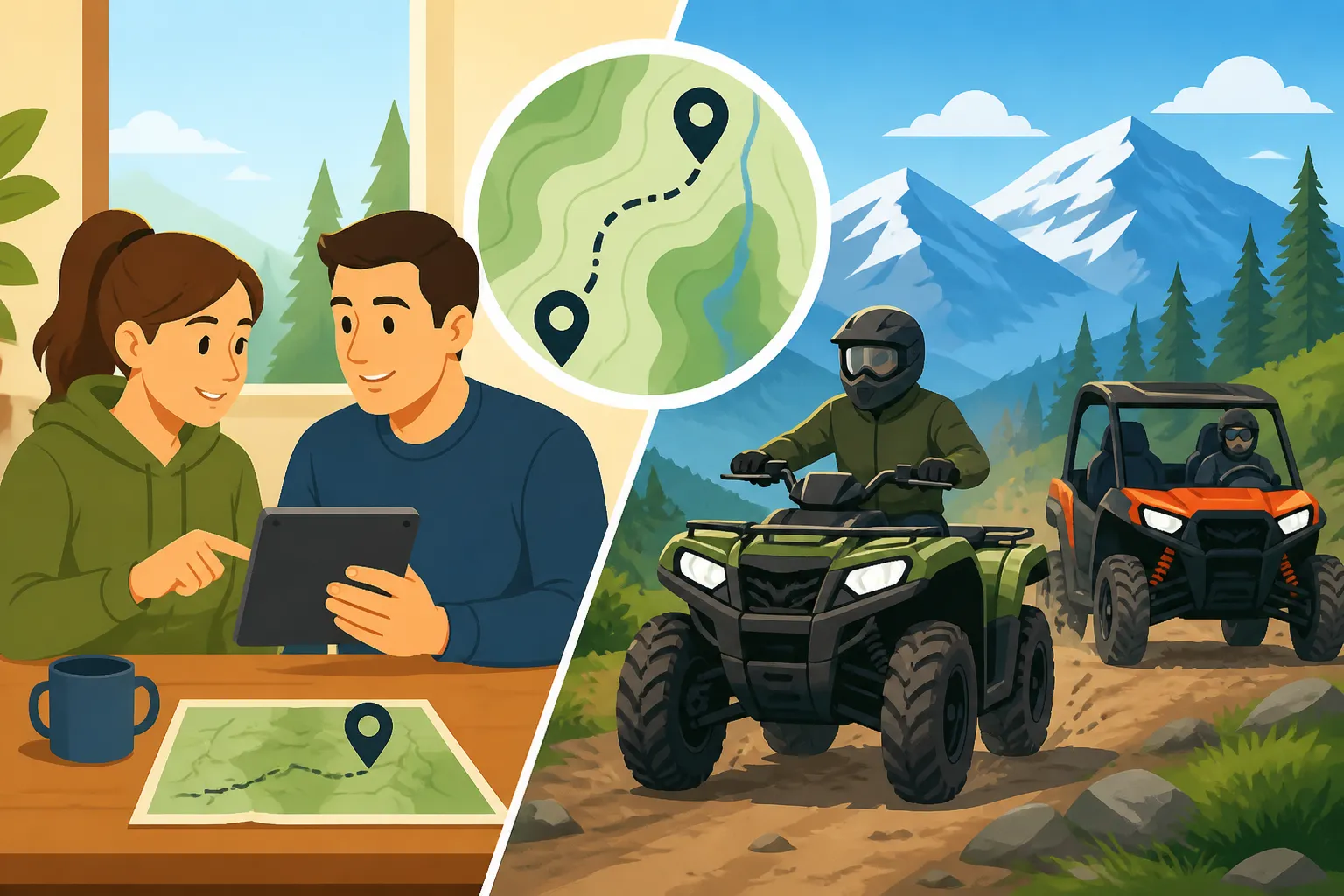
This is the absolute core of your trip plan. You need to clearly articulate where you're going, how you're getting there, and what your intended timeline is. Start with your departure point: exactly where you're staging your machine and where you'll park your truck and trailer, whether it's a designated trailhead like Jim Creek or a less formal spot. Then, map out your intended route using GPS waypoints, trail names, or distinctive landmarks. Be as specific as possible, including any planned stops for fuel, lunch, or camping.
Crucially, identify your primary destination, any intermediate destinations, and your turnaround time. This is the point at which you commit to heading back, regardless of whether you've reached your ultimate goal, to ensure you make it back before dark or by your agreed-upon check-in time. Also, consider alternative routes or bail-out points. For instance, if a river crossing is unexpectedly high, what's your backup plan? Document these contingencies. If you're relying on a GPS unit or a smartphone for navigation, remember that [No Cell Coverage Off the Road System] is the norm, so downloading offline maps is essential, and communicating your intended route to your contact person is even more vital.
Machine and Rider Details for Identification
It's not enough to say "I'm riding my quad." Your contact person and, by extension, search and rescue, need specific details about your machine(s) and your group. For each ATV or UTV, include:
- Make, model, and year.
- Color.
- Your Alaska registration decal number (which is also your registration number). For more on this, see [Why Your Decal Number Is the Registration Number].
- Any distinguishing features or modifications, like a specific winch, a unique tire setup from a brand like SuperATV, or custom lighting.
- Fuel capacity and estimated range.
For each rider in your group, list:
- Full name and contact information.
- Emergency contact (different from the trip plan recipient).
- Any relevant medical conditions, allergies, or medications.
- A recent photo, especially if you're riding alone or with people unfamiliar to your contact.
- A description of the clothing you expect to be wearing, particularly outerwear colors, as this can be crucial for aerial searches.
Emergency Contacts and Essential Gear List
This section details whom to call if you don't check in and what you're carrying to aid in your own rescue or survival. Provide multiple emergency contacts for your designated trip plan recipient, not just one. These should be people who are familiar with your outdoor activities and capable of making decisions in a crisis. This could be a spouse, a close friend, or a responsible family member.
Next, list the essential gear you are carrying. This isn't just a packing list; it's a survival inventory for those looking for you. Include:
- Communication devices: Satellite messenger, satellite phone, two-way radio (and their battery life). [Carrying a Satellite Messenger for a Backcountry Ride] is highly recommended.
- Navigation tools: GPS unit, compass, paper maps.
- Survival essentials: First-aid kit, fire starter, emergency shelter, water filter, extra food.
- Repair kit: Basic tools, tire repair kit, spare belt.
- Recovery gear: Winch (and its rating), tow strap, shovel, Hi-Lift Jack. A robust winch from SuperATV can be a literal lifesaver if you get stuck deep in the mud or need to clear a fallen tree.
- Extra clothing: Especially critical for [Packing for a Cold Snap in August] or any time of year.
- Fuel: Note if you are [Carrying Extra Fuel Safely] and how much.
This comprehensive list helps responders understand your level of preparedness and what resources you might have available if stranded.
Who Should Receive Your Trip Plan and How to Share It
Sharing your trip plan is as important as creating it. The choice of your contact person and the method of communication are critical for ensuring your safety net is robust.
Choosing Your Reliable Contact Person
This isn't just anyone; it needs to be someone you trust implicitly, who is responsible, and who understands the gravity of their role. This individual should:
- Be accessible and likely to be available during your entire trip window. They shouldn't be traveling themselves or in an area with poor communication.
- Understand when to activate the emergency protocol. This means they know exactly what time you expect to check in, what your grace period is, and when they should start making calls to authorities.
- Be calm under pressure and capable of relaying accurate information to emergency services without panicking.
- Have access to your trip plan in a clear, easily understandable format.
- Ideally, be familiar with your riding habits and the general area you're exploring.
Before you leave, have a direct conversation with this person. Review the trip plan together, clarify any questions they might have, and agree on the precise check-in and check-out times. This ensures there are no misunderstandings that could lead to a delayed response or, conversely, a premature alert.
Communication Methods Beyond Cell Service
As previously mentioned, [No Cell Coverage Off the Road System] is a reality across much of Alaska. Relying solely on your cell phone is a dangerous gamble. Therefore, invest in and know how to use alternative communication methods.
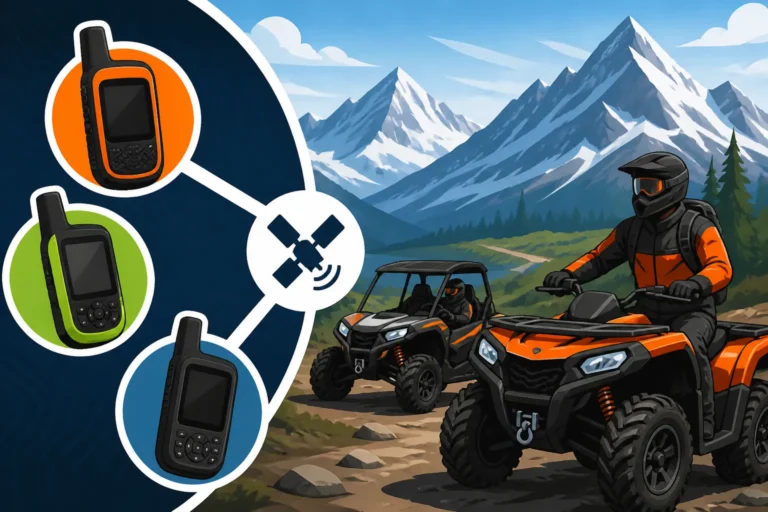
- Satellite Messengers: Devices like SPOT or Garmin inReach are invaluable. They allow you to send pre-programmed check-in messages, custom texts, and, most importantly, an SOS signal with your exact GPS coordinates to a 24/7 monitoring center. Your trip plan should specify which device you're carrying and who monitors your check-ins.
- Satellite Phones: These offer more robust voice communication but are generally more expensive and require clear line-of-sight to a satellite. Still, for extended trips into extreme isolation, they can be a lifesaver.
- Two-Way Radios (VHF/UHF): While limited in range compared to satellite devices, these can be useful for group communication on the trail or for short-range contact with someone at a base camp if they have a powerful enough setup and repeater access.
Your trip plan should clearly state which devices you are carrying, how they work, and what the protocol is for using them, particularly the SOS function. Make sure your contact person knows what kind of message to expect and from which device.
Establishing Clear Check-in and Check-out Protocols
This is the actionable part of your plan. Before you depart, establish very specific times for communicating with your contact person:
- Departure Check-in: A quick message or call as you're leaving the trailhead, confirming you're on your way.
- Periodic Check-ins (optional but recommended for multi-day trips): If you're out for an extended period, agree on specific times to send a pre-determined "all clear" message via your satellite messenger. This could be once a day, or even twice a day, depending on the remoteness and the nature of your trip.
- Final Check-out: The most crucial communication. This is when you confirm your safe return to civilization. This could be a call from your cell phone once you're back in range, or another message from your satellite device as you load up at the trailhead.
Agree on a "trigger" time. For example, "If I haven't checked out by 6 PM on Sunday, wait until 8 PM. If you still haven't heard from me by 8 PM, begin calling my emergency contacts. If you haven't heard from me by 10 PM, call the Alaska State Troopers or local search and rescue." Be explicit about the grace period before an alarm is raised. This precise timing prevents unnecessary panic but ensures a timely response if needed.
| Trip Plan Element | What to Include | Why It's Important |
|---|---|---|
| Route & Schedule | Departure point, detailed path, destinations, turnaround times, estimated return. | Guides search efforts, defines expected timeframe. |
| Machine Details | Make, model, year, color, registration number, unique features. | Helps identify your specific ATV/UTV for ground or aerial search. |
| Rider Details | Full name, emergency contacts, medical info, recent photo, clothing description. | Essential for personal identification, medical emergencies, and visual searches. |
| Gear List | Communication devices, survival kit, repair kit, recovery gear, extra fuel. | Informs rescuers of your self-sufficiency and potential resources. |
| Contact Person | Name, contact info, their availability. | The trusted individual who initiates an emergency response. |
| Communication Plan | Satellite device type, check-in/out times, grace period, emergency activation. | Ensures timely alerts and guides the search protocol. |
Before You Go: Final Preparations and Contingencies
A trip plan is a living document that needs preparation, maintenance, and flexibility. Before you put that key in the ignition, there are a few final, vital steps to take to ensure your safety and the effectiveness of your plan.
Double-Checking Your Gear and Machine
Your gear is your lifeline, and your machine is your primary mode of transport and safety in the backcountry. A thorough pre-trip inspection is non-negotiable. Check your tires, brakes, fluids, and all electrical components. Ensure your winch is fully functional – you don't want to discover a dead battery or a frayed cable when you're stuck in the middle of nowhere. Brands like SuperATV offer heavy-duty components that might be less prone to failure in harsh Alaskan conditions, but even the best gear needs to be checked. Confirm all recovery gear is in place and easily accessible.
Beyond the machine, meticulously go through your personal gear. Are your first-aid kit supplies fresh and fully stocked? Do you have enough food and water, or the means to purify water? Is your extra clothing properly packed and truly waterproof? Are your communication devices fully charged, with spare batteries if applicable? Test your satellite messenger before you leave to ensure it's sending signals correctly. This attention to detail can prevent many of the common issues that lead to needing a rescue in the first place, allowing you to enjoy your [Alaska Riding in Summer] or [Alaska Riding in Winter] without unnecessary stress.
Understanding Local Conditions and Regulations
Alaska's environment is constantly changing, and so are the rules of access. Before you head out, do your homework:
- Weather Forecast: Get the most up-to-date, localized forecast possible. Be prepared for conditions worse than predicted.
- Trail Conditions: Check for recent reports on trail closures, river levels (especially for [Alaska Braided Glacial River Crossings]), or recent bear activity. This is particularly important for popular areas like [Knik River Public Use Area in Alaska] or [Jim Creek Riding in Alaska], where conditions can vary widely.
- Land Ownership and Permits: Always know whose land you'll be on. Whether it's state land (which might require [Alaska's Statewide General Permit for ATV Use]), private property, or Native Corporation land, you might need specific permissions or permits. See [Alaska Land Ownership and Who to Ask] for more details. Respecting land access rules not only prevents legal trouble but also avoids complicating rescue efforts if you end up in an area you shouldn't be.
- Regulations: Be aware of any specific regulations for the area you're riding, such as speed limits, noise restrictions, or specific equipment requirements like spark arresters.
Ignorance of conditions or rules is no excuse and can put you and others at risk. A proactive approach here can head off many potential problems before they even arise.
What to Do If Your Plan Changes Mid-Trip
Life in the backcountry rarely goes exactly as planned. Weather can force a reroute, a mechanical issue might shorten your trip, or you might find a hidden gem you want to explore longer. The key is flexibility combined with communication.
- Inform Your Contact: If your route changes significantly, or your return time is going to be substantially different (either earlier or later), make every effort to notify your contact person via your satellite messenger. Send a quick, clear message updating them on your revised plan.
- Stay Within Communication Capabilities: If you deviate from your planned route, try to stay within areas where your chosen communication device can still function. Don't venture off-grid without first updating your contact about your new "off-grid" intentions.
- Prioritize Safety: Never push through unsafe conditions just to stick to a schedule. If you need to hunker down due to a storm or wait out high water, do so, and then communicate the delay to your contact as soon as it's safe and possible. Your contact person needs to understand that plans can change and that safety is always the priority.
Remember, a trip plan is a safety tool, not a rigid prison. It's designed to ensure help finds you if something goes wrong, but it also gives you the freedom to explore responsibly, knowing that a safety net is in place.
Disclaimer
This article is for general informational purposes only and does not constitute professional advice. Laws, prices and regulations vary by location and change over time. Consult a qualified professional for guidance on your specific situation.