Alaska Issues a Decal, Not a Plate
You've just bought your dream ATV or UTV, picturing yourself tearing through Alaska's stunning wilderness, and now you're faced with the paperwork. Like most folks, you probably expect to get a license plate for your new machine, but Alaska has a unique system for All-Purpose Vehicles (APVs). This guide will walk you through why Alaska issues a decal, not a traditional plate, for your ATV or UTV, what that means for you, and how to properly register your machine to keep you legal on the trails and even certain roads.
The Alaskan Approach to APV Identification
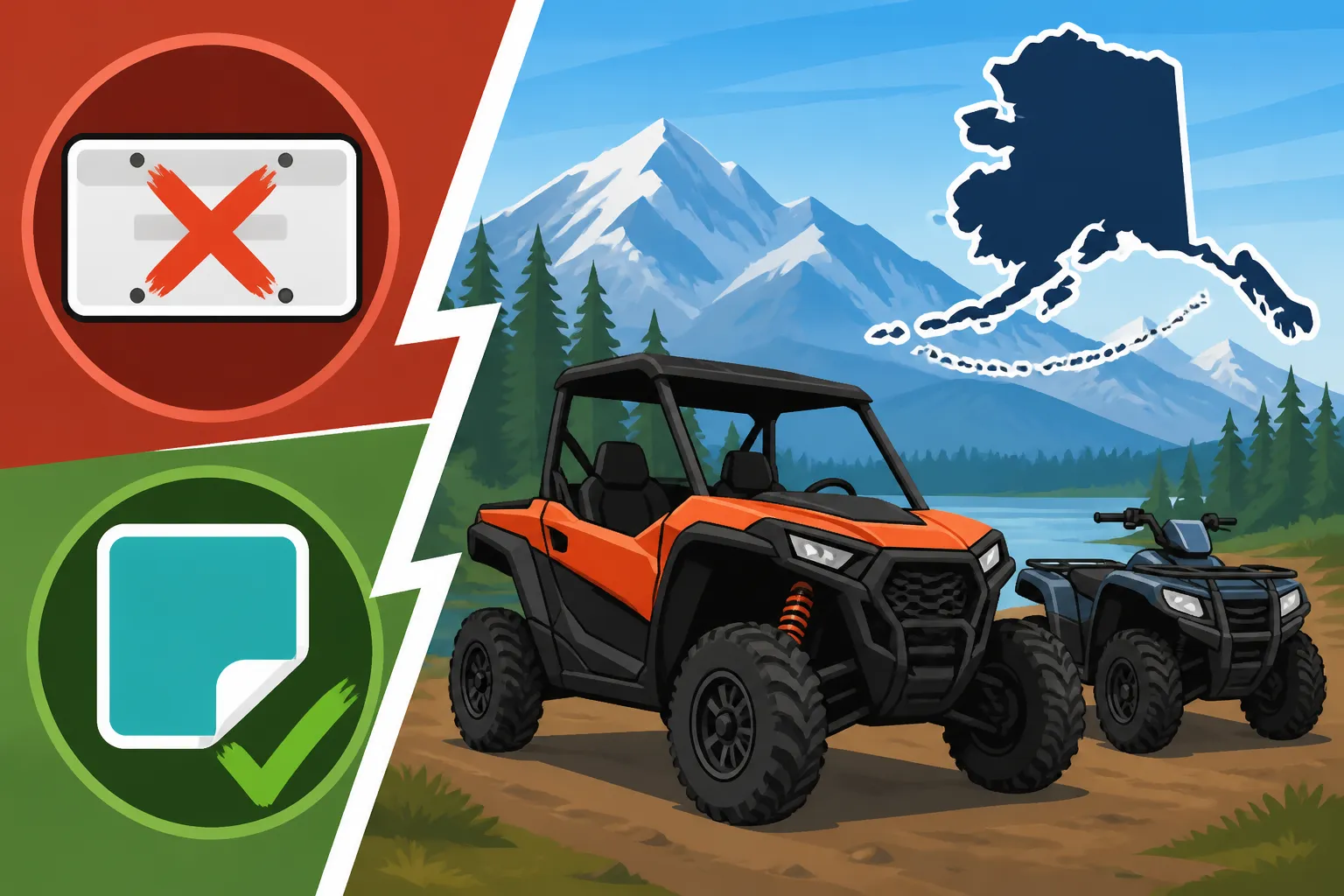
It's natural to think of a license plate when registering any kind of vehicle. We see them on cars, trucks, motorcycles, and even snowmachines in some places. However, when it comes to All-Purpose Vehicles – which is what Alaska calls ATVs, UTVs, and some other off-highway vehicles – the state takes a different, very practical approach. Instead of a bulky metal plate, you'll receive a durable decal. This isn't just a quirky Alaskan choice; it’s a design decision based on the very nature of these machines and the rugged environments they operate in.
Decal vs. License Plate: A Fundamental Difference
When you register a car, you get a plate that bolts onto a specific area, usually the rear bumper, designed to be clearly visible and largely protected from the elements. For an ATV or UTV, especially one that's designed to climb over rocks, plow through mud, and navigate dense brush, a rigid license plate would be a constant source of frustration and potential damage. Imagine trying to maneuver your quad through a tight stand of willows only to have your license plate snag, bend, or rip off entirely. It’s not just an inconvenience; it could render your registration invalid if the plate becomes unreadable or lost.
The difference in identification methods highlights the state's understanding of how these machines are used. An ATV isn't typically navigating paved highways at high speeds where a reflective plate is paramount for visibility to other motorists. Instead, it's often covered in mud, traversing challenging terrain, or even submerged briefly in water. A decal, while still requiring proper placement and care, offers a more robust and practical solution for the unique demands of off-road riding in Alaska. It's a system built for the conditions you'll actually encounter out there.
Why Decals Make Sense for Off-Road Machines
Think about the places Alaskans take their ATVs and UTVs: across braided rivers, up rocky creek beds, through thick alder patches, and deep into the backcountry for hunting, fishing, or simply exploring. A license plate wouldn't last long under these conditions. They’d get bent, torn off by branches, or simply covered in so much mud and silt that they’d be illegible anyway. Decals, on the other hand, are designed to adhere directly to the vehicle's body, usually a plastic surface, making them less prone to physical damage from impacts or snags.
Furthermore, the flexibility of a decal means it can be placed on contoured surfaces more easily than a flat plate. While there are specific rules for placement, the decal system offers a degree of adaptability that a rigid plate simply cannot. It integrates better with the existing design of the machine, which isn't typically built with a designated, protected license plate mount in mind. This sensible approach means you spend less time worrying about your registration falling off and more time enjoying the incredible trails and open spaces Alaska has to offer. It's all about making your off-road experience as seamless as possible, even when it comes to the legalities.
Understanding Your Decal Number as Registration
For your ATV or UTV in Alaska, the decal isn't just a sticker; it is your registration. The number printed on that decal is your unique identifier, much like a license plate number for a car. When a state trooper or other law enforcement officer checks your machine's registration, they'll be looking for that decal and its associated number. This number is directly tied to your ownership records and verifies that your All-Purpose Vehicle is legally registered with the state. This is why it’s so critical that your decal is always present, visible, and legible whenever you're operating your machine on public lands or approved roadways.
Without a valid, readable decal, your machine is essentially unregistered, even if you’ve paid the fees and done all the paperwork. This can lead to citations, fines, and other penalties. It’s a simple system, but one that puts the onus on the owner to ensure the decal is always in good condition and displayed correctly. Many new owners, especially those moving to Alaska from states with different regulations, often ask, "Why Your Decal Number Is the Registration Number." It’s an important distinction to grasp early on to avoid any unexpected run-ins with enforcement while you’re out enjoying your ride. Always treat that decal with the same importance you would a vehicle license plate.
What Your Alaska APV Decal Looks Like
The decals issued by the State of Alaska for All-Purpose Vehicles are designed to be practical and informative. They aren't flashy, but they convey essential information at a glance, both for you and for law enforcement officials. Understanding the key features of your decal will help you ensure it's valid and properly displayed. These aren't just decorative stickers; they are the official proof of your machine's registration.
Color-Coding and Term Lengths
One of the most noticeable features of an Alaska APV decal is its color. The state uses a rotating system of colors to indicate the year of expiration. This color-coding makes it incredibly easy for law enforcement to quickly spot if a decal is current or expired, even from a distance. You'll notice different colors on different machines as you ride the trails, and each color corresponds to a specific registration year. This visual cue is a simple yet effective way to manage and enforce APV registration across the vast Alaskan landscape.
In Alaska, you have options when it comes to how long your registration lasts. You can choose a two-year, four-year, or even a six-year term. Each of these options comes with a different fee structure, which we'll cover in more detail shortly. This flexibility allows you to pick a term that best suits your needs and how often you want to deal with renewals. For example, some folks prefer the convenience of a longer six-year term, meaning they only have to think about renewal once every half-dozen years. Others might prefer a shorter term if they anticipate selling their machine sooner or want to spread out the registration cost. Knowing that [Alaska Registration Terms of Two, Four or Six Years] exist helps you plan your ownership experience.
Essential Information on the Decal
Beyond the color, your Alaska APV decal contains crucial information printed directly on its surface. Most notably, it will display the unique registration number for your machine. This alphanumeric code is what identifies your specific ATV or UTV in the state's system. Additionally, the decal clearly shows the expiration date of your registration. This is vital information, as an expired decal means your machine is no longer legally registered for use on public lands or designated roadways.
Other information might include the type of vehicle (e.g., APV) and possibly a small state seal or identifying mark. The clarity and durability of this printed information are paramount, as it needs to withstand the rigors of Alaskan weather – from blazing summer sun to freezing winter snow and the constant splatter of mud and water. Always take a moment to double-check that all the printed details are correct when you receive your new decal. If anything looks amiss, it's always best to contact the DMV or a partner office immediately to get it corrected before you head out on your first ride.
The Importance of a Valid Expiration Date
There's nothing quite like the freedom of riding your ATV through Alaska's backcountry, but that freedom comes with responsibilities, one of the biggest being ensuring your machine is properly registered. The expiration date prominently displayed on your decal is not just a suggestion; it's a hard deadline. Operating an APV with an expired registration is akin to driving a car with expired tags—it's illegal and can lead to significant penalties. We all get busy, and sometimes these things slip our minds, but a quick glance at your decal can save you a lot of hassle.
Alaskan APV registrations all expire on September 30th, regardless of when you initially registered or which term length you chose. This standardized expiration date simplifies the renewal process, as everyone is on the same cycle. So, whether you opted for a two-year, four-year, or six-year decal, remember that [Every OHV Registration Term Expires on September 30]. It’s a date to mark on your calendar, set a reminder for, or perhaps just make a mental note to check your decal around late summer each year. A valid expiration date is your ticket to worry-free riding and is one of the first things a trooper will look for if they stop you.
Proper Placement of Your Alaska APV Decal
Getting your decal is only half the battle; ensuring it's properly affixed to your machine is equally important. The State of Alaska has specific guidelines for decal placement to ensure visibility and readability by law enforcement. Ignoring these guidelines can be just as problematic as not having a decal at all. Proper placement is about practicality and compliance, ensuring that your proof of registration is always evident when needed.
Visibility is Key: Where to Put It
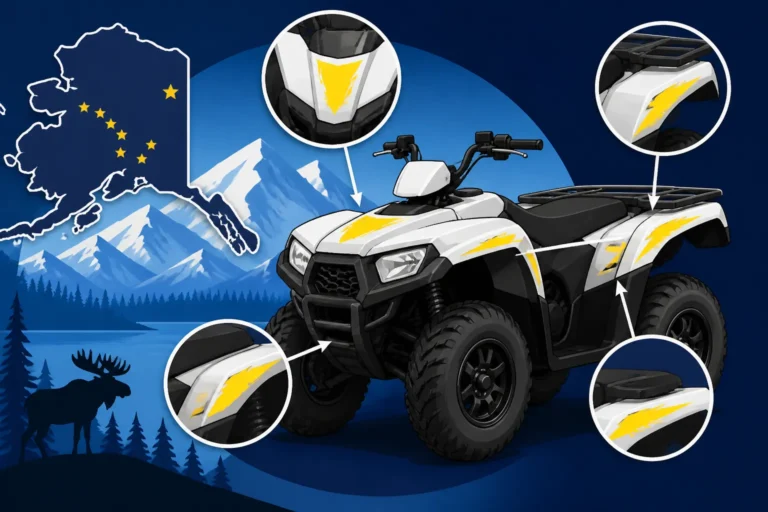
The most crucial aspect of decal placement is visibility. The decal must be affixed to the rear half of the machine on the exterior of the tunnel or side panel, and it must be clearly visible when the rider is seated. This means no hiding it under a seat, tucking it inside a compartment, or putting it in a spot where it's obscured by cargo, bags, or accessories. The purpose is for law enforcement to be able to identify your vehicle's registration status quickly and easily, without having to ask you to move things around. For ATVs, you'll typically find a suitable flat surface on the rear fender or a side panel. For side-by-sides (UTVs), the rear cargo area's side panels often offer ideal placement.
Many riders choose the left rear side panel or tunnel for their decal, as this often provides a good balance of visibility and protection. However, the exact best spot might vary slightly depending on your specific ATV or UTV model. Before you stick it on, sit on your machine, have a friend stand back a bit, and check if it's clearly visible from a few different angles. Consider how mud, snow, or even branches might obscure it during a typical ride. Finding that sweet spot where it's both seen and relatively protected is key. This careful thought upfront can save you a lot of headache down the trail.
Maintaining Readability in Alaskan Conditions
Alaskan trails are notorious for mud, dust, and grime, especially during spring breakup or after a good summer rain. While decals are designed to be durable, they won't do much good if they're caked in dirt. Regularly cleaning the area around your decal, and the decal itself, is essential for maintaining its readability. Keep a small rag or brush in your gear bag to give it a quick wipe-down if it gets too obscured while you're out riding. It's a small habit that can make a big difference.
Beyond mud, consider other factors. Riding through dense brush can scratch or even tear a decal if it's placed in a vulnerable spot. Parking your machine in direct, intense sunlight for extended periods can, over many years, cause fading, although modern decals are much more resistant to UV damage than older ones. The goal is to keep the unique registration number and the expiration date clear and legible at all times. If your decal becomes severely damaged or unreadable, you'll need to apply for a replacement. This is another area where proactive maintenance pays off, helping you avoid issues with officials who are simply trying to verify compliance.
Decal Placement on Different Machine Types
While the general rule of "rear half, exterior, visible when seated" applies to all APVs, the specific best spot can differ. For a standard quad or ATV, the rear fender, often on the side, is a common and usually effective place. There's often a relatively flat surface that offers good adhesion. For utility-focused ATVs with racks, ensure the decal isn't completely hidden by cargo. [Alaska Decal Placement on the Tunnel Side] is a good guideline for traditional quads, ensuring it’s not on the top where it might be easily scuffed or sat upon.
Side-by-sides, or UTVs, often have more body paneling, which can offer more options. The side of the bed or cargo area, or a lower rear panel, can work well. The critical part is ensuring it's not on a part that's easily removed, like a modular cargo box, or on a surface that sees a lot of friction or abuse. For larger, multi-passenger UTVs, the scale might make some spots more visible than others. Always consider the vehicle's design and how it will be used. The principle remains the same: choose a spot that allows for quick and unmistakable identification by anyone looking to verify your APV's registration status.
The Registration Process to Get Your Decal
Once you understand what an APV decal is and why Alaska uses them, the next step is actually obtaining one. The registration process itself is straightforward, though it does require you to gather the correct documentation and submit it in person or by mail. Many new riders feel a bit overwhelmed by the paperwork, but by breaking it down, it's quite manageable.
Required Documents for Ownership Proof
The most critical part of registering your ATV or UTV is proving you actually own it. Without proper proof of ownership, the state can't issue you a registration decal. For a brand-new machine, this is usually quite simple. You'll need the Manufacturer's Certificate of Origin (MCO), which is basically the birth certificate of your vehicle, along with the bill of sale from the dealer. This paperwork clearly establishes you as the first legal owner. Ensure that the MCO is assigned to you and that all the vehicle identification number (VIN) details match perfectly.
If you're buying a used machine from a private seller, things can get a little trickier, but still very manageable. You'll need a properly completed bill of sale, signed by both the buyer and the seller, and it should include the full VIN. If the previous owner had a title, you'll need the original, signed-over title. However, Alaska only started titling APVs in 2022, so many older machines don't have titles. In those cases, a clear [Alaska Bills of Sale for a Used Machine] is paramount. Sometimes, an affidavit naming the seller might be required if other documentation is scarce. Resources like LawDepot can be incredibly helpful for creating legally sound bills of sale or affidavits if you're navigating a private party transaction, ensuring all necessary details are included for registration. Always double-check that the VIN on the paperwork matches the VIN stamped on the machine itself.
Filing the Vehicle Transaction Application
Once you have your proof of ownership squared away, the next piece of the puzzle is the Alaska Vehicle Transaction Application (Form V1). This is the standard form used for most vehicle-related transactions in the state, including APV registration. You'll need to fill out your personal information, the details of your ATV or UTV (including the VIN, make, model, year, and engine size), and indicate that you're applying for an original APV registration. Pay close attention to each line, ensuring accuracy, as errors can delay the process.
This form also allows you to select your desired registration term: two, four, or six years. As we discussed, each has its own fee structure. Make sure you clearly mark your choice. If you're unsure about any section, it's always better to leave it blank and ask a clerk when you submit the application rather than guessing and potentially making a mistake. The form is designed to be user-friendly, but like any official document, it requires careful attention to detail. Having all your supporting documents organized and ready to go will make filling out this form much smoother.
Where to Submit Your Application
Unlike many states, [Alaska Has No Online OHV Registration]. This means you'll need to submit your application and supporting documents either in person or by mail. For most Alaskans, submitting in person is the preferred method because it allows you to get immediate feedback on your paperwork, correct any errors on the spot, and often walk out with your new decal the same day. You can do this at any Alaska DMV office or at one of the authorized [Alaska Partner Offices That Register OHVs]. These partner offices are often local businesses or government agencies that have been authorized to handle certain DMV transactions, which can be a real convenience if you don't live close to a main DMV branch.
If mailing your application, ensure you send copies of your proof of ownership documents, not the originals, unless explicitly instructed otherwise. Always include a check or money order for the correct registration fee. Be prepared for a processing time if you mail it in, as it won't be an instant turnaround. Many people appreciate the face-to-face interaction at the DMV or a partner office, especially if they have questions about their specific situation or unusual ownership documents. It's a chance to get things done right the first time and minimize delays in getting your machine legally registered and ready for the trails.
What to Do If Your Decal Is Lost, Stolen, or Damaged
Life happens, especially when you're adventuring in the Alaskan wilderness. Decals can get scratched, torn, fade, or even disappear entirely. While it's frustrating, it's not the end of the world. The state has a process in place to get you a replacement, ensuring you can get back to riding legally as quickly as possible. The key is to address the issue promptly and avoid operating your machine without a valid, visible decal.
The Replacement Process
If your Alaska APV decal is lost, stolen, or becomes unreadable due to damage, you'll need to apply for a replacement. The process is similar to your original registration, but often a bit simpler. You'll typically need to fill out another Vehicle Transaction Application (Form V1), indicating that you're requesting a replacement decal. You'll also need to pay a nominal fee for the new decal. While you won't need to re-submit proof of ownership unless there's been a change in your records, having your previous registration information handy (like the old decal number or the date of original registration) will speed things up.
You can usually submit your replacement request in person at a DMV or partner office, which is often the quickest way to get a new decal. They might even print one for you on the spot. If you're mailing it in, remember the potential processing time. It’s always a good idea to report a stolen decal to local law enforcement, especially if you suspect foul play, as this creates an official record. Don’t delay in getting a replacement; riding with a missing or unreadable decal is still considered operating an unregistered vehicle. This specific process is often outlined under [Alaska Decal Replacement If Lost].
Riding Without a Decal: Risks and Realities
We've all been there: you realize your decal is gone or unreadable just as you're about to head out for a ride. The temptation to just go anyway, figuring you'll deal with it later, can be strong. However, operating your ATV or UTV on public lands or approved roadways without a valid, visible decal carries significant risks. As far as law enforcement is concerned, if they can't see a current decal, your machine is unregistered. This isn't a situation you want to find yourself in miles from the road system.
The reality is that troopers and other enforcement officers regularly check APV registrations, especially in popular riding areas like the Knik River Public Use Area or along the Denali Highway. If you're stopped and found to have a missing or unreadable decal, you could face a citation and a fine. The inconvenience of a ticket, combined with the time and potential court costs, far outweighs the minor hassle of getting a replacement decal. It's crucial to understand that even if you have your registration paperwork tucked away somewhere, the decal itself is the required visible proof of compliance.
Proactive Measures to Protect Your Decal
Given the rugged nature of Alaskan riding, taking a few proactive steps can help prolong the life and readability of your APV decal. First, when you initially apply it, ensure the surface is clean, dry, and free of any wax or oils. A good, clean adhesion is the foundation of a durable decal. Applying firm pressure, especially around the edges, helps prevent peeling. You might even consider using a clear protective film or tape over the decal once it's applied, though ensure it doesn't obscure the information or make it less readable.
Second, think about its location. While visibility is key, choosing a spot that's somewhat shielded from direct impacts from branches or constant rubbing can help. For instance, placing it slightly higher on a fender or on a less exposed side panel might offer a bit more protection. Regularly cleaning the area around the decal is also a simple but effective measure. If you frequently haul your machine on a trailer, consider how road grime or debris might impact the decal's integrity. A little foresight can save you from having to go through the replacement process multiple times, allowing you to focus on the joys of riding.
Legal Ramifications of an Improper or Missing Decal
Understanding the legal consequences of not having a proper APV decal is crucial for any Alaskan rider. While the state aims for practicality with its decal system, it also expects compliance. Ignoring registration requirements can lead to uncomfortable encounters with law enforcement and financial penalties that quickly overshadow the cost of registration itself. This isn't just about bureaucracy; it's about ensuring all users of public lands are accounted for and are contributing to the system that supports these recreational opportunities.
Penalties for Unregistered Machines
Operating an ATV or UTV on public lands or designated routes in Alaska without a current, visible decal is a violation of state law. The penalties for such an offense can vary but typically include fines. These fines might start at a relatively modest amount for a first offense but can increase significantly for repeat violations. It's not uncommon for a trooper to issue a warning for a first-time, minor infraction, especially if you can prove you simply forgot to apply the decal or renew it very recently. However, that's at the discretion of the officer, and you shouldn't rely on it.
Beyond the immediate fine, there could be other consequences. In some cases, repeated offenses or particularly egregious situations might lead to your machine being impounded, though this is rare for a simple registration issue. The point is, the cost of the ticket will almost certainly be more than the cost of a two-year, four-year, or even six-year registration. It's a situation that's entirely avoidable by simply ensuring your decal is current and properly displayed. You can find more specific details about these consequences under [Alaska Penalties for Riding Unregistered].
What a Trooper Looks For
When a state trooper or other law enforcement officer stops an APV, one of the very first things they're going to check is your registration decal. They're looking for several key things:
- Presence: Is there a decal on the machine at all?
- Placement: Is it affixed to the rear half of the machine, on the exterior, and visible when you're seated?
- Legibility: Can they clearly read the registration number and, most importantly, the expiration date? Is it covered in mud, scratched beyond recognition, or faded?
- Validity: Does the expiration date show that the registration is current?
They're not trying to nitpick; they're simply ensuring you're compliant with state law. An officer patrolling a popular trail system might do a quick visual scan of machines as they pass. If something looks off – no decal, or a decal that's clearly expired – that could be reason enough for them to pull you over. Having your physical driver's license (which [The Alaska Driver's License an APV Rider Needs] is important) and proof of insurance readily available will also be key, but the decal is the immediate visual proof of your machine's legality.
Consequences Beyond a Simple Fine
While a fine is the most common immediate consequence, operating an unregistered APV can have ripple effects. If you're involved in an accident while your machine is unregistered, it could complicate insurance claims. Your insurance provider might look less favorably on a claim if you were operating the vehicle illegally at the time of the incident. It adds another layer of legal and financial headache to an already stressful situation.
Furthermore, consider the broader impact. APV registration fees contribute to the maintenance and development of trails and riding areas across Alaska. When machines are unregistered, they aren't contributing to this system, even though they might be using the resources. So, beyond the personal legal risks, there's a collective responsibility aspect. Proper registration helps ensure that these incredible recreational opportunities remain accessible and well-maintained for all of us who love to explore Alaska's backcountry on an ATV or UTV. It’s a small price to pay for the privilege of enjoying such vast and beautiful wilderness.
What an Alaska APV Registration Costs
When you register your All-Purpose Vehicle in Alaska, you'll find that the state offers flexible term lengths, each with its own associated fee. Unlike some states that might charge a fixed annual rate, Alaska provides options that allow you to choose what works best for your budget and how often you want to deal with renewals. It's not just about the upfront cost, but the convenience and long-term value.
Alaska offers three primary registration terms for APVs: two years, four years, and six years. Naturally, the longer the term, the higher the overall fee for that specific registration period. However, typically, choosing a longer term like four or six years can offer a better per-year value compared to constantly renewing a two-year registration. It's a trade-off between the upfront cost and the convenience of not having to think about renewal as often.
Overview of APV Registration Fees by Term Length
To give you a clearer picture, here's a general breakdown of how the costs typically shape up for each registration term. Please remember that these are qualitative descriptions, and for current specific figures, you should always check the official Alaska DMV website or contact them directly.
| Registration Term | Convenience Factor | General Cost | Renewal Frequency |
|---|---|---|---|
| Two Years | Good for short-term planning or uncertainty | The lowest fee option per term | Most frequent |
| Four Years | Balanced convenience, less frequent renewals | A moderate fee, often representing good value | Less frequent than two years |
| Six Years | Maximum convenience, longest period between renewals | The highest fee option per term | Least frequent |
As you can see, each option has its benefits. A two-year term might appeal if you're unsure how long you'll keep the machine or prefer to pay a smaller amount more frequently. The four-year term is a popular choice, striking a balance between cost and convenience. For those committed to their machine for the long haul, the six-year term minimizes the hassle of renewals and can be a good long-term investment. Just be aware that if you sell your machine before the six years are up, you won't get a refund for the unused portion of the registration.
Understanding the Value of Longer Terms
While the initial sticker shock of a four-year or six-year registration might be a bit higher than the two-year option, many riders find significant value in choosing a longer term. The primary benefit is convenience. Dealing with paperwork, remembering expiration dates, and making trips to the DMV or partner office can be a hassle. Opting for a longer term means you only have to go through that process once every four or six years, freeing up more of your time for actual riding. This reduced administrative burden is a major plus for busy Alaskans.
Furthermore, a longer term often translates to a lower effective annual cost. While you're paying more upfront, the cumulative cost over, say, six years could be less than renewing a two-year registration three times. It’s always worth doing the math for your own situation. It's also important to remember that these fees directly support the APV program, helping to maintain trails and ensure the state's amazing riding opportunities remain accessible. When considering [Alaska Charges $10 for Two Years], [Alaska Charges $20 for Four Years], or [Alaska Charges $30 for Six Years] (to describe the shape of the cost without stating current values), weigh the initial outlay against the long-term benefits of convenience and potentially lower annual expense.
Payment Methods and Considerations
When you go to register your APV in person at an Alaska DMV or partner office, you'll typically have a variety of payment options available. Most locations accept cash, checks, and major credit or debit cards. However, it's always a good idea to confirm acceptable payment methods with the specific office before you go, especially if you're visiting a smaller partner location. If you're mailing in your registration, a check or money order is usually the required payment method.
It's important to ensure your payment covers the exact amount of the registration fee, as any discrepancy can cause delays. Keep a copy of your receipt or cancelled check for your records, just in case any questions arise later. Also, remember that these registration fees are distinct from any potential sales taxes. [Alaska Has No Statewide Sales Tax], but some boroughs and cities do impose their own sales taxes, which might apply to the purchase of your ATV or UTV, but not to the state registration fee itself. Budgeting for your registration is a small but essential part of becoming a responsible and legal APV owner in Alaska.
Frequently Asked Questions About Alaska APV Decals
Navigating the world of APV registration in Alaska can sometimes raise more questions than answers, especially for new riders or those new to the state. We’ve covered a lot of ground, but let's dive into some common questions that often pop up regarding these distinctive decals.
Can I transfer my decal to another machine?
This is a really common question, and the simple answer is no, you cannot transfer your Alaska APV decal from one machine to another. The decal is specifically issued to a particular vehicle, identified by its unique Vehicle Identification Number (VIN), and is registered to the owner of that specific machine. It’s not like a personal plate that follows you from vehicle to vehicle. If you sell your registered ATV or UTV and then purchase a new one, even if it's the same make and model, you will need to register the new machine from scratch and obtain a brand new decal for it.
Similarly, if you buy a used machine that still has a decal from its previous owner, that decal is technically not valid for you. Once ownership changes, the registration associated with that decal is generally considered void. You, as the new owner, are responsible for registering the machine in your name and acquiring a fresh decal. This ensures that the state's records accurately reflect current ownership and that all machines on public lands are properly registered under the person operating them. It's an important distinction to prevent confusion and maintain accountability within the APV system.
What about out-of-state machines?
If you're visiting Alaska with your ATV or UTV from another state, you might be wondering about registration requirements. Generally, if your machine is properly registered in your home state, Alaska will recognize that registration for a limited period, typically up to 30 days of continuous operation within the state. This grace period is designed to accommodate tourists and short-term visitors who want to enjoy Alaska's trails without immediately needing to re-register their machine.
However, if you plan to reside in Alaska or operate your APV in the state for longer than 30 days, then you are generally required to register it with the State of Alaska and obtain an Alaskan APV decal. The process for [Alaska Registration for a New Resident] will be similar to an original registration, requiring proof of ownership from your home state. It's always best to check the most current regulations if you anticipate a longer stay, as laws can evolve. The intent is to ensure that vehicles that are a permanent part of the Alaskan landscape are contributing to the state's registration and trail maintenance efforts.
How long does it take to get my decal?
The turnaround time for receiving your Alaska APV decal can vary depending on how you submit your application. If you apply in person at an Alaska DMV office or one of the authorized [Alaska Partner Offices That Register OHVs], you can often walk out with your new decal the very same day. This is by far the quickest method and is highly recommended if you want to get your machine legal and ready to ride without delay. Being prepared with all your required documents, like your proof of ownership and a completed Vehicle Transaction Application, will help expedite this process even further.
If you choose to mail in your application, the processing time will be longer. You'll need to account for the time it takes for your mail to reach the DMV, for their staff to process the paperwork, and then for the new decal to be mailed back to you. This entire process could take several weeks, especially during peak seasons. Always plan ahead if you're mailing your application, and don't expect an instant turnaround. There’s nothing worse than having your machine ready to go, but being unable to ride legally because you’re still waiting for that crucial decal to arrive in the mail.
What if I don't have all the paperwork for my used machine?
It's an unfortunate reality that sometimes when buying a used ATV or UTV, especially an older one, the previous owner might not have a perfectly clear chain of documentation. This can be a major source of frustration when you go to register your machine. If you don't have a clean title (for machines made after 2022) or a comprehensive bill of sale, the process can become more complicated. You might be asked for additional evidence, such as an affidavit from the seller attesting to the sale, or other supporting documents that establish your ownership.
In some cases, if the paperwork is truly lost or never existed (which happens with very old machines), Alaska has a process called "No Title Issued" (NTI) registration. This usually involves an application process and often a waiting period, typically two years, during which your machine is registered but no title is issued. After this period, if no other claim of ownership arises, you can then apply for a full title. This is a more involved process, so it's always best to try and get all proper paperwork at the time of purchase. Resources like LawDepot can assist with drafting affidavits if you’re trying to secure ownership without a perfect paper trail.
Table: Alaska APV Decal Term Options and General Cost Considerations
When it comes to registering your All-Purpose Vehicle (APV) in Alaska, the state offers flexible term lengths that cater to different needs and budgets. Understanding the options will help you choose the best fit for your riding habits and financial planning. Remember, the figures here represent the typical fee structure qualitatively, rather than specific dollar amounts, which can change. For the most up-to-date prices, always consult the official Alaska DMV resources.
| Term Length | Convenience Factor | General Cost | Renewal Frequency | Notes |
|---|---|---|---|---|
| Two Years | Offers the most flexibility for short-term ownership or temporary registration. | Generally the lowest fee per term, making it an accessible upfront cost. | Requires renewal every two years, the most frequent option. | Good if you plan to sell soon or prefer smaller, more frequent payments. [Alaska Charges $10 for Two Years] (for context of cost shape). |
| Four Years | Provides a good balance between convenience and commitment, reducing renewal frequency. | A moderate fee per term, often representing a good overall value compared to multiple two-year renewals. | Renewal needed every four years, less frequent than the two-year option. | Popular choice for stable ownership without the longest commitment. [Alaska Charges $20 for Four Years] (for context of cost shape). |
| Six Years | Offers maximum convenience with the longest period between registration renewals. | The highest fee per term, representing the largest upfront cost. | Renewal required only every six years, the least frequent option. | Best for long-term owners who want to minimize administrative tasks. [Alaska Charges $30 for Six Years] (for context of cost shape). |
It's important to remember that all Alaska APV registrations expire on September 30th, regardless of when you initially registered your machine or which term length you chose. This means if you register mid-term, your decal will still expire on the September 30th of the corresponding year. For instance, a two-year decal purchased in October will last until September 30th two years later. Choosing a longer term upfront, as discussed in [Choosing a Longer Term Up Front], can streamline your ownership experience and reduce the hassle of frequent renewals.
Disclaimer
This article is for general informational purposes only and does not constitute professional advice. Laws, prices and regulations vary by location and change over time. Consult a qualified professional for guidance on your specific situation.