Alaska Registration Questions Clerks Hear
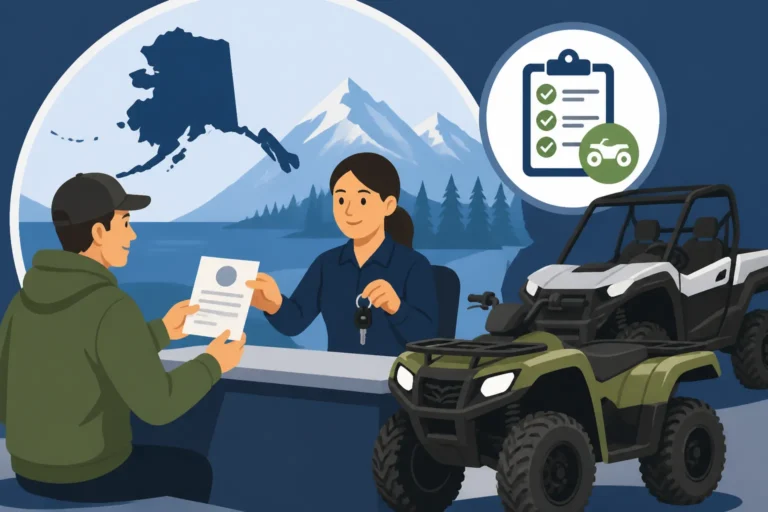
Navigating the ins and outs of registering an All-Purpose Vehicle (APV) in Alaska can feel like trying to untangle a particularly stubborn fishing line. So many folks come into the DMV or call a partner office with questions, sometimes feeling overwhelmed by the process, especially if they're new to the state or just bought their first quad. This guide aims to tackle those common head-scratchers, walking you through the questions Alaska registration clerks hear most often so you can feel confident and prepared.
Understanding the Basics: What Do I Even Need to Register?
It's a really common starting point for many Alaskans: "Do I even need to register this machine?" It’s not always straightforward, especially when you consider where you plan to ride, what kind of machine you have, and if you’ve recently moved here. The definition of an APV itself can sometimes be a bit fuzzy for new owners, leading to confusion about the entire process.
What's an All-Purpose Vehicle (APV) in Alaska?
First things first, let's clear up the lingo. In Alaska, what most people call an ATV or UTV generally falls under the umbrella of an "All-Purpose Vehicle," or APV. This class typically includes those four-wheelers, side-by-sides, and even six-wheelers that are designed for off-road use. However, there are some important distinctions here. Machines that are primarily for snow, like snowmobiles, are excluded from the APV definition and have their own registration requirements. Similarly, anything with tracks instead of wheels, or those vintage three-wheelers, generally won't fit the APV criteria for registration. Clerks often find themselves explaining these nuances to folks who just bought a new toy and are eager to hit the trails. For more on what qualifies, you might find [Registering an ATV Under Alaska's All-Purpose Vehicle Class] helpful.
The purpose of this classification isn't just bureaucratic; it dictates how and where you can legally operate your machine. If your machine fits the APV definition, then the registration process we're discussing applies. If it doesn't, you might be looking at a different set of rules or perhaps no registration at all if it's strictly for private land use with no public access. This initial clarification is crucial because it sets the stage for all subsequent steps, from gathering paperwork to understanding where your decal needs to go. Many an Alaskan has started down the wrong path simply by not realizing their machine didn't qualify as an APV in the first place, so it's a good idea to confirm this early on.
When Do I Really Need to Register My Machine?
This is perhaps the most frequent question clerks hear, and it boils down to where you intend to ride. The golden rule in Alaska is this: if you plan to operate your APV on any public land or public easements, you need to register it. This includes state-managed lands, federal lands where APVs are permitted, and even some public access trails that cross private property. It doesn't matter if it's a quad you bought for a summer fishing trip to Jim Creek or a UTV for hunting season in the Interior; if it touches public ground, it needs a decal. Many people assume "public land" only refers to designated trails, but it can also encompass things like power line easements, road shoulders in certain areas, and even frozen rivers when they're used for public travel. The moment your tires hit ground that isn't exclusively your own private property, that registration requirement kicks in.
Now, there's a flip side: if your APV only ever sees action on your own private property and never ventures onto public land, then technically, Alaska law doesn't require you to register it. Imagine you have a large homestead in the Mat-Su Valley and your quad is solely used for chores around your land – hauling firewood, checking fences, moving equipment. In such a scenario, you might be exempt from registration. However, many people overestimate the "private land" exemption. What if you need to cross a short stretch of borough road to get to another part of your property? Or what if your land borders a public trail, and you sometimes hop on it for a quick ride? These scenarios often trigger the need for registration. It's always better to be safe than sorry, as the penalties for riding an unregistered machine on public land can be quite a bummer. For details on the exemption, check out [Alaska Private Land Registration Exemption].
What's the Difference Between Registration and Titling?
This is another area where confusion frequently arises, especially since many other vehicles (like cars and trucks) have combined registration and titling processes. For APVs in Alaska, they are two distinct actions. Registration is about getting that decal, a physical sticker with a unique number that proves your machine is registered to you and can be legally operated on public lands. It's usually valid for a specific period, like two, four, or six years, and focuses on the right to operate. You can ride your machine and have it clearly identified. [Why Your Decal Number Is the Registration Number] explains more about this.
Titling, on the other hand, is about proving legal ownership. A title is a legal document that establishes who the rightful owner of the machine is. While all APVs must be registered if they're used on public land, not all APVs automatically receive a title when they are first registered. Alaska only began requiring titles for APVs in 2022. So, if you have an older machine, say one from 2015, it might be registered but never had a title issued by the state. This can create complications when selling or buying. Clerks spend a lot of time explaining the different scenarios, like how to apply for a "No Title Issued" (NTI) title for older machines that meet certain criteria. [Alaska APV Titling Required Since 2022] dives deeper into this distinction, and understanding it is key for both current owners and potential buyers.
Getting Your Paperwork in Order: The Essentials You'll Need
Once you understand why you need to register, the next hurdle is often how. And for most government processes, "how" usually means "what paperwork do I need?" This is where many folks get stuck, especially if they've bought a used machine or can't locate their original documents. Don't worry, clerks have heard it all, and there are often solutions.
Proof of Ownership: What Counts?
When you walk into a DMV or partner office to register your APV, the most critical piece of information you'll need is undeniable proof that the machine belongs to you. Without it, they simply cannot register it in your name. For a brand-new machine purchased from a dealership, this is usually straightforward: you'll typically have a Manufacturer's Certificate of Origin (MCO) and a bill of sale. The MCO is essentially the "birth certificate" of your machine, proving it's new and hasn't been titled before. [Using a Warranty Card as Proof of Ownership] can sometimes serve in a pinch if an MCO is delayed, but generally, the MCO is preferred.
However, things can get a bit more complicated with used machines. If you bought it from a private seller and it already had an Alaska title, then that signed-over title document is your primary proof. If it was registered but never titled (common for machines manufactured before 2022), you'll need a clear bill of sale from the previous owner. This document is paramount, clearly stating the sale, the machine's VIN, the date, and the names and signatures of both buyer and seller. Sometimes, people show up with handwritten scraps of paper; while these can be accepted, a more formal document like a bill of sale created using a service like LawDepot can provide a clearer and more legally sound record, preventing headaches down the line. A properly executed bill of sale makes the clerk's job easier and ensures your ownership is properly recorded.
What If I Lost My Paperwork?
Ah, the classic scenario. You've owned your quad for years, and now you want to register it for a trip to the Knik River Public Use Area, but you can't find the original bill of sale or MCO. This happens all the time! Don't despair, Alaska has pathways for this. If you can't locate your original proof of ownership, you'll likely need to complete an Affidavit Naming a Seller. This is a sworn statement where you attest to how you acquired the machine, who sold it to you, and that you are the rightful owner. It needs to include details like the VIN, make, model, and the circumstances of the sale. [What an Affidavit Naming the Seller Must Include] provides more details.
Another situation is if you've had the machine for a long time, and you've lost track of any original paperwork, and perhaps the seller is no longer reachable. In these cases, Alaska offers a "No Title Issued" (NTI) registration process. This allows you to register the machine after a waiting period, typically two uncontested years, proving that no one else has a claim to it. It's a way for long-term owners of older machines to finally get proper documentation when original records are gone. Using a service like LawDepot to draft a formal affidavit can lend credibility to your claim and help ensure all necessary information is included, making the process smoother for both you and the clerk. This NTI process helps ensure that legitimate owners aren't left without legal recognition simply because paperwork has gone missing over the years.
Dealing with Private Sales
Buying or selling an APV through a private party is incredibly common in Alaska, but it also generates a lot of questions at the DMV. When you're the buyer, you need to be diligent about getting the right paperwork. If the machine was previously titled in Alaska, you must get the original title certificate from the seller, with their signature on the assignment of ownership section. Without that title, you're looking at a much more complicated process, potentially involving a lien check or an NTI application. Always insist on the title if one exists. [Buying From a Private Seller in Alaska] covers this in detail.
If the machine was registered but never titled (pre-2022 machine), then a comprehensive bill of sale is your absolute best friend. Ensure it has the full names and addresses of both parties, the date of sale, the purchase price, and a complete description of the APV, including the VIN. Both parties should sign it, and it's a good idea for both to keep a copy. If you're selling, providing a clear, typed bill of sale to the buyer ensures a smooth transfer and protects you from future liability. You can find templates for bills of sale online, and drafting one through a platform like LawDepot ensures it's legally sound and includes all the necessary components for an Alaska APV transfer. This clear documentation is vital to avoid issues down the road for both parties.
The Nitty-Gritty: Fees, Terms, and Where to Go
Once you've got your paperwork sorted, the next set of questions usually revolves around the practicalities: how much does it cost, how long does it last, and where do I actually go to get this done? Alaska tries to offer options, but knowing the specifics can save you a trip.
How Much Does it Cost and For How Long?
Alaska offers flexible registration terms for APVs, which is a nice touch, allowing you to choose what works best for your needs. You can register your machine for two, four, or even six years at a time. This flexibility can be great if you plan to keep your machine for a while and want to minimize trips to the DMV. The cost, of course, varies depending on the term you select. While I can't give you exact current figures, the general shape is that longer terms offer a bit of a discount compared to renewing every two years. For instance, a four-year term will cost more than a two-year term, but less than two separate two-year registrations would. [Alaska OHV Registration Cost] can provide more context on the pricing structure.
It's important to remember that regardless of whether you choose a two, four, or six-year term, all APV registrations in Alaska expire on September 30th. This means if you register your machine in, say, March for a two-year term, it won't expire in March two years later; it will expire on September 30th of the second year. This common expiration date helps streamline the renewal process for the state but can sometimes catch owners by surprise if they're not aware of it. Many clerks get questions about why their new decal isn't valid for a full two years from the issue date, and this is why. [Every OHV Registration Term Expires on September 30] explains this common expiration date.
Can I Register My APV Online?
This is a question that frequently comes up in our increasingly digital world. People are used to handling many transactions online, from renewing their driver's license to paying bills. Unfortunately, for initial APV registrations in Alaska, you cannot complete the entire process online. You'll need to make an in-person visit to a DMV office or one of their authorized partner offices. This requirement is primarily due to the need to physically verify documents, collect signatures, and in some cases, verify VINs, especially for machines without prior Alaska records. [You Cannot Register an Alaska OHV Online] details this limitation.
While the initial registration requires an in-person visit, some aspects of renewal might be handled differently depending on future state system updates. However, for a brand-new registration or one where ownership is being transferred, expect to go in. This is also where clerks answer a lot of questions about what forms to bring, like the "Vehicle Transaction Application" (Form V1), which every OHV owner files. Having all your documents organized and ready can make your in-person visit much quicker. Even though you can't do it all from your couch, being prepared with your paperwork, including a properly drafted bill of sale from LawDepot if you bought privately, will make the counter experience much smoother.
Where Do I Physically Go to Register My APV?
Since online registration isn't an option for new registrations, knowing where to go is key. In Alaska, you have a couple of choices. You can visit any Alaska Division of Motor Vehicles (DMV) office. These are the state-run facilities that handle all sorts of vehicle services. Alternatively, Alaska has a network of authorized partner offices, often local businesses or municipalities, that are authorized to process APV registrations. These partner offices can be a fantastic option, especially in more rural areas where a full-service DMV might be a significant drive away.
For example, if you live in the Mat-Su Valley, you might find a partner office closer than driving all the way into Anchorage. These offices are staffed by knowledgeable folks who are experienced with the specific requirements for APV registration. It's always a good idea to call ahead to either the DMV or a partner office to confirm their hours, what specific documents they require, and if there are any current wait times. This pre-call can save you a lot of frustration and ensures you arrive with everything you need. [Alaska Partner Offices That Register OHVs] can help you locate a convenient spot to get your APV registered and ready for Alaskan adventures.
After Registration: Decals, Renewals, and Common Hurdles
Once you've done the hard work of gathering paperwork and visiting an office, you'll walk out with your registration and those all-important decals. But the questions don't necessarily stop there. Clerks often field calls about what to do with the decal, how to keep current, and what happens if life changes your APV situation.
Where Does the Decal Go on My Machine?
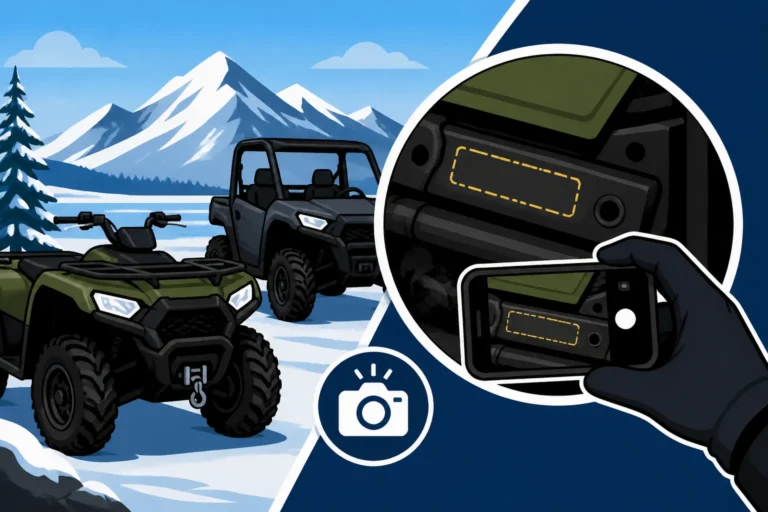
You've got your new decal in hand – now what? This is a question often asked, as proper placement is important for visibility and compliance. For a quad or ATV, the decal should generally be placed on the tunnel side, in a location that is clearly visible when you are seated on the machine. The idea is that law enforcement or land managers should be able to easily spot your registration number without having to search for it. It's not just about compliance; it's about quick identification in case of an emergency or if your machine is ever involved in an incident. [Alaska Decal Placement on the Tunnel Side] provides specific guidance.
For side-by-sides (UTVs), the placement requirements are similar: the decal needs to be in a prominent, visible location. This often means on the side panel or another easily seen part of the bodywork. The key is visibility and legibility. You want to make sure it's not tucked away where mud will constantly obscure it, or where it might get easily torn off by brush. Keeping the decal readable, especially in Alaska's often-rugged and muddy conditions, is also crucial. Clerks hear plenty of stories about faded or damaged decals, and while you can get a replacement, it's always better to place it thoughtfully the first time around. [Where the Decal Goes on a Quad] offers visual guidance.
How Do I Renew My APV Registration?
Renewing your APV registration in Alaska is generally less involved than the initial registration, especially if no ownership changes have occurred. As mentioned, all registrations expire on September 30th, regardless of the term you initially chose. The state typically sends out renewal notices, but it's ultimately your responsibility to keep track of your expiration date. You can usually renew your registration at the same DMV offices or partner offices where you initially registered. The required paperwork is usually minimal: often just your existing registration document and proof of identification.
Unlike initial registrations, renewals sometimes offer more flexibility regarding how they can be completed. While it's always safest to check with the DMV for the most current options, often renewals can be done in person, by mail, or possibly even through limited online portals if they've been established for existing records. If you're renewing a machine that you've kept consistent over the years, the process is usually quite quick. However, if there have been any changes, like an address change or if you need a new decal due to damage, those might require an in-person visit. [Alaska ATV Registration Renewal] delves into the specific steps for keeping your registration current.
What If I Move or Sell My Machine?
Life in Alaska often involves changes, and your APV ownership might be part of that. If you move, it's important to update your address with the DMV. While it might not seem critical for an APV compared to a car, having your correct contact information on file ensures you receive any important notices, including renewal reminders. You can usually update your address with a simple form at the DMV. [Alaska Registration Address Change] outlines the process.
If you decide to sell your registered APV, this is where having all your ducks in a row with the paperwork really pays off. If your machine has an Alaska title, you'll sign it over to the new owner, much like a car title. If it's a registered-but-untitled machine (pre-2022), you'll need to provide the new owner with a valid bill of sale. Remember that comprehensive bill of sale we talked about earlier? This is where it becomes critical for the next owner to register the machine in their name. As the seller, it's also a good idea to submit a Notice of Sale to the DMV, letting them know the machine is no longer in your possession. This helps protect you from any liability if the new owner doesn't register it promptly. For sellers, using a template from a service like LawDepot for your bill of sale ensures a smooth, legally documented transfer, answering many potential questions a clerk might hear from the buyer later on.
Disclaimer
This article is for general informational purposes only and does not constitute professional advice. Laws, prices and regulations vary by location and change over time. Consult a qualified professional for guidance on your specific situation.