Alaska Rules for Riding in Freeze-Up
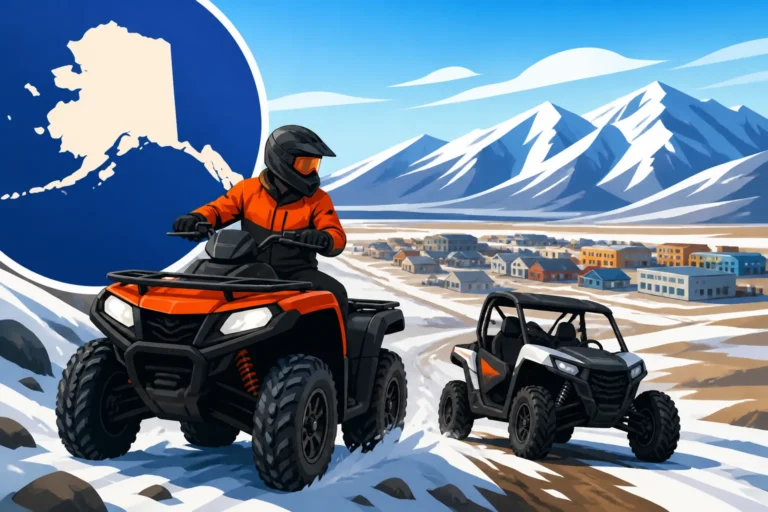
For those of us who live and breathe the Alaskan outdoor lifestyle, the period known as "freeze-up" can be both a blessing and a curse for ATV and UTV riders. That frustrating in-between time when the ground is starting to harden but hasn't fully committed to winter can be deceptively dangerous. This guide will walk you through the unique challenges and critical rules for safely navigating Alaska's trails and wild spaces during this unpredictable transition.
Understanding Alaska's Freeze-Up Phenomenon for Riders
Alaska's freeze-up period isn't a fixed date on the calendar; it's a dynamic, often frustratingly gradual transition from the watery, muddy conditions of late fall to the solid, snow-covered embrace of true winter. For ATV and UTV enthusiasts, this means dealing with conditions that are a dangerous mix of both seasons, demanding heightened awareness and a different approach to riding than you might take in July or January. It's a time when the landscape is in flux, and what might look safe one hour could be a trap the next.
What "Freeze-Up" Truly Means for Alaskan Trails
Imagine this: one day, you're splashing through mud and crossing shallow streams. The next, the temperatures dip below freezing overnight, and those mud holes are now crunchy, half-frozen ruts, and the streams have a thin, deceptive skim of ice. That's freeze-up in a nutshell. It's not a sudden switch, but a seesaw battle between freezing and thawing. Days can warm up enough to soften ice and mud, only for night to bring a hard freeze again. This leads to a landscape riddled with inconsistencies: areas of solid ground might be right next to deep, soupy mud that hasn't frozen yet. Water bodies might have a paper-thin layer of ice that looks strong but offers no support, or they could be hiding overflow under a dusting of snow. The ground itself, particularly in low-lying or wetland areas, will go from saturated to partially frozen, often creating jagged, rock-hard ruts that can be brutal on suspensions and make for an incredibly jarring ride. It's this lack of uniformity and the constant changes that make freeze-up such a unique and hazardous time to be out on a machine.
Why Freeze-Up Riding Demands Extra Caution
If summer riding means battling mud and mosquitoes, and deep winter means snow and extreme cold, freeze-up throws all those elements into a chaotic blender. The ground you were so familiar with just weeks ago is now a minefield of hidden dangers. Unlike summer, where you can often see the depth of a mud hole or the flow of a stream, freeze-up obscures everything. That thin layer of ice on a puddle might be covering a foot of mud beneath it, or a deep water crossing that could swallow a wheel. The most significant danger, however, often lies in frozen water bodies. What looks like a solid sheet of ice on a river or lake could be incredibly thin, especially over moving water, springs, or areas with variable depths. Breaking through ice in freezing temperatures, far from help, is a life-threatening situation. The cold can quickly incapacitate, making self-rescue incredibly difficult, if not impossible, without the right gear and a riding partner. You're not just dealing with the possibility of getting stuck; you're dealing with the immediate threat of hypothermia and the extreme isolation that often accompanies Alaskan backcountry travel. [First Aid Hours From a Hospital] become a very real concern when accidents happen in these conditions.
Specific Terrain Challenges and Rules During Freeze-Up
Alaska's diverse landscape presents a host of unique challenges during freeze-up, each requiring specific attention and adherence to safety guidelines. From deceptively frozen waterways to fragile tundra, understanding how these environments react to fluctuating temperatures is paramount for a safe and responsible ride.
Navigating Frozen Rivers and Lakes
This is perhaps the single most dangerous aspect of freeze-up riding. A river that was a refreshing, albeit chilly, crossing in August becomes an absolute deathtrap during freeze-up if you don't know exactly what you're doing. The ice simply isn't uniform. Areas with currents, natural springs, or deeper sections will freeze last and be the thinnest. What appears to be solid ice near the shore might be only an inch or two thick further out, or a foot of unstable slush over water. The rule of thumb in Alaska is never to assume ice is safe during freeze-up. Always test it diligently. Riders often carry an ice spud or axe to check thickness every few feet, looking for a minimum of four to six inches of clear, blue ice for an ATV, and even more for heavier UTVs. [Ice Thickness Before You Cross] is not just a suggestion; it's a survival guide. Even seemingly solid ice can hide "overflow," where water comes up through cracks and freezes on top, creating a slick, hidden layer of slush that can quickly get your machine bogged down and your boots soaked in freezing water. If you get stuck in overflow, you're not just dealing with cold, but with the immediate danger of your machine freezing to the ice. Recovery becomes a race against time and the elements, making gear like a good winch and tow straps absolutely essential. Always ride with a partner when crossing ice, and consider carrying ice picks to help pull yourself out if you do break through. Never ride alone across questionable ice. [Overflow on a Frozen River] is a silent, treacherous hazard that demands respect.
Protecting Tundra and Wetlands in the Transition
The fragile ecosystems of Alaska's tundra and wetlands are particularly vulnerable during freeze-up. In summer, these areas are often wet and boggy, making deep ruts that can last for years. As temperatures drop, these areas begin to freeze, but not uniformly. The upper layer might be frozen, but the ground underneath could still be soft. This creates a situation where a machine can break through the crust, creating even deeper and more destructive ruts than in summer, as the partially frozen soil offers more resistance to the tires but less ability to recover. [Tundra Damage in Summer] is a significant concern for land managers, and this damage is only exacerbated during freeze-up. Ethical riding practices dictate staying on established trails and avoiding cross-country travel through these sensitive areas unless you are absolutely certain the ground is fully frozen and snow-covered. Many wetland areas have specific travel restrictions during this period to prevent long-term damage. Even if the ground looks frozen, there could be hidden soft spots or areas where permafrost is just beginning to harden, making it incredibly easy to leave a permanent scar. Always check local regulations and land status maps. [Alaska Wetland Travel Restrictions Explained] are in place for a very good reason and should be strictly followed, even if you think the ground is hard enough. [Frozen Ground and Why It Matters] isn't just about rideability; it's about environmental stewardship.
Trail Conditions and Obstacles
As the landscape hardens, trails transform dramatically. What was once a smooth, packed dirt trail might now be a corrugated washboard of frozen ruts and divots. Mud holes that were once a sloppy challenge can become concrete-like traps, making for a bone-jarring ride that demands constant vigilance. Rocks that were visible in summer might now be obscured by a dusting of snow, posing a hidden threat to tires and undercarriages. Fallen trees or branches, less common in summer due to green foliage, can be brittle and snap, falling across trails after a storm, becoming invisible under a light snowfall. The lower sun angle and shorter daylight hours mean reduced visibility, especially in forested areas or valleys. It's crucial to slow down significantly, allowing more time to react to the ever-changing trail. Consider investing in robust skid plates, perhaps from a brand like SuperATV, to protect your machine's vital components from impacts with frozen obstacles. Good lighting, even during the day, can help illuminate shadows and potential hazards.
Essential Gear and Safety Protocols for Freeze-Up Riding
Riding during Alaska's freeze-up demands a gear list and a safety mindset that goes well beyond what you'd pack for a sunny summer excursion. The unpredictable nature of the weather and terrain means being prepared for anything is not just good practice, it's non-negotiable for survival.
Must-Have Equipment for Unpredictable Conditions
Your gear during freeze-up should prioritize warmth, waterproofing, and the ability to self-rescue or communicate for help. Layers are absolutely critical; start with moisture-wicking base layers, add insulating mid-layers, and top it off with a windproof and waterproof outer shell. Hypothermia is a constant threat, and getting wet in freezing temperatures is a fast track to it. On your machine, a reliable winch is practically mandatory. You never know when you'll break through unexpected ice, get bogged down in a lingering mud hole, or need to pull a fallen tree off the trail. Pair that with heavy-duty tow straps and a shovel. For those questionable ice crossings, carry an ice spud or axe to test thickness. Extra fuel is a given for any remote Alaskan ride, but even more so when cold weather can reduce fuel efficiency and getting stuck might mean idling for warmth. [Carrying Extra Fuel Safely] could literally save your life. For communication, a satellite messenger is indispensable. Cell service quickly disappears once you're off the main road system. Brands like SuperATV offer a range of robust accessories, from winches to lighting systems, that can significantly enhance your machine's capability and your safety in these extreme conditions. Always pack a comprehensive survival kit, including fire starting supplies, a first aid kit, extra food, water purification tablets, and emergency shelter.
Ride Planning and Emergency Preparedness
During freeze-up, your ride plan is your lifeline. Never, ever head out spontaneously. Before you even think about gearing up, check the weather forecast meticulously – not just for the day, but for the overnight temperatures and the next few days. Conditions can change rapidly, and a sudden warm-up followed by a deep freeze can create particularly dangerous ice and overflow. [Filing a Trip Plan With Someone] is paramount. Tell a trusted person your exact route, your expected return time, and what to do if they don't hear from you. Carry a detailed map and know how to use it, even with GPS devices. Technology can fail in the cold, or batteries can die faster. Riding with a partner or in a small group is strongly advised. There's safety in numbers, especially when facing a break-through on ice or a challenging recovery. [Why Alaska Riders Travel in Pairs] is a lesson learned from experience. Everyone in the group should know how to use the recovery gear and what to do in an emergency. Discuss a "turn-around" time or point, committing to heading back if conditions deteriorate or daylight starts to fade faster than expected. Being prepared means not just having the gear, but having the knowledge and discipline to use it effectively and to know when to call it a day.
Legal and Ethical Considerations for Freeze-Up Riding
Riding during freeze-up in Alaska isn't just about personal safety; it's also about respecting the law, the land, and your fellow Alaskans. The conditions of this transitional season can amplify the impact of irresponsible riding, leading to long-lasting environmental damage and potential legal repercussions.
Land Access and Environmental Responsibility
The change of seasons does not alter land ownership or the rules governing access. Whether it's state land, federal land, Native Corporation land, or private property, you still need permission to ride. [Alaska Land Ownership and Who to Ask] remains the golden rule. During freeze-up, the environmental impact of off-trail riding, particularly on tundra and wetlands, can be severe. Even if the ground feels firm, if it's not fully frozen and snow-covered, your tires can cause significant damage that takes decades to heal. The ruts created in partially frozen ground are often deeper and more resistant to natural recovery than those made in soft summer mud. This kind of damage isn't just an eyesore; it can alter drainage patterns, impact wildlife habitat, and lead to erosion. Land management agencies and Native corporations often have specific rules regarding off-road travel during freeze-up to prevent this. Ignoring these rules can lead to substantial fines, impoundment of your machine, or even outright bans from certain areas. [Alaska Rules for Riding Native Corporation Land] often involve purchasing permits and adhering to strict guidelines to preserve their ancestral lands. Responsible riders understand that access is a privilege, not a right, and that preserving the land is essential for future generations to enjoy.
Community Expectations and Best Practices
As an ATV or UTV rider in Alaska, you're part of a larger community of outdoor enthusiasts. During freeze-up, shared trails can become particularly busy with diverse users – cross-country skiers, fat-tire cyclists, dog mushers, and snowmachiners may all be out utilizing the limited frozen terrain. Courtesy and awareness of other users are paramount. Slow down when approaching others, give them plenty of space, and be mindful of your machine's noise, especially near cabins, villages, or residential areas. What might be acceptable engine noise in the remote wilderness could be highly disruptive in a quieter setting. The "Leave No Trace" principles are even more critical during freeze-up because your impact can be preserved for longer in the cold. Pack out everything you pack in, and perhaps even a little more. Avoid spilling fuel or oil, as these can leach into fragile ecosystems. By riding responsibly and courteously, you contribute to a positive perception of ATV and UTV users and help ensure continued access to Alaska's incredible landscapes for everyone.
Table: Comparative Riding Conditions & Risks
| Feature | Summer Riding (July-Aug) | Freeze-Up Riding (Oct-Nov) | Full Winter Riding (Dec-Apr) |
|---|---|---|---|
| Ground Condition | Soft, muddy, exposed rock | Variable: half-frozen, muddy, icy ruts | Snow-covered, fully frozen, stable ice |
| Water Bodies | Open water, traversable streams | Deceptive thin ice, open water, overflow | Solid ice, deep snow over ice |
| Vegetation | Green, less fragile (above water) | Dormant, highly fragile (if not frozen) | Covered by snow, protected |
| Visibility | Long daylight hours, clear | Shorter days, low sun, potential snow | Shortest days, snow glare, blizzards |
| Temperature | Moderate to warm | Fluctuating, often near/below freezing | Consistently below freezing, extreme |
| Primary Risks | Getting stuck, dehydration, bugs | Thin ice, hypothermia, hidden obstacles | Extreme cold, frostbite, deep snow |
| Recommended Gear | Waterproof boots, bug spray, basic repair | Winch, ice spud, warm layers, satellite messenger | Extreme cold gear, survival tent, shovel |
Disclaimer
This article is for general informational purposes only and does not constitute professional advice. Laws, prices and regulations vary by location and change over time. Consult a qualified professional for guidance on your specific situation.